
Linseed oil is a product found in many homes, art studios, and woodworking shops. It’s praised for its ability to protect wood, give shine to paint, and even support health when used in its edible form. But when people hear “oil” and “toxic,” it’s natural to worry.
Is linseed oil safe to use, or could it harm you or your family? This question matters because linseed oil comes in different forms, and each is used in unique ways. To answer this, we need to look at what linseed oil is, how it’s used, what science says about its safety, and what best practices you should follow.
What Is Linseed Oil?
Linseed oil is made from the seeds of the flax plant (*Linum usitatissimum*). Flax has been grown for thousands of years, both for its seeds and its strong, fibrous stalks. Linseed oil is extracted by pressing or sometimes using chemicals to draw the oil from the seeds.
There are two main types of linseed oil:
- Raw linseed oil: This is pure, cold-pressed oil, similar to the kind used in food but not processed for eating.
- Boiled linseed oil: This is raw oil that’s been heated and often mixed with chemicals to make it dry faster, mainly used for wood finishing and painting.
You might also hear about flaxseed oil. This is linseed oil sold for food, carefully processed to keep it safe and nutritious.
How Linseed Oil Is Used
Linseed oil is popular for many uses, and each use carries different risks and safety needs.
In Wood Finishing
Many people use linseed oil to protect wooden furniture, floors, and decks. It gives wood a beautiful, deep color and protects it from water. Boiled linseed oil is popular for this because it dries faster. But, the chemicals added to make it dry can create safety concerns, especially if the oil touches food or skin.
In Art And Painting
Artists have used linseed oil for centuries to mix with oil paints. It helps paint flow smoothly and dry to a hard finish. Most art-grade linseed oil is raw and does not contain drying chemicals, but some products may still have additives.
In Food
Flaxseed oil is praised as a health food because it’s high in omega-3 fatty acids. People add it to salads or take it as a supplement. However, the oil used in food is produced in a way that is different from the oil used in hardware stores.
In Industrial Uses
Linseed oil is sometimes used to make linoleum flooring, inks, and even some soaps. These uses often involve boiled oil with chemical additives, which are not meant for direct human contact.
:max_bytes(150000):strip_icc()/VWH-ZoeHansen-WhatIsFlaxseedOil-4000x2700-38e362112ec148f6b87d99e528df0448.png)
Credit: www.verywellhealth.com
Is Raw Linseed Oil Toxic?
Raw linseed oil is mostly cold-pressed from flax seeds. In its pure form, it’s very similar to edible flaxseed oil. The main difference is that flaxseed oil is produced under strict food safety rules, while raw linseed oil might not be.
Ingestion
If you accidentally swallow a small amount of raw linseed oil, it’s not usually considered highly toxic for adults. However, it’s not intended for food use unless labeled as “food grade” or “flaxseed oil. ” Raw linseed oil can go rancid quickly, which means it can smell and taste bad, and could upset your stomach.
Large amounts might cause nausea, diarrhea, or cramps.
Children are more sensitive, and swallowing non-food linseed oil should be avoided.
Skin Contact
Touching raw linseed oil is not usually dangerous. Some people may develop a mild rash if they have sensitive skin. Washing with soap and water removes the oil easily.
Breathing Fumes
Raw linseed oil does not give off strong fumes at room temperature. However, if heated, it can create unpleasant odors. It is best to use it in a well-ventilated space.
Non-obvious Insight
Many beginners think “natural” always means “safe. ” But raw linseed oil, if stored poorly, can grow mold or bacteria. Never use oil that smells rotten or looks cloudy.
Is Boiled Linseed Oil Toxic?
This is where things get more complex. Boiled linseed oil is not simply heated. In modern production, chemicals are added to help the oil dry faster. Common additives include:
- Cobalt or manganese salts (metal driers)
- Petroleum distillates (solvents)
These chemicals are not meant for eating or skin contact. They can be harmful if swallowed, inhaled, or absorbed through the skin.
Ingestion
Swallowing boiled linseed oil is dangerous. The metal driers and solvents can cause poisoning, especially in children or pets. Symptoms may include:
- Nausea and vomiting
- Diarrhea
- Dizziness or headache
- Nervous system effects (in severe cases)
Even a small amount can be risky. If swallowed, medical attention is needed right away.
Skin Contact
Touching boiled linseed oil can cause irritation, especially if your skin is sensitive. Long or repeated contact can lead to:
- Redness
- Itching
- Blisters (rare)
Always wear gloves when using boiled linseed oil, and wash your hands after handling.
Inhalation
While boiled linseed oil does not have strong fumes, the solvents in some brands can evaporate into the air. Breathing these over time can irritate your nose, throat, and lungs. In rare cases, people develop headaches or feel dizzy.
Work in a well-ventilated area and avoid breathing in vapors.
Non-obvious Insight
A common mistake is using boiled linseed oil on surfaces that touch food, like cutting boards or kitchen counters. The chemicals can leach into food. Only use food-safe oils on kitchen items.
Flaxseed Oil: The Edible Linseed Oil
Flaxseed oil is processed to be safe for eating. It is rich in alpha-linolenic acid (ALA), a type of omega-3 fat. Many people take flaxseed oil capsules as a supplement.
Safety
Flaxseed oil is generally safe when used as directed. Most people can take 1-2 tablespoons per day without problems. It is important to keep flaxseed oil in the fridge and use it before the expiration date, as it spoils quickly.
Risks
- High doses can cause diarrhea or loose stools.
- People on blood thinners should check with a doctor, as omega-3s can affect blood clotting.
- Never use hardware-store linseed oil for food. Only food-grade, labeled flaxseed oil is safe.
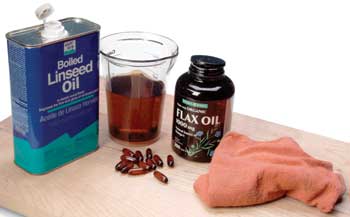
Comparing Types Of Linseed Oil
Here’s how the main types of linseed oil differ in safety and use:
| Type | Main Use | Food Safe? | Common Additives |
|---|---|---|---|
| Raw linseed oil | Wood, art | No | None (usually) |
| Boiled linseed oil | Wood finishing | No | Metal driers, solvents |
| Flaxseed oil | Food, supplement | Yes | None |
Credit: www.woodworkersjournal.com
What Do Scientific Studies Say About Linseed Oil Toxicity?
Research shows that edible linseed oil (flaxseed oil) is safe for most people when used as food. Studies highlight its benefits for heart health and reducing inflammation. According to the National Institutes of Health, daily doses up to 2 grams of ALA are safe for adults.
But, when it comes to industrial linseed oils, especially boiled linseed oil, studies warn about the risks of swallowing or long-term exposure to the chemical additives. There are reports of children becoming ill after drinking small amounts, and workers developing skin problems when handling it without protection.
A study published in the *Journal of Occupational Medicine* found that repeated skin contact with boiled linseed oil can cause allergic reactions in some people. Another study noted that old rags soaked in linseed oil can cause spontaneous combustion fires, which is a different kind of risk but important for safety.
Real-world Examples Of Linseed Oil Risks
Poisoning Cases
In 2019, a child in the US was hospitalized after drinking less than a tablespoon of boiled linseed oil. The child developed vomiting, stomach pain, and drowsiness due to the solvents and metal driers. Doctors treated the symptoms and the child recovered, but it shows how even small amounts can be harmful.
Allergic Reactions
A woodworker developed a severe rash and blisters after handling boiled linseed oil with bare hands for several days. He did not wear gloves and was not aware of the chemical additives. After switching to gloves and using a different oil, the symptoms stopped.
Fire Hazard
A little-known danger is that rags soaked with linseed oil can spontaneously combust. This means the rags can catch fire on their own if left in a pile, due to a chemical reaction as the oil dries. This has led to house fires and property damage.
Linseed Oil And Pets
Pets are often curious and may lick or chew on items coated with linseed oil. Boiled linseed oil is especially dangerous for dogs and cats. Symptoms of poisoning include vomiting, drooling, and weakness. If a pet is exposed, call a vet immediately.
Spontaneous Combustion: The Hidden Linseed Oil Danger
One of the most serious risks of linseed oil isn’t about toxicity to humans, but fire safety. As linseed oil dries, it creates heat. If oily rags are bunched together, the heat can build up and cause a fire—even without a spark.
To stay safe:
- After using linseed oil, lay rags flat to dry outside, or soak them in water before throwing them away.
- Never pile oily rags in a closed container.
This risk is higher with boiled linseed oil, but raw oil can also cause fires.
How To Use Linseed Oil Safely
For Wood Finishing
- Wear gloves to prevent skin contact.
- Apply in a well-ventilated area to avoid breathing fumes.
- Keep away from children and pets.
- Dispose of oily rags properly to prevent fires.
- Do not use on cutting boards or kitchen utensils.
For Art
- Choose artist-grade raw linseed oil for mixing paint.
- Avoid products labeled for industrial or hardware use.
- Wash hands after contact.
- Store oil and rags safely.
For Food
- Buy only food-grade flaxseed oil.
- Store in the refrigerator.
- Use before the expiration date.
- Do not heat the oil; it breaks down and loses health benefits.
For Pets And Children
- Keep all linseed oil products out of reach.
- Clean up spills right away.
- Educate family members about the risks.
Linseed Oil Vs. Other Oils
To help you choose the right oil, here’s a comparison of linseed oil and some popular alternatives:
| Oil Type | Food Safe? | Common Uses | Drying Time |
|---|---|---|---|
| Linseed oil (boiled) | No | Wood, art | Fast (with additives) |
| Linseed oil (raw) | No | Wood, art | Slow (days to weeks) |
| Flaxseed oil | Yes | Food | N/A |
| Mineral oil | Yes | Wood, food surfaces | Does not dry |
| Tung oil | Food-safe (pure) | Wood finishing | Moderate (2-3 days per coat) |
| Walnut oil | Yes | Food, wood | Moderate |
Regulations And Safety Standards
In the United States, the Food and Drug Administration (FDA) allows flaxseed oil as a food additive. But hardware store linseed oils are not regulated for food use. The Occupational Safety and Health Administration (OSHA) sets rules for safe handling in workplaces, especially for boiled linseed oil with solvents.
In Europe, labeling laws require that all additives must be listed, and food-grade oils must meet purity standards. Always check the label, and if unsure, contact the manufacturer.
Common Mistakes When Using Linseed Oil
- Using hardware-store linseed oil on food surfaces: Only food-grade flaxseed oil or approved oils should touch things like cutting boards.
- Storing oily rags carelessly: This can cause fires. Always dry or soak before disposal.
- Not using gloves: Skin irritation is common, especially with boiled oil.
- Using old, rancid oil: Bad-smelling oil can harbor bacteria or mold.
- Confusing linseed oil types: “Linseed oil” and “flaxseed oil” are not always the same in practice.
- Applying thick coats: Linseed oil dries slowly. Thick coats stay sticky and attract dust.

Credit: www.mychemicalfreehouse.net
How To Identify Food-safe Linseed Oil
Food-safe linseed oil is always labeled as flaxseed oil or “food-grade linseed oil.” It will:
- List nutrition facts on the label
- Give storage instructions (usually “refrigerate after opening”)
- Not contain drying agents or solvents
- Be sold by health food or supplement brands
If you’re unsure, look up the product on the manufacturer’s website or ask the seller.
Environmental And Long-term Health Effects
Linseed oil itself, when pure, is biodegradable and not a major environmental hazard. The risk comes from the additives in boiled linseed oil. Metal driers and solvents can pollute water if disposed of poorly.
Long-term exposure to the chemicals in boiled linseed oil can cause skin problems or breathing issues for workers, but this is rare for home users if safety steps are followed.
Safe Storage And Disposal
- Store linseed oil in a cool, dry place, away from heat or sunlight.
- Keep containers tightly closed.
- Dispose of oily rags by soaking them in water and placing in a sealed, metal container, or lay them flat to dry outside.
Myths About Linseed Oil Toxicity
Some people believe all linseed oil is poisonous, while others think it’s always safe because it’s “natural.” The truth is in between: pure flaxseed oil is safe for food, but most hardware-store linseed oil can be harmful if used the wrong way.
Another myth is that boiled linseed oil is just heated raw oil. In reality, the chemical additives make all the difference in toxicity.
Summary: Is Linseed Oil Toxic?
- Raw linseed oil is not highly toxic but is not for food use unless labeled as food-grade.
- Boiled linseed oil contains chemicals that are toxic if swallowed, especially for children and pets. It can also irritate skin and lungs.
- Flaxseed oil is food-safe, but must be kept fresh and used as directed.
- Oily rags from any linseed oil can cause fires if not handled properly.
If you use the right type for your purpose and follow safety tips, linseed oil is a useful and mostly safe product.
Frequently Asked Questions
Is Linseed Oil Safe To Use Indoors?
Linseed oil can be used indoors if the area is well-ventilated. Raw linseed oil has low odor, but boiled linseed oil can release fumes from chemical additives. Open windows and avoid breathing vapors for long periods. Always keep pets and children away from the work area.
Can Linseed Oil Be Used On Cutting Boards Or Kitchen Utensils?
No, unless the product is labeled as food-grade flaxseed oil. Most linseed oil sold in hardware stores contains chemicals that can be harmful if they touch food. For cutting boards, use mineral oil, pure walnut oil, or food-safe tung oil.
What Should I Do If Someone Swallows Linseed Oil?
If a person, especially a child, swallows boiled linseed oil or any non-food linseed oil, seek medical help immediately. Do not try to make them vomit. Bring the product container to the hospital for reference. For small amounts of food-grade flaxseed oil, monitor for stomach upset.
How Do I Safely Dispose Of Linseed Oil Rags?
Rags soaked with linseed oil can catch fire on their own. After use, lay rags flat to dry outside, or store in a container of water with a tight lid. Once dry or soaked, throw them away with normal trash.
Never pile oily rags together in a closed space.
Are There Safer Alternatives To Linseed Oil For Wood Finishing?
Yes. Pure tung oil and mineral oil are popular, especially for kitchen items. Water-based polyurethane is another choice for furniture. Always pick an oil that matches your project’s needs and is safe for the way you plan to use the item.
For more information, see the Wikipedia page on linseed oil.
Linseed oil is a valuable product when used correctly. Knowing the differences between types, understanding the risks, and following safety tips will help you use linseed oil with confidence—without risking your health or home.