
Many people love the natural look that Danish oil gives to wood. It creates a warm, low-sheen finish that highlights the grain, making furniture and woodwork beautiful and inviting. Among the different brands, Rustins Danish Oil is one of the most popular. But if you’re thinking about using it on something that might get wet—like a kitchen counter, bathroom shelf, or garden bench—you probably have a big question: Is Rustins Danish Oil waterproof?
This question matters for anyone who wants to keep their wood looking great for years, not just months. Water can be hard on wood, causing stains, swelling, and even rot. So, understanding how well Rustins Danish Oil protects against water isn’t just a technical detail—it can mean the difference between a long-lasting finish and disappointment.
In this guide, you’ll discover what Danish oil is, how Rustins Danish Oil works, how waterproof it really is, and what you should know if you want to use it where water is a concern. You’ll also learn how to get the best results, common mistakes to avoid, and how Rustins compares with other finishes.
What Is Danish Oil?
Danish oil is a type of wood finish that blends natural oils with resins. The goal is simple: to protect wood from the inside out, while keeping a natural look and feel. Unlike thick coatings such as varnish or polyurethane, Danish oil soaks into the wood fibers. It bonds with the wood and forms a thin, hard surface layer. This is why so many people love it for indoor furniture, countertops, and even crafts.
Key Ingredients
Most Danish oils are made from a mix of tung oil or linseed oil and varnish. The oil part penetrates the wood, while the varnish creates a protective film on top. This combination gives Danish oil its unique character—stronger than plain oil, but not as glossy or thick as varnish.
Rustins Danish Oil Formula
Rustins Danish Oil is one of the most respected brands. Their formula uses a special blend of oils and resins. The company claims their oil is food-safe once dry and suitable for both interior and exterior use. But, like all Danish oils, it’s not a simple one-ingredient finish. The exact formula is a trade secret, but it’s designed to balance protection, beauty, and ease of use.
How Does Rustins Danish Oil Protect Wood?
Understanding how Rustins Danish Oil works helps to explain its strengths—and its limits. The main idea is that it penetrates and seals wood, but it also leaves a thin protective layer on the surface.
Penetration
When you apply Rustins Danish Oil, it soaks deeply into the wood. This is important because it:
- Strengthens the wood fibers from within
- Reduces moisture absorption
- Brings out the natural grain
This is why Danish oil is often used on softwoods and hardwoods alike.
Surface Protection
After soaking in, the oil dries and leaves a thin, hard layer on top. This isn’t as thick as varnish or lacquer, but it does add some water resistance. The surface feels smooth and isn’t sticky or glossy if applied correctly.
Breathability
One unique feature of Danish oil finishes is that they let wood “breathe. ” This means water vapor can move in and out, which is good for wood stability. However, it also means the finish isn’t completely sealed—important when thinking about waterproofing.
Credit: priorypolishes.co.uk
What Does “waterproof” Really Mean?
It’s easy to get confused by terms like waterproof, water-resistant, and water-repellent. Let’s break down what these words mean, especially for wood finishes.
- Waterproof: No water can pass through, even with long exposure.
- Water-resistant: Slows down water penetration, but not perfect protection.
- Water-repellent: Makes water bead up and run off, but won’t last forever.
Most wood finishes, including Danish oil, are not truly waterproof. They’re designed to make water less of a problem, but not to stop it completely. This is a key point for anyone choosing a finish for wet areas.
Is Rustins Danish Oil Waterproof?
Let’s answer the main question: Is Rustins Danish Oil waterproof? The short answer is no—it is not fully waterproof. But there’s more to the story.
What The Manufacturer Says
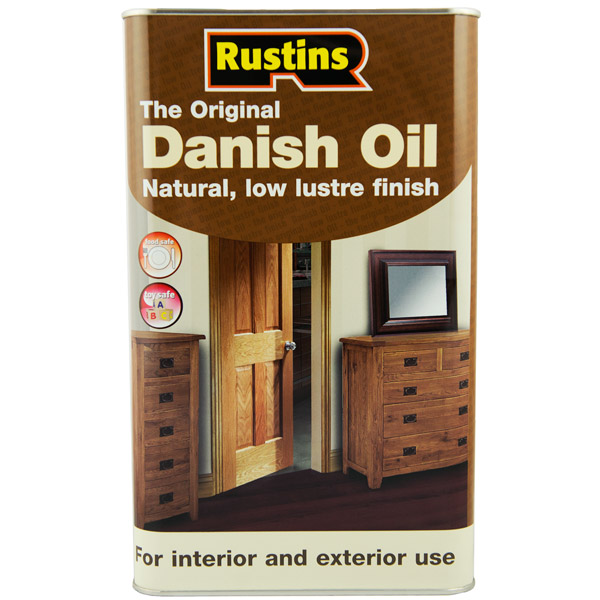
Rustins, the maker of this oil, states their product is “water resistant.” On their official website and product labels, you’ll find phrases like:
- “Water-resistant finish”
- “Suitable for interior and exterior wood”
They do not call it waterproof. This means it will protect wood from spills, splashes, and even short periods of rain. But it won’t stop water from getting through if the wood is soaked or left wet for a long time.
Real-world Performance
In practical tests and user experience, Rustins Danish Oil does a good job against everyday water hazards:
- Spilled drinks: Wipe up within a few minutes, no problem.
- Wet cloths left briefly: Usually fine.
- Rain on outdoor furniture: Short showers are OK if the oil is fresh and applied well.
However, problems can happen if:
- Water sits for hours: White rings, stains, or swelling can appear.
- The finish is old: Danish oil needs regular reapplication to keep working.
- Heavy, soaking exposure: Not suitable for areas that stay wet, like shower floors.
Comparison With Other Finishes
To see how Rustins Danish Oil stacks up, here’s a quick comparison with other common wood finishes:
| Finish Type | Waterproof? | Common Use |
|---|---|---|
| Danish Oil (Rustins) | No (Water-resistant) | Furniture, countertops, crafts |
| Polyurethane | Yes | Floors, tabletops, outdoor wood |
| Varnish | Yes (if applied thickly) | Boats, exterior doors, decks |
| Wax | No (water-repellent only) | Fine furniture, low-use surfaces |
| Shellac | No (damaged by water) | Antiques, musical instruments |
What About Outdoor Use?
Rustins Danish Oil is labeled as suitable for outdoor wood, but with important limits. It’s best for vertical surfaces (like gates or doors), not flat surfaces where water sits. If you use it outdoors, you should:
- Reapply regularly (every 6–12 months)
- Avoid letting water pool on the surface
- Combine with good design (sloped surfaces, covered areas)
Credit: www.wood-finishes-direct.com
How Long Does Rustins Danish Oil Protect Against Water?
The water resistance of Rustins Danish Oil depends on how you apply it, how often you maintain it, and how much water exposure the wood gets.
Typical Protection Time
- Indoor furniture: 6–12 months before re-oiling is needed
- Outdoor wood: 3–6 months, sometimes less in harsh weather
- High-use surfaces (kitchen counters): Check every few months
You should plan to add a fresh coat when water stops beading up, or if the surface looks dry or dull.
What Affects Water Resistance?
Several factors can change how well Rustins Danish Oil protects:
- Number of coats: More coats mean more protection.
- Wood type: Dense woods (like oak) soak up less oil than softwoods.
- Surface preparation: Sanding smooth and cleaning the wood helps oil penetrate.
- Application method: Wiping off excess and allowing proper drying is key.
- Maintenance: Regular re-oiling keeps the finish at its best.
How To Apply Rustins Danish Oil For Best Water Resistance
Getting the most from Rustins Danish Oil isn’t just about the product—it’s about how you use it. Follow these steps for best results.
Step 1: Prepare The Wood
- Sand the wood smooth, finishing with fine (180–240 grit) sandpaper.
- Remove all dust and dirt. A tack cloth works well.
- The surface should be dry and free from grease.
Step 2: Apply The First Coat
- Use a clean cloth, brush, or sponge.
- Apply a generous amount, working with the grain.
- Allow the oil to soak in for 10–15 minutes.
- Wipe off any excess with a clean, dry cloth.
Step 3: Let It Dry
- Allow at least 4–6 hours between coats (longer in cold or damp conditions).
- Good ventilation helps.
Step 4: Add More Coats
- Apply at least 3 coats for best water resistance.
- For outdoor wood or heavy-use areas, 4–5 coats is even better.
- Repeat the process for each coat: Apply, wait, wipe off, and let dry.
Step 5: Final Buff
- After the last coat is fully dry, buff the surface with a soft cloth.
- This improves the shine and smoothness.
Step 6: Maintenance
- Check the surface every few months.
- Reapply a fresh coat when water stops beading or the finish looks dull.
Pro Tips For Beginners
- Always test on a small, hidden area first.
- Avoid applying too much oil at once—this can cause a sticky or uneven finish.
- Never use on wood that will be submerged or in direct contact with water daily (like inside sinks or showers).
Common Mistakes With Rustins Danish Oil And Water Exposure
Even experienced woodworkers make mistakes with Danish oil, especially when it comes to water. Here are problems to avoid:
1. Too Few Coats
One or two coats rarely give enough protection. Three is a minimum for water resistance.
2. Not Wiping Off Excess
Leaving extra oil on the surface can cause a sticky, patchy finish that actually attracts water and dirt.
3. Using On Constantly Wet Surfaces
Danish oil is not made for wood that stays wet for long periods, like cutting boards left in the sink.
4. No Maintenance
Over time, the protective layer wears away. Without regular re-oiling, water will get in.
5. Skipping Surface Prep
Applying oil to dirty, rough, or oily wood stops it from soaking in. The finish will peel or flake.
6. Applying In Humid Or Cold Conditions
The oil may not cure properly, leading to poor water resistance.
Where Should You Use Rustins Danish Oil? (and Where You Shouldn’t)
Knowing when Danish oil is the right choice makes all the difference in how happy you’ll be with the results.
Ideal Uses
- Indoor furniture: Tables, chairs, bookcases, shelves
- Wooden kitchen counters: With regular maintenance
- Musical instruments: Guitars, pianos, woodwinds
- Crafts and small projects
- Decorative outdoor wood: Doors, window frames, railings (with frequent reapplication)
Not Recommended For
- Wood that sits in water: Decks, bathroom floors, or shower benches
- Cutting boards: Especially if washed often (food-safe mineral oil is better)
- Boat hulls: Use marine varnish or epoxy for true waterproofing
- High-traffic, wet floors

Credit: www.ebay.com
How Does Rustins Danish Oil Compare To Other Oils And Finishes?
It’s easy to think all wood oils are similar, but there are real differences. Here’s how Rustins Danish Oil stands up against other popular options.
Danish Oil Vs. Teak Oil
- Rustins Danish Oil: Penetrates deeply, gives a natural look, water-resistant but not waterproof.
- Teak Oil: Also water-resistant, best for oily woods like teak. May contain additives for UV protection.
Danish Oil Vs. Tung Oil
- Danish Oil: Dries faster, easier to apply, less sticky, more water-resistant due to added varnish.
- Pure Tung Oil: 100% natural, very water-resistant when applied in many thin coats, but slow to cure and more expensive.
Danish Oil Vs. Polyurethane
- Danish Oil: Natural look, easy touch-ups, not waterproof.
- Polyurethane: Forms a hard, plastic-like, fully waterproof layer. Harder to repair if damaged, but best for floors and heavy-use surfaces.
Danish Oil Vs. Wax
- Danish Oil: Soaks into wood, adds some protection, needs maintenance.
- Wax: Sits on the surface, easy to buff, water beads up but doesn’t last long.
Here’s a side-by-side comparison for clarity:
| Finish | Look/Feel | Ease of Use | Waterproof? | Maintenance |
|---|---|---|---|---|
| Rustins Danish Oil | Natural, satin | Easy | No | Regular re-oiling |
| Polyurethane | Glossy or satin, thick | Moderate | Yes | Long-lasting, hard to repair |
| Wax | Soft sheen | Very easy | No | Frequent buffing |
| Tung Oil | Rich, deep | Harder | No (but high water resistance) | Multiple coats, slow to cure |
Two Non-obvious Insights About Rustins Danish Oil And Water
Many guides repeat the basics, but there are a few things most beginners miss:
1. Water Resistance Builds Up Over Time
The real water protection of Danish oil is not from a single coat, but from repeated layers and regular maintenance. The more you oil, the better the protection—up to a point. Even with five coats, though, you won’t get true waterproofing, but you’ll get better water resistance than with one or two thin coats.
2. Surface Design Matters As Much As The Finish
How your wood project is shaped and placed affects water protection as much as the oil you use. For example, a flat table will collect more water than a sloped chair back. Adding good drainage, using coasters, and keeping surfaces dry will go further than extra coats of oil.
Can You Make Rustins Danish Oil More Waterproof?
If you love the look of Danish oil but want extra water protection, you have a few options:
Apply A Topcoat
After the oil is fully dry (wait at least 2–3 days after your last coat), you can add a waterproof finish:
- Polyurethane: Adds a tough, fully waterproof layer.
- Varnish: Marine-grade varnish is best for outdoor or wet areas.
This keeps the natural look but adds better protection. Always check compatibility by testing on a small area.
Mix With Other Oils
Some advanced users mix Danish oil with a little tung oil or use a “hybrid” formula. But this requires care and experience. For most people, a topcoat is a safer way to boost water resistance.
Use A Water Repellent Wax
Wax can be applied over a dry Danish oil finish for extra water beading. This needs frequent renewal, but it’s easy to do.
Caring For Wood Finished With Rustins Danish Oil
To keep your wood beautiful and protected, follow these care tips:
- Wipe up spills right away—don’t let water sit.
- Clean with a damp cloth; avoid harsh chemicals or soaking.
- Re-oil every 6–12 months, or more often if you see dullness or water stops beading.
- For outdoor wood, bring items inside or cover them in bad weather if possible.
- Avoid putting hot pots or pans directly on oiled surfaces—use coasters or trivets.
Rustins Danish Oil In The Real World: Examples And Testimonials
Many woodworkers and DIYers use Rustins Danish Oil and share their experiences online. For example:
- Kitchen countertops: Users report water resistance is good for daily use, but cutting boards and wet areas need extra care.
- Garden benches: Survive light rain but show marks if water pools or sits for hours. Regular reapplication keeps them looking fresh.
- Indoor furniture: Most users love the feel and look, with only minor water issues if maintained.
One experienced woodworker wrote, “I’ve used Rustins on everything from guitars to dining tables. It stands up to spills but not to standing water. For anything that might get soaked, I always add a coat of polyurethane. ”
If you want more technical details or safety information, you can check the official Rustins website.
Frequently Asked Questions
Is Rustins Danish Oil Food Safe?
Yes, Rustins Danish Oil is labeled as food safe once fully cured. This makes it suitable for kitchen counters, wooden bowls, and utensils. However, for surfaces that get washed often, like cutting boards, a pure mineral oil may be better.
How Often Should I Reapply Rustins Danish Oil?
You should reapply when the finish starts to look dull or water no longer beads up. For most indoor furniture, this is every 6–12 months. Outdoor wood may need attention every 3–6 months, especially in harsh weather.
Can I Use Rustins Danish Oil On Outdoor Wood?
Yes, but it is water-resistant, not waterproof. Reapply often, and avoid using it on surfaces that stay wet or flat surfaces where water pools.
Will Rustins Danish Oil Darken My Wood?
It can slightly darken the wood and bring out the natural grain, giving a warmer tone. Always test on a small area first to see the final color.
Can I Put Varnish Or Polyurethane Over Rustins Danish Oil?
Yes, after the oil is fully dry and cured (wait at least 2–3 days after the last coat). This is a good way to increase water resistance and durability, especially on high-use or wet surfaces.
Wrapping Up
Rustins Danish Oil is a wonderful choice for those who want a natural, easy-to-maintain wood finish. It provides a good level of water resistance, which is enough for most indoor furniture and light outdoor use. But it’s not waterproof. If your project will face heavy water exposure, you’ll need extra protection—either by using a different finish or by adding a waterproof topcoat.
With the right care, regular maintenance, and a little planning, you can enjoy beautiful, safe, and long-lasting wood surfaces. Remember, the finish is just one part of protecting wood—good design and routine care matter just as much. For more in-depth technical details, always refer to the product’s official instructions and safety sheets, or check resources like the Wikipedia article on Danish oil.
Choose wisely, care for your wood, and you’ll enjoy its natural beauty for years to come.