
If you enjoy woodworking or restoring furniture, you’ve probably heard of both boiled linseed oil (BLO) and polyurethane. Each is a popular finish, but many people wonder: Can you put polyurethane over boiled linseed oil? This question is important because combining finishes the wrong way can ruin a project you’ve worked hard on. Today, we’ll look closely at this topic, clearing up confusion and giving you expert advice for a lasting, beautiful wood finish.
Many DIYers try to blend the best of both worlds—using BLO for its deep, rich look and polyurethane for its strong protection. But is it really possible? And if so, how do you do it without making a sticky, blotchy mess?
This article will answer these questions in detail, break down the science, and share tips from years of hands-on woodworking experience. You’ll also learn common mistakes, time-saving tricks, and how to avoid problems before they start.
Understanding Boiled Linseed Oil
Boiled linseed oil is a traditional wood finish made from flax seeds. When you apply it to wood, it soaks into the surface and brings out the grain’s natural beauty. It’s not actually “boiled” in the usual sense; chemicals are added to help it dry faster than raw linseed oil.
Why People Use Boiled Linseed Oil
- Enhances color and grain: BLO makes wood look richer and deeper.
- Easy to apply: You don’t need fancy tools—just a cloth or brush.
- Affordable: It’s less expensive than many synthetic finishes.
However, BLO is not a strong protective finish. It offers some moisture resistance but won’t shield wood from scratches, water rings, or heavy wear.
How Boiled Linseed Oil Cures
When you apply BLO, it penetrates the wood and then slowly cures by reacting with oxygen. This curing is called “polymerization. ” Unlike quick-drying finishes, BLO needs time—sometimes several days—to cure enough for another layer or a topcoat. If you rush, you’ll trap wet oil under your finish, causing cloudiness or peeling.
Key insight: Many beginners confuse “dry to touch” with “cured.” BLO may feel dry but still be curing inside. Always allow full curing before the next step.
What Is Polyurethane?
Polyurethane is a modern, synthetic wood finish. It forms a hard, protective layer on the surface, shielding wood from water, chemicals, and physical damage. Polyurethane comes in two main types: oil-based and water-based.
Oil-based Vs. Water-based Polyurethane
Here’s a side-by-side look at the two types:
| Feature | Oil-Based Polyurethane | Water-Based Polyurethane |
|---|---|---|
| Appearance | Amber tint, warms wood color | Clear, won’t yellow much |
| Dry Time | 8-24 hours between coats | 2-4 hours between coats |
| Odor | Strong, lingers for days | Mild, less offensive |
| Durability | Very durable, best for heavy use | Durable, best for light to medium use |
| Cleanup | Mineral spirits needed | Soap and water |
Why Use Polyurethane?
- Superior protection: Shields wood from scratches, spills, and heat.
- Long-lasting: Holds up for years with little maintenance.
- Variety of sheens: Available in glossy, semi-gloss, and satin.
Polyurethane is popular for floors, tables, cabinets, and more. But it’s not just about protection—many people want the look of oil and the shield of polyurethane.
Credit: thewoodwhisperer.com
Can You Put Polyurethane Over Boiled Linseed Oil?
The short answer is: Yes, you can—but only if you do it the right way. Many professionals use this combination to get the beauty of oil and the toughness of polyurethane. However, the process is not as simple as just brushing on one after the other.
Why The Combination Works
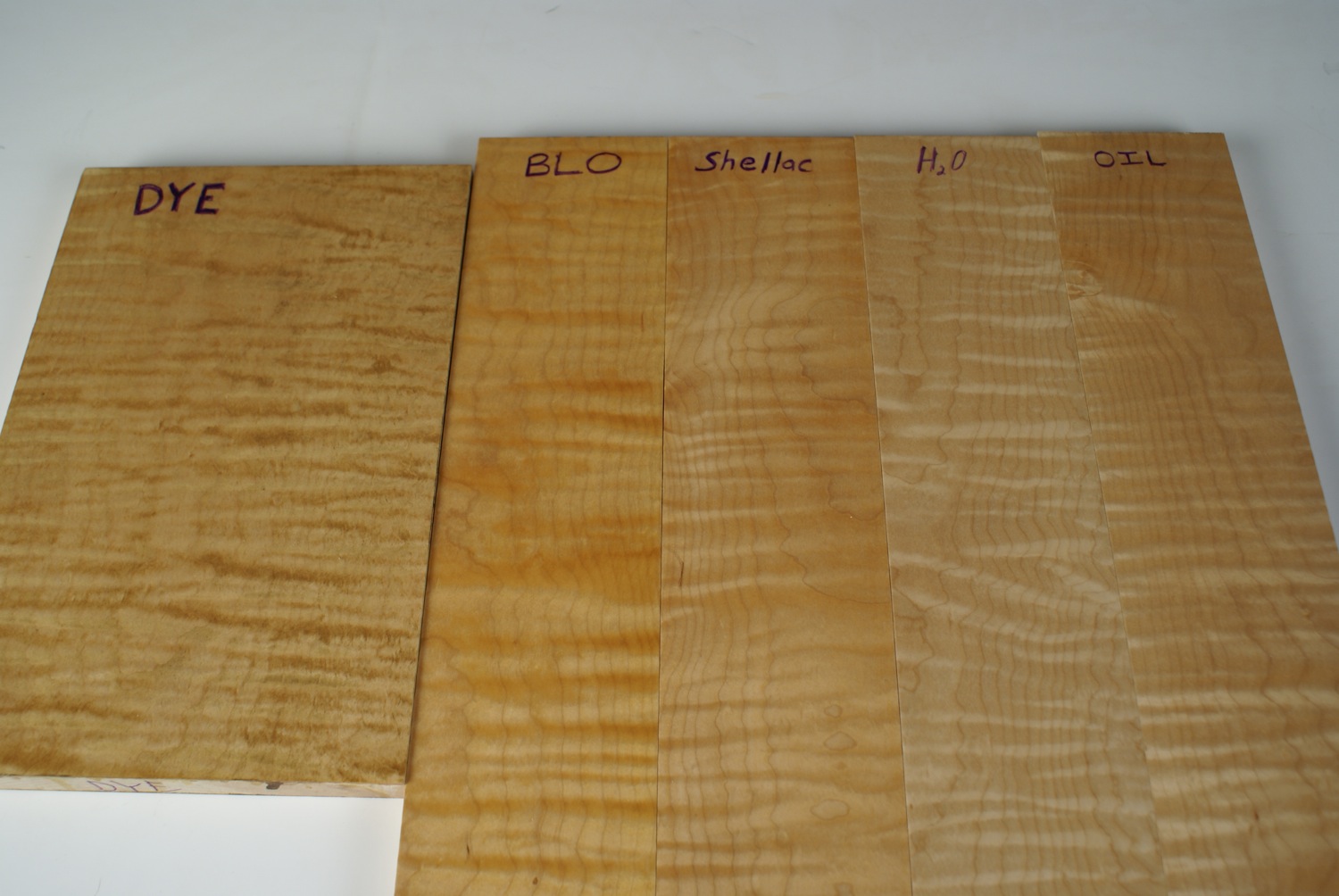
BLO brings out the wood’s grain and color, while polyurethane forms a hard, protective coat on top. Using both gives you:
- Depth and warmth from BLO
- Durability and resistance from polyurethane
But this only works if the BLO is fully cured. If not, polyurethane may not stick, or it might wrinkle, bubble, or peel.
Non-obvious insight: Always check the compatibility of your finishes. Some polyurethane products react differently, especially water-based formulas.
How To Apply Polyurethane Over Boiled Linseed Oil: Step-by-step
Following the right steps is critical. Here’s how to get the best results.
1. Apply Boiled Linseed Oil Correctly
- Sand your wood smooth (finish with 220-grit sandpaper).
- Wipe off dust with a clean, dry cloth.
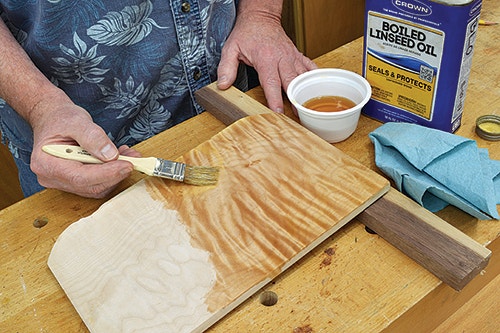
- Apply a thin coat of BLO with a cloth or brush.
- Let the oil soak for 15–30 minutes, then wipe off ALL excess. Pooled oil will never cure properly.
- Let dry in a dust-free area.
Tip: One or two thin coats are usually enough. More can slow curing.
2. Let The Oil Cure Completely
This is the most important step. BLO must be fully cured, not just dry to the touch. Depending on temperature, humidity, and wood type, this can take 5–14 days. In cool, damp weather, it may take even longer.
- Test by pressing your nose close: If you smell oil, it’s not cured.
- Rub with a clean white cloth—if it picks up yellow or brown color, wait longer.
Pro tip: Place your project in a warm, well-ventilated space to speed up curing. Avoid direct sunlight, which can cause uneven drying.
3. Lightly Sand The Surface
Once cured, lightly sand the surface with 320-grit sandpaper. This creates tiny scratches that help polyurethane bond. Wipe off dust with a tack cloth.
4. Apply The Polyurethane
- Use a high-quality brush or foam applicator.
- For oil-based polyurethane: Thin the first coat with 10–20% mineral spirits. This helps it penetrate and bond better.
- For water-based polyurethane: Make sure the oil is 100% cured, or the finish may not stick.
Apply thin, even coats and allow each to dry fully. Sand lightly between coats with fine sandpaper (400 grit) and remove dust before adding the next layer. Two to three coats are standard for most projects.
5. Allow Final Curing
After the last coat, let the project cure for at least 48 hours before using it gently. For full hardness, wait 7–14 days.
Common mistake: Rushing through the steps often leads to a sticky or uneven finish. Patience is the secret to professional results.
Things To Consider Before Starting
Before you begin, consider these important factors:
Type Of Polyurethane
- Oil-based polyurethane is usually more compatible with BLO. It tends to bond better and gives a warmer look.
- Water-based polyurethane may not stick if there’s any uncured oil. It also leaves a cooler, more “natural” look, but sometimes raises wood grain.
Wood Species
Some woods, like oak and walnut, absorb BLO deeply and cure faster. Others, like pine or maple, are less porous and may need longer drying times.
Environmental Conditions
High humidity and low temperatures slow down both BLO and polyurethane curing. Always work in a well-ventilated, climate-controlled area if possible.
Number Of Coats
- More coats of BLO mean longer curing time.
- Too many coats of polyurethane can look plastic-like and hide the grain.
Practical tip: Write the date you applied BLO on a piece of tape and stick it to your project. This helps you keep track of the curing time.
Advantages Of Using Polyurethane Over Boiled Linseed Oil
When done correctly, this finishing system offers unique benefits:
- Enhanced appearance: BLO brings out the depth and character in wood, making even basic lumber look special.
- Strong protection: Polyurethane prevents scratches, water rings, and heat damage.
- Longer life: Combined, these finishes can last for decades if cared for properly.
- Customizable sheen: Choose satin, semi-gloss, or gloss polyurethane for your preferred look.
- Easy maintenance: Minor scuffs can be repaired with light sanding and a new coat.
Non-obvious insight: Many antique furniture pieces use a similar oil-plus-varnish technique, which gives them a distinctive aged look and feel.
Potential Problems And How To Avoid Them
Mixing finishes can go wrong if you skip steps or rush the process. Here are common issues and solutions:
1. Sticky Or Soft Finish
- Cause: Applying polyurethane before BLO cures.
- Solution: Strip off the finish, let the wood breathe for days, and start over.
2. Peeling Or Flaking
- Cause: Poor adhesion due to trapped oil or dust.
- Solution: Sand thoroughly and clean before applying polyurethane.
3. Cloudy Or Hazy Look
- Cause: Moisture trapped under polyurethane, or using water-based poly over uncured oil.
- Solution: Ensure all layers are cured and work in a dry, warm environment.
4. Uneven Sheen
- Cause: Inconsistent sanding or uneven coats.
- Solution: Sand between coats and apply thin, even layers.
5. Yellowing Over Time
- Cause: Oil-based polyurethane naturally yellows. This is less obvious over BLO, but can be noticeable on light-colored woods.
- Solution: Use water-based polyurethane for a clearer finish, but only if the oil is fully cured.
Comparing Other Finish Systems
To decide if this method is right for you, compare it to other popular finish combinations.
| Finish Combo | Appearance | Protection Level | Ease of Repair |
|---|---|---|---|
| BLO + Polyurethane | Deep, warm, natural | Very high | Moderate |
| Polyurethane Only | More plastic, less depth | Very high | Moderate |
| BLO Only | Warm, low sheen | Low | Easy |
| Danish Oil | Rich, natural | Medium | Easy |
Credit: www.rockler.com
Real-world Examples
Many woodworkers use this combo for:
- Dining tables: The BLO highlights the grain, while polyurethane protects from food spills and daily use.
- Desks: The finish feels smooth and looks professional, yet resists stains from coffee cups or pens.
- Cabinets: The oil brings out color, and the poly keeps surfaces easy to clean.
One professional woodworker shared how he refinished an heirloom table using BLO and oil-based polyurethane. After letting the oil cure for 10 days, he applied three thin coats of polyurethane. The table now looks like a museum piece—and stands up to daily family dinners.
Expert Tips For Flawless Results
Getting a perfect finish is part science, part art. Here are tips from seasoned pros:
- Be patient: The main reason for failure is not letting BLO cure enough. Always err on the side of waiting longer.
- Use thin coats: Thick coats dry unevenly and can peel. Multiple thin coats build up a stronger, smoother finish.
- Work dust-free: Dust can ruin a finish. Clean your workspace, wear lint-free clothes, and use a tack cloth before every coat.
- Stir, don’t shake: Shaking polyurethane creates bubbles. Stir gently to mix.
- Test first: Try your finish on a scrap piece of the same wood. This lets you see the color and test curing times safely.

Credit: www.reddit.com
Common Myths Debunked
There’s a lot of bad advice online. Let’s set the record straight:
- Myth: “Oil and polyurethane can’t be combined.”
Fact: They can, if the oil is fully cured.
- Myth: “Polyurethane will always peel off BLO.”
Fact: Peeling happens only if you rush or don’t sand properly.
- Myth: “You must wait 30 days before applying poly.”
Fact: Most projects are ready in 7–14 days, depending on conditions.
- Myth: “Water-based polyurethane never works over oil.”
Fact: It works if the oil is totally cured and you sand lightly.
Troubleshooting Guide
Here’s how to fix common problems if things go wrong:
- Sticky or soft after days: Remove finish with mineral spirits and a rag. Let wood air out, then try again.
- Cloudy appearance: Sand lightly and apply another thin coat of polyurethane.
- Rough surface: Sand between coats with very fine sandpaper (400+ grit).
- Runs or drips: Sand smooth when dry, then re-coat using thinner layers.
When Not To Use This Combination
While this method is versatile, it’s not always the best choice. Avoid BLO plus polyurethane if:
- You want the lightest, clearest finish possible (use water-based only).
- You’re finishing outdoor furniture (polyurethane can break down in sunlight).
- You need a food-safe finish (for cutting boards, use mineral oil or a certified food-safe product).
Environmental And Safety Considerations
Both BLO and polyurethane have strong odors and can be flammable during application and curing. Always:
- Work in a well-ventilated area.
- Wear gloves and a mask to avoid skin and lung exposure.
- Dispose of oily rags safely—spread them flat to dry or submerge in water, as BLO can spontaneously combust.
For full details on safe handling, visit the OSHA Boiled Linseed Oil Safety Guide.
Alternatives To Boiled Linseed Oil + Polyurethane
Some woodworkers use other finishing systems for a similar look:
- Danish oil: A blend of oil and varnish, easier to apply but less protective.
- Tung oil + varnish: Tung oil gives a harder, more water-resistant finish than BLO, but is slower and more expensive.
- Shellac: Beautiful, but not as durable or water-resistant as polyurethane.
- Hardwax oils: Modern, easy to repair, but can be costly.
Each method has pros and cons. Choose based on your project needs.
Frequently Asked Questions
How Long Should I Wait After Applying Boiled Linseed Oil Before Polyurethane?
Wait at least 7 days, but up to 14 days in cool or humid conditions. The oil must be completely cured—not just dry to the touch. Test by smelling and rubbing with a white cloth.
Can I Use Water-based Polyurethane Over Boiled Linseed Oil?
Yes, but only if the oil is fully cured. Water-based polyurethane is less forgiving and may not stick if there’s any oily residue. Sand lightly before applying.
Will Polyurethane Yellow Over Boiled Linseed Oil?
Oil-based polyurethane will add an amber tint and can yellow further with age. Water-based polyurethane stays clearer, but the underlying BLO will still warm the wood color.
What’s The Best Way To Fix A Sticky Finish?
If polyurethane stays sticky for days, it likely trapped uncured oil. Remove the finish with mineral spirits and a rag, let the wood air out for a week, then try again with more curing time.
Is Boiled Linseed Oil Food Safe Under Polyurethane?
Neither finish is food-safe for surfaces like cutting boards. Polyurethane forms a sealed layer, but if it gets damaged, oil can leach out. For food-contact surfaces, use a finish rated as food-safe.
Final Thoughts
Combining boiled linseed oil and polyurethane is a classic finishing technique that brings out wood’s natural beauty and adds long-lasting protection. The key to success is patience—let the oil cure fully, prepare the surface well, and apply thin coats of polyurethane. Avoid shortcuts, and your project will look beautiful for years. Remember, woodworking is both art and science—when you respect the process, the results speak for themselves.