
The best scroll saw blades for metal deliver clean cuts, steady control, and less blade breakage on thin stock.
A metal project can turn frustrating fast when the blade bends, overheats, or snaps before the cut is done. I know the feeling: you mark a neat curve, start the saw, and end up with rough edges and wasted material. The right blade helps solve that problem. In this guide, I compare popular 5-inch scroll saw blades, explain which ones suit thin metal, and point out which options are better for wood or plastic. I also cover tooth count, blade fit, heat control, and safe cutting habits so you can buy with confidence.

FOXBC 5-Inch Scroll Saw Blade…
The product is Easy installation and easy handling, easy to use and highly durable Scroll Saw Blade for precise sawing of hard/soft wood, plastic, copper and other soft metals Made…

FOXBC 5 Inch Plain End…
5 Inch Plain End Scroll Saw Blade Set Includes: (12 Pack) with 28 teeth per inch, (12 Pack) with 12 teeth per inch, (12 Pack) 10 teeth per inch FOXBC…

FOXBC Spiral Scroll Saw Blades…
5 Inch plain end spiral scroll saw blade in all directions and have 360 cutting capability Cutting speed and finish depend on material thickness and number of teeth per inch…
FOXBC Pin-End Blade Pack

The FOXBC 5-inch pin-end pack is made for scroll saw users who need a large supply of replacement blades. It uses high-carbon steel and includes several tooth sizes for common wood-cutting work. The pin-end design fits many saws from WEN, Dremel, Craftsman, Delta, Ryobi, and similar brands. That broad fit can save time when an older blade breaks in the middle of a project.
I would not choose this set as my first pick for hard metal. The listing focuses on wood, and the pin-end format can limit your saw and material choices. Still, a fine-tooth blade from this pack may handle very thin, soft metal when the saw maker allows it, the speed is low, and the work stays cool. Always check your saw manual before cutting metal.
Pros:
- Large 48-piece supply for frequent blade changes
- High-carbon steel construction
- Several tooth pitches for different wood cuts
- Pin ends make fitting simple on compatible saws
- Useful replacement option for many older scroll saws
- Good choice for shops that need spare blades on hand
Cons:
- Not designed as a dedicated metal-cutting set
- Pin ends do not fit plain-end scroll saws
- Mixed tooth sizes require careful selection
My Recommendation
I recommend the FOXBC pin-end pack for beginners, hobby shops, and owners of compatible 15- or 16-inch saws. It is best for wood, plastic, and light craft work rather than thick steel. If you need the best scroll saw blades for metal, treat this as a backup option only and use the finest suitable blade at a slow speed. Its main value is the low cost per blade and wide machine compatibility.
FOXBC Plain-End Blade Set
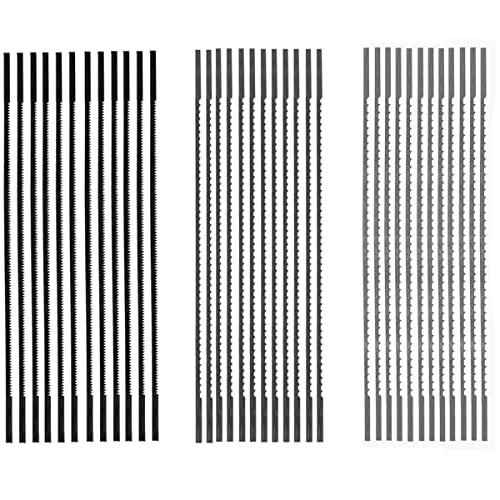
This FOXBC plain-end set includes 36 blades in 28, 12, and 10 teeth per inch. That range gives you a coarse blade for faster work and finer blades for smaller curves. Plain ends fit many modern scroll saws that clamp the blade at both ends. The 5-inch length is a common size, but I still suggest measuring your old blade before ordering.
The set is aimed mainly at wood, so I would not call every blade a true metal blade. The 28-TPI option is the most promising choice for very thin aluminum or soft sheet stock, but it may dull much sooner than a blade made for metal. Keep the feed gentle, use eye protection, and stop if the blade begins to heat or wander.
Pros:
- Includes three useful tooth pitches
- Plain ends suit many pinless scroll saws
- 36 blades provide a practical spare supply
- Fine 28-TPI option supports detailed cuts
- Coarser blades remove wood quickly
- Simple set for mixed home projects
Cons:
- Not marketed as a dedicated metal-cutting kit
- May wear quickly on steel or thick aluminum
- Not compatible with saws that require pin ends
My Recommendation
This is a sensible pick for a woodworker who sometimes cuts thin plastic or soft metal. It is not the strongest answer for demanding metal work, but its 28-TPI blade can help with light tasks when used carefully. Among general-purpose options, it offers good flexibility and a low entry cost. For the best scroll saw blades for metal, choose a dedicated fine-metal spiral or plain-end blade instead.
FOXBC No. 3 Metal Spiral Blades

The FOXBC No. 3 spiral blade is one of the more metal-focused choices in this group. Its spiral tooth pattern cuts in multiple directions, so you can guide the work without turning the metal as much. That feature helps with small shapes, inside curves, and decorative cutouts. The plain ends also work with many pinless scroll saws.
Spiral blades trade some cut-line control for easier directional cutting. They can leave a wider or less polished kerf than a straight blade, especially in thin sheet metal. I would use this style for craft parts and curved shapes, not for long, highly precise straight cuts. Light pressure and a slow, steady feed remain important.
Pros:
- Designed for metal-cutting applications
- Spiral teeth reduce the need to rotate the work
- Helpful for inside curves and decorative shapes
- Plain ends fit many pinless scroll saws
- Useful for thin metal craft stock
- Good option for hard-to-reach curved cuts
Cons:
- Spiral cuts may leave a wider kerf
- Less ideal for long, straight precision cuts
- Requires practice to control the cut line
My Recommendation
I recommend this blade for artists, model makers, and hobbyists cutting thin metal shapes with tight curves. It is a strong candidate for the best scroll saw blades for metal when directional freedom matters most. Pick it if you dislike turning small workpieces around the table. Choose a straight fine-tooth blade instead when a clean, narrow kerf is your top goal.
FOXBC 50-Pack High-Carbon Blades

This 50-pack gives you a generous supply of 5-inch plain-end, high-carbon steel blades. The set includes 10-TPI and 28-TPI choices for both faster cuts and finer detail. Its design supports wood, plastic, and some light metal work. For a busy hobby bench, having many spare blades can be more useful than buying one premium blade at a time.
The 28-TPI blades are the better match for thin metal, while the 10-TPI blades are better suited to wood. The product title mentions metal cutting, but material thickness and alloy still matter greatly. I would use this set on thin aluminum or mild sheet only after confirming the saw’s limits. It is not a substitute for a band saw, jeweler’s saw, or abrasive metal saw.
Pros:
- 50 blades offer excellent quantity
- High-carbon steel supports everyday durability
- Plain ends fit many pinless saws
- 28-TPI blades suit finer work
- 10-TPI blades cut wood more quickly
- Useful mixed-material starter pack
Cons:
- Only two tooth pitches are included
- Not the best match for thick or hard metal
- Blade quality may vary with heavy use
My Recommendation
I see this as a value pack for makers who cut wood most often but want to test light metal work. It offers plenty of replacements, which helps new users learn without worrying about every broken blade. If you need the best scroll saw blades for metal at a low cost, the 28-TPI blades make this set worth considering for thin stock. Just keep realistic expectations about heat, thickness, and blade life.
Spiral No. 1 Fast Metal Blades

This No. 1 spiral blade is made for fast metal cutting and uses a plain-end format. Its spiral teeth can cut in several directions, which is useful when a small part has many curves. The design may help reduce the time spent repositioning the work. It is a practical style for craft metal, thin sheet, and small shapes.
Fast cutting does not mean you should force the blade. Excess pressure can make the teeth rub, raise heat, and cause early breakage. I prefer a slow feed with a firm hold and short pauses when the work gets warm. Since spiral blades can feel less exact than straight blades, mark the line clearly and leave a small amount for cleanup.
Pros:
- Metal-focused blade design
- Fast cutting pattern for thin stock
- Spiral form handles curves in many directions
- Plain ends fit common pinless machines
- Helpful for small craft and model parts
- Reduces the need to rotate the material
Cons:
- May be too aggressive for delicate thin sheet
- Spiral teeth can make precise tracking harder
- Not suited to thick structural metal
My Recommendation
This blade suits experienced hobbyists who want quicker cuts in thin metal and do not need a very narrow kerf. It is one of the better options among the best scroll saw blades for metal for curved craft work. I would choose it for ornaments, templates, and small signs. Beginners should start slowly because the spiral action can feel different from a normal straight blade.
Spiral No. 3 Metal-Cutting Blades
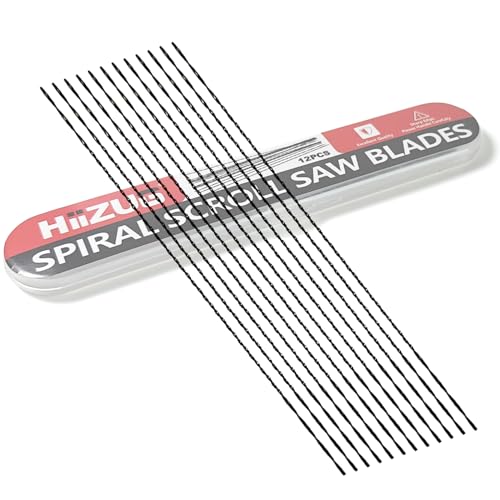
The No. 3 spiral blade offers a balanced choice for metal users who want control and easy direction changes. Compared with a very fast blade, this size may feel more manageable on small curves. The spiral form helps you follow designs without constantly turning the metal. Its plain ends are convenient for a pinless scroll saw.
I like this type for detail work where a coarse blade would tear the edge. It can still leave a different finish from a straight blade, so plan to deburr the cut with a file or fine abrasive. Use a stable table, secure the sheet, and keep your fingers away from the cutting path. These habits protect both the finish and the blade.
Pros:
- Good balance between speed and control
- Made for metal-cutting tasks
- Spiral teeth follow curved patterns well
- Plain-end design suits many scroll saws
- Useful for decorative and model work
- Fine enough for many small details
Cons:
- May need cleanup after the cut
- Not ideal for long straight edges
- Requires a compatible pinless saw
My Recommendation
I recommend the No. 3 version to hobbyists who want a more controlled spiral cut than a speed-focused blade provides. It is a smart middle ground for thin aluminum, craft sheet, and small metal patterns. For many users, it belongs on a shortlist of the best scroll saw blades for metal. Choose it when curved detail matters more than a perfectly straight kerf.
Proxxon 25-Tooth Pin-End Blades

The Proxxon 28745 set contains 5-inch pin-end blades with 25 teeth. Proxxon users often value a precise fit, and the pin-end setup makes installation quick on compatible machines. A 25-tooth pattern offers a fine cut that can work well for detailed projects. The blade length also suits compact scroll saws that use this format.
Fit is the key issue here. These blades are not a universal choice for plain-end saws, and the product should not be assumed to be a dedicated steel-cutting blade without checking the package and machine manual. For light metal work, a fine blade may perform better than a coarse one, but heat can still damage the teeth. I would reserve this set for compatible Proxxon-style equipment and thin materials.
Pros:
- Fine 25-tooth pattern for detailed cuts
- Pin ends make mounting fast
- 5-inch size suits compact saws
- Good choice for compatible Proxxon machines
- Can produce a neat edge on suitable stock
- Useful for small, careful projects
Cons:
- Limited compatibility with pin-end machines
- Not clearly a universal metal blade
- Fine teeth may cut slowly in thicker material
My Recommendation
This set is best for Proxxon owners who need a fine replacement blade with the correct pin-end fit. I would select it for thin craft metal only when the equipment manual permits that use. It can be a precise option, but it is not my broadest recommendation for the best scroll saw blades for metal. Confirm fit and material limits before you buy.
Spiral No. 2 Fine Metal Blades

The No. 2 fine-metal spiral blade is aimed at users who need detail without giving up the freedom of a spiral cut. Its teeth are suited to small curves and light metal work. The plain-end design makes it a natural fit for many pinless scroll saws. It may help you cut letters, small openings, and decorative patterns with fewer awkward turns.
Fine blades need patience. If you push too hard, the teeth can clog with chips or become hot before the cut is complete. I suggest testing one blade on scrap first and using short passes instead of forcing a long cut. The finished edge may still need a light file, but careful setup can reduce burrs.
Pros:
- Fine pattern supports small details
- Designed for metal-cutting work
- Spiral teeth simplify curved cuts
- Plain ends fit many pinless saws
- Good for letters, shapes, and openings
- Offers more control than a coarse blade
Cons:
- Fine teeth can break under heavy pressure
- May cut slower than a No. 1 blade
- Spiral kerf may need edge cleanup
My Recommendation
I would choose this blade for detail-first users who cut thin aluminum or similar craft stock. It is a strong contender for the best scroll saw blades for metal when a small, curved design matters. It is less suitable for fast rough cuts or thick sheet. If you work slowly and support the material well, it can make delicate projects feel far less stressful.
YullSorom Pin-End Variety Pack

The YullSorom pack includes 48 pin-end blades in four tooth sizes: 10, 15, 18, and 24 TPI. That mix makes it easy to match the blade to the thickness and detail of wood or other soft materials. Each size comes in a useful quantity, so you can keep a fresh blade ready. The 24-TPI option is the most relevant for very light metal experiments.
This is a general-purpose replacement pack, not a specialist metal set. Pin ends narrow the range of compatible saws, and the included blades may not withstand repeated steel cutting. I would use them mainly for wood and plastic, with occasional light aluminum work if the manufacturer permits it. The variety is helpful, but it can also tempt new users to choose too coarse a blade for metal.
Pros:
- 48 blades in four useful tooth sizes
- Easy way to test different cutting rates
- Pin ends fit many common scroll saws
- 24-TPI blade offers a fine option
- Good supply for regular craft work
- Helpful for beginners learning blade selection
Cons:
- General-purpose set rather than metal-specific
- Pin ends limit saw compatibility
- Coarser blades are poor choices for thin metal
My Recommendation
I recommend YullSorom for a woodworker who wants one affordable variety pack. It is best for learning how tooth count changes the cut and for keeping several spare blades nearby. It is not my first choice for the best scroll saw blades for metal, but the 24-TPI blades may handle occasional light work. Buy this pack for flexibility, not heavy metal duty.
Flying Dutchman Ultra Reverse Pack
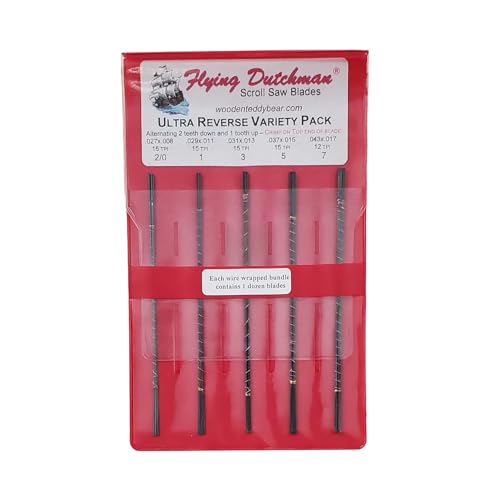
The Flying Dutchman Ultra Reverse pack contains 60 pinless blades made for clean, controlled scroll saw work. Reverse teeth near the lower part of the blade help reduce tear-out on the bottom of wood projects. That feature is valuable for portraits, fretwork, and fine craft pieces. The pinless design works with many saws that use clamp-style blade holders.
These are primarily wood blades, so I would not rank them as a dedicated metal-cutting solution. The reverse tooth pattern can make a smooth wood edge, but it does not turn a wood blade into a metal blade. Use this set for wood-focused work and keep a separate metal-rated blade for sheet metal. That clear separation can prevent damaged blades and unsafe heat buildup.
Pros:
- 60-piece pack provides excellent supply
- Ultra-reverse teeth reduce bottom tear-out
- Pinless format fits many modern saws
- Useful for detailed wood fretwork
- Several blade choices support different projects
- Good value for frequent wood cutting
Cons:
- Not intended as a metal-cutting pack
- May not fit pin-end machines
- Reverse teeth require correct blade direction
My Recommendation
I recommend this pack for wood artists who care about a clean lower edge. It is especially useful for fretwork, portraits, and thin plywood. It should not be your answer when searching for the best scroll saw blades for metal. Keep it in a separate drawer from your metal blades so the purpose stays clear and setup errors stay low.
How to Choose Scroll Saw Blades for Metal
Choosing a blade for metal starts with the material, not the package count. Thin aluminum behaves differently from stainless steel, brass, or mild steel. A scroll saw is generally best for thin, light stock and small craft parts. It is not a replacement for a powered metal-cutting saw when the work is thick or structural.
Check the Blade End
First, identify whether your saw uses pin-end or plain-end blades. Pin-end blades have small cross pins at each end. Plain-end blades slide into clamps and often work with more modern pinless saws. A perfect blade is useless if it does not lock into the machine.
Measure the old blade if you are unsure. A common scroll saw blade length is 5 inches, but brands and machines can vary. The owner’s manual remains the safest guide. Never force a blade into a holder that was not designed for it.
Choose the Right Tooth Count
Tooth count is shown as TPI, or teeth per inch. A higher TPI usually gives a finer cut and removes smaller chips. That often makes fine blades a better match for thin metal. A lower TPI cuts more aggressively, but it can catch, chatter, and damage a thin sheet.
For light metal, I usually look for a fine pattern, often around 20 to 30 TPI, when the blade maker lists it for that material. The exact choice depends on thickness and alloy. The teeth should remain engaged with the work without rubbing the metal between teeth. If the blade has too many teeth for the stock, chips may not clear well.
Consider Straight or Spiral Teeth
Straight blades cut in one direction and usually offer a narrower, more predictable kerf. They are better for straight lines and careful edge control. Spiral blades have teeth around the blade, so they can cut in several directions. They are useful for curves and small openings because you can move the work less.
The trade-off is control. A spiral blade can feel less stable on a long line. It may also leave a wider cut that needs more filing. For a decorative metal project, that trade can be worthwhile. For a measured slot or straight edge, I prefer a fine straight blade when available.
Look for the Right Material
High-carbon steel is common in affordable scroll saw blades. It can work well for wood and light craft use. Metal-cutting blades may use a tougher tooth design or a material chosen for better wear resistance. Package claims still need context because “metal cutting” can refer to thin, soft stock.
Do not assume that a blade marked for metal will cut every alloy. Hardened steel, thick stainless steel, and heavy plate can exceed a scroll saw’s safe capacity. If the blade overheats, loses teeth, or starts to twist, stop the cut. A pause can save the blade and the project.
Safe Metal Cutting With a Scroll Saw
Metal cutting creates sharp edges, chips, and heat. Wear safety glasses or a face shield that meets recognized safety standards. Keep loose clothing, hair, and fingers away from the blade. Use hearing protection when the saw runs for long periods.
Clamp or firmly support small metal pieces. A loose sheet can vibrate like a drum, which makes the blade wander and increases breakage. A sacrificial backing board can support thin stock, but it must not interfere with the blade or clamps. Keep the table clear so you can guide the work without reaching across the blade.
Run the saw at the lowest useful speed if your machine has variable control. Feed the metal slowly and let the teeth do the work. Do not push harder when the blade slows. That action creates heat and can bend the blade in the cut.
Some users apply a suitable cutting lubricant to reduce friction. Follow the scroll saw and blade maker’s instructions before doing so. Keep liquids away from electrical parts and unplug the saw before cleaning. If you use lubricant, wipe the work and table after the cut so chips do not stick.
After cutting, deburr the edge with a file or abrasive pad. Do not touch a fresh edge with bare fingers. Inspect the blade before the next cut. A missing tooth or bent blade can ruin a clean line in seconds.
Common Buying Mistakes to Avoid
The first mistake is buying only by pack size. Fifty weak or unsuitable blades do not beat ten blades that match the job. Look at the end style, tooth pitch, material, and stated use. A large count is valuable only when the blades fit your saw and project.
The second mistake is using a wood blade on thick metal. General-purpose blades may handle a small test in thin aluminum, but that does not prove they are safe for steel. Metal work needs a suitable blade, low heat, and a machine that allows the task. When in doubt, choose a dedicated metal blade or a different saw.
The third mistake is forcing the feed. A scroll saw rewards a calm hand. Let the teeth remove material at their own rate. If the cut feels rough, check tension, speed, tooth direction, support, and blade condition before pushing harder.
The fourth mistake is ignoring tension. A loose blade can bow and wander. An overly tight blade can snap during installation or use. Set tension according to the saw manual, then pluck or test the blade as the manual describes. Small adjustments often make a larger difference than buying a new pack.
Best Blade by User Need
| Best for | Why |
|---|---|
| Curved thin-metal craft cuts | A No. 2 or No. 3 metal spiral blade lets you change direction with less workpiece turning. |
| Fast light-metal cuts | A No. 1 metal spiral blade favors speed, provided you use light pressure and thin stock. |
| Mixed wood and occasional light metal | The FOXBC 50-pack supplies fine and coarse plain-end blades at a practical cost. |
Why Blade Tension and Speed Matter
Even the best scroll saw blades for metal can fail when the setup is wrong. Tension keeps the blade straight as it moves. If the blade sags, the cut line can curve and the teeth may rub one side of the kerf. If tension is too high, the blade may break while you install it.
Speed affects heat. A fast setting can make a small blade work like a tiny file, but it can also raise heat quickly in metal. Start low and make a short test cut. Watch the sound, the edge, and the blade. A steady sound and cool workpiece usually signal better control.
Blade direction also matters. On a standard straight blade, the teeth normally point down toward the table. Reverse-tooth blades need special attention because part of the tooth pattern cuts on the upstroke. Follow the printed instructions and test on scrap before starting the final piece.
Are Spiral Blades Better for Metal?
Spiral blades are not automatically better, but they solve a special problem. Their teeth face around the blade, which lets the blade cut while you move the material in different directions. This helps with letters, circles, and tight inside shapes.
They can be harder to control on long straight lines. They may also make a wider kerf and rougher edge. I see them as a useful tool, not a universal replacement for straight blades. If your project has many curves, a metal-rated spiral blade may save time and reduce awkward hand movements.
How I Judge the Best Scroll Saw Blades for Metal
I look at five practical points. First is compatibility, because the blade must fit the saw securely. Second is tooth design, since fine teeth often suit thin metal better than coarse teeth. Third is the stated material use, which helps separate true metal options from general-purpose wood blades.
I also consider control and value. A blade that cuts well but breaks during normal use is not a good bargain. A large pack can help frequent users, while a smaller specialist pack may suit someone who wants the cleanest result. I give extra weight to clear limitations because honest product use leads to safer buying.
Product specifications can change, and marketplace listings may update over time. Check the current package, seller information, and saw manual before ordering. Treat the comparison above as practical buying guidance, not permission to exceed your equipment’s limits.
FAQs Of best scroll saw blades for metal
Can a scroll saw cut metal?
Yes, some scroll saws can cut thin, light metal with a suitable blade. Check the saw manual first. Do not use a scroll saw for thick plate, hardened steel, or work that needs industrial cutting power.
What TPI is best for metal on a scroll saw?
A fine blade around 20 to 30 TPI is often a useful starting range for thin metal. The best TPI depends on the stock thickness and alloy. Follow the blade maker’s guidance and test on scrap.
Are spiral blades good for metal?
Yes, metal-rated spiral blades work well for curved shapes and inside cutouts. They reduce the need to rotate the workpiece. They may leave a wider kerf and feel less precise on long straight cuts.
Can I use wood scroll saw blades on aluminum?
Some fine wood blades may cut very thin, soft aluminum for a short task, but they can dull fast. A dedicated metal blade is the safer choice when the saw allows metal cutting. Never assume a wood blade can handle steel.
How do I stop a scroll saw blade from breaking?
Use the correct blade, set proper tension, lower the speed, and feed slowly. Support the metal so it does not vibrate. Stop when the blade gets hot or begins to twist.
Final Verdict: Which Should You Buy?
For curved thin-metal work, I favor the FOXBC No. 3 metal spiral blade. The FOXBC 50-pack is better for mixed projects and value. Both deserve attention when shopping for the best scroll saw blades for metal.
Match the blade to your saw, stock, and cut shape. Work slowly, wear eye protection, and let the teeth do the work.