
The best stainless steel jigsaw blades cut cleanly, stay sharp, and resist heat during hard metal work.
You know the feeling: the jigsaw is ready, the stainless sheet is marked, and the first cut starts badly. The blade may bend, chatter, overheat, or leave a rough edge. I have found that the right stainless steel blade makes this job far less stressful. The products below cover fine cuts, fast work, long life, and lower-cost replacements. I focus on tooth count, blade material, cutting control, and real workshop value so you can choose with confidence.
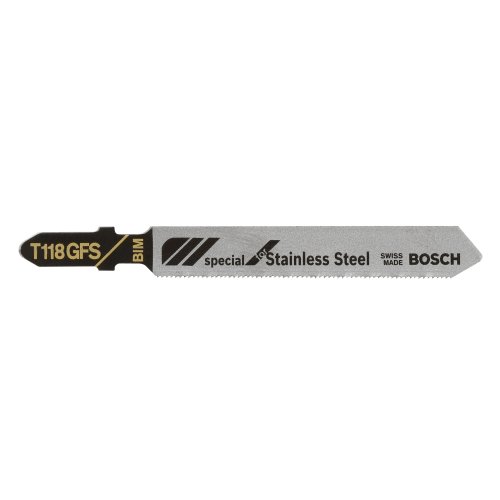
Bosch T118GFS 5-Piece 3-1/4 in….
Economical choice for straight cuts in 8-26 gauge stainless steel 36 TPI wavy set and milled teeth provide very clean, smooth cuts Bi-Metal construction for durability and long life 3-1/4…

Bosch T118AHM3 3 pc. 3-1/4…
Power Tools and Accessories Country of manufacture: Switzerland Manufacturer: Bosch Carbide strip offers long life
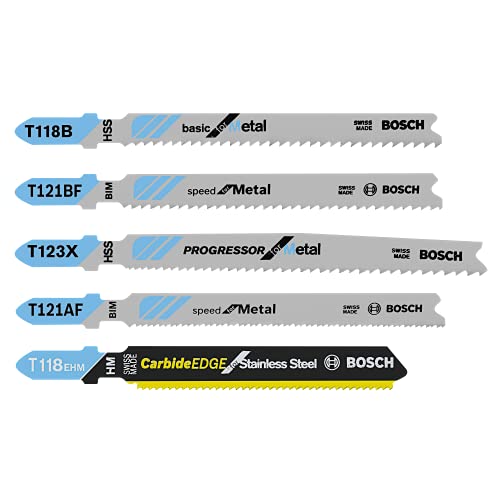
Bosch TPM005 5 pc. Pro-Metal…
Multiple blade types – designed for cutting stainless steel and metal, including high-performance blades for optimal results Carbide Edge for stainless steel – designed to provide outstanding cutting solutions for…
Bosch T118GFS 36 TPI Blades

The Bosch T118GFS is a fine-tooth blade made for stainless steel. Its 36 teeth per inch help create a smooth cut in thin metal. I like this style when the edge matters more than raw cutting speed. The 3-1/4-inch blade length also gives a compact jigsaw good control.
This five-piece pack suits small repair jobs, kitchen work, metal panels, and light fabrication. The high tooth count can reduce rough edges when I use a slow speed and steady feed. It still needs cutting fluid because stainless steel can build heat very quickly. For thin stainless stock, this is one of the best stainless steel jigsaw blades for clean results.
Pros:
- Fine 36 TPI pattern supports smooth cuts
- Designed specifically for stainless steel
- Five blades offer useful backup stock
- Compact length improves control on thin sheet
- Works well for neat repair and finish work
Cons:
- Slow cutting speed compared with coarse blades
- Not the best choice for thick stainless steel
- Fine teeth can clog if the feed is too fast
Bosch T118AHM3 Carbide Edge Blades

The Bosch T118AHM3 uses a carbide edge and a 24 TPI tooth design. That combination gives it more wear resistance than a basic carbon steel blade. I see this as a strong option for stainless work that would quickly dull a standard metal blade. The 3-1/4-inch length remains easy to guide around curves and short straight cuts.
This three-piece pack costs more per blade, but the carbide edge can justify the price for demanding users. It is useful when you cut stainless steel often or face abrasive metal surfaces. I still avoid forcing the saw, since pressure creates heat and can damage the cut line. Among the best stainless steel jigsaw blades, this model stands out for long working life.
Pros:
- Carbide edge offers strong wear resistance
- 24 TPI balances control and cutting speed
- Good choice for repeated stainless steel work
- Handles heat better than many basic blades
- Short body supports accurate hand control
Cons:
- Higher cost than basic stainless blades
- Only three blades come in the pack
- Carbide edges can chip if twisted during a cut
Bosch TPM005 Pro-Metal Blade Set

The Bosch TPM005 is a Pro-Metal set for users who cut more than one type of metal. Instead of relying on one tooth pattern, the set gives you several blade choices for different tasks. I find that useful because thin stainless steel needs a different approach from thicker mild steel. The T-shank design fits many common jigsaws without an adapter.
This set makes sense for a workshop, maintenance cart, or serious home tool box. It can reduce the guesswork that often causes poor metal cuts. Choose the finer blade for thin stainless and a more open tooth pattern for faster work. If you want the best stainless steel jigsaw blades in a flexible set, TPM005 is a practical pick.
Pros:
- Multiple blade types support varied metal jobs
- Useful for both home and professional workshops
- T-shank fit works with many modern jigsaws
- Helps match tooth pattern to material thickness
- Convenient set reduces separate blade purchases
Cons:
- Not every blade may suit stainless steel
- Set contents require careful sorting
- Can cost more than a single-purpose pack
Bosch T118EFS 18 TPI Blades

The Bosch T118EFS uses an 18 TPI pattern for a faster cut than a fine 36 TPI blade. It is made for stainless steel and offers a useful middle ground between speed and edge quality. I would choose it for thin to medium stainless pieces where the cut does not need a polished finish. The five-piece package also gives good value for regular use.
The wider tooth spacing helps clear chips as the blade moves through the metal. That can make the blade feel less cramped during a long cut. I still use a low-to-medium saw speed and light pressure to avoid heat damage. This is one of the best stainless steel jigsaw blades for people who want a balanced, general-purpose option.
Pros:
- 18 TPI cuts faster than fine metal blades
- Made for stainless steel applications
- Five-piece pack provides useful replacement value
- Good balance of speed and edge control
- Suitable for routine shop and home projects
Cons:
- Leaves a rougher edge than a 36 TPI blade
- May struggle with thick stainless stock
- Needs careful speed control to prevent heat
Bosch T118EHM3 Carbide Edge 14 TPI

The Bosch T118EHM3 has a carbide edge with 14 teeth per inch. Its tooth spacing favors faster cuts and better chip clearance. I would use it when stainless steel is thicker or when a job calls for less time at the saw. The carbide edge adds durability for users who cut metal often.
This three-piece pack is especially useful for maintenance work and repeated fabrication tasks. It does not replace a fine blade when you need a very clean edge, but it offers more bite for demanding cuts. Keep the shoe flat and let the teeth do the work. For speed and tough use, these are among the best stainless steel jigsaw blades in this group.
Pros:
- Carbide edge supports extended blade life
- 14 TPI pattern removes chips quickly
- Faster choice for thicker stainless material
- Strong fit for repeated workshop use
- Short blade length helps control curved cuts
Cons:
- Produces a less refined edge than high TPI blades
- Three-piece pack may not suit large projects
- Requires a steady hand to avoid tooth damage
LENOX 18 TPI Stainless Steel Blade

The LENOX 1991616 is a single T-shank blade with an 18 TPI pattern. Its 3-1/4-inch length and 3/8-inch width offer a useful mix of reach and control. I like a single premium blade when I need to replace one worn blade rather than buy a large pack. It is built for stainless steel cutting and fits many T-shank jigsaws.
The 18 TPI design works well for general cuts in thinner metal. It offers more speed than a very fine blade while keeping the cut fairly controlled. Since this is a one-pack option, it suits a specific job or a trial purchase. The LENOX is a sensible alternative when comparing the best stainless steel jigsaw blades from major tool brands.
Pros:
- Purpose-built for stainless steel cutting
- 18 TPI pattern supports general metal work
- Single-blade format avoids unwanted extras
- T-shank design fits many compatible saws
- Compact size helps with detail work
Cons:
- One blade offers limited backup capacity
- Not ideal for thick or heavy stainless stock
- Higher per-blade cost than multipacks
50-Piece Contractor Jigsaw Blade Set
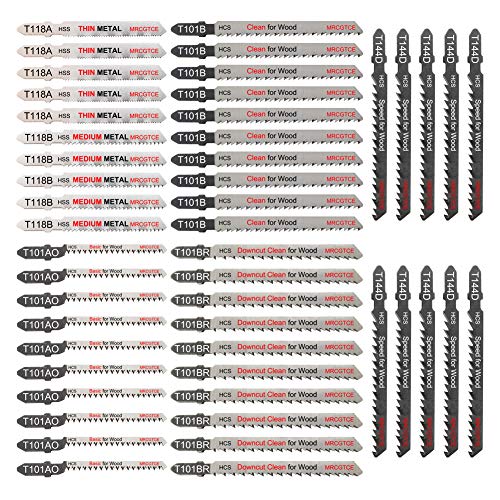
This 50-piece contractor set includes assorted T-shank blades for wood, plastic, and metal. It is not a stainless-only kit, so you should identify the metal blades before starting work. I see the main value in its broad range and storage case. It gives a new DIY user many options without a large first investment.
The set can handle small repairs, rough cuts, and mixed home projects. For stainless steel, I would use the appropriate fine metal blade and reserve the wood blades for other tasks. The large count is helpful when blades are lost or damaged on a job site. It may not deliver the same focused performance as the best stainless steel jigsaw blades, but it offers excellent convenience.
Pros:
- Large 50-piece assortment supports many projects
- Includes T-shank blades for common jigsaws
- Storage case keeps blades organized
- Useful for wood, plastic, and metal tasks
- Low entry cost for new tool users
Cons:
- Only some blades are suitable for stainless steel
- Quality and life may vary across blade types
- Large assortment takes time to sort correctly
Bosch T118G 36 TPI Metal Blades
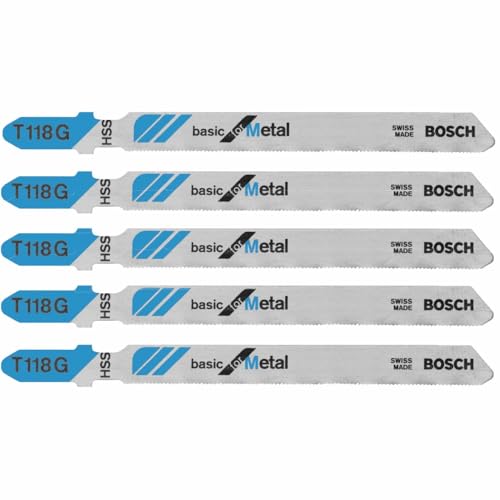
The Bosch T118G has 36 teeth per inch and is labeled for basic metal cutting. It is not marketed as a stainless-specific blade in the same way as the T118GFS. Still, its fine tooth pattern can suit thin stainless when used with care. I include it for shoppers who want a widely available fine metal blade at a reasonable pack price.
This five-piece pack can make clean, narrow cuts in light-gauge metal. Stainless steel demands more care than mild steel, so I would use lubricant and avoid high speed. The blade is better for occasional work than hard production use. It can be one of the best stainless steel jigsaw blades for a budget user, provided the material is thin and the feed stays gentle.
Pros:
- Fine 36 TPI pattern supports neat cuts
- Five-piece pack gives useful replacements
- Common T-shank style fits many saws
- Good budget choice for light metal work
- Suitable for narrow cuts and small repairs
Cons:
- Designed for basic metal rather than stainless only
- May wear faster on hard stainless steel
- Fine teeth require slow and careful feeding
Fein BIM 75 T1.2 Metal Blade

The Fein BIM 75 T1.2 MS SC is a bi-metal T-shank blade for metal work. Bi-metal construction combines a flexible body with a harder cutting edge. That design can help the blade tolerate vibration and normal job-site use. Its shorter 3-inch format also gives good control for close cuts.
I would consider this blade for maintenance teams, installers, and users who value a compact professional option. It is not a large multipack, so it fits a targeted purchase. Use a proper lubricant and keep the saw aligned with the cut. In my view, it belongs in the conversation about the best stainless steel jigsaw blades for controlled metal work.
Pros:
- Bi-metal construction balances flexibility and hardness
- Compact 3-inch length supports close control
- T-shank mount suits many professional jigsaws
- Useful for maintenance and installation work
- Resists normal vibration better than brittle blades
Cons:
- May be harder to find than Bosch options
- Single-blade format limits spare capacity
- Not intended for very thick metal sections
10-Piece T118A Metal Blade Pack

This 10-piece T118A pack is aimed at basic metal cutting. The blades have a compact 3-inch format and a T-shank connection. A ten-pack gives a homeowner enough replacements for several small projects. I would check the exact product specifications and intended material before using these on hard stainless steel.
The main attraction is simple value. These blades can work for thin metal when you use a slow speed, light pressure, and cutting oil. They are a better fit for occasional repairs than daily fabrication. If your budget is tight, this pack may offer a practical starting point while you learn which of the best stainless steel jigsaw blades suits your saw and material.
Pros:
- Ten blades provide useful replacement supply
- Compact design supports small metal cuts
- T-shank mount fits many standard jigsaws
- Affordable choice for occasional DIY work
- Easy to keep as an emergency spare pack
Cons:
- Basic construction may wear quickly on stainless
- Not the strongest option for thick metal
- Product details should be checked before purchase
My Recommendation
After comparing tooth patterns, construction, intended use, and pack value, I would choose the Bosch T118AHM3 for frequent stainless steel work. Its carbide edge offers a better chance of staying useful through repeated cuts. For thin sheet and a smoother edge, the Bosch T118GFS is the more suitable choice. For general metal work at a lower cost, the Bosch T118EFS gives the best balance.
I recommend matching the blade to the stock, not just choosing the sharpest-looking option. Fine teeth work well on thin stainless, while wider spacing clears chips better in thicker material. Bi-metal blades suit users who need flexibility, and carbide edges suit heavy use. The best stainless steel jigsaw blades should cut with steady progress, not force, smoke, or loud chatter.
| Best for | Why |
|---|---|
| Thin stainless sheet | Bosch T118GFS uses 36 TPI teeth for smoother, cleaner cuts. |
| Frequent or demanding work | Bosch T118AHM3 uses a carbide edge for stronger wear resistance. |
| Mixed home and shop projects | Bosch TPM005 provides several metal blade options in one set. |
How I Picked These Stainless Steel Blades
I did not judge these blades by tooth count alone. Stainless steel is tough, and it also holds heat during cutting. A blade that works well in mild steel may lose its edge quickly in stainless. I looked for products with clear metal ratings, useful tooth patterns, reliable T-shank designs, and practical pack sizes.
I also considered the needs of real users. A homeowner may make one sink cut or trim a thin panel. A fabricator may cut stainless every week. Those users should not buy the same blade. The best stainless steel jigsaw blades depend on material thickness, finish needs, saw speed, and how often you work.
Understanding TPI for Stainless Steel
TPI means teeth per inch. A high TPI blade has small teeth and usually makes a smoother cut in thin metal. A lower TPI blade has larger teeth and often cuts faster while clearing chips more easily. For stainless steel, the wrong TPI can cause heat, vibration, or tooth damage.
For thin sheet, I usually favor a fine pattern such as 24 to 36 TPI. It keeps several teeth engaged and reduces the chance of a tooth grabbing the edge. For thicker stainless, a 14 to 18 TPI blade may move faster. The cut may look rougher, but the blade can clear chips with less clogging.
There is no single perfect TPI for every job. If the blade has too many teeth for thick material, the gullets may fill with chips. If it has too few teeth for thin sheet, the blade can catch and create a rough edge. Choose a pattern that keeps at least a few teeth in the material at all times.
Carbide, Bi-Metal, or Basic Steel?
Blade material affects price and working life. Basic metal blades cost less and work well for light jobs. They are useful when you need a clean cut in thin stock but do not use your jigsaw often. A fresh basic blade can outperform a worn premium blade, so replacement timing matters.
Bi-metal blades combine two types of steel. The body can flex, while the teeth use harder steel for better wear. This makes bi-metal a good middle choice for users who want durability without the price of carbide. Fein’s bi-metal option is a strong example of this design.
Carbide-edge blades cost more, but they can handle demanding metal work better. Bosch T118AHM3 and T118EHM3 use carbide edges for added wear resistance. I would not buy carbide for one small repair unless the price difference is minor. For repeated stainless cuts, however, carbide may offer better value over time.
How to Cut Stainless Steel With a Jigsaw
Start by marking the cut with a fine marker or scribe. Cover the surface with painter’s tape if you want to reduce scratches and make the line easier to see. Clamp the work firmly, but protect the finish under the clamp. A moving sheet can twist the blade and ruin both the cut and the blade.
Use a metal-cutting blade with the correct TPI. Set the jigsaw to a low or medium speed. Turn off orbital action when your saw allows it, because extra orbital movement can make a metal cut rough and aggressive. Let the blade advance at its own pace.
Apply cutting oil or a suitable metal-cutting lubricant when the job allows it. Lubricant lowers friction and helps carry heat away from the teeth. Do not flood an area near electrical parts or use a product that the material maker does not approve. If the blade turns blue, smokes, or stops cutting, pause and let it cool.
Keep the shoe flat on the work. Do not push hard to make the cut go faster. Too much force bends the blade, increases friction, and can make the saw jump. A calm feed gives the best result with the best stainless steel jigsaw blades.
Stainless Steel Thickness and Blade Choice
Thin stainless sheet needs careful support. The sheet can vibrate and create a loud, rough cut even with a sharp blade. Place the metal on a firm surface or sandwich it between sacrificial boards when the shape allows. This reduces movement and helps protect the finish.
Medium-thickness stainless needs more blade clearance and more patience. An 18 or 24 TPI blade may work well, depending on the exact material and cut shape. Use a carbide or bi-metal blade if you make many cuts. Watch the blade temperature rather than relying only on cutting speed.
For thick stainless plate, a jigsaw may not be the right tool. A band saw, metal-cutting circular saw, grinder, or plasma cutter may offer better control and speed. A jigsaw has value for curves, openings, and small cuts, but every tool has a safe working range. Do not force a jigsaw beyond its design.
Common Problems and Simple Fixes
Why does my blade bend?
A bent blade often comes from side pressure. The user may turn too sharply, push too hard, or let the saw shoe lift. Start with a wider curve and make relief cuts if needed. Keep both hands on the tool and guide it instead of twisting it.
Why does stainless steel turn blue?
Blue color usually points to excess heat. Common causes include high speed, a dull blade, poor lubrication, or a feed that is too slow. Stop the cut, replace or cool the blade, and check your settings. Stainless steel can harden at the surface when overheated, which makes the next cut harder.
Why is the cut edge rough?
A rough edge can come from the wrong TPI, a worn blade, or vibration in the sheet. Try a higher TPI blade for thin material. Clamp the work and use a slower, steady feed. For a finished edge, allow a small amount of extra material and smooth it with a file after cutting.
Why do the teeth fill with chips?
Chip loading often means the blade has too many teeth for the material thickness or the feed is too slow. A slightly coarser blade can clear chips better. Use lubricant when suitable and clean the blade after the cut. Never brush chips away with your bare hand.
Safety Tips for Stainless Steel Cutting
Wear eye protection every time. Stainless chips can be sharp and can travel farther than expected. Hearing protection helps during long cuts, since metal cutting produces a hard, high sound. Gloves can protect against sharp sheet edges, but keep them away from the moving blade and follow the jigsaw maker’s safety rules.
Deburr the work after cutting. The fresh edge can be razor sharp, even when the cut looks smooth. Use a file, deburring tool, or abrasive pad while holding the material securely. Clean away metal chips before moving the work piece.
Stainless steel dust and small chips need care. Keep your work area clean and use the jigsaw’s dust or chip control features where suitable. Do not use compressed air near your eyes or skin. Check the blade clamp before each cut and unplug the saw before changing blades.
What T-Shank Compatibility Means
A T-shank blade has a shaped top that locks into many modern jigsaws. It often allows quick, tool-free blade changes. Still, not every saw accepts every blade style. Check your jigsaw manual before ordering, especially if it is an older model with a U-shank holder.
A proper fit matters more than it may seem. A loose blade can wobble, cut at an angle, or release during work. Insert the blade fully and test the lock before turning on the saw. The products in this review use T-shank formats, but the saw remains the final authority.
Are Multipacks a Better Value?
Multipacks make sense when you cut metal often. Stainless steel can dull a blade faster than wood, and having spares prevents a project delay. Five-piece packs from Bosch offer a useful balance between supply and storage. A ten-piece pack can lower the cost per blade for occasional repair work.
Single blades can still be the smart choice. If you need a specialty carbide blade for one demanding cut, a three-piece pack may be enough. Buying fewer blades also prevents unused products from sitting in a damp tool box. Store blades dry and separate from loose metal chips.
Care and Storage Tips
Wipe lubricant and chips from the blade after use. Dry the blade before putting it away. Store it in a case, box, or sealed pouch so the teeth do not hit other tools. Even stainless-rated blades can rust at the body or shank when exposed to moisture and dirty shop air.
Inspect each blade before use. Look for missing teeth, a bent body, cracks, or a dull edge. A damaged blade can wander and place extra load on the saw. Replacing a blade is cheaper than repairing a damaged work piece or hand.
FAQs Of best stainless steel jigsaw blades
What is the best TPI for stainless steel?
For thin stainless sheet, 24 to 36 TPI usually gives better control and a smoother edge. For thicker stock, 14 to 18 TPI can clear chips faster. Always match the blade to the material thickness and follow the saw maker’s guidance.
Can I use a regular metal jigsaw blade on stainless steel?
You can use a basic metal blade on thin stainless, but it may wear faster. A stainless-specific, bi-metal, or carbide-edge blade often lasts longer. Use low speed, light pressure, and lubricant when suitable.
Should I use orbital action when cutting stainless steel?
No. Turn orbital action off for most stainless steel cuts. A straight reciprocating motion gives better control and helps reduce rough edges, heat, and tooth damage.
Why does my stainless steel jigsaw blade get hot?
High speed, too much pressure, a dull blade, and poor chip clearance can create heat. Lower the speed, use a suitable lubricant, and let the blade cut at a steady pace. Stop if the blade smokes or changes color.
Are carbide blades worth the extra cost?
Carbide blades are often worth the cost for frequent or demanding stainless work. They offer strong wear resistance but can be damaged by twisting. For one small project, a basic or bi-metal blade may provide better value.
Final Verdict: Which Should You Buy?
The Bosch T118AHM3 is my top choice for frequent stainless work because its carbide edge offers strong wear life. For thin sheet and a smooth edge, choose the Bosch T118GFS. These are among the best stainless steel jigsaw blades for control and dependable results.
Use the right TPI, low speed, lubricant, and light pressure. With that simple method, your jigsaw can make clean stainless cuts without needless heat or stress.