
Can You Use Tung Oil Over Stain
Applying a beautiful finish to wood is both an art and a science. Many woodworkers and DIYers want to know: Can you use tung oil over stain? The short answer is yes, but there’s much more to understand if you want a flawless, lasting finish. Whether you’re restoring a family heirloom, finishing a new table, or simply curious about wood care, knowing how tung oil interacts with stains will help you avoid costly mistakes and achieve the look you want.
This guide will explore every important detail. We’ll explain what tung oil is, how it works with different stains, and the right methods to use. You’ll learn about real-world results, drying times, compatibility issues, and practical tips that only experienced finishers usually know.
Along the way, we’ll clear up common myths and share insights that go beyond the basics.
Understanding Tung Oil
Tung oil comes from the seeds of the tung tree, which grows mostly in China and South America. It’s been used for centuries to finish wood, prized for its natural look, water resistance, and durability. When applied to wood, tung oil soaks in and hardens, creating a warm, hand-rubbed appearance.
There are two main types of tung oil:
- Pure tung oil: 100% natural, slow-drying, and non-toxic when cured. It’s popular for fine furniture and wooden kitchenware.
- Tung oil finish (or “wiping varnish”): This is a mix of tung oil and other solvents or varnishes. It dries faster, is easier to use, but may not be completely natural.
Tung oil works by penetrating the wood fibers and then polymerizing (hardening) as it reacts with air. It does not form a thick topcoat like polyurethane; instead, it enhances the wood’s grain and offers a subtle sheen.
What Is Wood Stain?
Wood stain is a liquid that adds color to wood while allowing the grain to show through. Unlike paint, which sits on top of the surface, stain penetrates into the wood and creates a colored, semi-transparent look. There are several types of stains:
- Oil-based stains: These use mineral spirits as a carrier. They penetrate deeply and take longer to dry.
- Water-based stains: These dry quickly and are low in odor. They don’t penetrate as deeply as oil-based stains.
- Gel stains: Thicker in texture, these sit on the surface more than traditional stains. They are ideal for vertical surfaces and blotchy woods.
Stains are usually sealed with a topcoat, such as polyurethane, lacquer, or sometimes oil finishes like tung oil.
Can You Use Tung Oil Over Stain? The Core Answer
Yes, you can apply tung oil over wood stain—but success depends on a few key factors:
- The type of stain you used
- Whether the stain is fully dried and cured
- The method of tung oil application
- Your expectations for durability and appearance
Let’s break down how these factors play out in real woodworking situations.
How Tung Oil Reacts With Different Stains
Not all stains and oils are perfectly compatible. Here’s a closer look at how tung oil works with the main types of stains.
Oil-based Stains
Most oil-based stains are compatible with tung oil. Once the stain is fully dry, tung oil can soak into the wood and bond with the color layer. However, if the stain is still tacky or oily, tung oil may not penetrate well, leading to uneven results.
Key steps:
- Let the oil-based stain dry for at least 24–48 hours.
- Check for dryness by touching the wood—if color comes off, wait longer.
Water-based Stains
Tung oil can be applied over water-based stains, but there’s a catch. Water-based stains raise the grain and dry quickly, but they don’t always soak deeply into the wood. Tung oil may not absorb as evenly, especially if the wood was sanded too smooth or not wiped thoroughly after staining.
Tips:
- Sand lightly with fine paper after the stain dries, then wipe clean.
- Make sure the water-based stain is completely dry (usually 2–4 hours, but follow the label).
Gel Stains
Gel stains mostly sit on top of the wood, creating a thick layer. This makes it hard for tung oil to penetrate and bond. Applying tung oil over gel stain can lead to poor absorption, sticky surfaces, or uneven color.
Advice:
- If you must use gel stain, apply very thin layers and wipe off excess.
- Expect more surface-level protection rather than deep wood penetration.
Comparison Table: Tung Oil Compatibility With Common Stains
Here’s a summary of how tung oil pairs with different types of stains.
| Stain Type | Tung Oil Compatibility | Best Practice |
|---|---|---|
| Oil-based stain | Excellent | Allow full drying before oil application |
| Water-based stain | Good | Ensure stain is fully dry, sand lightly if needed |
| Gel stain | Poor to moderate | Apply tung oil sparingly, expect uneven penetration |
| Dye stain | Good | Check for full drying, avoid water-based dyes under pure oil |
The Right Way To Apply Tung Oil Over Stain
Getting a great finish is all about the right process. Follow these steps to apply tung oil over stained wood successfully.
1. Prepare The Wood
After staining, let the wood dry for the recommended time on the stain can. For oil-based stains, this means 24–48 hours, sometimes longer in humid conditions. For water-based stains, 2–4 hours is typical, but check the label.
Lightly sand the surface with 320-grit sandpaper to remove any raised grain or dust nibs. Wipe the wood with a tack cloth to remove sanding residue.
2. Test A Small Area
Before applying tung oil to the entire project, test a small hidden spot. This checks for any unwanted reactions, such as color lifting or blotching.
3. Apply The First Coat
Pour a small amount of tung oil onto a clean, lint-free cloth. Rub it into the wood, working in the direction of the grain. Apply a thin, even layer and don’t let oil pool on the surface.
Let the oil soak in for 10–15 minutes. If you see dry spots, add a little more oil. After 15–30 minutes, wipe off all excess oil with a clean cloth. Never leave thick oil on the surface—it can get sticky and never fully cure.
4. Allow Proper Drying Time
Tung oil dries slowly. Wait at least 24 hours (sometimes up to 48) before applying the next coat. Drying time depends on humidity and temperature.
5. Repeat For Additional Coats
For best results, apply 3–5 coats of tung oil. Each coat makes the finish richer and more water-resistant. Always wipe off excess oil after each coat.
6. Final Buffing
After the last coat has dried for a week, buff the surface with a soft cloth or very fine steel wool (#0000) for a smooth, satin sheen.
Common Mistakes (and How To Avoid Them)
Many beginners run into problems when mixing stain and tung oil. Here’s how to avoid the most frequent errors:
- Applying oil before stain is dry: This traps solvents under the oil, causing sticky spots or cloudiness.
- Using too much oil: Thick layers can wrinkle or never dry.
- Forgetting to wipe off excess: Tung oil only needs a thin coat. Any excess should be removed after 15–30 minutes.
- Expecting a glossy finish: Tung oil creates a soft, hand-rubbed look, not a glassy shine like polyurethane.
- Skipping test spots: Always test a small area first to check for compatibility.

Credit: www.youtube.com
Real-world Examples
To make this process more concrete, let’s look at a few real-world scenarios.
Example 1: Refinishing A Walnut Table
You stain the table with an oil-based walnut stain. After 48 hours, the stain feels dry, and no color comes off when touched. You apply three coats of pure tung oil over several days, wiping off excess each time. The result is a deep, rich color with a subtle sheen that highlights the walnut’s grain.
Example 2: Water-based Stain On Pine Cabinet
You use a water-based stain to keep cleanup easy. After four hours, you sand lightly and apply tung oil. The finish looks good, but the first coat absorbs unevenly due to grain raising. After a second coat and careful sanding, the finish evens out.
The color is lighter than with oil-based stain, but still attractive.
Example 3: Gel Stain On Maple
You use a gel stain to get an even tone on blotchy maple. After the gel stain dries, you apply tung oil. It mostly sits on top, taking a long time to dry. The finish feels tacky for days. You realize that gel stain prevented deep oil penetration, so you switch to a wiping varnish for the topcoat instead.
Advantages Of Using Tung Oil Over Stain
Why would you choose tung oil as a topcoat after staining? Here are the top benefits:
- Natural look: Tung oil brings out the depth and warmth of stained wood.
- Water resistance: Multiple coats offer good everyday protection.
- Non-toxic when cured: Pure tung oil is food-safe, great for cutting boards and utensils.
- Easy maintenance: Scratches or wear can be fixed with a touch-up coat—no need to sand off the entire finish.
- No yellowing: Unlike some polyurethanes, tung oil does not turn orange over time.
Disadvantages And Limitations
Tung oil is not perfect for every project. Here’s what to keep in mind:
- Long drying time: Pure tung oil can take several days or even weeks to fully cure.
- Lower gloss: If you want a mirror-like shine, tung oil will not provide it.
- Limited chemical resistance: Tung oil is not as tough as polyurethane against alcohol, solvents, or heat.
- Frequent reapplication: For heavy-use surfaces, you may need to refresh the finish every year or two.
Comparison: Tung Oil Versus Other Topcoats Over Stain
When choosing a finish, it’s helpful to compare tung oil with other popular options.
| Topcoat | Appearance | Protection Level | Ease of Repair | Drying Time |
|---|---|---|---|---|
| Tung Oil | Natural, matte to satin | Moderate | Easy to spot-repair | Slow (24–48 hrs per coat) |
| Polyurethane | Glossy or satin | High | Difficult (may need full sanding) | Faster (6–12 hrs per coat) |
| Lacquer | High gloss | Moderate | Easy to recoat, but fussy | Very fast (30 min–1 hr) |
| Shellac | Warm, amber | Low to moderate | Easy to repair | Fast (1–2 hrs) |
Practical Tips For Best Results
- Choose the right tung oil: Pure tung oil gives the best look but dries slowly. Blended finishes are faster but may contain other chemicals.
- Always wipe off excess: Leaving thick oil can cause a sticky, blotchy mess.
- Use a lint-free cloth: Avoid paper towels or colored rags, which can shed fibers or stain the wood.
- Apply in a dust-free area: Dust can settle in wet oil and spoil the finish.
- Consider your wood type: Open-grained woods (like oak) absorb oil more deeply than tight-grained woods (like maple).
Non-obvious Insights For Advanced Results
- Stain color can shift: Applying tung oil over some stains can darken the color slightly. Always test first if color accuracy is critical.
- Surface preparation matters more than you think: Even small amounts of leftover sanding dust or grease can prevent the oil from soaking in evenly. Always wipe with a clean, slightly damp cloth before finishing.
- Humidity affects curing: High humidity can dramatically slow tung oil drying. If possible, finish wood in a warm, dry area.
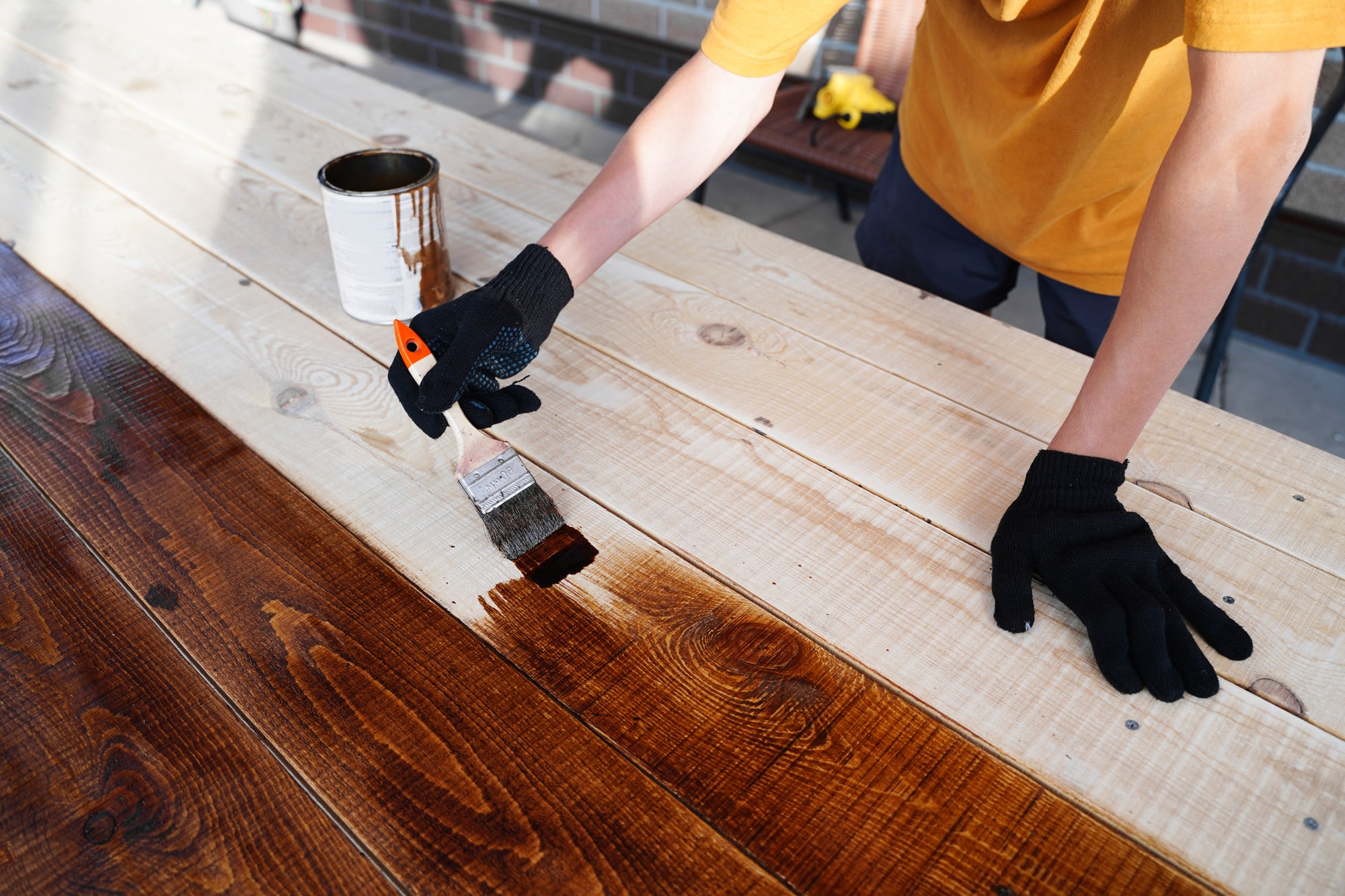
- Old stains can resist oil: If you’re re-finishing previously stained wood, some old stains can block oil absorption. Sanding down to bare wood is sometimes necessary for best results.
Credit: www.rmpfinishes.com
When Not To Use Tung Oil Over Stain
Tung oil isn’t the best choice in every situation. Avoid using it:
- Over thick, film-forming stains (like heavy gel stains or paint)
- When you need a super-hard, glossy surface (like bar tops or floors)
- On outdoor furniture unless you reapply oil frequently (tung oil weathers over time)
- When fast turnaround is needed (tung oil takes days to cure)
Safe Use And Cleanup
Tung oil is safe to use, but oily rags can spontaneously combust if not handled properly. Always:
- Lay used rags flat to dry outside before disposal
- Never pile oily rags in a closed container
Clean up spills with mineral spirits, and wash hands thoroughly after use.
Real-world User Experiences
Woodworking forums and reviews show a range of results. Many users love the soft, natural feel tung oil gives to stained wood, especially on furniture and musical instruments. Some report disappointment when trying to use tung oil over gel stains or on woods with dense grain (like maple).
A common tip from experienced users: patience pays off. Rushing the process, skipping drying steps, or applying thick coats almost always leads to problems. When done right, tung oil over stain creates a finish that looks good and ages well.
Troubleshooting: When Things Go Wrong
Even careful finishers sometimes have issues. Here’s how to solve common problems:
- Sticky finish: Usually means the stain wasn’t fully dry, or too much oil was left on the surface. Wipe with a rag dampened with mineral spirits, then let dry.
- Uneven sheen: Sand lightly and apply another thin coat of oil, wiping off excess.
- Cloudy appearance: This can be trapped moisture or solvent. Let the piece dry in a warm, dry place for several days.
Environmental And Safety Notes
Pure tung oil is a natural, renewable resource. It’s safe for food-contact surfaces once cured. However, many “tung oil finishes” in stores are actually blends with varnish and solvents—always read the label if you want a truly natural finish.
For more on tung oil’s history and properties, see the Wikipedia entry on tung oil.
Frequently Asked Questions
What Is The Main Advantage Of Using Tung Oil Over Stain?
Tung oil creates a warm, natural look and is easy to maintain. It highlights the wood grain and adds moderate water resistance, making it a good choice for furniture and decorative pieces.
Can I Use Tung Oil Over A Water-based Stain?
Yes, but make sure the water-based stain is completely dry before applying tung oil. For best results, sand lightly after staining to remove any raised grain and wipe clean.
How Many Coats Of Tung Oil Should I Apply Over Stained Wood?
Usually, 3 to 5 coats of tung oil are enough for most projects. Always let each coat dry fully and wipe off excess oil after each application for the best finish.
What If The Tung Oil Finish Feels Sticky?
A sticky finish means the stain or oil didn’t dry properly, or too much oil was left on the wood. Wipe the surface with a clean rag and let it dry longer. For thick, sticky areas, use a cloth with a little mineral spirits.

Credit: www.reddit.com
Does Tung Oil Make Stained Wood Darker?
Tung oil can slightly deepen the color of stained wood, especially with oil-based stains. Always test on a scrap or hidden area if color accuracy is important.
Finishing wood is a rewarding process when you understand how each product works together. By following these guidelines, you’ll avoid common mistakes and create a finish that’s beautiful, durable, and uniquely yours.