
When it comes to finishing wood, Danish oil is one of the most talked-about choices. Many woodworkers, furniture makers, and DIY enthusiasts rely on it for its natural look and easy application. But there’s one question that always comes up: How durable is Danish oil? Understanding its real-world performance can help you decide if it’s right for your project or if you need something tougher. Durability is about more than just how long a finish looks good—it’s about how well it protects, how it handles daily wear, and what it takes to keep it looking fresh.
This article explores every aspect of Danish oil’s durability, from what’s in it to how it performs under stress. You’ll learn how it compares to other finishes, how to boost its lifespan, and where it shines (or falls short). If you’re investing your time and effort into a wood finish, you deserve answers based on facts, not just marketing claims.
What Is Danish Oil?
Danish oil is a blended wood finish, usually made from a mix of oil (often tung or linseed), varnish (like polyurethane or alkyd resin), and mineral spirits. The goal is to create a finish that penetrates wood easily, dries relatively quickly, and leaves a natural, low-sheen look.
Danish oil acts as both a penetrating oil and a surface finish. It soaks into the wood fibers, hardening inside to give some internal protection, while also forming a thin film on top. This dual action sets it apart from pure oils (like boiled linseed oil) and from film finishes (like lacquer or shellac).
Many brands have their own formulas, so “Danish oil” isn’t a single, fixed recipe. Some may have more oil for depth, others more varnish for extra hardness. This can affect how durable each product is.
How Danish Oil Protects Wood
Understanding how Danish oil works helps you see why its durability is unique.
- Penetration: The oil sinks deep into the wood, hardening and making the fibers stronger. This helps the wood resist cracking and warping, especially with changes in humidity.
- Surface Layer: The varnish in Danish oil forms a thin layer on the surface. This gives limited protection against spills, stains, and scratches.
- Water Resistance: Danish oil is not waterproof, but it is water resistant. Small spills will bead up and can be wiped away, but standing water will eventually soak through.
Unlike thick, glossy finishes that sit on top, Danish oil leaves the wood looking and feeling natural. The grain is visible and you can feel the texture. This is great for beauty and touch, but it means the protection isn’t as heavy-duty.
Key Factors That Affect Danish Oil Durability
Several things impact how long Danish oil lasts and how well it protects:
- Wood Type: Open-grain woods (like oak) absorb more oil than dense woods (like maple). More absorption often means better protection.
- Number of Coats: Two or three coats usually give a good finish, but more coats can add some durability.
- Curing Time: Danish oil takes time to fully harden. Rushing the process can weaken the finish.
- Wear and Tear: High-traffic surfaces (like tabletops) get more scratches and spills than vertical surfaces (like trim or frames).
- Exposure: Direct sunlight, moisture, and heat can break down Danish oil faster.
- Maintenance: Reapplying Danish oil once or twice a year can keep the protection strong.
How Long Does Danish Oil Last?
There’s no single answer, because “lasting” can mean different things: resisting stains, holding up to scratches, or keeping its look.
- Low-Wear Surfaces: On shelves, picture frames, or wall panels, Danish oil can last for years without problems.
- Moderate-Use Furniture: On chairs, desks, or dressers, expect to refresh the finish every 1-2 years for best protection.
- High-Traffic Surfaces: Tabletops, countertops, and floors need re-oiling every 6-12 months if you want to avoid stains or dull spots.
Danish oil does not crack, peel, or flake as it ages. Instead, it simply wears thin. You’ll notice the wood looks dry or absorbs water more easily—this is your sign to reapply.
Danish Oil Compared To Other Wood Finishes
To really understand Danish oil’s durability, it helps to see how it stacks up against other finishes. Here’s a direct comparison:
| Finish Type | Durability (Years) | Protection Level | Maintenance Needed | Look & Feel |
|---|---|---|---|---|
| Danish Oil | 1-2 (with upkeep) | Moderate | Annual re-oiling | Natural, low sheen |
| Polyurethane | 5-10 | High | Little to none | Glossy or satin, film-like |
| Lacquer | 3-5 | Medium-High | Occasional touch-ups | High gloss, smooth |
| Shellac | 1-3 | Low-Medium | Recoating as needed | Warm, glossy |
| Pure Tung Oil | 1-2 (with upkeep) | Moderate | Annual re-oiling | Matte, natural |
As you can see, Danish oil offers better durability than pure oils but cannot match the long-term protection of film finishes like polyurethane. It finds a middle ground—more natural than varnish, tougher than just oil.
Where Danish Oil Excels
Danish oil has a few clear strengths when it comes to durability:
- Easy Repairs: If a spot wears thin, you can simply clean the area and wipe on more oil—no need to sand or strip the whole surface.
- No Peeling or Cracking: Film finishes can peel or crack over time if moisture gets underneath. Danish oil soaks in, so this isn’t a problem.
- Resists Small Spills: Coffee, tea, and water drops bead up and can be wiped off if cleaned quickly.
- Enhances Wood Strength: By hardening inside the wood fibers, Danish oil helps prevent splitting and warping.
These qualities make it a favorite for furniture, cutting boards, and wooden kitchenware that see regular use and cleaning.

Credit: woodworkersinstitute.com
Where Danish Oil Falls Short
Even with its benefits, Danish oil isn’t perfect for every job:
- Limited Scratch Resistance: The thin surface layer doesn’t stop dents or scratches as well as hard varnishes.
- Not Waterproof: Long-term water or heavy spills will soak through and may stain or raise the grain.
- Needs Regular Maintenance: To keep surfaces looking good, you need to reapply oil—a step some people prefer to skip.
- Not for Outdoor Use: Sun, rain, and temperature changes break down Danish oil quickly, unless you use a special outdoor blend and reapply often.
If you need a tough, low-maintenance finish for a kitchen table, bar top, or floor, Danish oil may not be the best choice.
Real-world Durability: Examples And Data
To get a feel for Danish oil’s real-world performance, it helps to look at common situations:
Kitchen Table
A solid wood kitchen table finished with three coats of Danish oil will resist daily spills if they’re wiped up quickly. Scratches from plates, keys, or cutlery are likely, but you can buff them out and re-oil. Expect to reapply every 6-12 months for best results.
Bookshelf
A bookshelf faces little direct wear. Danish oil can last for several years before it needs a touch-up. The main risk is from water rings (from a forgotten plant or drink), which can stain if left overnight.
Wooden Utensils
On spoons, spatulas, or salad bowls, Danish oil gives a food-safe finish once cured. It resists brief soaking and hand washing, but dishwashers or soaking in water will strip the finish quickly. Re-oiling every few months is normal.
Interior Trim
Window and door trim finished with Danish oil can stay looking great for years, as long as it’s not exposed to sun or moisture. The oil helps prevent drying and cracking of the wood.
Wood Flooring
Danish oil can be used on floors, but it’s not common. The thin finish wears away quickly in high-traffic areas. Most people choose a harder finish for floors.
How To Apply Danish Oil For Maximum Durability
Getting the best life out of Danish oil depends on how you apply it. Here’s how to maximize protection:
- Prepare the Wood: Sand the surface smooth (usually to 220-grit or finer). Remove dust with a tack cloth.
- First Coat: Apply a generous amount of oil with a clean cloth or brush. Let it soak for 15-30 minutes.
- Wipe Off Excess: After soaking, wipe away any oil that hasn’t soaked in. Don’t let it pool or dry sticky.
- Let It Cure: Wait 8-24 hours (according to product label) for the first coat to cure.
- Repeat: Apply 2-3 more coats, letting each cure fully and wiping off excess each time.
- Final Buff: After the last coat, buff the surface with a soft cloth for a smooth feel.
Pro Tips For Durability
- Let It Cure: Don’t rush. Full curing can take up to a week. Avoid heavy use until the finish is hard.
- Thin Coats Work Best: Thick coats dry sticky and attract dust.
- Optional Wax: For extra water resistance, buff on a thin layer of paste wax after the oil is fully cured.
How To Maintain Danish Oil Finishes
Maintenance is the key to long-term durability. Here’s what to do:
- Clean Gently: Use a damp cloth for dust and spills. Avoid harsh cleaners or soaking.
- Spot Re-Oil: When you notice the wood looking dry, rub a little Danish oil into the spot and wipe off the extra.
- Full Refresh: Once a year, clean the whole piece, sand lightly with fine grit if needed, and apply a fresh coat of oil.
If you follow these steps, Danish oil can keep wood looking rich and healthy for years. Many users say their furniture looks better with age, as repeated oiling deepens the wood’s color and sheen.
Advanced Insights: What Most Beginners Miss
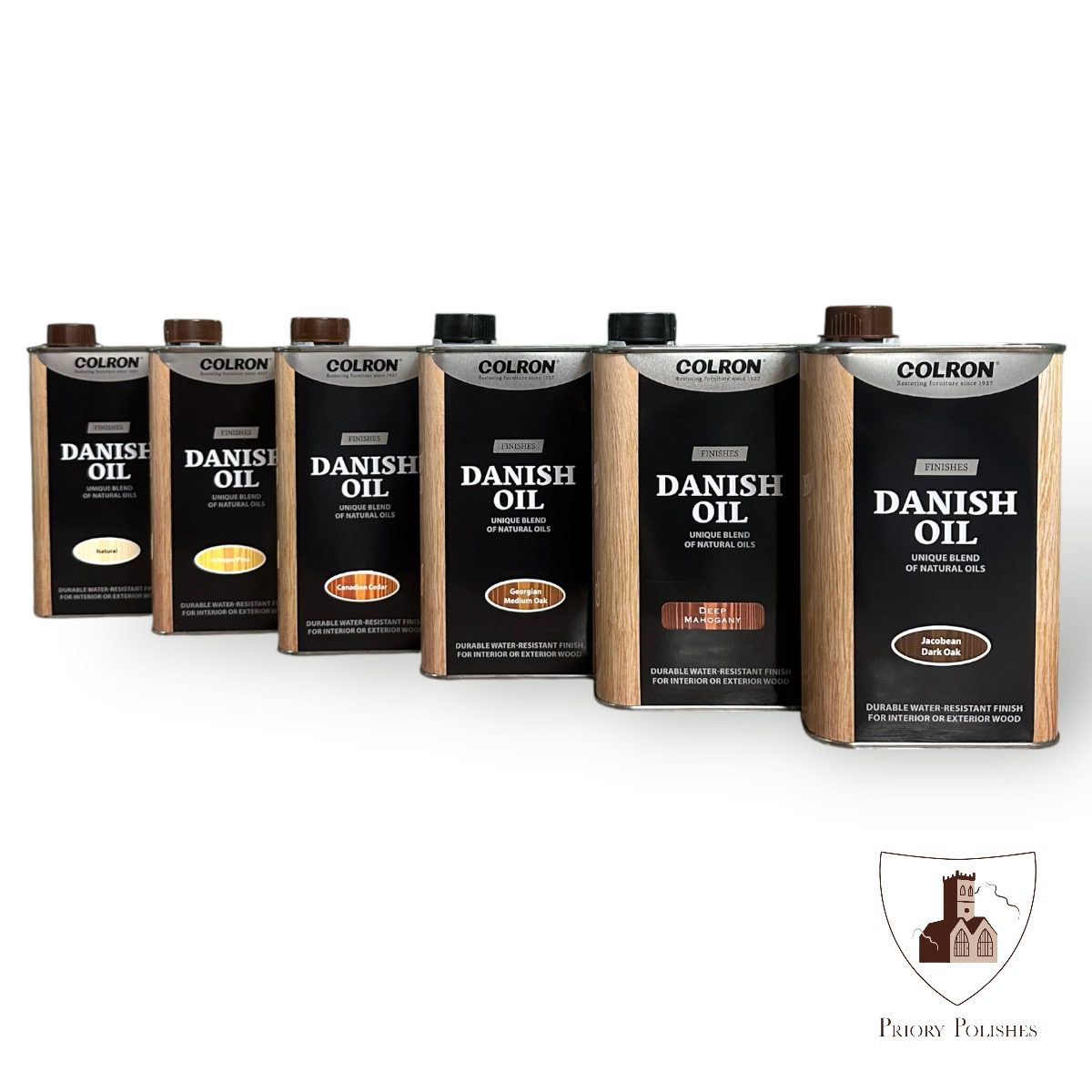
- Not All Danish Oils Are Equal: Some brands are mostly oil, others have more varnish. Products with more varnish are slightly more durable but may look less natural. Always check the label or research the brand.
- Subtle Curing Differences: Danish oil feels dry to the touch in a day, but full chemical curing can take a week or more. Use the surface gently during this time, especially for tables or kitchen items.
- Early Water Testing: You can test if your finish is still effective by placing a drop of water on the surface. If it beads up, the oil is still protecting. If it soaks in, it’s time to re-oil.
- Sand Between Coats for Best Results: Lightly sanding with 400-grit between coats helps the next layer bond and gives a smoother finish. Many beginners skip this step, which can reduce durability.
- Danish Oil and Stains: If you want to stain your wood, do it before applying Danish oil. The oil will seal the wood and prevent stains from soaking in later.
Danish Oil For Special Uses
Food-safe Surfaces
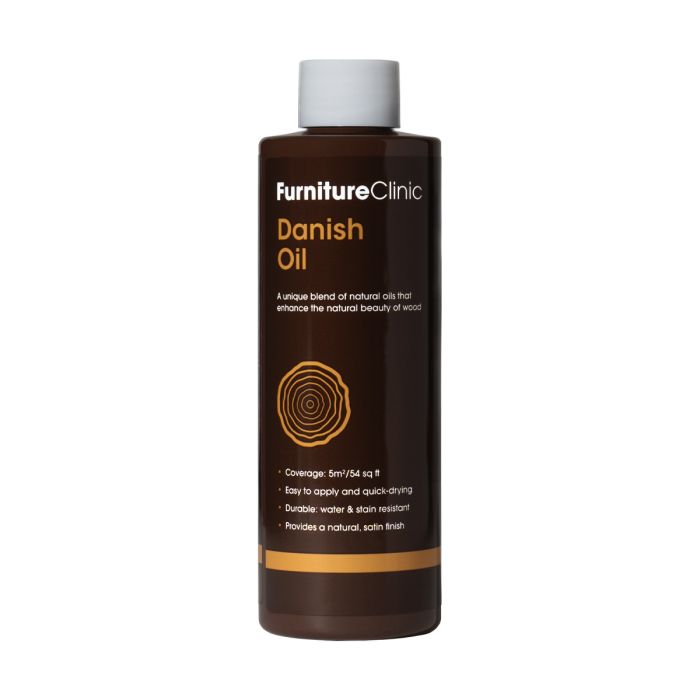
Once fully cured, Danish oil is safe for cutting boards, salad bowls, and utensils. However, you need to let it cure fully (usually 7 days) before using with food. Some brands add drying agents or chemicals—check for “food safe” on the label if this matters to you.
Outdoor Furniture
Standard Danish oil is not weatherproof. For outdoor use, look for special “exterior Danish oil” formulas that include UV blockers and extra water resistance. Even then, you’ll need to reapply every few months.
Children’s Toys
Danish oil is a good choice for wooden toys after full curing. It enhances the look, doesn’t chip off, and is easy to renew.
Credit: www.furnitureclinic.com
Common Danish Oil Myths And Mistakes
- Myth: Danish oil is “maintenance-free.” Reality: It requires annual re-oiling for best results.
- Myth: It’s waterproof. Reality: It’s only water-resistant for short periods.
- Mistake: Not wiping off excess oil. Thick, sticky spots never cure and attract dust.
- Mistake: Using Danish oil on oily woods (like teak) without cleaning first. The oil won’t soak in well and may not harden.
- Mistake: Applying over old finishes. Danish oil needs bare wood to bond properly.
When Should You Choose Danish Oil?
Danish oil is the right finish when you want:
- A natural look: You love to see and feel the wood grain.
- Easy maintenance: You don’t mind reapplying once or twice a year.
- Simple repairs: You want to fix scratches or dull spots without refinishing the whole piece.
- No risk of peeling: You want a finish that ages gracefully, not one that cracks or flakes.
It’s not the best for outdoor projects (unless you use a special formula), high-wear floors, or areas with heavy water exposure.
Danish Oil: Environmental And Health Considerations
Most Danish oils contain petroleum-based solvents and resins, but the cured finish is inert and safe. Always apply in a well-ventilated space, wear gloves, and dispose of oily rags safely—they can spontaneously combust if left in a pile. Some brands offer low-VOC or “natural” versions for those sensitive to chemicals.
For more on safe use, see the Wikipedia article on Danish oil.
Table: Danish Oil Vs. Other Popular Oils
Here’s a side-by-side comparison of Danish oil with other common wood oils:
| Oil Type | Penetration | Surface Protection | Reapplication Frequency | Best For |
|---|---|---|---|---|
| Danish Oil | High | Moderate | 6-12 months | Furniture, decor |
| Boiled Linseed Oil | Very High | Low | 3-6 months | Antiques, restoring old wood |
| Pure Tung Oil | High | Low-Moderate | 6-12 months | Cutting boards, food surfaces |
| Teak Oil | Medium | Moderate | 3-6 months | Outdoor furniture (with UV protection) |
Credit: priorypolishes.co.uk
Table: How Danish Oil Handles Different Hazards
To help you decide if Danish oil is durable enough for your needs, here’s a quick look at its resistance to common threats:
| Hazard | Danish Oil Resistance | Notes |
|---|---|---|
| Water Spills | Good (short-term) | Wipe up quickly |
| Heat | Low | Hot pans leave marks |
| Scratches | Moderate | Surface scratches possible |
| Alcohol | Poor | Alcohol dissolves the finish |
| Sunlight (UV) | Poor | Fades and breaks down quickly |
Frequently Asked Questions
How Often Should I Reapply Danish Oil?
Most indoor furniture needs reapplication every 6-12 months. High-use surfaces, like tables, may need oiling every 6 months, while shelves and frames can go a year or more. If the wood looks dry or absorbs water, it’s time to re-oil.
Is Danish Oil Food Safe?
Once fully cured, most Danish oils are food safe for cutting boards, utensils, and bowls. This usually means waiting 7 days after the last coat. Always check the label—some brands add chemicals not intended for food use.
Can Danish Oil Be Used Outdoors?
Standard Danish oil is not recommended for outdoor use. It breaks down under sunlight and rain. For outdoor projects, use a special exterior Danish oil with UV and water protection, and reapply every few months.
Does Danish Oil Protect Against Heat And Stains?
Danish oil offers moderate resistance to stains if spills are wiped quickly. It does not protect well against heat—hot pans or mugs can leave marks. For better heat resistance, consider a hard varnish or polyurethane.
Can I Use Danish Oil Over Painted Or Finished Wood?
No, Danish oil requires bare wood. It must soak in to protect and harden. Applying over paint, wax, or old finishes will lead to poor results. Strip and sand wood before using Danish oil.
Danish oil offers a unique blend of beauty and protection. While it’s not the toughest finish, it’s easy to maintain and repair, making it a smart choice for many projects. If you value the natural look of wood and don’t mind a little upkeep, Danish oil can keep your furniture looking and feeling wonderful for years.