Non Scratch Scouring Pads: The Ultimate Guide for Safe and Effective Cleaning
Cleaning tough stains and grime is a part of daily life, but nobody wants to scratch their favorite pan or dull the shine of their sink. That’s where non scratch scouring pads come in. These handy pads promise to scrub away messes while keeping surfaces safe and looking new. But are all non scratch pads the same? How do you choose the right one? And do they really work as advertised? If you want to keep your home sparkling without the risk of scratches, it’s worth understanding the details behind these popular cleaning tools.
In this guide, you’ll discover what makes a scouring pad non-scratch, the materials and technology behind them, where and how to use them, and how to get the most value for your cleaning needs. Whether you’re a home cook, a professional cleaner, or just tired of replacing scratched cookware, you’ll find practical answers and tips in the sections below.
What Are Non Scratch Scouring Pads?
Non scratch scouring pads are cleaning pads designed to remove dirt, stains, and buildup without damaging delicate surfaces. Unlike traditional steel wool or harsh scrubbing pads, non scratch versions use softer materials and special fibers. They are safe for everyday items like nonstick pans, glass, ceramics, and stainless steel.
Key Features
- Made with soft synthetic fibers or coated with gentle abrasives
- Won’t leave marks or scratches on sensitive surfaces
- Often come in different shapes and sizes for various cleaning tasks
- Rinse easily and resist trapping food particles
Many brands label their pads as “non scratch,” but not all are equal. Checking the material and testing on a small area first can prevent disappointment.
Why Use Non Scratch Scouring Pads?
Choosing the right scouring pad can mean the difference between a spotless kitchen and ruined cookware. Here’s why non scratch scouring pads are a smart choice:
- Protect your investment: Nonstick pans, glass stove tops, and polished sinks can be expensive. Non scratch pads help them last longer.
- Versatile cleaning: They handle everyday messes on a variety of surfaces, from dishes to bathroom tiles, safely.
- Time-saving: Strong enough to clean up tough messes, yet gentle, so you don’t need to use multiple products.
- Reduced chemical need: They often remove stains with just water or mild soap, reducing reliance on harsh chemicals.
It’s easy to overlook how fast scratches can add up with regular pads. Even one deep scratch can ruin a nonstick pan or make a glass surface harder to clean next time.

Credit: www.amazon.com
Materials And Technology Behind Non Scratch Scouring Pads
Not all non scratch scouring pads use the same materials. Understanding these differences helps you select the right pad for your needs.
Synthetic Fibers
Most non scratch pads are made from nylon or polyester fibers. These materials are flexible, soft, and durable. They create a web that lifts dirt without scraping.
Abrasive Coatings
Some pads include a fine abrasive, such as melamine foam or a safe mineral coating. These help with stubborn stains but are gentle enough to avoid scratching.
Sponge Layer
Many non scratch pads have a sponge backing for extra absorbency and comfort. This layer helps create more suds and makes the pad easy to grip.
Microfiber Blends
A few premium non scratch pads use microfiber, which traps dirt in tiny fibers. Microfiber is especially good at picking up grease and is safe for electronics and glass.
Example Materials Comparison
Below is a comparison of popular pad materials and their best uses:
| Material | Best For | Scratch Risk | Durability |
|---|---|---|---|
| Nylon | Dishes, cookware | Low | High |
| Polyester | Glass, ceramics | Low | Medium |
| Melamine foam | Walls, sinks | Very low | Medium |
| Microfiber | Windows, screens | Very low | High |
The combination of these materials creates pads strong enough for grease but safe for most surfaces.
Where And When To Use Non Scratch Scouring Pads
It’s tempting to reach for the same pad every time, but knowing where non scratch pads shine (and where they don’t) can save you headaches.
Safe Surfaces
Non scratch pads are ideal for:
- Nonstick cookware: Gently removes stuck food without damaging the coating.
- Glass stovetops: Cleans spills and burnt-on spots without leaving marks.
- Ceramic sinks and bathtubs: Removes soap scum and residue safely.
- Stainless steel appliances: Wipes away fingerprints and splatters.
- Plastic dishes and containers: Cleans without clouding or scratching.
Surfaces To Avoid
Even non scratch pads can cause problems if used incorrectly. Be careful with:
- High-gloss surfaces: Test first, as repeated scrubbing may dull the shine.
- Soft plastics: Some very soft plastics can scratch even with gentle pads.
- Antique or hand-painted items: Always consult care instructions before scrubbing.
Unusual Uses
A non scratch pad isn’t just for kitchen messes. Many people use them for:
- Car interiors: Cleaning dashboards or removing bugs from headlights.
- Shoes: Scrubbing dirt from rubber soles.
- Walls: Removing crayon or scuff marks (especially with melamine foam pads).
- Aquariums: Cleaning algae from glass (verify material is aquarium-safe).
Types Of Non Scratch Scouring Pads
Not all pads look or perform the same. Choosing the right type can make cleaning easier and more effective.
Classic Scouring Pad
Rectangular, flat pads made of synthetic fiber. Widely used for dishes, sinks, and countertops. Flexible, fits in your hand easily.
Sponge-backed Pad
One side is a soft sponge, the other is a non scratch pad. Good for washing dishes, as the sponge side creates suds and the pad side scrubs.
Scrub Dots Or Patterned Pads
Some brands use raised dots or patterns on the pad’s surface. These add scrubbing power without scratching. They are good for baked-on messes.
Melamine “magic” Pads
Made from melamine foam, these erase marks from walls, shoes, and more. They are very soft but can wear out quickly.
Microfiber Scouring Pad
Blends microfiber with a non scratch scrub side. Excellent for glass, electronics, or delicate surfaces.
Heavy Duty Non Scratch Pad
A thicker, more durable pad for tough jobs like oven cleaning. Still safe for most surfaces but always test first.
Comparison Of Pad Types And Best Applications
Here’s a summary of the most common types and what they’re best for:
| Pad Type | Main Use | Notable Features |
|---|---|---|
| Classic Scouring Pad | Dishes, cookware | Flexible, affordable |
| Sponge-Backed Pad | Dishes, sinks | Dual purpose, more suds |
| Scrub Dots/Patterned | Baked-on messes | Extra scrubbing, gentle |
| Melamine “Magic” Pad | Walls, shoes, marks | Erases stains, quick wear |
| Microfiber Pad | Glass, electronics | Traps fine dirt, lint-free |
| Heavy Duty Non Scratch | Oven, stove tops | Thicker, lasts longer |
How To Choose The Best Non Scratch Scouring Pad
Not all non scratch pads are created equal. Here’s how to pick the right one for your specific cleaning needs.
1. Know Your Surfaces
Consider what you clean most often. For nonstick pans, stick to classic or sponge-backed pads. For glass or electronics, microfiber is best. For marks on walls, try melamine foam.
2. Check Material And Abrasiveness
Read the package and look for words like “safe for nonstick” or “non scratch. ” If you’re unsure, test the pad on a small, hidden area first.
3. Shape And Size
Some pads are large, others are shaped for corners or have handles. Choose one that fits your hand and the area you’re cleaning.
4. Durability
If you clean a lot or face tough messes, a thicker pad will last longer. Melamine pads work fast but wear out quickly.
5. Price And Value
Multipacks can save money, but not all bulk pads are good quality. Spending a bit more can mean fewer replacements.
6. Environmental Impact
Some brands offer biodegradable or recycled pads. If eco-friendliness matters to you, check the label for recycled materials or reduced packaging.
7. Scent And Additives
A few pads include a fresh scent or antibacterial treatment. These extras can be nice but aren’t always necessary for most cleaning jobs.
Common Mistakes When Choosing
- Buying “non scratch” labeled pads without checking material—some are still too rough for delicate surfaces.
- Using the same pad for all surfaces, which can transfer grit and cause scratches.
- Overlooking the pad thickness—thin pads wear out fast with heavy use.
How To Use Non Scratch Scouring Pads Safely And Effectively
Even the best non scratch pad can cause problems if used incorrectly. Here’s how to get great results and extend the pad’s life.
Step-by-step Cleaning
- Wet the pad with water and add a small amount of dish soap if needed.
- Test the pad on a small, less visible area first, especially on new surfaces.
- Gently scrub in a circular motion—don’t press too hard.
- Rinse the pad often to remove trapped dirt.
- After cleaning, rinse the pad well and let it air dry.
For Tough Stains
- Soak the item in warm, soapy water first to loosen grime.
- Use the non scratch pad with gentle pressure; increase only if safe.
- For burnt-on food, a little baking soda can boost cleaning power.
For Large Surfaces
For sinks or bathtubs, use a larger pad or one with a handle for comfort. Work in sections for even cleaning.
Disinfecting The Pad
Pads can trap bacteria. Rinse after each use, and every few days, soak the pad in a vinegar-water solution or run it through the dishwasher (check the package first).
When To Replace
A pad should be replaced when:
- It smells bad even after washing
- The fibers are worn flat or falling apart
- It feels rougher than when new
Non-obvious Insights For Beginners
Many first-time users assume “non scratch” means impossible to scratch. In reality, even gentle pads can dull or mark a surface over time if used with too much force or on the wrong material. Always match the pad to the job.
Another detail people miss: pads used on greasy pans can transfer oil to other surfaces if not cleaned between uses. Keep separate pads for dishes, counters, and bathrooms to avoid cross-contamination.
Credit: www.homedepot.com
Comparing Non Scratch Scouring Pads To Other Cleaning Tools
How do non scratch pads perform compared to other popular cleaning products?
Steel Wool
- Much more abrasive—can quickly scratch nonstick, glass, or plastic
- Best for cast iron or oven grates, not delicate surfaces
Scrub Brushes
- Good for grout and textured surfaces, but can be too rough for cookware
- Hard to reach tight spots
Sponges Alone
- Safe but less effective for removing stuck-on messes
- Wear out faster if used as a scrubber
Microfiber Cloths
- Great for dust, light cleaning, and glass
- Not strong enough for baked-on grime
Comparison Table: Pad Vs. Other Tools
| Tool | Best Use | Scratch Risk | Cleaning Power |
|---|---|---|---|
| Non Scratch Scouring Pad | Cookware, sinks | Low | High |
| Steel Wool | Cast iron, grill | Very high | Very high |
| Scrub Brush | Grout, tile | Medium | High |
| Microfiber Cloth | Glass, dust | Very low | Low |
| Sponge | General cleaning | Very low | Medium |
Environmental Impact And Disposal
Many people are concerned about the effect of synthetic cleaning pads on the environment.
Recyclability
Most non scratch pads are made of synthetic fibers that are not easily recyclable. A few brands are now offering pads made from recycled plastics or plant-based fibers. These pads perform similarly but break down faster in landfills.
Reuse
You can extend a pad’s life by rinsing and drying after each use. Older pads can be reused for dirtier jobs, like scrubbing outdoor furniture or cleaning tools.
Disposal
When a pad is worn out, throw it in the trash. Do not flush down the toilet or compost unless the package says it is safe to do so.
Reducing Waste
- Buy in bulk to reduce packaging
- Choose brands that use recycled materials
- Use different pads for different jobs to make each one last longer
Top Brands And Products
Many companies make non scratch scouring pads, but a few are known for quality and reliability.
Scotch-brite
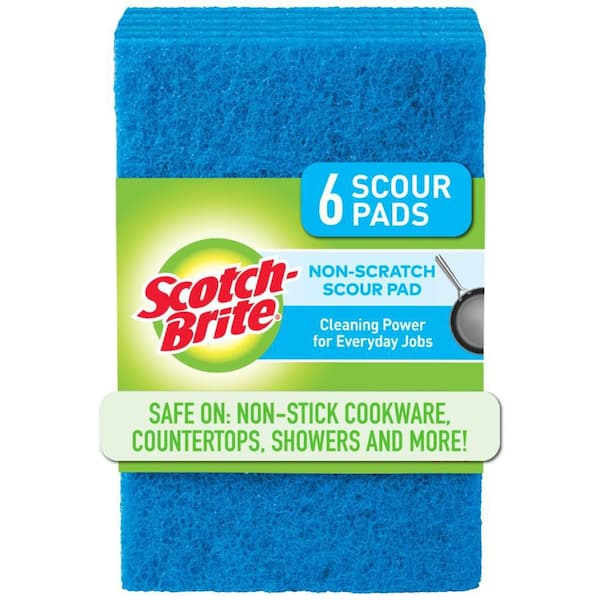
Probably the most recognized brand, Scotch-Brite offers many types of non scratch pads, including classic blue pads, scrub dot designs, and heavy-duty options. Widely available in supermarkets.
Scrub Daddy
Known for their smiley-face sponge, Scrub Daddy also makes non scratch scrubbers. Their polymer foam changes texture with water temperature—firm in cold, soft in warm.
Mr. Clean Magic Eraser
Famous for melamine foam pads that erase marks with just water. Best for walls and hard surfaces, not for regular dishwashing.
O-cedar
Offers a range of non scratch sponges and pads, often with ergonomic designs and eco-friendly options.
Casabella
Casabella’s pads are known for their stylish look and focus on recycled materials.
3m
3M, the parent company of Scotch-Brite, also supplies non scratch pads to commercial kitchens and janitorial services.
Lesser-known Brands
House brands from stores like Target, Walmart, and Costco offer budget non scratch pads that work well for everyday cleaning.
Before picking a brand, check reviews and product labels to ensure the pad is truly non scratch and fits your cleaning needs.
Cost And Value
The price of non scratch scouring pads varies depending on brand, material, and package size.
- Single pads: $1–$2 each for brand-name products
- Multipacks: $4–$10 for 6–12 pads
- Specialty pads: Melamine or microfiber pads may cost more per pad but may last longer
Buying in bulk usually saves money. However, cheaper pads might wear out faster or not be as gentle as advertised.
Tips For Getting The Best Results
- Use the right pad for each job: Have separate pads for dishes, counters, and bathrooms.
- Don’t over-scrub: Let the pad and cleaner do the work; extra pressure can cause wear.
- Replace regularly: Old pads can scratch and may spread germs.
- Avoid harsh chemicals: Most non scratch pads work with just dish soap and water.
- Clean pads between uses: Prevents bacteria and odors.
Safety Precautions
While non scratch pads are generally safe, always check care instructions for delicate items. Some surfaces, like polished granite, require special cleaners. Don’t use pads on skin or for medical cleaning.
Keep pads out of reach of children and pets, especially if they contain cleaning agents or scents.
Recent Innovations In Non Scratch Scouring Pads
The cleaning industry is always evolving. Some of the latest advances include:
- Antibacterial pads: Treated to resist bacteria growth between uses, keeping them fresher longer.
- Compostable pads: Made from plant fibers, these break down in compost piles.
- Custom shapes: Pads designed for bottle necks, corners, or with built-in soap reservoirs.
- Smart color-coding: Pads in different colors for different rooms or surfaces, to avoid cross-contamination.
Some manufacturers now publish third-party scratch tests, giving consumers more confidence in their claims. For detailed science behind pad materials, check out resources like Wikipedia.
Frequently Asked Questions
What Surfaces Are Safe For Non Scratch Scouring Pads?
Most non scratch pads are safe for nonstick pans, glass, ceramic, stainless steel, and plastic. Always test on a small area first if you’re unsure. Avoid on antique, painted, or very soft surfaces unless the pad is specifically labeled safe.
How Often Should I Replace My Non Scratch Scouring Pad?
Replace your pad when it starts to smell, fall apart, or feel rougher than new. For regular kitchen use, this might be every 1–3 weeks, depending on how much you clean and what you scrub.
Can I Wash Non Scratch Scouring Pads In The Dishwasher?
Many pads can be cleaned in the top rack of the dishwasher. Check the package instructions. Melamine foam pads may break down in the dishwasher, so hand wash those.
Are Non Scratch Pads Safe For Use On Car Paint?
Most non scratch pads are too abrasive for car paint. Use only pads or mitts labeled safe for automotive finishes, or use a soft microfiber cloth. For wheels or glass, non scratch pads may be suitable.
What’s The Difference Between A Non Scratch Pad And A Regular Sponge?
A non scratch pad has special fibers or coatings to scrub without scratching, while a sponge is usually just for wiping or soaking. Some sponges have a non scratch side, combining both functions.
—
Non scratch scouring pads make cleaning faster, safer, and more effective, especially when you know what to look for and how to use them correctly. By understanding the materials, types, and best practices, you can protect your surfaces and keep your home looking its best.
With a little care in choosing and using the right pad, you’ll spend less time worrying about scratches—and more time enjoying the shine.

Credit: us.e-cloth.com