
Many people want to protect the environment, even when choosing finishes for their wood projects. Danish oil is a popular choice for finishing wood furniture, countertops, and crafts. But is it really an eco-friendly option? This question is not simple. Let’s explore what Danish oil is, how it is made, its environmental effects, and whether you should use it if you care about sustainability.
What Is Danish Oil?
Danish oil is a wood finish that combines natural oils and synthetic ingredients. It is usually made from a blend of tung oil or linseed oil, mixed with varnish and mineral spirits. The exact formula changes between brands, but most products have these main parts:
- Drying oil (like tung or linseed)
- Varnish (usually polyurethane or alkyd resin)
- Solvents (often mineral spirits)
When you apply Danish oil to wood, it soaks into the surface and hardens, giving the wood a warm, natural look. It also protects the wood from water and stains.
People like Danish oil because it’s easy to use, brings out the wood’s beauty, and does not leave a thick film like paint or varnish. But the mix of natural and synthetic chemicals means the eco-friendliness of Danish oil is complicated.
How Is Danish Oil Made?
To understand Danish oil’s environmental impact, it helps to know how its main ingredients are made.
Drying Oils
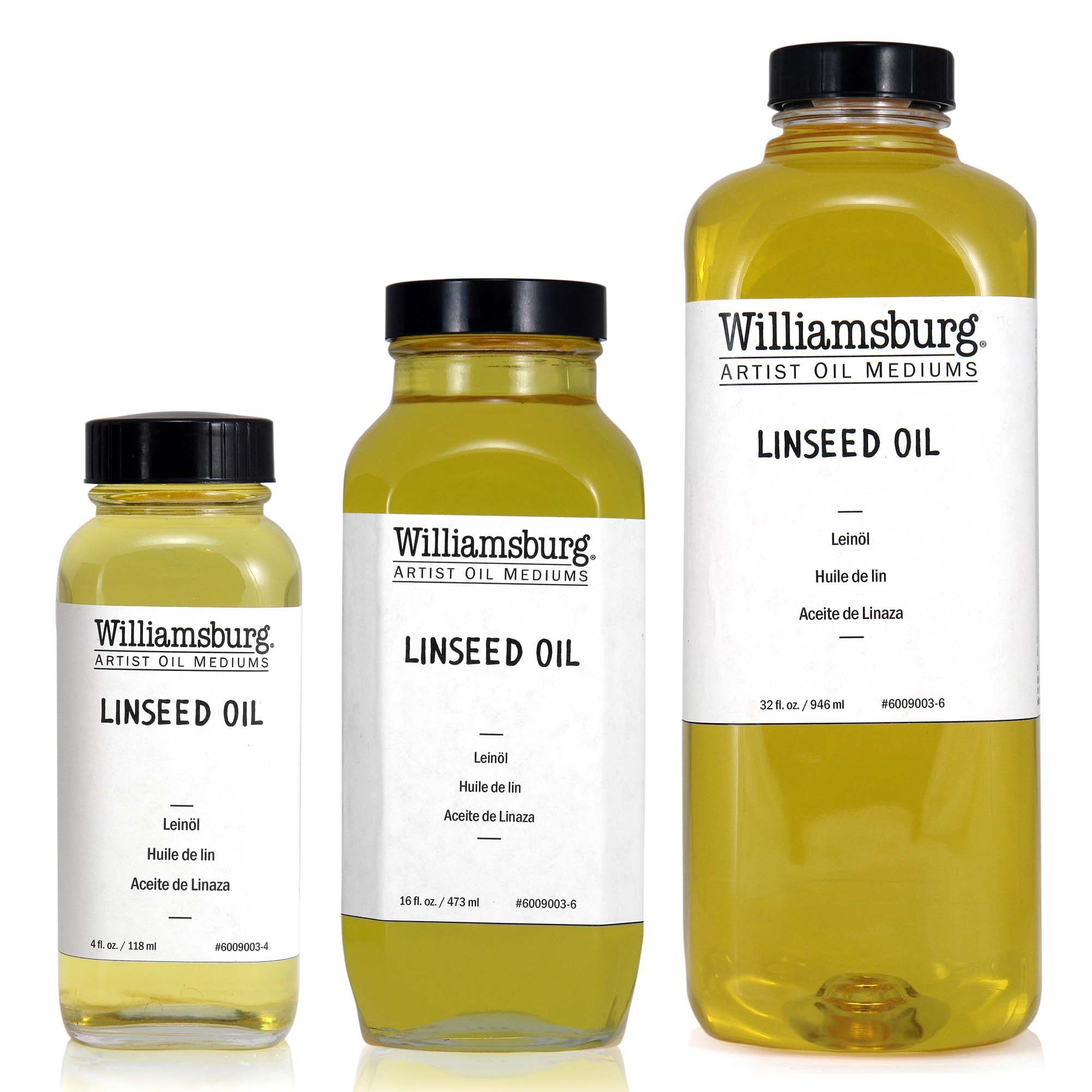
Linseed oil comes from the seeds of the flax plant. It is pressed from the seeds, filtered, and sometimes boiled to improve drying. Flax is a renewable crop, but linseed oil production uses land, water, and energy.
Tung oil is extracted from the seeds of the tung tree, mostly grown in China. It is also plant-based and renewable, but farming and transport have environmental costs.
Varnish
Varnish in Danish oil is usually based on alkyd resin (made from plant oils and synthetic chemicals) or polyurethane (a plastic). Making these resins uses fossil fuels, chemicals, and energy, which produce greenhouse gases and waste.
Solvents
Most Danish oils contain mineral spirits as a solvent. Mineral spirits are made from petroleum, a non-renewable resource. They help the oil penetrate wood and dry faster, but they also release volatile organic compounds (VOCs) into the air, which can harm both people and the environment.

Credit: www.amazon.ie
Environmental Impact: Ingredient By Ingredient
Let’s look more closely at each part of Danish oil and how it affects the environment.
Renewable Vs. Non-renewable Ingredients
- Natural oils (linseed, tung) are renewable and biodegradable. They break down in the environment with little harm.
- Varnish and solvents are made from petroleum, which is non-renewable. These chemicals can pollute air, water, and soil.
Voc Emissions
VOCs are chemicals that evaporate into the air when you use Danish oil. VOCs can cause smog, damage lungs, and contribute to climate change. Most hardware store Danish oils have between 300–500 grams of VOCs per liter, which is considered moderate. Some eco brands offer “low-VOC” or “VOC-free” Danish oil alternatives.
Biodegradability
Pure linseed or tung oil will eventually biodegrade (break down naturally). But Danish oil contains synthetic resins and solvents, which are much slower to break down and may leave microplastics or chemical residue.
Production And Transport
- Farming flax or tung trees uses land, water, and sometimes pesticides.
- Making solvents and resins uses fossil fuels, creates CO2, and can pollute water.
- Shipping ingredients and the final product adds more emissions.
Comparing Danish Oil To Other Wood Finishes
It’s easier to judge Danish oil’s eco-friendliness by comparing it to other finishes. Here’s a look at how Danish oil stacks up against some common alternatives.
| Finish Type | Renewable Ingredients | VOC Content | Biodegradability | Production Impact |
|---|---|---|---|---|
| Danish Oil | Partial (some plant oils) | Medium | Low to Medium | Medium |
| Pure Linseed/Tung Oil | High (all plant) | Low | High | Low |
| Polyurethane | None | High | Low | High |
| Water-Based Poly | None | Low to Medium | Low | High |
| Wax Finish | Medium (beeswax, carnauba) | Low | Medium to High | Low to Medium |
As you can see, Danish oil is usually greener than polyurethane but less green than pure oils or natural wax.
Credit: www.serinar.it
The Issue Of Vocs In Danish Oil
Most Danish oils are not zero-VOC. When you open the can and apply the oil, VOCs like toluene, xylene, and benzene can enter the air. These chemicals not only pollute but can make you dizzy, irritate your lungs, or even harm your nervous system with long-term exposure.
- Indoor air pollution is a concern if you use Danish oil in a closed space.
- Some countries have limits on VOC levels in wood finishes.
- “Natural” or “eco” Danish oils often have lower VOCs, but always check the label.
It’s worth noting that even after drying, some finishes keep releasing small amounts of VOCs for weeks.
How Does Danish Oil Perform In Terms Of Safety?
For Users
When using Danish oil, you should:
- Wear gloves to protect your skin.
- Work in a well-ventilated area.
- Let rags dry outside (oily rags can spontaneously catch fire).
Danish oil is not food-safe unless it is fully cured and the brand says so. Most Danish oils are not recommended for cutting boards or items that touch food.
For The Environment
- Used rags and leftover oil can be hazardous waste.
- Never pour leftover Danish oil down the drain.
- Check local rules for how to dispose of oil and rags safely.
Many people forget that even natural-looking finishes can have chemicals that harm wildlife if they get into streams or soil.

Credit: www.export.kaiserkraft.com
Are There Eco-friendly Danish Oils?
Some brands focus on greener Danish oil formulas. These may use:
- Bio-based solvents (from citrus, soy, or pine)
- No synthetic varnish (just natural resins and waxes)
- Low or zero VOC (less air pollution)
Look for certifications like Green Seal, Ecolabel, or USDA BioPreferred. These third-party labels mean the product has passed certain eco tests.
But be careful: “Natural” or “eco” on the label does not always mean the product is truly green. Check the full ingredient list.
The Lifecycle Of Danish Oil
To judge if Danish oil is environmentally friendly, look at its entire lifecycle:
- Raw materials – How are the oil, resin, and solvent sourced? Are they renewable? Is farming or drilling involved?
- Manufacturing – Does making the oil create a lot of waste or pollution?
- Packaging – Is the can recyclable? Is it plastic or metal?
- Transport – How far did the oil travel?
- Use – Does it release VOCs? Is it safe for people and pets?
- End of life – Does it break down naturally, or does it leave microplastics or toxins?
Most Danish oils rate medium on this scale. They are better than pure synthetic finishes but not as green as pure natural oils.
Real-world Examples: Danish Oil On Wood Projects
Imagine you want to finish a wooden table. You can use Danish oil, pure linseed oil, or polyurethane.
With Danish oil:
- The table looks rich and natural.
- The finish will last longer than pure oil but not as long as polyurethane.
- You need to reapply every year or two.
- You release some VOCs during application.
With pure linseed oil:
- The finish is softer, less water-resistant.
- Almost no VOCs.
- Needs frequent reapplication.
- Fully biodegradable.
With polyurethane:
- Very durable and water-resistant.
- High VOCs.
- Leaves a plastic-like film.
- Harder to repair or refresh.
If you want a balance of durability and a natural look with moderate eco impact, Danish oil is a fair choice. But if you want the greenest option, pure plant oil or wax is better.
Common Misconceptions About Danish Oil And The Environment
People often think Danish oil is fully natural or safe for the planet because it has “oil” in its name. This is not always true.
- Myth: Danish oil is just linseed or tung oil.
Fact: Most brands add synthetic varnish and solvents.
- Myth: All Danish oil is food safe.
Fact: Only some brands are certified food safe.
- Myth: “Natural” on the label means eco-friendly.
Fact: Some “natural” products still have petroleum-based chemicals.
- Myth: Danish oil is zero-VOC.
Fact: Most have moderate VOCs unless labeled otherwise.
How To Choose A More Environmentally Friendly Danish Oil
If you want to use Danish oil but lower your impact, try these tips:
- Choose low-VOC or zero-VOC brands. Read the product’s technical sheet.
- Look for bio-based solvents. Citrus or soy solvents are greener than mineral spirits.
- Pick recyclable packaging. Metal cans are easier to recycle than plastic.
- Use only what you need. Don’t buy a large can if you only need a little.
- Dispose of waste correctly. Dry out rags before tossing them, and never pour leftovers down the drain.
- Ventilate your workspace. This helps protect your health and reduces indoor air pollution.
When Is Danish Oil A Good Eco Choice?
Danish oil makes sense if:
- You want a balance between durability and eco-friendliness
- You are finishing furniture, not kitchenware or toys
- You choose a low-VOC brand
- You are careful with waste and application
It is not the greenest option, but it’s better than many synthetic finishes.
Danish Oil Vs. Other Eco-friendly Wood Finishes
Let’s compare Danish oil to some common eco alternatives.
| Finish | Main Ingredients | Durability | Eco-Friendliness | VOC Level |
|---|---|---|---|---|
| Danish Oil | Plant oil, resin, solvent | Medium | Medium | Medium |
| Pure Linseed/Tung Oil | Plant oil | Low to Medium | High | Low |
| Shellac | Lac bug resin, alcohol | Medium | High | Medium |
| Water-Based Polyurethane | Plastic resin, water | High | Low | Low to Medium |
| Hardwax Oil | Plant oil, wax | Medium | Medium to High | Low |
Pure oils and shellac are better for the environment but may not protect as well as Danish oil. Hardwax oils are a middle ground, often using natural oils and wax with low VOCs.
Non-obvious Insights About Danish Oil And Sustainability
Many beginners miss these key points:
- Even a small amount of solvent can have a big impact. Just a few ounces of mineral spirits can pollute thousands of gallons of water if poured down a drain.
- Eco-labeled products are not always perfect. Some “eco” Danish oils still use synthetic resins for durability.
- Durability matters. A longer-lasting finish means you use less product over time, which lowers your overall environmental impact.
Alternatives For The Eco-conscious Woodworker
If you want to avoid Danish oil, consider:
- Pure tung oil or linseed oil (just oil, no solvents)
- Hardwax oils (look for plant-based, low-VOC brands)
- Shellac (natural resin, alcohol-based)
- Beeswax or carnauba wax (for low-use surfaces)
Always check for third-party certifications and read ingredient lists.
What Do The Experts Say?
According to the U.S. Environmental Protection Agency (EPA), using low-VOC or VOC-free wood finishes is better for both indoor air quality and the environment. The EPA recommends looking for products certified by the Green Seal or Greenguard programs (EPA Safer Choice).
Woodworking experts agree that pure natural oils are best for the environment, but they also say that a finish must protect the wood, or else you may waste the wood itself—a bigger eco problem.
Making Your Own “greener” Danish Oil
Some woodworkers make their own blend at home to avoid unnecessary chemicals. A simple recipe uses:
- 1 part pure tung or linseed oil
- 1 part citrus solvent (like d-Limonene)
- Optional: Add a little beeswax for extra protection
This mix is lower in VOCs and more biodegradable than store-bought Danish oil. But always test it on a small piece of wood first.
Is Danish Oil Recyclable Or Compostable?
- Unused oil should be taken to a hazardous waste center, not recycled or composted.
- Empty metal cans can be recycled if they are dry and clean.
- Cured oil on wood will not compost well because of the synthetic resin.
How To Minimize Environmental Impact When Using Danish Oil
To be as green as possible:
- Buy only what you need to avoid waste.
- Choose low-VOC or bio-based options.
- Apply in thin coats so less oil is used.
- Let oily rags dry flat outside before throwing them away (to avoid fires).
- Never pour leftover oil or solvent into the drain or soil.
Summary: Is Danish Oil Environmentally Friendly?
Danish oil is not the most environmentally friendly wood finish, but it is not the worst either. It is better than many synthetic finishes because it uses some renewable oils and creates a natural look. However, the solvents and synthetic resins mean it is not fully green.
If you want a more eco-friendly choice, look for:
- Low or zero-VOC formulas
- Bio-based solvents and resins
- Third-party environmental certifications
And always use Danish oil carefully and dispose of waste responsibly.
Frequently Asked Questions
Is Danish Oil Safe For The Environment?
Danish oil is safer than pure plastic finishes but still contains petroleum-based solvents and resins. It releases VOCs and should not be poured down the drain. Some eco versions are safer, but pure plant oils are greener.
Does Danish Oil Have A Lot Of Vocs?
Most Danish oils have a moderate amount of VOCs (300–500 g/L). There are low-VOC and zero-VOC versions available, but you should always check the label before buying.
Can I Use Danish Oil On Cutting Boards Or Kitchen Items?
No, most Danish oils are not food-safe because they contain synthetic resins and solvents. For cutting boards, use a finish specifically labeled as food-safe, like pure mineral oil or pure tung oil.
How Do I Dispose Of Danish Oil Safely?
Let oily rags dry completely outside before throwing them away to prevent fires. Take leftover oil to a hazardous waste center. Never pour Danish oil into drains, soil, or regular trash.
Is There A Greener Alternative To Danish Oil?
Yes. Pure linseed oil, tung oil, hardwax oil (plant-based), and shellac are all greener options. They have lower VOCs and use more renewable ingredients. Always check for eco certifications for best results.