
The best table saw blade for plywood is an 80-tooth Hi-ATB, thin-kerf blade for clean edges.
You cut a sheet of birch ply and the veneer explodes into splinters. The edge looks furry. You try tape, slower feed, even a sacrificial fence—but it still chips. I’ve been there, rebuilding drawer fronts after a “quick cut” went wrong. The right blade truly changes everything. With the best table saw blade for plywood, you get smooth, almost glassy edges, less sanding, and fewer do-overs. Below, I break down the top choices I trust on cabinet jobs, closet systems, built-ins, and melamine shelving, with clear pros, cons, and who each blade fits best.

Freud LU80R010: 10″ Ultimate Plywood…
Specs: Arbor 5/8″, Diameter 10″, Grind Hi-ATB, Hook Angle 2°, Kerf .126″, Plate .087″, Teeth 80 Premium TiCo Hi-Density Carbide Crosscutting Blend for Maximum Performance High Alternate Top Bevel (HiATB)Tooth…

Diablo Fine Finish Saw Blade…
Shock Resistant Design -azing reinforces carbide tips to withstand high impact, making this blade suitable for demanding jobs.

Freud Thin Kerf Ultimate Plywood…
Flawless Finish Cuts – Designed for ultra-smooth, chip-free edges in veneered plywood, fine moldings, melamine, laminates, and crosscuts in solid woods, ideal for finish carpentry and cabinetmaking. Premium TiCo Carbide…
Freud LU80R010 Plywood & Melamine 10″ Blade

This is the blade I reach for when the edge must be flawless. The Freud LU80R010 uses a high-angle ATB tooth shape that slices veneer before it lifts, which keeps chip-out to a whisper. On prefinished birch, maple ply, and melamine, it leaves a crisp, bright edge that needs little to no sanding. It’s purpose-built for fine crosscuts and panel work.
The plate is stiff and stays flat at speed, which helps when you’re pushing a big panel across the table. Premium carbide holds an edge for a long time, and it sharpens well. If you run a cabinet saw, this full-kerf blade tracks like it’s on rails. It’s a pro choice when you want the best table saw blade for plywood without compromise.
Pros:
- Hi-ATB grind gives near-zero chip-out on veneer and melamine
- Stiff, stable plate resists deflection for dead-straight cuts
- Premium carbide lasts long and can be resharpened many times
- Smooth, almost glass-like edges reduce sanding time
- Excellent for fine crosscuts and cabinet-grade plywood
- Runs cool and clean with minimal pitch buildup
Cons:
- Full-kerf design prefers a stronger, 15-amp or cabinet saw
- Slower on thicker rips; it’s a finish blade first
- Premium price compared to basic 60T options
My Recommendation
If you build cabinets, closets, or furniture and want a perfect edge, this is hard to beat. It’s the best table saw blade for plywood when you need clean veneer on both faces and a finish that looks machined. It also excels on melamine, which many blades struggle with. If your saw has the power, invest here and save time on every panel you cut.
| Best for | Why |
|---|---|
| Cabinet-grade plywood edges | Hi-ATB teeth shear veneer cleanly with minimal chip-out |
| Melamine and laminates | Tooth geometry and stable plate keep fragile faces intact |
| Cabinet saws and stationary setups | Full kerf resists deflection for laser-straight results |
Diablo D1060X 10″ 60T Fine Finish Blade

The Diablo D1060X is a sweet spot for many users. It’s a 60-tooth ATB blade with a thin kerf, so it runs happily on jobsite saws and leaves a clean edge on plywood. For trim carpenters and DIYers, it delivers impressive cut quality without the cost of a dedicated 80T melamine blade. It’s a strong daily-driver for mixed woodwork.
The coating helps reduce friction and pitch buildup, which I see most on resin-heavy sheet goods. It won’t match an 80T Hi-ATB on the fussiest veneers, but it gets close with a zero-clearance insert. If you want the best table saw blade for plywood on a budget, this blade will surprise you with smooth, ready-to-finish edges.
Pros:
- Great balance of cost and finish quality
- Thin kerf is easy on portable and jobsite saws
- Clean edges on plywood and hardwood crosscuts
- Coating keeps the blade cool and reduces gumming
- Easy to find and reliable for everyday use
Cons:
- Not as flawless on melamine as a dedicated 80T Hi-ATB
- Edges may need a light pass with sandpaper on tricky veneer
- Carbide life is good but not “industrial” long
My Recommendation
I recommend this to remodelers, DIYers, and trim pros who want one blade that handles plywood very well and still crosscuts solid wood cleanly. It is often the best table saw blade for plywood if you value speed, lower load on small saws, and solid finish in one package. Add a zero-clearance insert and you’ll push your results even further.
| Best for | Why |
|---|---|
| Budget-friendly fine cuts | 60T ATB gives smooth edges without premium cost |
| Lower-power saws | Thin kerf reduces motor strain and burning |
| Mixed wood projects | Works on plywood and solid wood with clean results |
Freud LU79R010 Thin Kerf 10″ 80T Blade

Think of this as the performance of the LU80 in a package friendlier to portable saws. The LU79R010 is a thin-kerf, 80-tooth Hi-ATB blade built to deliver cabinet-grade edges with less load. On plywood and melamine, it’s superb. You get the delicate slicing action of high-angle teeth with the efficiency of a narrow kerf.
I like this blade for jobsite tables that still need furniture-level results. The plate tracks well, and the anti-vibration features keep the cut quiet. If you push too fast, any thin-kerf blade can deflect, so use steady feed and support your sheets. For many, this is the best table saw blade for plywood when you own a lighter saw but demand premium edges.
Pros:
- Thin kerf 80T means premium finish with less motor strain
- Hi-ATB teeth shear veneer cleanly across the face
- Excellent on melamine and prefinished ply
- Quiet, low-vibration cuts when properly supported
- Holds an edge for a long run between sharpenings
Cons:
- Requires smooth, steady feed to prevent deflection
- Slower for rips; best as a crosscut/panel blade
- Pricey compared to entry-level blades
My Recommendation
If you run a compact or contractor saw and want refined results, this is a standout. It brings top-tier veneer control to lighter machines, making it a top pick for the best table saw blade for plywood in small shops. Use a zero-clearance insert and proper blade height and you’ll love the edge quality.
| Best for | Why |
|---|---|
| Portable/jobsite saws | Thin kerf reduces load while keeping cut quality high |
| Veneered plywood | 80T Hi-ATB leaves a crisp, clean edge |
| Melamine shelving | Tooth geometry helps prevent chipping on brittle faces |
FOXBC 10″ 80T Ultra Finish Blade

This 80-tooth blade aims to deliver a fine edge for less. It’s a solid option if you’re just getting started with plywood work and want better cuts than a general blade can give. On cabinet-grade ply, it makes a clean pass when the saw is set up right. I use it as a backup or for rougher shop tasks that still need a good finish.
The carbide isn’t as hefty as premium brands, so expect to sharpen or replace more often. Still, with a zero-clearance insert and slow feed, you can get tidy edges for shelves, shop fixtures, and basic built-ins. If you want the best table saw blade for plywood on a tight budget, this makes a reasonable entry point.
Pros:
- Affordable way to step up from a combo blade
- 80 teeth help reduce tear-out on veneer
- Fits standard 5/8″ arbor table and miter saws
- Good as a dedicated plywood backup blade
- Decent results with proper setup and feed
Cons:
- Carbide is smaller; edge life is shorter
- Not as consistent as top-tier pro blades
- Melamine chip-out control is only fair
My Recommendation
For hobbyists building shop cabinets or simple furniture, this blade can deliver clean plywood cuts without a big spend. It isn’t the absolute best table saw blade for plywood, but it offers good value if you’re learning and dialing in your setup. Keep your fence square, support your sheet, and let the teeth do the work.
| Best for | Why |
|---|---|
| Budget-conscious projects | Gives fine results at a low price |
| Backup blade duty | Handy when the primary blade is out for sharpening |
| Shop fixtures and shelves | 80T reduces tear-out on everyday plywood |
CMT 221.060.10 10″ 60T TCG Blade

For laminates, melamine, and composite sheet goods, a TCG grind can shine. This CMT blade uses a triple-chip geometry that resists chipping on hard, brittle faces and holds up under long runs. It’s built with an industrial mindset, so the plate is flat and the coating fights heat and resin. If you cut a lot of melamine, this earns a spot in the rack.
On veneer plywood, it gives a smooth edge, though an 80T Hi-ATB can be a touch finer. The upside is durability and predictable tracking through tough material. For shops that mix plywood with laminates, this blade hits a smart balance. It can absolutely be the best table saw blade for plywood if you also see lots of melamine on the schedule.
Pros:
- TCG grind excels on melamine and laminates
- Industrial build with stable plate and precise bore
- Coating reduces friction and heat for longer life
- Durable carbide stands up to abrasive sheet goods
- Consistent, quiet cut when supported well
Cons:
- 60T TCG is slightly less “polished” on veneer than 80T Hi-ATB
- Higher cost than entry-level options
- Not ideal for heavy rip work
My Recommendation
If you handle both melamine and plywood, this blade is a workhorse choice. It’s a great pick for the best table saw blade for plywood in cabinet shops that need durability and reliable edges day after day. Use it when you want clean cuts and long intervals between sharpenings.
| Best for | Why |
|---|---|
| Melamine-heavy projects | TCG teeth resist chipping on brittle surfaces |
| Mixed sheet goods | Handles laminates and veneer with solid results |
| Long production runs | Coating and carbide hold up under heat and resin |
DEWALT DWA11080 10″ 80T Fine Finish
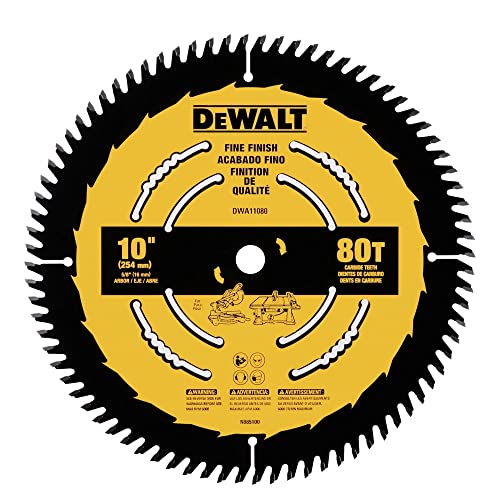
This DEWALT 80T is a dependable “bring it to the job” plywood blade. It produces a smooth edge on most veneer plys and does well with crosscuts in hardwood too. The plate runs true, and I’ve found the carbide tips hold up better than you expect at the price. If you want a familiar name and reliable finish, it’s a safe pick.
It’s not a dedicated melamine killer, but with a zero-clearance insert and steady feed, it handles prefinished stock nicely. For many pros, this becomes the go-to on site when the cut has to look sharp the first time. It’s often called the best table saw blade for plywood for remodel jobs where speed, price, and a clean edge all matter.
Pros:
- 80 teeth give very smooth plywood edges
- Good durability for the cost
- Reliable tracking and low vibration
- Widely available and easy to replace
- Works for fine crosscuts in hardwoods
Cons:
- Not specialized for melamine; care helps avoid chip-out
- May show pitch buildup faster than coated blades
- Full kerf prefers a strong saw
My Recommendation
Pick this if you want clean plywood cuts at a fair price from a brand you trust. It’s the best table saw blade for plywood for many remodelers and DIYers who need solid, repeatable results without shopping boutique brands. Keep it clean and it will reward you with crisp edges.
| Best for | Why |
|---|---|
| Jobsite plywood cuts | 80T edge quality with dependable durability |
| Remodel and trim work | Good crosscuts in both sheet goods and solid wood |
| Value-minded pros | Solid finish without premium pricing |
10″ 80T TCT Fine Finish Blade
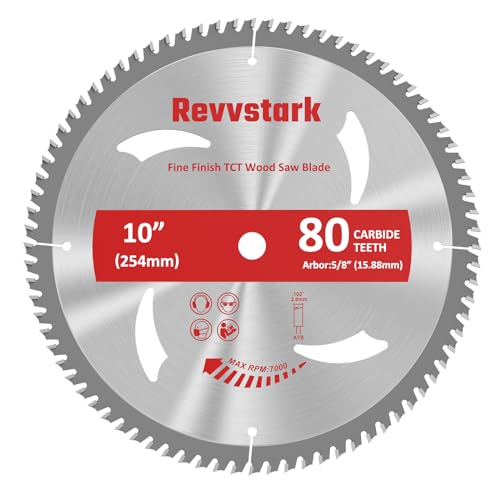
This 80T TCT blade targets fine finishes at a low cost. It’s a straightforward choice for occasional plywood cuts, shop projects, and one-off builds. With the right setup, it can give you a clean, respectable edge. If you’re upgrading from a rough 24T or 40T blade, you’ll notice a big jump in surface quality.
Carbide longevity and plate stiffness aren’t at the top tier, but for weekend work, it gets the job done. Use a slow, steady feed and keep the blade height just high enough to clear the teeth. For many first-time cabinet projects, it’s a simple route to the best table saw blade for plywood effect without the higher spend.
Pros:
- Low-cost path to fine finish cuts
- 80 teeth help tame veneer tear-out
- Good for table or miter saw crosscutting
- Easy to replace or keep as a spare
- Light load if kerf is on the thinner side
Cons:
- Shorter life; may dull faster than pro blades
- More sensitive to feed technique and setup
- Only fair on melamine without extra steps
My Recommendation
Choose this if you need a fine-finish blade for a limited budget or short project. It won’t beat premium models, but it can still be the best table saw blade for plywood in a pinch when technique and setup are on point. Tape the cut line and use a zero-clearance insert to push it further.
| Best for | Why |
|---|---|
| First cabinet project | 80T edge improves results versus general-purpose blades |
| Occasional plywood cutting | Good finish without high investment |
| Backup or spare blade | Handy to swap in during sharpening cycles |
Ryltanks 10″ 3-Pack: 32T/60T/80T

Blade sets help you match teeth to the task. This 3-pack includes 32T for framing rips, 60T for fine crosscuts, and 80T for ultra-fine panel work. For plywood, you’ll live on the 80T, but the 60T is also handy for fast, clean cuts. It’s a value way to learn how tooth count changes the cut.
Carbide quality is mid-tier, but swapping blades as needed gives you better outcomes than forcing one blade to do it all. Keep the 32T for rough work and save the 80T for finish edges. If you’re building out a shop on a budget, this bundle can deliver the best table saw blade for plywood effect when you put the 80T to work.
Pros:
- Versatile set covers rough to ultra-fine cuts
- Great value for new woodworkers
- 80T blade improves plywood edges
- Standard 5/8″ arbor fits common saws
- Learn-by-doing with tooth counts and cut quality
Cons:
- Carbide and plate not at pro-level durability
- Melamine still needs careful technique
- Rough rips from the 32T need cleanup
My Recommendation
If you’re starting out or outfitting a garage shop, this set makes sense. Use the 80T for panel edges, the 60T for general fine work, and the 32T for ripping. It’s a simple path to the best table saw blade for plywood performance without buying multiple premium blades at once.
| Best for | Why |
|---|---|
| New woodworkers | Teaches how tooth count affects finish |
| Budget shops | Three blades for the price of one premium |
| All-around cutting | Swap to match rips, crosscuts, and plywood |
Diablo D0860X 8-1/4″ 60T Blade
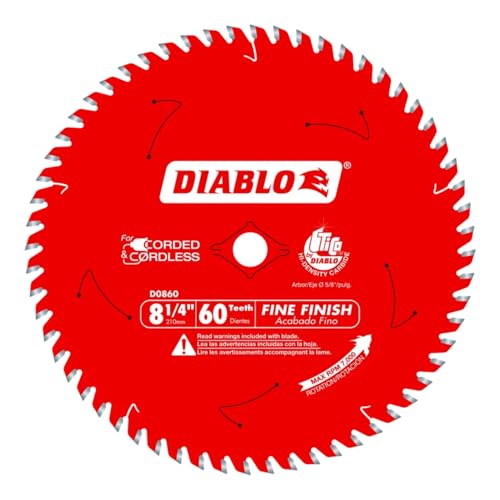
Compact jobsite saws with 8-1/4″ blades are everywhere now. This Diablo brings fine finishes to that size class. With 60 ATB teeth and a slick coating, it slices plywood cleanly and keeps the motor happy. For on-site built-ins and closet systems, it’s a smart match.
While 80T blades aren’t common in this diameter, the 60T here performs admirably on veneer ply. Add a zero-clearance insert and support the sheet, and your edges will look sharp. For anyone using a smaller saw, this is often the best table saw blade for plywood you can drop in without adapters.
Pros:
- Designed for 8-1/4″ compact saws
- Smooth edges on plywood and trim stock
- Coating reduces friction and heat
- Thin kerf is easy on small motors
- Good everyday finish performance
Cons:
- Not as ultra-fine as an 80T in 10″
- Can deflect if pushed too hard
- Limited blade options in this size
My Recommendation
If your saw takes 8-1/4″ blades, this one is a top-tier choice. It gives you clean plywood edges with low strain and great control. For compact saw users, this is the best table saw blade for plywood that balances finish and efficiency in a smaller diameter.
| Best for | Why |
|---|---|
| Compact jobsite saws | Sized right; thin kerf preserves power |
| On-site cabinet installs | Clean edges for visible panels and shelves |
| DIY projects with small saws | Easy upgrade to a fine finish cut |
Luckyway 10″ 80T 2-Pack Blade

Two blades in one pack means less downtime. This 80T pair is a smart choice when you’re batch-cutting plywood and need to swap fast. It delivers a fine edge at a wallet-friendly price. Keep one on the saw and one in the drawer, and you’re always ready.
Edge quality is solid for veneer plywood when you run a clean setup. For melamine, add tape or a scoring pass to minimize chip-out. If you want the best table saw blade for plywood value, this 2-pack is a practical way to stay productive through a full weekend build.
Pros:
- Great value with two 80T blades
- Nice finish on veneer plywood
- Convenient for long build sessions
- Fits table and miter saws with 5/8″ arbor
- Easy to rotate during sharpening
Cons:
- Carbide life is moderate
- Melamine control needs extra care
- Plate may ring louder than premium blades
My Recommendation
Pick this if you’re cutting lots of plywood in one push and want a spare ready to go. It’s a sensible “value stack” if you’re chasing the best table saw blade for plywood results without pausing for sharpening. For shop cabinets, closet systems, and shelves, it punches above its price.
| Best for | Why |
|---|---|
| Batch plywood cuts | Two blades keep work moving without downtime |
| Budget builds | Fine finish at a low per-blade cost |
| Weekend projects | Always have a fresh 80T ready for clean edges |
FAQs Of best table saw blade for plywood
What tooth count is best for plywood?
Use 80T for the cleanest edges. A 60T can work with a zero-clearance insert and slow feed.
Which grind reduces chip-out the most?
Hi-ATB grinds slice veneers very cleanly. TCG grinds are great for melamine and laminates.
Do I need a thin-kerf blade?
Thin kerf helps on lower-power saws. Full kerf is best for powerful cabinet saws and stiffness.
How can I get cleaner cuts on melamine?
Use a Hi-ATB or TCG blade, a zero-clearance insert, tape the line, and feed slowly.
What blade height works best?
Set the blade so the gullets clear the material slightly. Too high can increase tear-out.
Final Verdict: Which Should You Buy?
If you want the crispest veneer edges, go with the Freud LU80R010. It’s my premium pick for cabinet-grade work and the best table saw blade for plywood when finish trumps speed.
Running a lighter saw? The Freud LU79R010 thin-kerf or Diablo D1060X are smart, clean-cutting choices. Both deliver strong results while keeping your motor happy.