
Use Type I/II PVA for wood; vinyl trim bonds best with vinyl or polyurethane adhesives.
You have freshly cut crown, a clean miter, and a deadline. The right adhesive can make that trim look tight today and stay tight for years. The wrong one? Gaps, peel-backs, and callbacks. I’ve hung miles of trim in real homes with real messes, and I know how confusing glue choices get. In this guide, I break down the best type of glue to use for wood and vinyl trim, why it works, and when to use it. I’ll also share pro tips that save time and prevent costly mistakes—so your trim looks sharp from day one and still looks sharp in year ten.

Gorilla Ultimate Waterproof Wood Glue,…
Use indoors or outdoors: Give your indoor or outdoor projects a Gorilla Tough bond with waterproof Ultimate Gorilla Wood Glue (passes ANSI/HPVA Type I), our most durable wood glue Extended…
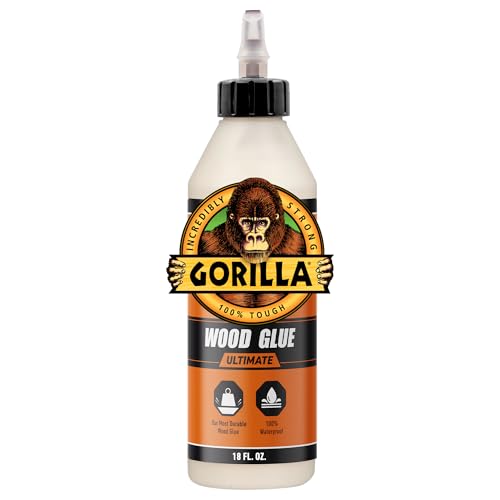
Gorilla Ultimate Waterproof Wood Glue,…
MOST DURABLE WOOD GLUE: 100% waterproof Ultimate formula bonds hardwoods, softwoods, and natural wood composites and withstands exposure to water, sun, and extreme temperatures EXTENDED WORKING TIME: Up to 15…
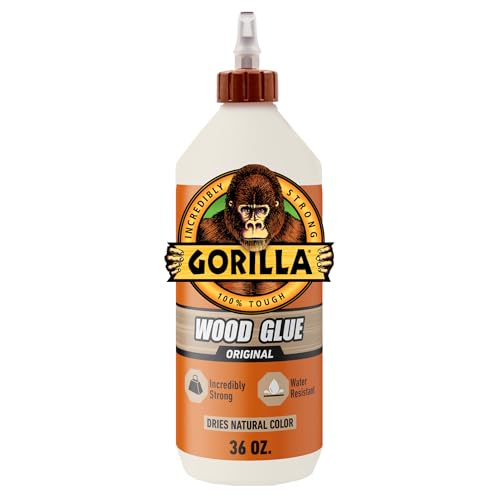
Gorilla Wood Glue, Natural Wood…
Complete projects fast: Our wood glue only requires 20-30 minutes of clamp time and is fully cured in 24 hours Use indoors or outdoors: Give your indoor or outdoor project…
Gorilla Ultimate Waterproof Wood Glue, 8 oz

When I need wood-to-wood bonds that handle weather, I reach for this. Gorilla’s Ultimate Waterproof Wood Glue is a cross-linking PVA that passes top-tier waterproof testing. Think exterior doors, porch trim, and window casings. It dries a natural wood color, sands clean, and resists creep, so tight joints stay tight.
What stands out is how forgiving the open time is while still setting quickly. You can spread, align, and clamp without panic. Once cured, it handles seasonal swell and shrink better than basic PVAs. It is the best type of glue to use for wood and vinyl trim projects where wood is the primary material, and vinyl only plays a small accent role nearby.
Pros:
- Top-tier waterproof rating for exterior applications
- Natural wood color dries clean and sands well
- Good open time with reliable set
- Strong, creep-resistant bond line
- Great for miters, scarf joints, and laminated profiles
Cons:
- Not designed for vinyl-to-vinyl bonding
- Requires proper clamping for best results
- Short shelf life once opened if stored hot
My Recommendation
If you install wood trim indoors or out, this bottle earns a spot in your caddy. It shines on crown, baseboard, window stools, and apron returns. For mixed materials, use it on the wood interfaces and pair with a compatible adhesive on any vinyl portions. In my experience, the best type of glue to use for wood and vinyl trim often means a combo: this for wood-to-wood and a vinyl-specific or polyurethane adhesive for vinyl pieces.
| Best for | Why |
|---|---|
| Exterior wood trim | Waterproof PVA passes demanding tests |
| Miter and scarf joints | Low creep and strong cured bond |
| Sanding and finishing | Dries a natural wood color |
Gorilla Ultimate Waterproof Wood Glue, 18 oz
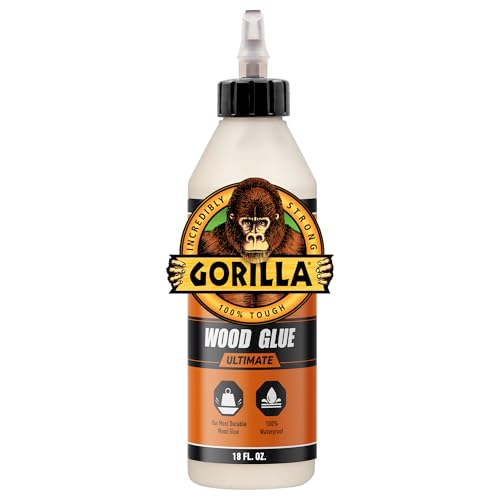
Same waterproof formula, bigger bottle. If you build door casings or long runs of base and you hate mid-job refills, the 18 oz size is efficient. The adhesive delivers a strong, Type I-level water barrier when cured. That gives peace of mind on sills, bath trim, and mudroom beadboard caps.
The viscosity makes spreading smooth without drips. Clean squeeze-out with a damp rag before it skins. If you are shopping the best type of glue to use for wood and vinyl trim and you do mostly wood, this size hits a sweet spot for daily use without the bulk of a gallon.
Pros:
- Waterproof performance for outdoor or wet zones
- Convenient size for frequent trim installs
- Good tack without starved joints
- Reliable clamps-to-cure timeline
- Professional-looking results under paint or stain
Cons:
- Not a vinyl-to-vinyl adhesive
- Can thicken in cold shops, needs room temp
- Must clamp for structural joints
My Recommendation
Choose this if you work in kitchens, baths, or entryways where splashes and steam happen. For vinyl transitions or PVC bead accents, marry this glue with a polyurethane or a true vinyl adhesive. The best type of glue to use for wood and vinyl trim is rarely one bottle; pick this for wood, and add a vinyl-friendly partner to your kit.
| Best for | Why |
|---|---|
| High-moisture rooms | Waterproof bond resists swelling and gaps |
| Daily trim work | 18 oz is efficient and manageable |
| Paint-grade or stain-grade | Neutral cured color sands clean |
Gorilla Wood Glue, 36 oz
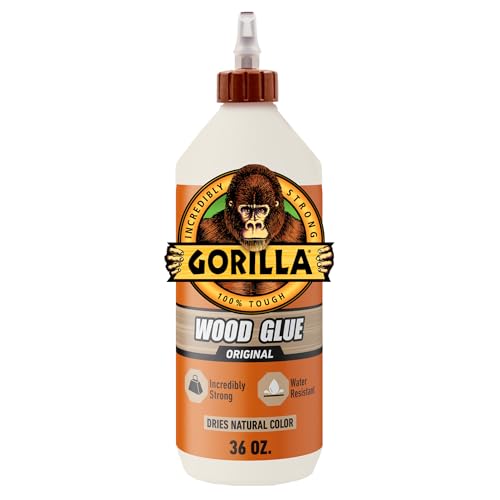
This is the classic water-resistant PVA wood glue many pros trust. It’s rated for indoor and some outdoor use (Type II water resistance). For baseboards, chair rails, and door casings, this gives strong bonds with predictable clamp times. It dries to a light wood tone and sands easily.
Use it for miter returns and scarf joints where you can clamp or pin-nail while it sets. For vinyl, pair it with a vinyl-appropriate adhesive. When I explain the best type of glue to use for wood and vinyl trim to clients, I call this the “workhorse for wood,” not the “do-all for plastic.” That frame helps avoid mishaps.
Pros:
- Reliable Type II water resistance
- Great value for high-volume woodwork
- Predictable set and cure times
- Easy cleanup while wet
- Good for indoor trim of all kinds
Cons:
- Not ideal for constant exterior exposure
- Not designed for vinyl or PVC
- Needs clamping or pinning on springy joints
My Recommendation
Pick this for interior wood trim where moisture is moderate. It’s a cost-effective, dependable pick. For any vinyl-to-wood contact points, switch to a polyurethane or specialized vinyl adhesive. That mix is the best type of glue to use for wood and vinyl trim without surprises.
| Best for | Why |
|---|---|
| Interior wood trim | Strong PVA with Type II rating |
| Budget-conscious projects | Big bottle lowers per-job cost |
| Paint-grade finishing | Light color and sandability |
Gorilla Wood Glue, 4 oz (2-Pack)

Small bottles, big convenience. I keep these in a trim bag for punch lists and onsite repairs. Same water-resistant formula as the larger sizes. The twist cap makes it easy to dispense a thin bead on small moldings and shoe trim.
If you only install a few rooms a month or do DIY weekends, this size stays fresh longer. Less waste, fewer clogs. It’s not a vinyl glue, but combined with a vinyl-friendly adhesive, it fits nicely in the best type of glue to use for wood and vinyl trim toolkit you’ll actually carry.
Pros:
- Portable and easy to control
- Type II water-resistant PVA
- Less waste for occasional users
- Great for small miters and returns
- Clean squeeze-out and sanding
Cons:
- Not for vinyl-to-vinyl or PVC
- Higher cost per ounce than larger sizes
- May run out on long glue-ups
My Recommendation
Get the 4 oz two-pack for detail work and tight spaces. It’s ideal for coping ends, fixing micro-gaps, or gluing tiny returns before pinning. Round it out with a vinyl or polyurethane adhesive, and you’ve got the best type of glue to use for wood and vinyl trim without lugging a gallon.
| Best for | Why |
|---|---|
| Punch-list fixes | Compact bottles reduce mess |
| Small moldings | Easy flow control for thin beads |
| Weekend projects | Stays fresh with occasional use |
Andersen Vinyl-to-Vinyl Glue, 2 oz

Vinyl trim needs different chemistry. This clear, purpose-made vinyl-to-vinyl adhesive bites into PVC and similar plastics. Think screen door splines, vinyl window stops, weatherstripping ends, and small PVC trim details. It dries clear and bonds where wood glues simply fail.
Prep matters. Wipe the vinyl with isopropyl alcohol, scuff lightly with 220 grit, and apply a thin, even bead. For the best type of glue to use for wood and vinyl trim when vinyl touches vinyl, this is a go-to. It gives fast tack and a durable hold without yellowing.
Pros:
- Designed for vinyl-to-vinyl bonding
- Dries clear for clean joints
- Fast tack reduces clamping needs
- Excellent for small PVC trim details
- Stays flexible enough for minor movement
Cons:
- Small bottle for larger projects
- Not for wood-to-wood joints
- Ventilation needed; has a solvent odor
My Recommendation
If your project includes vinyl stops, returns, or caps, keep this on hand. It solves a problem wood glue can’t. For vinyl to wood, switch to a polyurethane adhesive to bridge the materials. That pairing reflects the best type of glue to use for wood and vinyl trim in real-world installs.
| Best for | Why |
|---|---|
| Vinyl-to-vinyl joints | Purpose-made chemistry for PVC |
| Clear finish needs | Dries transparent |
| Quick fixes | Fast tack, minimal clamping |
Titebond Instant Bond Thick CA, 2 oz

Cyanoacrylate (CA) glue in a thick formula is a trim lifesaver. It sets in seconds and fills tiny gaps. I use it to tack stubborn miter returns, hold small rosettes in place, or stabilize delicate profiles before nailing. The thick version doesn’t run, so you get precise placement.
With an activator, you can lock joints instantly, then follow up with wood glue in hidden areas if needed. For vinyl detail pieces, CA can work with proper prep, but it is brittle under movement. It’s part of the best type of glue to use for wood and vinyl trim strategy when speed matters and the joint is protected.
Pros:
- Sets in seconds for fast progress
- Thick gel controls squeeze-out
- Great for tiny returns and profiles
- Works on many materials with prep
- Pairs well with activator for instant sets
Cons:
- Brittle if the joint flexes
- Short open time; plan before applying
- Fumes can irritate eyes; ventilate
My Recommendation
Use this as your “third hand.” Tack, align, and move on. Ideal for decorative details, especially when a clamp won’t fit. Combine it with wood glue or polyurethane in stress zones. That layered method is often the best type of glue to use for wood and vinyl trim in tricky corners.
| Best for | Why |
|---|---|
| Instant tacking | Sets in seconds with or without activator |
| Tiny returns | Thick gel resists runs |
| Hidden joints | Fast hold until main adhesive cures |
Weldbond Multi-Surface Adhesive, 14.2 oz
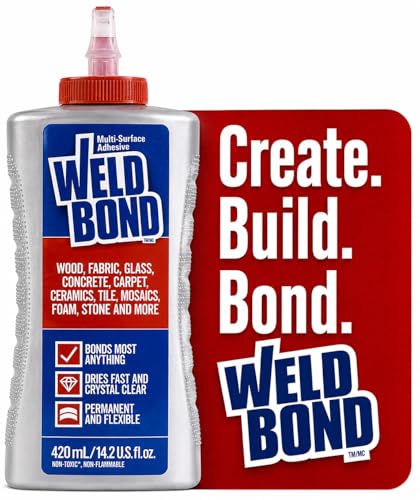
Weldbond is a versatile PVA-style adhesive known for bonding many porous surfaces. It’s handy for shop jigs, wood trims, and mixed craft projects. It dries clear, sands well, and cleans up with water. For wood-to-wood in low to moderate moisture, it is dependable.
For vinyl, results vary. It can bond some rigid plastics with scuffing, but it isn’t ideal for flexible PVC or high-movement joints. I treat Weldbond as a solid generalist for wood and other porous trim elements, not my first pick for vinyl. In a kit built around the best type of glue to use for wood and vinyl trim, this is your “do-lots-well” bottle for wood-heavy work.
Pros:
- Clear-drying, easy to sand
- Strong on porous materials like wood
- Great general-purpose adhesive for the shop
- Water cleanup and low odor
- Good for light trim repairs
Cons:
- Not ideal for flexible vinyl or PVC
- Lower water resistance than top-tier PVAs
- Needs longer clamp times on dense woods
My Recommendation
Use Weldbond when you want a clear-drying PVA for wood and other porous trim pieces. Skip it for vinyl, or test first on rigid PVC with scuffing. To cover all bases, pair it with a vinyl or polyurethane adhesive. That lineup gets you closer to the best type of glue to use for wood and vinyl trim across a wide range of tasks.
| Best for | Why |
|---|---|
| Clear-dry wood joints | Transparent cure hides lines |
| Porous materials | Excellent PVA grip on wood and craft media |
| Light-duty repairs | Easy cleanup and low odor |
Gorilla Wood Glue, 1 Gallon

If you run large baseboard or crown jobs, gallons make sense. This is the same water-resistant PVA wood glue at a contractor-friendly size. Transfer it to small squeeze bottles, and you’ll save per ounce while keeping daily bottles topped off. It’s dependable for interior trim and some covered exterior spots.
Keep the main jug sealed to preserve shelf life. Store at room temperature. For the best type of glue to use for wood and vinyl trim at scale, add a polyurethane or vinyl adhesive beside this gallon, and you can walk into any trim job ready.
Pros:
- Best value per ounce for pros
- Consistent water-resistant performance
- Easy to decant to smaller bottles
- Strong bonds on soft and hardwoods
- Reliable finish under paint and stain
Cons:
- Bulky container; needs decanting
- Not for vinyl plastics
- Can spoil if stored hot or frozen
My Recommendation
Buy the gallon if you install trim weekly. You will cut costs and avoid running dry mid-room. Keep a vinyl-to-vinyl adhesive and a polyurethane on the same shelf. That trio nails the best type of glue to use for wood and vinyl trim for most homes I work in.
| Best for | Why |
|---|---|
| High-volume trim work | Lower cost and fewer refills |
| Interior wood joints | Proven PVA strength and set |
| Shop stocking | Decant to smaller bottles for daily use |
Gorilla Dries Clear Wood Glue, 4 oz (2-Pack)

Sometimes you want the seam to vanish. This clear-drying PVA is clutch for light woods and painted trim where any amber tone would show. It keeps a discreet joint line even if a hair of glue remains after sanding. It’s water resistant and cleans with water before it cures.
For wood-to-wood trim in visible spots, I like this formula. It’s not the pick for vinyl-to-vinyl, but it pairs well with a polyurethane or vinyl adhesive in mixed-material projects. If you are chasing the best type of glue to use for wood and vinyl trim by appearance, this is a strong, clear choice for the wood side.
Pros:
- Dries clear for invisible seams
- Good water resistance
- Great for light woods and paint-grade
- Easy squeeze control in 4 oz size
- Clean sanding with minimal clogging
Cons:
- Not for vinyl-to-vinyl joints
- Small bottles for larger projects
- Requires clamping for best strength
My Recommendation
Use this when final appearance matters most. Ideal for light maple, pine, and MDF trim that will get a bright finish. Add a vinyl or polyurethane adhesive to cover plastic elements. That combo stays within the best type of glue to use for wood and vinyl trim when looks and strength both count.
| Best for | Why |
|---|---|
| Clear seam work | Transparent cure hides mistakes |
| Light woods | No amber tint |
| Small, precise joints | Compact bottle controls flow |
Grizzly Glue One Polyurethane, 16 oz

Polyurethane glue is my go-to for bonding dissimilar materials. It adheres to wood, some plastics, and many composites. It cures with moisture, expands slightly to fill micro-gaps, and finishes as a tough, waterproof bond. That makes it ideal for vinyl-to-wood transitions where a PVA won’t hold.
Prep is key: clean, scuff the vinyl, and lightly dampen the wood before applying. Clamp firmly because expansion can push joints apart if you let it. For many installers, a polyurethane is the best type of glue to use for wood and vinyl trim when those two meet on a single run.
Pros:
- Excellent for dissimilar materials, including vinyl to wood
- Waterproof once cured
- Gap-filling expansion for imperfect fits
- Strong, durable outdoor performance
- Good temperature resistance
Cons:
- Foaming expansion needs cleanup
- Stains skin; wear gloves
- Shorter shelf life after opening
My Recommendation
If your trim plan mixes PVC shoe or vinyl quarter round with wood base, use a polyurethane. It sticks where PVA falls short. Control squeeze-out and clamp well. In many hybrid installs, this is the best type of glue to use for wood and vinyl trim because it unites the two materials reliably.
| Best for | Why |
|---|---|
| Vinyl-to-wood bonds | Adheres to both surfaces strongly |
| Exterior transitions | Waterproof and durable |
| Imperfect joints | Foam fills micro-gaps |
FAQs Of best type of glue to use for wood and vinyl trim
What is the best adhesive for wood-to-wood trim?
Use a PVA wood glue rated Type II or Type I for moisture resistance. It gives strong, clean joints that sand and finish well.
How do I glue vinyl trim to wood?
Use a polyurethane adhesive. Clean and scuff the vinyl, lightly dampen the wood, apply, and clamp to control expansion.
Can I use wood glue on vinyl?
No. PVA wood glues do not bond vinyl well. Choose a vinyl-to-vinyl adhesive or polyurethane for vinyl-to-wood.
Will CA (super glue) work on trim?
Yes, for small parts and quick tacking. It sets fast but is brittle, so avoid flexing joints or pair it with a main adhesive.
Do I need to clamp vinyl-to-wood joints?
Yes. Polyurethane expands as it cures. Clamping prevents joint lift and gives a stronger bond line.
Final Verdict: Which Should You Buy?
For wood-to-wood, grab a PVA like Gorilla Ultimate Waterproof. It’s strong, sands well, and stands up to moisture.
For vinyl-to-wood or vinyl-to-vinyl, add a polyurethane like Grizzly Glue and a vinyl adhesive like Andersen VTV. That mix is the best type of glue to use for wood and vinyl trim in real homes.