
Removing oil-based stains from wood can be challenging, whether it’s a cherished piece of furniture, hardwood flooring, or a decorative wooden item. Oil-based stains penetrate deep into the wood fibers, making simple wiping or washing ineffective. Many people feel frustrated when regular cleaning methods fail, leading to worries about permanent damage or expensive repairs.
But with the right techniques and some patience, you can restore your wood to its original beauty. This guide explores the most reliable and practical ways to remove oil-based stains from wood, using solutions suitable for both beginners and experienced DIYers.
Understanding Oil-based Stains
Before you start, it’s important to know why oil-based stains are so persistent. Unlike water-based stains, oil-based products soak into the wood, binding with the fibers. This deep penetration makes them resistant to water and soap. If you use the wrong method, you might spread the stain or push it deeper.
Knowing the type of wood and finish is also essential, as some cleaning agents may damage certain surfaces. For example, unfinished wood absorbs stains more deeply than sealed or varnished wood.
Safety First: Preparing Your Workspace
Working with stain removers and solvents means you need to protect yourself and your environment. Always wear gloves, eye protection, and a mask if using strong chemicals. Open windows for ventilation, and cover nearby surfaces to avoid accidental damage. Keep pets and children away from the work area. Many cleaning products release fumes that can be harmful if inhaled.
1. Blotting Fresh Oil Stains
Acting fast is the best way to handle fresh oil-based stains. The longer you wait, the deeper the stain will set.
- Use a clean, dry paper towel or cloth to blot (not rub) the stain.
- Repeat with new towels until no more oil is absorbed.
- Sprinkle baking soda or cornstarch over the area to draw out remaining oil.
- Let it sit for at least 30 minutes, then vacuum or brush away.
This simple method works well for new spills but may not be effective for old or set-in stains.
2. Dish Soap And Warm Water
For light stains or as a first attempt, dish soap can sometimes lift the oil.
- Mix a few drops of dishwashing liquid with warm water.
- Dampen a soft sponge or cloth (do not soak).
- Gently rub the stained area in the direction of the wood grain.
- Wipe with a clean, damp cloth to remove soap residue.
- Dry with a soft towel.
This method is gentle and safe for most wood finishes. Avoid using too much water as it can warp the wood.
3. Mineral Spirits
Mineral spirits are a mild solvent often used by professionals to remove oil-based stains without damaging the wood finish.
- Wear gloves and ensure good ventilation.
- Dampen a soft cloth with mineral spirits.
- Gently rub the stained area, following the wood grain.
- Wipe off excess with a dry cloth.
- Let the wood air dry.
Mineral spirits are less harsh than paint thinners but still effective. Test on a hidden spot first to check for any adverse reactions.
4. Baking Soda Paste
Baking soda is mildly abrasive and can help lift oil stains from the wood surface.
- Mix baking soda with a few drops of water to make a thick paste.
- Apply the paste to the stained area.
- Let it sit for 10–15 minutes.
- Gently rub with a soft cloth.
- Wipe clean with a damp cloth and dry.
This method works best for small, shallow stains. Baking soda is safe for most wood types but always test first.
5. White Vinegar Solution
A solution of white vinegar and water can sometimes break down oil stains.
- Mix equal parts white vinegar and water.
- Dampen a soft cloth with the mixture.
- Gently rub the stained area.
- Wipe clean with a damp cloth and dry.
Vinegar is a natural cleaner but can dull some finishes if used too often. Avoid using it on waxed or unfinished wood.
6. Commercial Wood Cleaners
Many brands offer wood-specific cleaners designed to remove tough stains without damaging the surface.
- Follow the instructions on the label.
- Test on a small, hidden area first.
- Use a soft cloth to apply and remove the product.
These cleaners can be more expensive, but they are formulated for safety and effectiveness on wood.
7. Acetone Or Nail Polish Remover
For stubborn oil-based stains, acetone can be effective, but caution is required.
- Dampen a cotton ball or cloth with acetone (use nail polish remover if pure acetone is not available).
- Gently dab (do not rub) the stain.
- Quickly wipe with a damp cloth to remove excess.
- Dry the area immediately.
Acetone can remove finishes, so use this method only as a last resort and always test first.
8. Oxygenated Bleach
Oxygenated bleach (such as OxiClean) is safer for wood than chlorine bleach and can help lighten tough stains.
- Mix according to package instructions.
- Apply the solution to the stained area with a sponge.
- Let it sit for 10–15 minutes.
- Wipe clean and dry.
Oxygen bleach is less likely to damage wood but should not be used on dark or antique finishes without testing.
9. Mayonnaise Or Petroleum Jelly
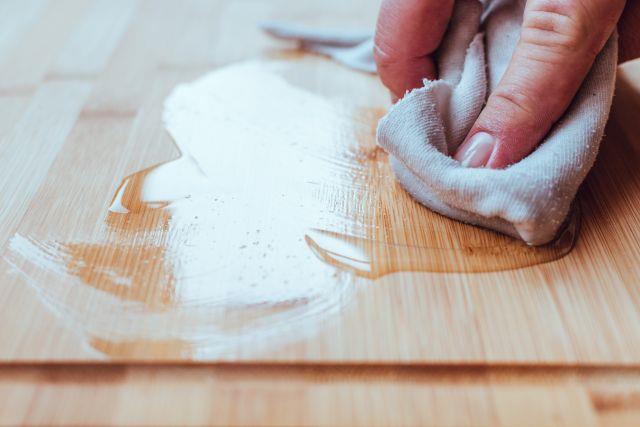
It may sound odd, but mayonnaise and petroleum jelly can sometimes lift oil-based stains.
- Apply a thin layer of mayonnaise or petroleum jelly to the stain.
- Cover with plastic wrap and let sit for several hours or overnight.
- Wipe away with a clean cloth.
- Buff the area with a dry cloth.
The oils in these products can help draw out the original stain. This method is best for small spots.
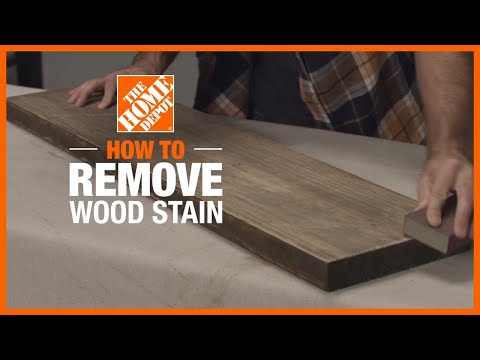
10. Sanding And Refinishing
If all else fails, sanding the area and refinishing may be necessary.
- Use fine-grit sandpaper (220 grit) to gently sand the stained area.
- Wipe away dust.
- Apply matching wood stain or finish to blend the area.
This method removes both the stain and a thin layer of wood, so use it only when other methods don’t work. It is ideal for deep or old stains.
Credit: www.homedepot.com
Comparing Common Stain Removal Methods
It’s helpful to see how these methods compare in terms of effectiveness, safety, and difficulty.
| Method | Effectiveness | Safety | Difficulty |
|---|---|---|---|
| Blotting Fresh Stains | Moderate (if quick) | Very Safe | Easy |
| Dish Soap & Water | Moderate | Very Safe | Easy |
| Mineral Spirits | High | Safe (with care) | Moderate |
| Baking Soda Paste | Moderate | Very Safe | Easy |
| White Vinegar | Low to Moderate | Safe | Easy |
| Acetone | High | Less Safe | Moderate |
| Oxygenated Bleach | Moderate | Safe | Moderate |
| Mayonnaise/Petroleum Jelly | Low | Safe | Easy |
| Sanding & Refinishing | Very High | Safe (with mask) | Difficult |
When To Call A Professional
Some oil-based stains are too deep or stubborn for home remedies, especially on valuable or antique wood. Signs you may need professional help include:
- Stains that cover a large area or have soaked through the wood
- Wood with a delicate or historic finish
- Previous failed attempts that have damaged the wood
Professionals have access to advanced tools and chemicals that can remove stains without further damage. If you value the piece, it’s better to invest in expert help than risk irreversible harm.
Preventing Future Oil-based Stains
Prevention is the best solution. Here are practical steps to protect your wood surfaces:
- Use coasters, placemats, and tablecloths to catch spills before they reach the wood.
- Apply a protective finish or sealant to exposed wood.
- Clean up spills immediately with a soft, dry cloth.
- Place felt pads under items that might leak oil, such as lamps or decorations.
- Avoid placing oily items directly on wood surfaces.
A little prevention saves time, money, and frustration later.
Key Factors Affecting Stain Removal
Not every wood surface will respond the same way to stain removal methods. Here are the main factors that affect your success:
- Type of wood: Softwoods (like pine) absorb stains more deeply than hardwoods (like oak).
- Finish: Sealed or varnished wood is easier to clean; unfinished wood is more porous.
- Age of stain: Fresh stains are easier to remove than old, set-in stains.
- Previous treatments: If the wood has been cleaned before, leftover chemicals can affect new treatments.
If you’re not sure what type of wood or finish you have, start with the mildest method and increase strength only if needed.
Credit: www.property24.com
Non-obvious Insights For Beginners
Many beginners believe that more scrubbing equals better results. In reality, scrubbing too hard can scratch or dull the wood surface. Always use soft, gentle motions. Another common mistake is using household cleaners that contain ammonia or bleach. These products can discolor or damage wood, making the stain worse.
Another overlooked tip: after any cleaning, re-oil or re-wax your wood if the finish has been removed. This keeps the wood nourished and prevents drying or cracking.
Practical Example: Removing An Oil Stain From A Dining Table
Imagine you spilled salad oil on your wooden dining table. Here’s how you could handle it:
- Blot the oil immediately with paper towels.
- Sprinkle baking soda over the area and let it sit for 30 minutes.
- Vacuum or brush away the powder.
- If the stain remains, rub gently with mineral spirits using a soft cloth.
- Wipe with a damp cloth and dry thoroughly.
- If the finish dulls, apply furniture polish to restore shine.
This step-by-step approach prevents further damage and gives you the best chance of removing the stain completely.
Comparing Solvents For Oil-based Stain Removal
Different solvents work better for different situations. Here’s a quick look at some common options:
| Solvent | Main Use | Risks | Best For |
|---|---|---|---|
| Mineral Spirits | General oil stain removal | May affect some finishes | Most finished wood |
| Acetone | Stubborn, old stains | Removes finishes | Unfinished or re-finished wood |
| White Vinegar | Light stains | May dull finish | Sealed wood |
| Oxygen Bleach | Deep stains | May lighten wood color | Light woods |
Key Mistakes To Avoid
Removing oil stains from wood is tricky, and common mistakes can make things worse:
- Rubbing the stain: This spreads the oil and can force it deeper.
- Using too much water: Excess water can warp or swell the wood.
- Skipping the test: Always try your cleaning method on a small, hidden spot first.
- Not drying the area: Leaving the wood damp can cause more stains or damage.
- Using harsh chemicals: Strong cleaners can strip finishes or change the wood’s color.
Credit: mipainting.com.au
Recommended Products And Tools
Some products and tools make the process easier and safer:
- Microfiber cloths: Gentle on wood and absorb well.
- Soft-bristled brushes: Help apply pastes or solutions without scratching.
- Furniture polish or wax: For restoring shine after cleaning.
- Protective gloves: Essential when working with chemicals.
- Ventilated mask: Important for strong fumes.
For reliable product choices, check reviews on reputable sources like Good Housekeeping.
How To Restore Wood Finish After Stain Removal
After using solvents or abrasive methods, you may notice dullness or light spots. Restoring the finish is important:
- Apply wood conditioner or a thin layer of furniture oil.
- Buff with a clean, soft cloth in circular motions.
- If needed, apply a matching wood stain with a brush or sponge, then wipe off excess.
- Finish with a coat of furniture wax or polish for shine and protection.
Let the finish dry completely before placing any items on the surface.
Environmental Considerations
Some solvents and cleaners can harm the environment if not disposed of properly. Always:
- Use eco-friendly products when possible.
- Dispose of used cloths, solvents, and chemicals at local hazardous waste centers.
- Avoid pouring chemicals down the drain.
Protecting your health and the environment is as important as saving your furniture.
How To Handle Antique Or Valuable Wood
Antique wood can be especially sensitive to modern cleaners. For valuable pieces:
- Consult a professional before attempting cleaning.
- Avoid strong chemicals and abrasives.
- Use the mildest method possible (like blotting and gentle soap).
- Document the process with photos, in case you need professional help later.
Frequently Asked Questions
What Is The Safest Way To Remove Oil-based Stains From Wood?
The safest way is to blot the fresh stain with a paper towel, then use a baking soda paste or mild dish soap and water. These methods are gentle and unlikely to damage the wood or finish.
Can I Use Bleach To Remove Oil Stains From Wood?
Regular bleach is not recommended, as it can damage the wood fibers and strip color. Oxygenated bleach is safer but should still be tested first.
Will Removing The Oil Stain Also Remove The Wood Finish?
Strong solvents like acetone or sanding can remove both the stain and the finish. Always test in a small spot and be prepared to refinish the area if needed.
What Should I Do If The Wood Looks Dull After Cleaning?
Apply a wood conditioner, furniture oil, or wax to restore moisture and shine. Buff gently with a soft cloth to bring back the original finish.
How Long Should I Wait Before Using The Wood Surface Again?
After cleaning and drying, wait at least 24 hours before using the surface. This ensures all moisture and cleaning agents have evaporated and the finish has fully set.
Removing oil-based stains from wood is not always simple, but with the right approach, you can save your favorite pieces and keep your home looking its best. Remember, patience and gentle methods are key. For more advanced guidance on wood care, you can visit the Wood Magazine website.