Laser Distance Meter: A Complete Guide For Beginners And Professionals
Accurate distance measurement is critical in construction, engineering, interior design, and many other industries. In the past, people used tape measures or measuring wheels, which were slow and sometimes inaccurate over long distances. Today, the laser distance meter has revolutionized how we measure spaces—making the process faster, safer, and much more precise.
But what exactly is a laser distance meter? How does it work? How do you choose the right one for your needs? This article explains everything you need to know, using simple language and practical examples. Whether you’re a homeowner, a contractor, or just curious, you’ll find real answers here.
What Is A Laser Distance Meter?
A laser distance meter (sometimes called a laser rangefinder) is a handheld tool that uses a laser beam to measure the distance between itself and a target point. Instead of stretching a tape, you point the device at a wall or object, press a button, and get an instant reading—often with an accuracy of just a few millimeters.
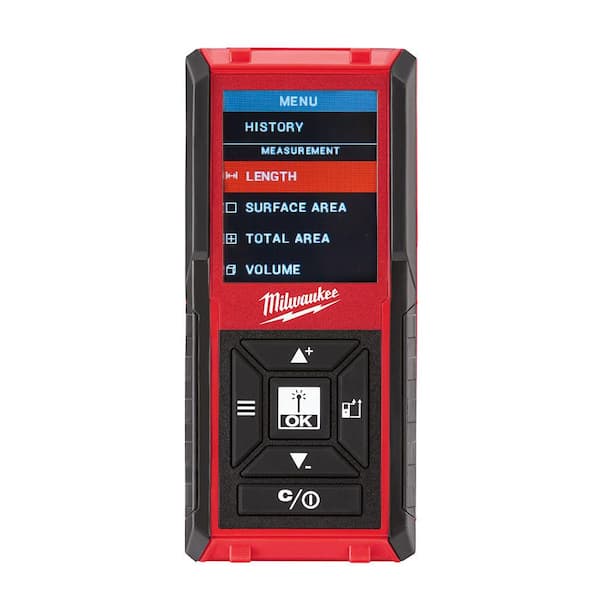
The tool displays the result on a digital screen. Most models can measure not only distances, but also calculate area, volume, and even indirect measurements using the Pythagorean theorem.
How Does A Laser Distance Meter Work?
Laser distance meters use a simple principle called time of flight. When you press the button, the device sends out a pulse of laser light. This pulse travels to the target, bounces back, and returns to the device. The meter measures how long it takes for the light to make the round trip. Since the speed of light is known, the device can calculate the distance with high accuracy.
Some advanced models use a phase-shift method, where the device compares the phase of the emitted and received beams. However, for most basic and mid-range meters, the time-of-flight principle is standard.
Key Features Of Laser Distance Meters
When choosing a laser distance meter, several features make a difference in usability and performance:
- Measurement Range: This tells you the maximum distance the device can measure accurately. Typical ranges are from 30 meters (98 feet) to over 300 meters (984 feet).
- Accuracy: Most devices offer accuracy between ±1 mm and ±3 mm.
- Display: A clear, backlit display is important for reading results in bright or dark environments.
- Memory Functions: Some meters can store previous measurements, which is useful for projects that require multiple readings.
- Calculation Modes: Many meters can calculate area, volume, and indirect heights.
- Bluetooth Connectivity: Advanced models connect with smartphones or tablets to transfer measurements.
- Durability: Rugged, water-resistant designs are essential for construction sites or outdoor use.
- Battery Life: Long battery life or USB rechargeable options make devices more reliable.
Types Of Laser Distance Meters
Laser distance meters come in several varieties, each designed for different users and situations.
Basic Handheld Models
These are small, lightweight, and easy to use. They typically offer a measurement range of up to 40 meters (131 feet) and basic functions like distance, area, and volume measurement. They are perfect for homeowners, interior designers, and real estate agents who need quick room measurements.
Professional Construction Models
Professional models are more robust, with longer ranges (up to 100 meters or more), higher accuracy, and advanced features like Bluetooth, memory storage, and indirect measurement. They are built to survive drops, dust, and water exposure.
Outdoor/long-range Models
These are designed for outdoor use, often with measurement ranges up to 300 meters (984 feet) or more. They have strong laser pointers, viewfinders, and sometimes built-in cameras for aiming at distant targets in bright sunlight.
Specialty Models
Some laser distance meters are designed for specific jobs, such as:
- Surveying: High-end units with tripod mounts, tilt sensors, and advanced data logging.
- Golf/Outdoor Sports: Compact and simple, designed to measure distances on the golf course or in other outdoor activities.
- Integration with Smart Devices: Some models sync directly with mobile apps for instant reporting and sharing.

Credit: tomahawk-tools.myshopify.com
Common Uses Of Laser Distance Meters
Laser distance meters are incredibly versatile. Here are some practical ways they’re used:
- Construction and Carpentry: Accurately measure walls, ceilings, and floors for cutting materials, estimating costs, and planning layouts.
- Real Estate: Quickly calculate the square footage of rooms or entire buildings for listings and appraisals.
- Interior Design: Plan furniture layouts and ensure everything fits perfectly in a space.
- HVAC and Electrical Work: Measure duct and cable runs without climbing ladders or moving obstacles.
- Surveying and Mapping: Take precise readings over long distances in open fields or rough terrain.
- DIY Projects: Perfect for hanging pictures, installing shelves, or remodeling rooms at home.
Key Advantages Over Traditional Measuring Tools
Laser distance meters offer several benefits compared to tape measures and measuring wheels:
- Speed: Instant readings save time, especially on large projects.
- Accuracy: Reduces human error and provides precise results.
- Safety: Measure dangerous or hard-to-reach areas from a distance.
- Convenience: Solo operation—no need for a helper to hold the other end of the tape.
- Data Handling: Some models allow digital storage and transfer of measurements.
Step-by-step: How To Use A Laser Distance Meter
If you’ve never used a laser distance meter before, it’s easier than you think. Follow these steps:
- Power On: Turn on the device and select the measuring mode (distance, area, volume, etc. ).
- Position the Device: Place the device at one end of the distance you want to measure. Most meters measure from the back of the device, but some can switch to measure from the front.
- Aim the Laser: Point the laser at the target surface. Make sure the beam lands on a solid, visible spot.
- Take the Measurement: Press the measure button. The result appears instantly on the screen.
- Record or Store: Write down the measurement, or use the device’s memory/Bluetooth feature to save it.
Practical Tips
- For best results, aim the laser at a flat, light-colored surface.
- Avoid measuring through glass or transparent surfaces, as lasers can pass through or reflect incorrectly.
- If measuring long distances outdoors, use a target plate (a small board or reflective card) for better visibility.
- Clean the laser window regularly for accurate results.
Comparing Laser Distance Meters: Entry-level Vs Professional
Choosing the right laser distance meter depends on your needs and budget. The table below highlights the main differences between entry-level and professional models.
| Feature | Entry-Level | Professional |
|---|---|---|
| Range | Up to 40 meters (131 ft) | Up to 300 meters (984 ft) |
| Accuracy | ±2 mm | ±1 mm |
| Durability | Basic | Rugged, water-resistant |
| Advanced Functions | Basic calculation | Area, volume, indirect height, Bluetooth |
| Price Range | $30–$60 | $100–$400+ |
Important Factors When Choosing A Laser Distance Meter
Selecting a laser distance meter is not just about picking the most expensive one. Consider these factors:
1. Measurement Range
Think about your typical measuring tasks. If you’re working indoors, a 40-meter range is usually enough. For outdoor or large site work, choose a device with a 100-meter or greater range.
2. Accuracy
Most users need accuracy within 2-3 mm, but for fine carpentry or engineering, ±1 mm is better. Always check the manufacturer’s specs.
3. Display And Interface
A bright, backlit screen makes readings easy in any lighting. Simple buttons and clear menus prevent mistakes.
4. Functions
Common functions include:
- Area and volume calculation
- Continuous measurement (track changing distances as you move the device)
- Addition/subtraction (add or subtract measurements for complex layouts)
- Pythagoras/indirect measurement (measure heights or distances you can’t access directly)
5. Durability
If you work outdoors or on construction sites, look for an IP54 or higher rating (protected from dust and water).
6. Connectivity
Bluetooth or USB connection lets you transfer data to your phone or laptop for reporting and sharing.
7. Battery Type
Some meters use standard AAA batteries, while others have rechargeable lithium-ion packs. Rechargeable models are greener and cheaper long-term.
8. Price
You can find reliable meters under $50 for basic needs, but advanced models with more features and greater range cost $150 to $400 or more.
Common Mistakes To Avoid
Even experienced users make mistakes with laser distance meters. Here are pitfalls to watch out for:
- Measuring Through Windows: The laser may pass through glass, giving incorrect readings. Always measure to a solid surface.
- Misaligning the Device: Hold the device steady and perpendicular to the target for accurate results.
- Forgetting Calibration: Some meters require calibration—check the manual.
- Ignoring Battery Levels: Low battery can affect laser strength and accuracy.
- Overlooking Environmental Factors: Bright sunlight, dust, or fog can reduce the visible range and accuracy.
Advanced Features You Might Need
Some laser distance meters come with unique features to solve specific problems:
- Tilt Sensors: Measure angles and calculate true horizontal distances, useful on sloped sites.
- Digital Viewfinders: Built-in camera to aim at distant targets, even in bright light.
- Data Logging: Save hundreds of measurements for large projects.
- Integrated Smartphone Apps: Instantly create floor plans or project reports.
- Tripod Mounts: For stable, long-distance measurements outdoors.
Laser Distance Meter Vs. Other Measuring Tools
How does the laser distance meter compare with other methods? This table summarizes the main differences.
| Tool | Max Range | Accuracy | Speed | Best Use |
|---|---|---|---|---|
| Laser Distance Meter | Up to 300m | ±1-3 mm | Instant | Indoor/Outdoor, Solo Work |
| Tape Measure | Up to 8m | ±2-5 mm | Slow | Short Distances, Small Jobs |
| Measuring Wheel | Up to 1,000m | ±10-50 mm | Medium | Outdoor, Uneven Surfaces |
| Ultrasonic Meter | Up to 15m | ±10-20 mm | Fast | Indoor, Basic Use |
Credit: www.homedepot.com
Real-world Example: Using A Laser Distance Meter On A Renovation Project
Imagine you’re renovating a house. You need to measure each room for new flooring and wall paint. With a tape measure, you’d need a helper and several minutes per room.
With a laser distance meter:
- You walk into a room, stand in one corner, and point the meter at the opposite wall.
- Press a button, and you instantly have the length. Turn and repeat for the width.
- Most meters can now calculate the area (length x width) automatically.
- For walls, measure height and length, and multiply for surface area.
- Results are accurate to within 2 mm, saving time and reducing errors.
For large projects, meters with Bluetooth let you send measurements to a mobile app, where you can create a floor plan and estimate material costs on the spot.
Safety And Maintenance Tips
Laser distance meters are generally safe, but a few precautions help:
- Never point the laser at eyes: Even low-powered lasers can damage vision.
- Keep the lens clean: Dust or fingerprints can affect accuracy.
- Store in a protective case: Prevents damage from drops and moisture.
- Check batteries regularly: Avoid sudden power loss during important measurements.
- Follow manufacturer guidelines: Some meters need recalibration after heavy use.
Environmental Considerations
Laser distance meters are better for the environment than disposable tape measures, but you can make them even greener:
- Choose rechargeable models to reduce battery waste.
- Buy from brands that offer recycling for old devices.
- Use the meter to reduce errors and avoid wasting materials on job sites.
Top Brands And Popular Models
Some well-known brands make reliable laser distance meters. Here are a few favorites:
- Bosch: Known for user-friendly models with robust designs. The Bosch GLM 50 C is popular with contractors.
- Leica: Premium accuracy and advanced features. The Leica DISTO D2 is a favorite for professionals.
- DeWalt: Durable, construction-ready tools. The DW03050 is a solid mid-range choice.
- Stanley: Affordable and simple. Models like the TLM99 are great for homeowners.
- Mileseey: Offers affordable options with good accuracy for DIY users.
- Makita: Reliable, rugged meters for heavy-duty sites.
How To Calibrate And Care For Your Device
Proper calibration ensures your meter stays accurate over time. Most models self-calibrate, but manual calibration may be needed if you drop the device or notice errors.
- Follow the manufacturer’s instructions for calibration.
- Store the device in its case when not in use.
- Check accuracy by measuring a known distance (like a standard room length).
- If the device falls out of calibration, contact the manufacturer for support or repair.
Troubleshooting Common Problems
Laser distance meters are reliable, but issues can occur:
- No Reading: Make sure the laser lands on a solid surface, not glass or a mirror.
- Inconsistent Results: Clean the lens and check for low battery.
- Display Errors: Restart the device and check the user manual for error codes.
- Short Range: Bright sunlight or reflective surfaces can reduce range. Use a target plate or measure at dusk or indoors.
Latest Innovations In Laser Distance Measurement
Technology is always improving. Recent trends include:
- Integration with Building Information Modeling (BIM): Transfer measurements directly to digital blueprints.
- Laser + Camera Hybrid: Capture photos of measured points for documentation.
- Cloud Sync: Instantly back up and share measurements with your team.
- AI Assistance: Some apps can suggest measurement corrections and detect errors.
- Voice Commands: Hands-free operation for complex jobs.
These new features make laser distance meters even more powerful tools in construction, design, and surveying.
Practical Insights Beginners Often Miss
- Reflective Targets Matter: Measuring to a shiny metal surface can cause the laser to scatter, leading to errors. Use a matte target or a special target plate for best results.
- Measure Twice, Save Time: It’s tempting to trust a single measurement, but double-checking with a laser meter takes seconds and can prevent costly mistakes later.
- Understand Reference Points: Some meters measure from the front, others from the back. Always check which reference is set, or your measurements could be off by the length of the device.
Frequently Asked Questions
What Is The Typical Accuracy Of A Laser Distance Meter?
Most laser distance meters offer accuracy within ±1 to ±3 millimeters. Higher-end professional models can be accurate to ±1 mm, while basic models are usually within ±2 mm. Always check the device specifications and test on a known distance for best results.
Can I Use A Laser Distance Meter Outdoors In Bright Sunlight?
Yes, but visibility can be reduced in bright sunlight. Use a target plate or choose a model with a built-in viewfinder or camera for aiming. Some outdoor models have more powerful lasers designed for these conditions.
How Do I Transfer Measurements From My Laser Distance Meter To My Phone?
Many modern meters have Bluetooth connectivity. You can sync with a mobile app to transfer, store, and share your measurements. Check if the device brand offers a free app, or use a compatible third-party app for advanced features.
Is A Laser Distance Meter Safe To Use?
Laser distance meters are safe if used correctly. Never point the laser at anyone’s eyes, and keep the device away from children. The laser power is low, but direct eye exposure can cause damage.
Which Brand Is Best For Laser Distance Meters?
Brands like Bosch, Leica, DeWalt, and Stanley are known for quality and reliability. The best brand depends on your needs and budget. For professional use, Leica and Bosch are top choices; for home use, Stanley and Mileseey offer affordable options. For more details, check this Wikipedia article on laser rangefinders.
Final Thoughts
A laser distance meter is more than a fancy gadget—it’s an essential tool for anyone who values speed, safety, and accuracy in their work. Whether you’re measuring a single room or mapping a construction site, the right device can save hours and reduce costly mistakes. With so many models and features available, it’s important to choose based on your actual needs and to use the tool properly for best results.
If you’re just getting started, remember to read the manual, double-check your measurements, and practice on simple tasks before tackling bigger projects. Over time, you’ll find this tool not only makes your job easier, but also opens new possibilities for efficiency and creativity in design, construction, and everyday tasks.

Credit: www.fluke-direct.com