
Linseed Oil As Varnish: In-Depth Guide for Woodworkers, Artists, and DIYers
Few natural finishes carry the history and versatility of linseed oil. It has protected and beautified wood for centuries, cherished by cabinetmakers, artists, and home renovators. But what makes linseed oil so respected as a varnish? How does it compare to modern alternatives? And how do you use it for the best results?
This article is your comprehensive guide to using linseed oil as a varnish. Whether you’re restoring furniture, finishing an art piece, or protecting outdoor wood, you’ll find clear explanations, expert tips, and practical advice. You’ll learn how linseed oil works, the differences between raw and boiled forms, when and how to apply it, and how to avoid common mistakes.
We’ll even compare linseed oil to other varnishes using easy-to-understand tables.
Let’s explore everything you need to know about linseed oil as varnish—from basics to advanced insights—so you can choose and use it with confidence.
What Is Linseed Oil?
Linseed oil is a natural oil pressed from the seeds of the flax plant (*Linum usitatissimum*). For centuries, people have used it as a drying oil in paints and varnishes. It forms a tough, flexible film when exposed to air, which makes it ideal for protecting wood and other surfaces.
You’ll find two main types:
- Raw linseed oil: Pure, slow-drying, straight from the flaxseed.
- Boiled linseed oil: Treated to dry faster, often with additives.
Both types are widely available at hardware stores, art supply shops, and online.
Why Use Linseed Oil As Varnish?
Choosing a finish for wood or other materials involves many options. Linseed oil stands out for several reasons:
- Natural protection: It penetrates deep into wood, strengthening fibers and repelling water.
- Enhances beauty: It brings out the grain and richness of wood, creating a warm, natural look.
- Easy to use: Application is simple, even for beginners.
- Repairable: Scratches and wear can be fixed without sanding the entire surface.
- Non-toxic (when dry): Unlike some synthetic finishes, dried linseed oil is safe for indoor use.
Many old houses, historic furniture, and classic paintings have been preserved for decades with linseed oil. But it’s not always the best choice—understanding its strengths and weaknesses is key.
Types Of Linseed Oil For Varnishing
Choosing the right type of linseed oil is crucial. Here’s how they differ:
Raw Linseed Oil
Raw linseed oil is pure, unprocessed oil. It dries very slowly—sometimes taking weeks or even months to fully harden.
Pros:
- Deep penetration into wood
- All-natural, with no chemicals
Cons:
- Extremely slow drying
- Can stay sticky if applied too thick
Boiled Linseed Oil
Despite the name, boiled linseed oil isn’t always boiled. Instead, it’s treated with heat and drying agents (like metallic salts) to speed up the process.
Pros:
- Dries in 24–72 hours (much faster)
- Suitable for most woodworking projects
Cons:
- May contain chemical additives
- Slightly less natural than raw oil
Stand Oil
Stand oil is linseed oil heated without air, making it thicker and less likely to yellow. Artists use it for paintings, but it’s also added to wood finishes for a glossy, smooth effect.
Pros:
- Less yellowing over time
- Adds durability and gloss
Cons:
- Harder to apply by itself
- Best used as an ingredient in varnish blends
Table: Linseed Oil Types Compared
| Type | Main Use | Drying Time | Additives | Ideal For |
|---|---|---|---|---|
| Raw | Natural finish, historical restoration | 1–4 weeks | No | Restoration, traditional work |
| Boiled | Wood finishing, indoor/outdoor projects | 1–3 days | Yes | Furniture, decks, crafts |
| Stand | Painting, mixed varnishes | Varies (usually longer) | No | Art, special finishes |
Insight: Beginners often overlook that *boiled linseed oil is not food safe* due to chemical dryers. Raw oil is safer for kitchen items, but still best used with care.
How Linseed Oil Works As A Varnish
When you apply linseed oil to wood, it soaks into the fibers. Over time, it reacts with oxygen in the air—a process called polymerization—and forms a solid, protective film. This layer guards against moisture, dirt, and minor scratches while still letting the wood “breathe.”
Unlike hard, glossy polyurethane, linseed oil creates a satin or matte look. It enhances the wood’s natural color and grain rather than covering it up. This is why antique furniture and musical instruments often have a soft, glowing finish—not a plastic shine.
Where And When To Use Linseed Oil Varnish
Linseed oil is not a “one size fits all” finish. Here are the most common and best uses:
Furniture
It’s ideal for indoor furniture—tables, chairs, cabinets—especially pieces made from hardwoods like oak, walnut, or cherry. The oil brings out the grain and ages beautifully.
Woodworking Projects
Many woodworkers choose linseed oil for small boxes, bowls, carvings, and toys. It’s easy to apply and repair, which makes it good for handmade items.
Tools And Handles
Linseed oil is a traditional favorite for tool handles—axes, hammers, and garden tools. It protects the wood from weather and sweat while improving grip.
Outdoor Wood
You can use linseed oil on decks, fences, and garden furniture, but frequent reapplication is needed. It’s less durable outdoors than synthetic finishes, but perfect for a natural look.
Art And Canvas
Artists use refined linseed oil in oil painting to make paint flow smoothly and add gloss. It’s also used in traditional varnishes for paintings.
Insight: Linseed oil can darken pale woods (like pine) and will yellow over time. If you want a clear finish, consider using a different oil.
How To Apply Linseed Oil Varnish
Applying linseed oil is simple but requires patience. Rushing leads to sticky, uneven surfaces. Here’s a step-by-step method for best results:
1. Prepare The Surface
- Sand the wood smooth with fine-grit sandpaper (180–220 grit).
- Remove all dust with a vacuum or tack cloth.
- The surface must be dry and clean—oil won’t stick to grease or wax.
2. Apply The First Coat
- Pour a small amount of oil onto a lint-free cloth or brush.
- Rub or brush the oil in the direction of the wood grain.
- Apply a thin, even layer—don’t flood the surface.
- Let it soak for 10–20 minutes.
3. Wipe Off Excess
- After soaking, use a clean cloth to wipe off all extra oil.
- The surface should look wet but not sticky or glossy.
4. Drying Time
- Allow the oil to dry fully. For boiled linseed oil, this takes 24–72 hours.
- Raw linseed oil can take a week or more.
5. Repeat Coats
- For best results, apply 2–4 coats.
- Lightly sand with very fine paper (320–400 grit) between coats.
- Wait for each coat to dry completely before applying the next.
6. Final Buffing
- After the last coat, buff the surface with a soft cloth for a subtle sheen.
Table: Linseed Oil Application Steps And Tips
| Step | Action | Key Tip |
|---|---|---|
| 1 | Sand and clean wood | Remove all dust for best penetration |
| 2 | Apply thin coat | Work with the grain for even coverage |
| 3 | Wipe off excess | Never leave oil pooling on the surface |
| 4 | Dry fully | Be patient—rushing causes stickiness |
| 5 | Repeat coats | Light sanding improves adhesion |
Beginner’s Insight: Too much oil left on the wood can stay tacky for weeks. Always wipe off all excess oil after each coat.
Common Mistakes When Using Linseed Oil Varnish
Even though it’s easy to use, linseed oil has some pitfalls. Avoid these common errors:
- Applying thick coats: Thin is better. Thick coats dry very slowly and may never harden.
- Not wiping off excess: This causes sticky, shiny patches that collect dust.
- Not allowing enough drying time: Always let each coat dry fully before adding more.
- Using boiled linseed oil on kitchenware: The chemical additives are not food safe.
- Storing oily rags improperly: Linseed oil rags can self-ignite. Always lay them flat to dry or store in water before disposal.
Advantages Of Linseed Oil Varnish
Linseed oil remains popular for many reasons:
- Natural beauty: No plastic look—just a soft, glowing finish.
- Easy repair: Scratches and dull spots are easily renewed with more oil.
- Simple process: No need for special tools or harsh chemicals.
- Affordable: Usually less expensive than synthetic varnishes.
- Environmentally friendly: Especially in raw form.

Credit: www.popularwoodworking.com
Disadvantages And Limitations
While linseed oil is versatile, it’s not perfect for every situation:
- Slow drying: Especially raw oil can take weeks to cure.
- Yellowing: Over time, linseed oil turns slightly yellow, changing the wood color.
- Limited outdoor durability: Needs frequent reapplication outside.
- Stain resistance: Offers only mild protection against water and alcohol stains.
- Not food safe (boiled): Most “boiled” linseed oil contains non-food-safe chemicals.
Mixing Linseed Oil With Other Finishes
Experienced woodworkers often mix linseed oil with other ingredients to improve performance. A classic blend is the “oil-varnish” mix, combining linseed oil, polyurethane, and mineral spirits. This gives better durability and faster drying.
Common ratios:
- 1 part linseed oil
- 1 part polyurethane (or varnish)
- 1 part mineral spirits (paint thinner)
This mix is wiped on like pure oil but forms a tougher, more water-resistant finish.
Linseed Oil Varnish Vs. Other Wood Finishes
Choosing the right finish can be confusing. Here’s how linseed oil compares to other popular options:
Table: Linseed Oil Vs. Common Wood Finishes
| Finish | Appearance | Drying Time | Durability | Ease of Repair | Food Safe? |
|---|---|---|---|---|---|
| Linseed Oil | Natural, matte/satin | 24 hrs–1 week | Moderate | Easy | Raw: Yes, Boiled: No |
| Tung Oil | Natural, slightly glossier | 1–3 days | High | Easy | Yes |
| Polyurethane | Glossy, plastic-like | 6–24 hrs | Very high | Hard | No |
| Shellac | Warm, glossy | 1–2 hrs | Low–moderate | Easy | Yes |
Non-obvious Insight: Tung oil is often confused with linseed oil, but true tung oil dries harder and is more water-resistant. However, most “tung oil finishes” sold in stores are actually blends.
Safety Tips For Using Linseed Oil
Linseed oil itself is safe once dry, but the application process needs care:
- Ventilation: Always use in a well-ventilated area to avoid fumes.
- Fire risk: Oily rags can spontaneously combust. Lay them flat to dry outdoors or soak in water before throwing away.
- Skin contact: Wear gloves to avoid skin irritation, especially with boiled oil.
- Storage: Keep oil in a cool, dry place in sealed containers.
How To Maintain A Linseed Oil Finish
A big advantage of linseed oil is its easy maintenance. Here’s how:
- Clean regularly: Wipe with a damp cloth. Avoid harsh cleaners.
- Renew as needed: If the finish looks dry or dull, apply a fresh coat, wipe off excess, and let dry.
- Spot repair: For scratches, lightly sand and add more oil.
A well-oiled piece can last decades with simple touch-ups.
Environmental Impact Of Linseed Oil
Many people choose linseed oil for its eco-friendly profile. Here’s why:
- Biodegradable: Pure linseed oil breaks down naturally, unlike plastic-based finishes.
- Renewable resource: Made from flaxseed, which is farmed worldwide.
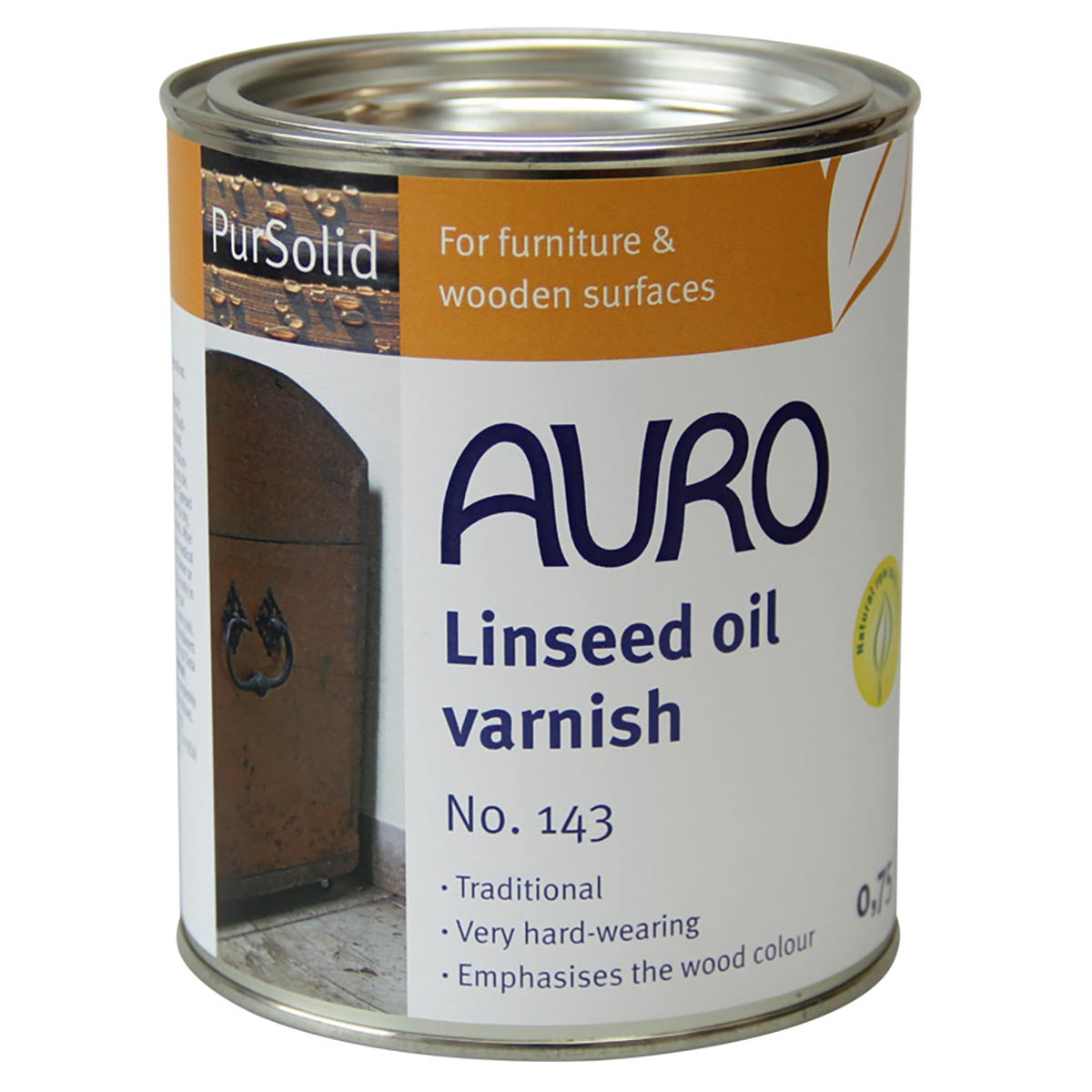
- Low VOCs: Raw oil emits almost no harmful fumes; boiled oil emits more but still less than many synthetics.
For those seeking a “green” finish, raw linseed oil is hard to beat.
Credit: organicnaturalpaint.co.uk
Linseed Oil In Art And Restoration
Artists have used linseed oil for centuries. It’s a key ingredient in oil paints, making them easy to spread and slow to dry for blending. Linseed oil varnishes protect paintings and bring out deep, rich colors.
In restoration, linseed oil is prized for authentic repairs. It’s often the only finish allowed in restoring historic furniture, floors, or woodwork.
Expert tip: In art, use only high-quality, purified linseed oil. Hardware store oils may contain impurities that harm fine art.
Linseed Oil: Real-world Examples
- Shaker furniture: Classic American Shaker pieces often used linseed oil for a subtle, natural sheen.
- Historic churches: Many church pews, doors, and paneling were finished with linseed oil.
- Baseball bats: Traditionally, bats were rubbed with linseed oil for grip and weather resistance.
- Oil paintings: Masters like Rembrandt and Van Gogh relied on linseed oil to mix and protect their works.
Linseed Oil Varnish: Pros And Cons At A Glance
Pros
- Natural look and feel
- Easy to apply and repair
- Deep penetration and wood strengthening
- Affordable and eco-friendly
Cons
- Slow drying (especially raw)
- Needs regular maintenance
- Yellows with age
- Less protection than modern varnishes
When Not To Use Linseed Oil
Linseed oil is excellent for many jobs, but not all. Avoid it when:
- You need a hard, glossy, waterproof finish (use polyurethane instead).
- The project will be exposed to heavy water or chemicals (like kitchen counters).
- You need fast turnaround or instant use.
- You want a totally clear, non-yellowing finish (try water-based products).
Buying And Storing Linseed Oil
When shopping for linseed oil, read labels carefully. “Boiled” linseed oil dries faster, but check for additives. For food-contact surfaces, look for “food-safe” or “pure raw” linseed oil.
Store oil in a cool, dark place, tightly sealed. Dispose of oily rags safely—never toss them in regular trash while still wet.
Advanced Tips And Techniques
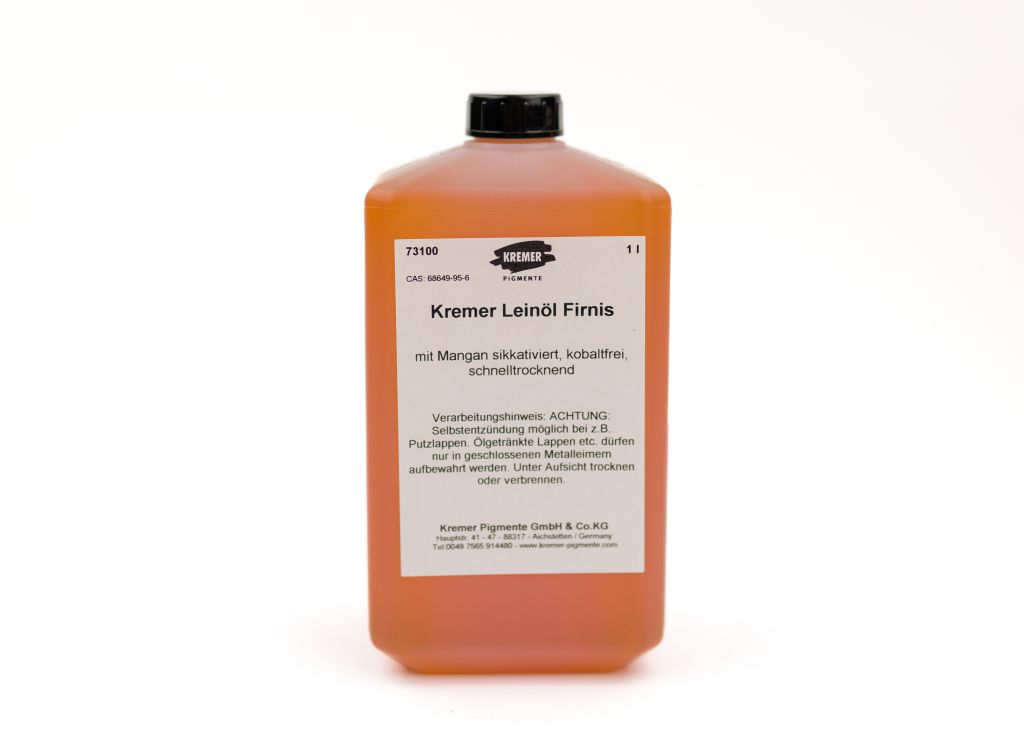
- Mix with beeswax for a soft, wipe-on finish that repels water.
- Tint linseed oil with natural pigments for custom wood colors.
- Pre-treat end grain on boards with extra oil; it soaks up more and prevents cracking.
- For a smoother finish, sand lightly between all coats—even with very fine sandpaper.
Credit: www.kremer-pigmente.com
External Resources
For a deeper dive into the chemistry and history of linseed oil, see the Wikipedia entry on linseed oil.
Frequently Asked Questions
What Is The Difference Between Linseed Oil And Boiled Linseed Oil?
Raw linseed oil is pure and dries slowly. Boiled linseed oil is treated with heat and chemicals to dry faster—usually in 1–3 days. Boiled oil is better for most furniture, but not for food-contact surfaces.
How Many Coats Of Linseed Oil Should I Apply?
2–4 thin coats work best for most wood. Let each coat dry completely before the next. More coats deepen the color but also take longer to dry.
Is Linseed Oil Waterproof?
Linseed oil is water-resistant but not fully waterproof. It protects against spills and humidity but can’t handle long-term soaking or heavy outdoor exposure without frequent reapplication.
Can I Use Linseed Oil On Cutting Boards Or Salad Bowls?
Only use raw, food-safe linseed oil for kitchenware. Do not use boiled linseed oil or products with additives. Even then, mineral oil or walnut oil is often safer and less likely to yellow.
How Do I Prevent Linseed Oil Rags From Catching Fire?
After use, lay oily rags flat outside to dry completely or soak them in a bucket of water before disposal. Never leave oily rags wadded up—they can self-ignite.
Linseed oil is a time-tested, natural finish that gives wood warmth and beauty. With the right techniques and care, it can protect and enhance your projects for years to come. Whether you’re a beginner or an experienced craftsman, understanding how to use linseed oil as varnish opens up a world of creative and practical possibilities.