For most woodworking, Titebond III and Gorilla Wood Glue deliver strong, reliable, water-resistant bonds.
You know that sinking feeling when a chair leg wobbles or a table joint opens up? The right adhesive turns that worry into a quick, confident fix. I’ve glued hundreds of panels, doors, and drawers over the years, and I’ve learned that the best glue for wood is the one that fits the job, the timeline, and the conditions you work in. Whether you’re building a porch bench, repairing a keepsake, or edge-joining maple for a countertop, picking the correct formula makes your project last. Below, I break down the standouts, highlight real-world use, and show where each glue shines so you can choose with total clarity.

Gorilla Wood Glue; 8 Ounce…
Complete Projects Fast: Requires only 20-30 minutes of clamp time; fully cured in 24 hours. Quickly creates an incredibly strong bond for wood projects. Use Indoors or Outdoors: Passes ANSI/HPVA…

Titebond III Ultimate Wood Glue,…
Provide a much stronger bond than the wood itself Offer excellent heat-resistance and are very easy to sand Are water cleanup while still wet Provide strong initial tack and a…

Gorilla Ultimate Waterproof Wood Glue,…
Use indoors or outdoors: Give your indoor or outdoor projects a Gorilla Tough bond with waterproof Ultimate Gorilla Wood Glue (passes ANSI/HPVA Type I), our most durable wood glue Extended…
Gorilla Wood Glue, 8 oz (Natural)
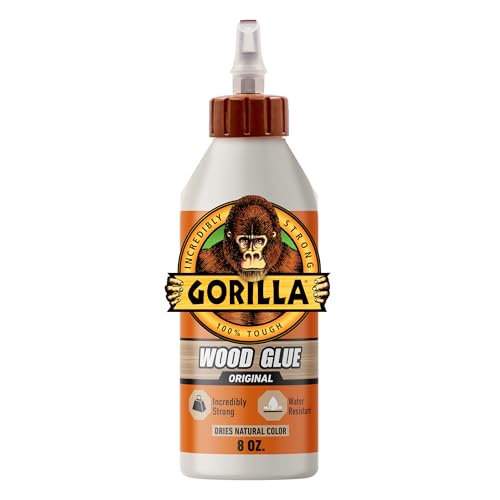
This 8-ounce Gorilla Wood Glue bottle is a solid shop staple. It’s a PVA formula that dries to a natural wood color, so your glue lines blend well after sanding. It grabs fast, holds tight, and cleans up with water while still wet. For most indoor furniture, trim, cabinets, and everyday repairs, it covers the bases with confidence.
Gorilla Wood Glue is rated water-resistant (Type II), which means it handles occasional moisture or a damp environment but isn’t for constant water soak. I like it for cutting boards only if you wipe dry and store well, though true waterproof choices are better outdoors. Clamp time is usually 20–30 minutes, and I let it cure 24 hours before heavy use. It’s affordable, predictable, and easy to work with.
Pros:
- Natural wood color dries clean and sands flush
- Strong PVA bond for hardwoods and softwoods
- Reasonable open time and fast initial tack
- Easy water cleanup before cure
- Great value for everyday shop tasks
Cons:
- Water-resistant, not fully waterproof
- Not ideal for large gaps or oily exotics
- Cold temperatures can reduce performance
My Recommendation
If you need a reliable, wallet-friendly adhesive for indoor furniture, jigs, and trim, this is a strong pick for the best glue for wood in day-to-day work. The natural color hides lines, and the hold is strong for most joints. Choose a fully waterproof glue for outdoor chairs or garden boxes. But for classic joinery indoors, Gorilla Wood Glue 8 oz is easy to love.
| Best for | Why |
|---|---|
| Indoor furniture and cabinets | Strong PVA bond with natural color glue line |
| Trim and molding | Fast tack and easy water cleanup |
| General shop repairs | Dependable performance at a low cost |
Titebond III Ultimate Wood Glue, 16 oz

Titebond III is a benchmark in many pro shops for a reason. It’s a PVA that passes ANSI/HPVA Type I, which is the higher waterproof standard often chosen for outdoor furniture and cutting boards. It also has a longer open time than typical PVA, which helps with complex glue-ups. I reach for it when I need time to align parts and the job must face weather or lots of wash cycles.
It cures strong, sands clean, and is FDA approved for indirect food contact once cured, which is useful for cutting boards and wooden utensils. Application at lower temperatures is possible compared to many glues. Clamp time is still about 30–60 minutes depending on wood and humidity. If you want an all-around performer that rarely lets you down, this is one of the best glue for wood options available.
Pros:
- Waterproof (Type I) for true outdoor durability
- Longer open time for complex assemblies
- Safe for indirect food contact after cure
- Excellent strength on hardwoods and softwoods
- Good performance in cooler shop temps
Cons:
- Costs more than standard PVA glues
- Sets slower than fast-tack interior formulas
- Glue line can appear slightly darker on pale woods
My Recommendation
If you want a single bottle that handles indoor and outdoor projects, Titebond III belongs on your bench. It is often the best glue for wood when your project meets moisture, from garden furniture to cutting boards. The longer open time makes wide-panel glue-ups calmer. If you want maximum weather protection with familiar PVA handling, this 16 oz size is a sweet spot.
| Best for | Why |
|---|---|
| Outdoor furniture | True waterproof (Type I) rating |
| Cutting boards | Safe for indirect food contact after cure |
| Large glue-ups | Longer open time to align parts |
Gorilla Ultimate Waterproof Wood Glue, 8 oz

Gorilla’s Ultimate Waterproof Wood Glue steps up from their standard formula. It’s rated to meet ANSI/HPVA Type I for waterproof performance, so it stands up to rain and washing. If you work on porch swings, planters, and picnic tables, this glue fits those needs well. It still dries a natural color that blends under finish.
I’ve used it on exterior joinery where swelling and shrinking were common. The bond held with no creep after seasons of sun and showers. It sets fast enough for shop flow but gives you time to position parts. Cleanup is simple before it cures, and the cured glue sands smoothly. For weather-facing builds, this is a strong contender for the best glue for wood.
Pros:
- Waterproof (Type I) for outdoor and wet use
- Natural color glue line
- Good tack without rushing the assembly
- Strong, stable bond with low creep
- Suitable for many wood species and composites
Cons:
- Costs more than standard Gorilla Wood Glue
- Not ideal for big gaps or oily tropical woods
- Wipe squeeze-out quickly; dries stubborn
My Recommendation
Building a garden bench or a planter box? Grab this. It brings true waterproof bonding and familiar handling. For small shops wanting one outdoor-ready bottle, it often feels like the best glue for wood when weather is the enemy. The 8 oz size is perfect for occasional outdoor projects without waste.
| Best for | Why |
|---|---|
| Outdoor furniture and fixtures | ANSI/HPVA Type I waterproof rating |
| Natural-looking glue lines | Dries to a wood-tone color |
| Mixed indoor/outdoor use | One bottle that covers many jobs |
Gorilla Ultimate Waterproof Wood Glue, 18 oz
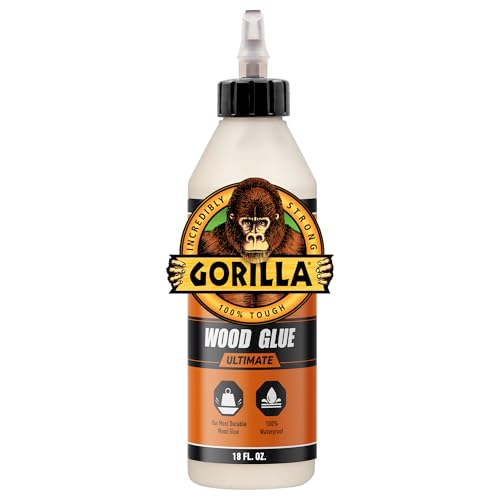
This 18-ounce bottle is the better choice if you work outside often. It shares the same waterproof performance and natural glue line as the 8 oz version but lasts longer in a busy shop. If you’re building deck seating, outdoor cabinets, or cedar planters, the added volume saves time. You won’t run out mid-glue-up.
I like the consistent squeeze and flow, even during long bead runs on big assemblies. Clamp time and cure behavior feel familiar for a PVA, and the glue sands clean after a proper cure. If outdoor projects are a regular thing for you, stocking this size is smart. You’ll get the best glue for wood performance in bulk without constant reordering.
Pros:
- Waterproof reliability for repeated outdoor builds
- Economical 18 oz size for high usage
- Wood-tone glue line sands clean
- Predictable clamp and cure times
- Good bond strength across species
Cons:
- Larger bottle can thicken near the tip if left open
- Not a gap-filling adhesive
- Higher initial cost than smaller bottles
My Recommendation
If you run a steady stream of outdoor work, this is a value move. It gives you the same waterproof Gorilla performance with fewer refills. For contractors and avid DIYers, it might be the best glue for wood when you need outdoor strength and a bottle that keeps up.
| Best for | Why |
|---|---|
| Frequent exterior builds | Type I waterproof formula in a bigger size |
| Batch assembly | Less downtime between bottles |
| Budget-conscious bulk use | Lower cost per ounce over time |
Titebond Original Wood Glue, 8 oz

Titebond Original is the classic indoor PVA glue many of us learned with. It sets fast, grabs hard, and sands nicely. If you’re assembling drawers, frames, and bookcases, it keeps your flow quick. The light glue line hides well under clear or painted finishes.
This is not a water-resistant formula, so save it for interior work. I like it for fine joinery because its quick tack reduces part creep in clamps. Wipe squeeze-out promptly for the cleanest results. For many indoor projects, it’s still in the conversation for best glue for wood due to speed and ease.
Pros:
- Fast tack for reduced clamp time
- Light glue line for a clean look
- Great for furniture assembly and repairs
- Easy water cleanup when wet
- Affordable and widely trusted
Cons:
- Not water-resistant; indoor use only
- Short open time can rush complex assemblies
- Not ideal for oily or dense exotic woods
My Recommendation
When I want speed on indoor builds, I grab Titebond Original. It’s the best glue for wood if your priority is fast tack and a light glue line in furniture and trim. Stick to interior-only use, and you’ll get crisp results with minimal fuss.
| Best for | Why |
|---|---|
| Indoor furniture joints | Quick tack limits joint creep |
| Cabinet frames and drawers | Clean sanding and light glue line |
| Budget builds | Strong results at a low price |
Super Glue XXL All-Purpose, 1.76 oz

This is a cyanoacrylate (CA) style “super glue.” It bonds fast and hard and works on many materials, including wood, metal, and plastics. I keep a big bottle on hand for small fixes and shop jigs. It is not a replacement for PVA in large wood joints, but it shines in spot repairs.
Think of it as a precision tool. It wicks into hairline cracks, locks in tiny parts, and sets in seconds. The 1.76 oz value size means you won’t run out soon. Use it when you need instant strength and little squeeze-out. For small fixes, it sometimes feels like the best glue for wood because it saves the day fast.
Pros:
- Instant bond in seconds on small surfaces
- Works on many materials beyond wood
- Great for fine repairs and jigs
- Large bottle supports frequent use
- Clear cure for discreet fixes
Cons:
- Brittle on larger wood joints
- Little to no open time
- Fumes can cause fogging near finishes
My Recommendation
Use this as your fast-action problem solver. It’s not for panel glue-ups, but it excels in tiny break repairs, trim bits, and shop fixtures. If fast fixes define your day, this can be the best glue for wood in those urgent moments.
| Best for | Why |
|---|---|
| Small crack repairs | Thin CA wicks and sets instantly |
| Mixed-material bonds | Adheres to wood, metal, rubber, and more |
| Shop jigs | Quick assembly with strong spot bonds |
Wood Super Glue Liquid, Clear CA
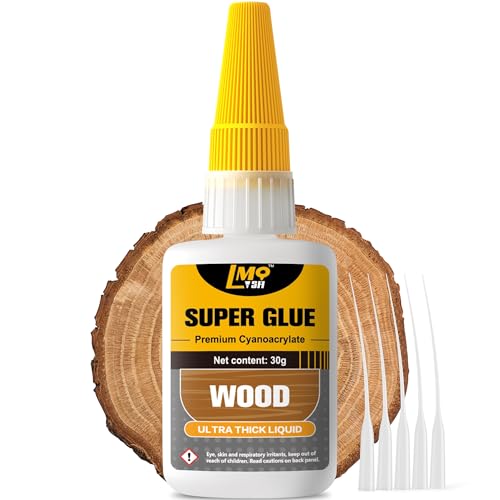
This clear CA glue leans into fine craft and hobby use. It’s a thin, fast-setting formula that bonds wood, ceramic, plastic, and more. If you build models, repair small trim, or fill tiny cracks with CA and sawdust, this type of glue is a go-to. It dries transparent for low-visibility fixes.
Use it with care since it sets quickly and can run due to thin viscosity. I like it for inlay work and pinning small parts before adding screws or brads. It’s not for structural joints that face heavy load. But for narrow repairs and craft tasks, it can be the best glue for wood because it’s so precise and clean.
Pros:
- Clear cure for near-invisible repairs
- Thin viscosity wicks into tight gaps
- Extremely fast set and cure
- Works across many materials
- Good for inlay and model work
Cons:
- Not suitable for load-bearing joints
- Short working time; runs easily
- Strong fumes; ventilate well
My Recommendation
If your projects include inlay, small trim, or quick model fixes, keep this on your bench. It delivers precise, clear bonds where PVA would be messy or slow. For crafts and detail work, it stands tall as the best glue for wood in the “tiny but tricky” category.
| Best for | Why |
|---|---|
| Inlay and detail repairs | Clear cure and precise flow |
| Model building | Fast set keeps parts aligned |
| Hairline crack fixes | Wicks deep into tight spaces |
Titebond III Ultimate Wood Glue, 8 oz

This 8 oz Titebond III offers the same waterproof performance as the 16 oz bottle but in a smaller size. It’s great if you want outdoor-grade protection without committing to a large container. The longer open time helps align complex assemblies. The cured bond is tough and stable season after season.
I use it for outdoor stools, patio accents, and cutting boards that see daily washing. It’s easy to sand once cured, and it resists heat and solvents better than standard PVA. If you’re new to outdoor builds, this smaller bottle is a no-risk way to try what many consider the best glue for wood in harsh conditions.
Pros:
- ANSI/HPVA Type I waterproof performance
- Longer open time for careful assembly
- Food-safe for indirect contact after cure
- Strong bond with little creep
- Great trial size for new users
Cons:
- Costs more than interior PVAs
- Slower set time than quick-tack options
- Darker glue line on very light woods
My Recommendation
If you want reliable outdoor durability without a big bottle, this is a smart buy. It may be the best glue for wood when moisture is sure to show up, yet you want easy handling. Try this size first, then scale up if outdoor projects become routine.
| Best for | Why |
|---|---|
| First outdoor projects | Small size with full waterproof power |
| Cutting boards | Indirect food-safe after cure |
| Complex glue-ups | Long open time supports alignment |
Boncart Super Strong Wood Glue, 8.45 oz

This Boncart clear wood glue aims at heavy-duty woodworking and furniture assembly. It promises a clear-drying, waterproof bond that resists daily wear. If you want a glue line that basically disappears under finish, clear formulas help. The 8.45 oz size is a handy volume for steady DIY use.
While it’s not a household brand like Titebond or Gorilla, it’s a flexible choice for general wood projects. Use it on joints that need a clean look and steady strength. Always test on scrap to confirm dry color with your finish. For budget-friendly projects, it may surprise you as the best glue for wood when you want an almost invisible joint.
Pros:
- Clear-drying bond for hidden glue lines
- Waterproof claim supports broader use
- Good everyday volume per bottle
- Low odor compared to many adhesives
- Versatile for furniture and crafts
Cons:
- Less brand recognition and data
- Long-term outdoor performance not as proven
- May require longer clamp times
My Recommendation
Try this if you want a clear glue line without paying a premium. It can be the best glue for wood when you value looks and light waterproofing. For mission-critical outdoor builds, consider a Type I-rated bottle. But for indoor furniture and crafts, the clarity is a real win.
| Best for | Why |
|---|---|
| Visible joints | Clear cure hides glue lines |
| Furniture assembly | Strong everyday performance |
| Budget upgrades | Value buy with clean results |
Gorilla Wood Glue, 18 oz (Natural)

This 18 oz Gorilla Wood Glue bottle is a workhorse for indoor and light outdoor projects. It’s the same water-resistant PVA as the 8 oz, just in a larger format for bigger builds. The natural color blends well, and it sands smooth after a full cure. It’s a practical option for cabinet runs and repetitive assembly.
Use it for edge-glued panels, stools, and interior trim. It has a good balance of open time and initial tack. Cleanup is simple while wet. For a shop that uses PVA daily, this size hits the sweet spot. It remains one of the best glue for wood choices for general, reliable bonding.
Pros:
- Great value in a larger size
- Natural-looking glue seam
- Trusted performance on many woods
- Easy to sand once cured
- Water-resistant for light moisture exposure
Cons:
- Not fully waterproof
- Not a gap filler
- Tip needs cleaning to avoid clogging
My Recommendation
If you go through glue fast on indoor projects, pick this bottle. It’s often the best glue for wood for shops that need steady results and low cost per ounce. If you plan outdoor builds, also keep a Type I glue close by.
| Best for | Why |
|---|---|
| High-volume indoor work | Economical size with proven bond |
| Panel glue-ups | Natural color and strong hold |
| Repairs and trim | Water cleanup and easy sanding |
FAQs Of best glue for wood
Is PVA wood glue strong enough for furniture?
Yes. Quality PVA like Gorilla Wood Glue or Titebond creates joints stronger than the wood when surfaces fit well and clamping is proper.
What’s the difference between Type I and Type II water ratings?
Type I is waterproof for outdoor and wet use. Type II is water-resistant for light moisture but not constant exposure.
How long should I clamp a wood glue joint?
For most PVA glues, clamp 20–60 minutes. Avoid heavy stress for 24 hours. Temperature and humidity affect times.
Can I use super glue on wood?
Yes, for small repairs, inlay, and quick fixes. CA is brittle on big joints. Use PVA for structural bonds.
Does wood glue expire?
Most PVAs last 1–2 years if sealed and stored at room temperature. Avoid freezing and high heat to extend life.
Final Verdict: Which Should You Buy?
If you want one bottle that covers most tasks, Titebond III is my top pick for the best glue for wood. It’s waterproof, forgiving, and great indoors or out.
For everyday indoor builds, Gorilla Wood Glue is a top value. If you face weather often, Gorilla Ultimate Waterproof is a smart upgrade. Choose based on use, not hype, and your joints will last.