Looking to buy wood for woodworking can feel overwhelming, especially if you’re new to the craft. With so many options—local stores, online suppliers, specialty shops, and even reclaimed sources—it’s easy to get lost. The right wood can make your project easier, more beautiful, and more enjoyable.
Choosing poorly can lead to wasted time, money, and effort. This guide will help you confidently find the best places to buy wood for woodworking. You’ll learn about different sources, what to look for, how to compare prices and quality, and common mistakes to avoid.
Whether you’re building furniture, making art, or just starting with small projects, you’ll get practical advice that goes beyond the basics.
Understanding Your Wood Needs
Before you start shopping, it’s important to know what kind of wood you need. Woodworking covers a huge range of projects, and the best source for wood often depends on your project type.
- Hardwoods (like oak, maple, cherry) are great for furniture, cabinetry, and projects where strength and beauty matter.
- Softwoods (like pine, fir, cedar) are often used for construction, outdoor projects, and when budget is a concern.
- Plywood, MDF, and engineered woods are useful for cabinets, shelves, and parts that won’t be visible.
Think about these factors:
- Project size: Large projects need more wood and might benefit from bulk purchasing.
- Finish quality: Visible surfaces require higher-grade wood.
- Budget: Some woods are much more expensive than others.
Knowing your needs will help you choose the right place to buy your wood and avoid buying the wrong type or overspending.
Local Lumberyards
Local lumberyards are a traditional and often excellent source for woodworking wood. These businesses specialize in wood and often carry a much wider selection than big-box stores.
What Makes Lumberyards Special?
Lumberyards usually offer:
- Hardwoods and softwoods in many thicknesses and grades
- Exotic woods for special projects
- Staff with deep knowledge of wood types and uses
Most lumberyards allow you to inspect boards before buying. This is important for woodworking, where defects or warping can ruin your project. You can often pick out boards yourself, which is a big advantage.
Advantages Of Lumberyards
- Quality selection: You’ll find better, clearer boards with less warping.
- Variety: More species, sizes, and grades than most other sources.
- Personal service: Staff can offer advice, cut boards to size, and help you find what you need.
- Specialty products: Unique woods, live-edge slabs, turning blanks, and more.
What To Watch For
Not all lumberyards are open to the public—some only sell to contractors. Call ahead to ask if they serve hobbyists. Also, prices may be higher than big-box stores, but the quality is usually much better. Minimum purchase requirements can sometimes apply.
Example
If you want a specific hardwood like walnut or cherry for a fine table, a lumberyard is often the only local source.
Home Improvement Stores
Big chains like Home Depot, Lowe’s, or Menards are popular places to buy wood, especially for beginners. They are easy to find, usually open long hours, and have straightforward pricing.
What You’ll Find
- Construction lumber: Pine, fir, cedar, and pressure-treated wood for outdoor use.
- Plywood and sheet goods: Useful for cabinets, shelves, and shop furniture.
- Limited hardwoods: Some stores carry small quantities of oak, poplar, maple, or hobby boards.
Advantages
- Convenient locations: Stores are everywhere, and hours are long.
- Easy to shop: Clear labeling, posted prices, and carts for hauling wood.
- Returns and refunds: Easy to return wood if it’s not right.
Downsides
- Limited selection: Few hardwoods, and often only in small sizes.
- Quality can be inconsistent: Boards may be warped or have defects.
- Higher prices for hardwoods: Hobby boards cost more per foot than rough lumber from a yard.
Pro Tip
Look for “select” or “premium” boards if available. Inspect each piece for straightness and defects before buying.
Specialty Woodworking Stores
Some cities have stores that focus only on woodworking supplies. These stores often carry unique woods, tools, and finishing supplies.
What They Offer
- Exotic and specialty woods: Purpleheart, padauk, zebrawood, and more.
- Turning blanks and craft wood: Great for small projects like pens, bowls, or carving.
- Helpful staff: Usually woodworkers themselves, with advice and tips.
Why Choose These Stores?
If you need wood that’s not available at big chains or a local lumberyard, a specialty store can help. These shops are also good for finding matching pieces or unique sizes.
What’s Different?
Prices are sometimes higher, but the selection and quality are usually top-notch. You can often buy small quantities, which is helpful for small projects or trying a new species.
Example
If you’re turning pens and want a beautiful blank of bubinga or olivewood, a specialty woodworking store is the best choice.
Online Wood Retailers
Buying wood online is now easier than ever. Many large suppliers ship wood directly to your door, and online marketplaces offer a wide range of options.
Major Online Wood Retailers
- Woodcraft and Rockler: Both carry a huge selection of hardwoods, exotics, plywood, and turning blanks.
- Bell Forest Products and Cook Woods: Known for specialty woods and unique slabs.
- Amazon and eBay: Sellers offer everything from craft blanks to large boards.
Advantages
- Access to exotic species: Get woods not available locally.
- Convenient ordering: Browse and order from home.
- Pre-cut and surfaced options: Great for projects where you don’t have big tools.
Drawbacks
- Shipping costs: Wood is heavy, so shipping can be expensive.
- No personal selection: You can’t choose individual boards.
- Possible damage in transit: Wood can warp or split if not packed well.
Non-obvious Insight
Some online suppliers let you request specific characteristics (like color or grain), or even send you photos of boards before shipping. This is especially helpful for expensive woods.
Pro Tip
Order from companies with good return policies and customer reviews. Read the fine print on shipping, as costs and delivery times can vary widely.
Reclaimed And Salvaged Wood
Reclaimed wood is wood that’s been used before—maybe in a barn, a factory, or an old house—and is now being reused for woodworking. Salvaged wood can come from fallen trees, storm damage, or construction sites.
Why Use Reclaimed Wood?
- Unique look: Weathered patina, nail holes, and old-growth grain are hard to fake.
- Eco-friendly: Reusing wood reduces waste and saves trees.
- Often cheaper: Especially if you source it yourself.
Where To Find Reclaimed Wood
- Architectural salvage yards
- Demolition sites (with permission)
- Habitat for Humanity ReStores
- Local classified ads and online marketplaces
Challenges
- May require extra work: Removing nails, cleaning, flattening.
- Inconsistent sizes and quality: Boards may be warped or split.
- Hidden hazards: Old finishes might contain lead or other toxins.
Pro Tip
Always check reclaimed wood for metal before running it through your saws or planers. A stray nail can destroy a tool blade.

Credit: www.charlestoncrafted.com
Sawmills And Local Woodcutters
If you want to save money, buy in bulk, or get unique local species, consider buying wood straight from a sawmill or local woodcutter.
What Sawmills Offer
- Rough-sawn lumber: Boards are thicker and not yet planed smooth.
- Unusual sizes and species: Local woods not sold in stores.
- Lower prices: No middleman.
How To Buy
Call ahead or check websites to find out what’s in stock. Some mills will custom-cut wood to your needs. You may need a truck or trailer to haul full-size boards.
Challenges
- Wood may be green: Not dried yet, so it may warp or crack.
- Extra work: You’ll need to plane and smooth the wood yourself.
- Minimum purchase sizes: Some mills only sell in large quantities.
Non-obvious Insight
Look for “urban sawmills” or “tree recycling” businesses in your area. Many cities have small sawyers who turn storm-damaged trees into beautiful lumber.
Buying Wood From Other Woodworkers
Sometimes, woodworkers sell extra wood, either because they bought too much or they’re leaving the hobby.
Where To Find Other Woodworkers
- Local woodworking clubs
- Online forums and social media groups
- Craigslist and Facebook Marketplace
Advantages
- Good deals: Prices are often lower than stores.
- Project leftovers: Small pieces are great for small projects or tests.
- Chance to learn: You can get tips and advice from experienced woodworkers.
Cautions
- Inspect before buying: Boards may have defects or may be the wrong species.
- No guarantees: Private sales are usually final.
Example
You might find someone selling a stack of maple offcuts perfect for cutting boards or small boxes.
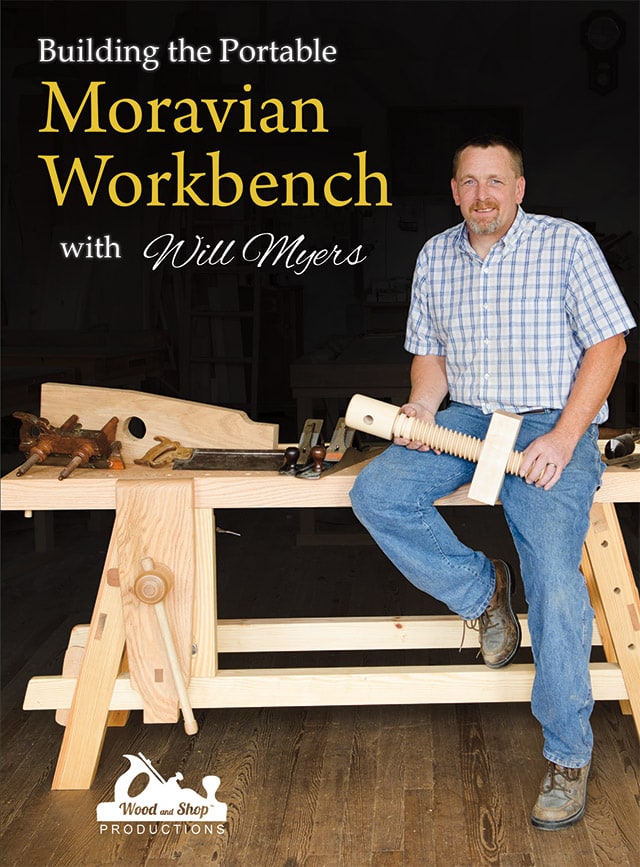
Credit: woodandshop.com
Comparing Wood Sources: Price, Quality, And Convenience
It’s helpful to see how different sources compare on key factors. Here’s a quick look:
| Source | Selection | Quality Control | Price | Convenience |
|---|---|---|---|---|
| Lumberyard | Wide | High | Medium-High | Medium |
| Home Improvement Store | Limited | Low-Medium | Low-Medium | High |
| Specialty Store | Unique | High | High | Medium |
| Online Retailer | Very Wide | Medium | Medium-High | High |
| Reclaimed/Salvaged | Varies | Low-Medium | Low | Low-Medium |
| Sawmill | Varies | High (if local) | Low | Low |
| Other Woodworkers | Small | Low-Medium | Low | Medium |
Choosing The Right Wood Source For Your Project
With so many options, how do you decide where to buy?
1. For Beginners Or Small Projects
If you’re new to woodworking or just making small items, start at a home improvement store or a specialty woodworking shop. These are easy to access and let you buy small amounts of wood.
2. For Furniture Or Large Builds
For fine furniture or large projects, local lumberyards or sawmills offer better wood at lower prices per board foot. The selection is greater, and you can choose each board.
3. For Unique Or Artistic Projects
If you want something special—like a live-edge slab, figured wood, or an exotic species—try a specialty store or an online retailer. Reclaimed wood can also add character to your work.
4. For Eco-friendly Or Budget Projects
Reclaimed and salvaged wood is best if you want to save money and help the environment. Be ready to put in extra effort to prepare the wood.
5. For Bulk Or Ongoing Needs
If you build regularly, buying in bulk from a sawmill or a lumberyard saves money in the long run. You can also develop relationships with suppliers, which can lead to better deals and advice.
Practical Tips For Buying Wood
1. Always Inspect Boards
Even at good stores, wood can have defects like warping, cracks, or knots. Check each board for straightness and flaws. Lay the board flat and look along its edge for twists or bows.
2. Know How Wood Is Measured
Wood is sold by the board foot in most lumberyards and specialty stores. One board foot is 12 inches by 12 inches by 1 inch. Home centers often sell by linear foot (length only), which can make price comparisons tricky.
3. Ask About Drying
Wood should be kiln-dried or air-dried before use. Wet wood (called green wood) will shrink, warp, or crack as it dries. If you buy green wood, plan to dry it for months or years before using.
4. Understand Grading
Wood is graded for appearance and strength. “FAS” (Firsts and Seconds) is the best grade for hardwoods, with few knots or defects. Lower grades are cheaper but have more flaws.
5. Bring The Right Vehicle
Wood is heavy and can be long. Bring a truck, van, or trailer if you’re buying large boards. Many stores will cut wood for you, but it’s good to plan ahead.
6. Compare Prices
Prices can vary a lot between sources. For example, a board of cherry might be $6 per board foot at a lumberyard, $9 at a specialty store, and $15 as a hobby board at a home center.
7. Take Moisture Into Account
Use a moisture meter if you’re serious about quality. Wood should be at about 6–8% moisture for indoor projects.
8. Build Relationships
Get to know your local suppliers. They can give you a heads-up on new shipments, discounts, or special woods.
9. Don’t Forget About Cutting And Delivery
Some stores offer cutting services or even delivery for a fee. This is helpful if you don’t have big tools or a way to transport wood.
10. Watch Out For Hidden Costs
With online purchases, shipping costs and minimum order sizes can add up quickly. Always check the final price before buying.
Common Mistakes When Buying Wood
1. Not Checking For Defects
Beginners often grab the first board they see. Take time to check for warps, cracks, and knots. Even a small twist can ruin a project.
2. Ignoring Moisture Content
Using wet wood almost always leads to disappointment. It can warp, shrink, and split as it dries.
3. Buying More Than You Need
Wood can be expensive, and buying too much leads to waste and storage problems. Plan your project and buy with a small margin for mistakes.
4. Overlooking Local Species
People often seek exotic woods, but local species can be beautiful, sustainable, and affordable. Ask your supplier about what’s available in your area.
5. Not Comparing Prices
Prices for the same species can vary a lot. Check several sources if you’re buying a lot of wood.
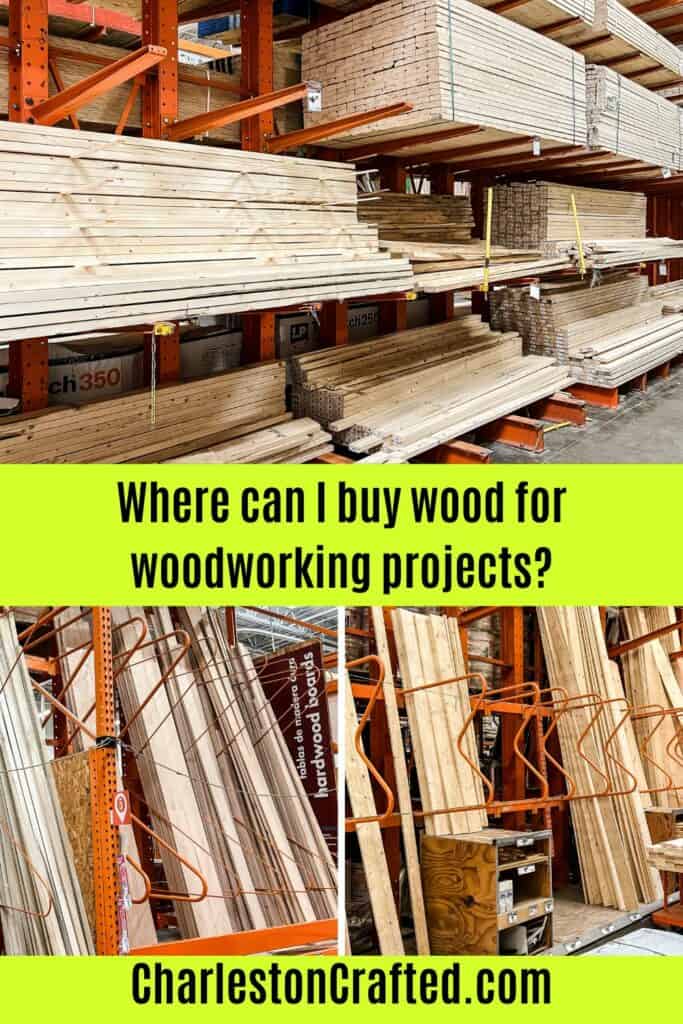
Credit: www.charlestoncrafted.com
Online Marketplaces And Classifieds
Online platforms like Craigslist, Facebook Marketplace, and eBay are growing sources for woodworking wood. You can find everything from rough lumber to finished slabs.
What To Watch For
- Inspect in person if possible. Photos can hide defects.
- Ask questions: How was the wood stored? Is it dry?
- Negotiate price: Many sellers are open to offers.
Non-obvious Insight
Estate sales and auctions can be hidden goldmines for wood. Sometimes, entire shops are liquidated, and you can buy high-quality wood for a fraction of retail price.
Wood Buying For Special Purposes
For Turning And Small Crafts
Pen blanks, bowl blanks, and small blocks are sold at specialty stores and online. These are often cut from highly figured or exotic woods.
For Outdoor Projects
Look for pressure-treated lumber or naturally rot-resistant species like cedar or redwood. These are available at home centers and lumberyards.
For Musical Instruments
Instrument-grade wood is a specialty product. Suppliers like Luthiers Mercantile International or local specialty stores can help.
For Live-edge Slabs
Many online retailers and local sawmills now sell live-edge slabs for tables and art. These are large, unique pieces, often costing hundreds or thousands of dollars.
| Project Type | Best Source | Recommended Species |
|---|---|---|
| Furniture | Lumberyard, Sawmill | Oak, Maple, Cherry |
| Outdoor | Home Center, Lumberyard | Cedar, Redwood, Treated Pine |
| Turning | Specialty Store, Online | Walnut, Maple, Exotic Woods |
| Art & Crafts | Specialty Store, Online | Padauk, Purpleheart, Local Woods |
How To Store And Prepare Wood After Purchase
Buying good wood is only the first step. Storing and preparing it properly is just as important.
Storage Tips
- Store wood flat and supported to avoid warping.
- Let wood acclimate to your shop for a week or two before using.
- Keep it dry: Avoid basements or damp garages.
Preparation
- Joint and plane boards for flatness and thickness.
- Cut boards to rough size before final dimensioning.
- Check for metal: Use a metal detector on reclaimed wood to avoid tool damage.
Non-obvious Insight
Stack wood with thin sticks (stickers) between each layer to allow air flow. This helps prevent moisture buildup and warping.
Local Vs. Online: When To Choose Each
Both local and online wood sources have their place in woodworking.
When To Buy Local
- You want to see and select each board.
- Need help or advice from staff.
- Buying large or heavy pieces (to save on shipping).
When To Buy Online
- Need unique species or hard-to-find sizes.
- No good local suppliers nearby.
- Buying small, high-value pieces (like turning blanks).
For a deeper look at wood types and their uses, the Wood Database offers detailed information on hundreds of species.
Frequently Asked Questions
What Is The Best Wood For Beginner Woodworking Projects?
Pine and poplar are great for beginners. They’re easy to find, affordable, and simple to cut and sand. For small projects, hobby boards from home centers are a good choice.
How Do I Know If Wood Is Dry Enough To Use?
Wood should be at 6–8% moisture for indoor projects. Use a moisture meter to test. If you don’t have one, buy from suppliers who guarantee kiln-dried lumber.
Can I Use Construction Lumber For Furniture?
Yes, but there are challenges. Construction lumber (like 2x4s) is often wetter and less stable than furniture-grade wood. It can work for rustic projects but may warp or crack over time.
Is Reclaimed Wood Safe For Indoor Use?
Reclaimed wood is usually safe, but old paints or finishes may contain lead or other toxins. Sand or plane the surface, and avoid using wood with unknown chemicals for food-related projects.
Where Can I Find Rare Or Exotic Woods?
Specialty woodworking stores and online retailers like Woodcraft and Rockler carry exotic woods. Some local lumberyards and sawmills also stock rare species or can order them for you.
—
Finding the right place to buy wood for woodworking is part of the journey. Each source has unique benefits and challenges. Local lumberyards give you quality and variety, big-box stores offer convenience, and specialty shops unlock unique possibilities. Online retailers and reclaimed options open the door to rare and eco-friendly choices.
The best source depends on your project, budget, and what you value most. Take your time, ask questions, and enjoy the process—great wood is the foundation of great work.