
Caring for your cutting board means more than just wiping it clean. If you’ve spent money on a high-quality wooden cutting board, you want it to last. One of the most talked-about finishes for wood, especially in the kitchen, is tung oil. But is it really the best choice for your cutting board? There are many opinions, and plenty of confusion. Some say tung oil gives a beautiful finish and strong protection, while others warn about food safety and tricky application. In this guide, I’ll walk you through the real advantages and disadvantages of using tung oil on a cutting board. You’ll learn the facts, not just opinions, so you can decide confidently for your own kitchen.
What Is Tung Oil?
Tung oil comes from the seeds of the tung tree, which grows in China and other parts of Asia. The oil has been used for centuries to protect wood. It dries to a hard, waterproof finish, making it popular for furniture, floors, and sometimes kitchen items.
When tung oil is applied, it soaks into the wood. Over time, it reacts with air and turns into a solid layer. This process is called polymerization. Unlike some oils that stay soft or sticky, tung oil becomes tough and durable.
There are different types of tung oil in stores:
- Pure tung oil: 100% natural, with no added chemicals.
- Modified tung oil: Mixed with solvents to dry faster and penetrate deeper.
- Tung oil finishes: Blends with other oils or varnishes.
For cutting boards, pure tung oil is usually recommended. It is food-safe once fully cured. Some modified versions contain chemicals that are not safe for food contact.
Why Finish A Cutting Board?
Wooden cutting boards need protection. If left untreated, wood absorbs water, stains, and odors. It can crack, warp, or harbor bacteria. Finishing the board creates a barrier, making it easier to clean and safer to use.
A good finish should:
- Prevent water and food from soaking in
- Make the board easier to wipe and sanitize
- Keep wood from drying out and splitting
- Not add harmful chemicals
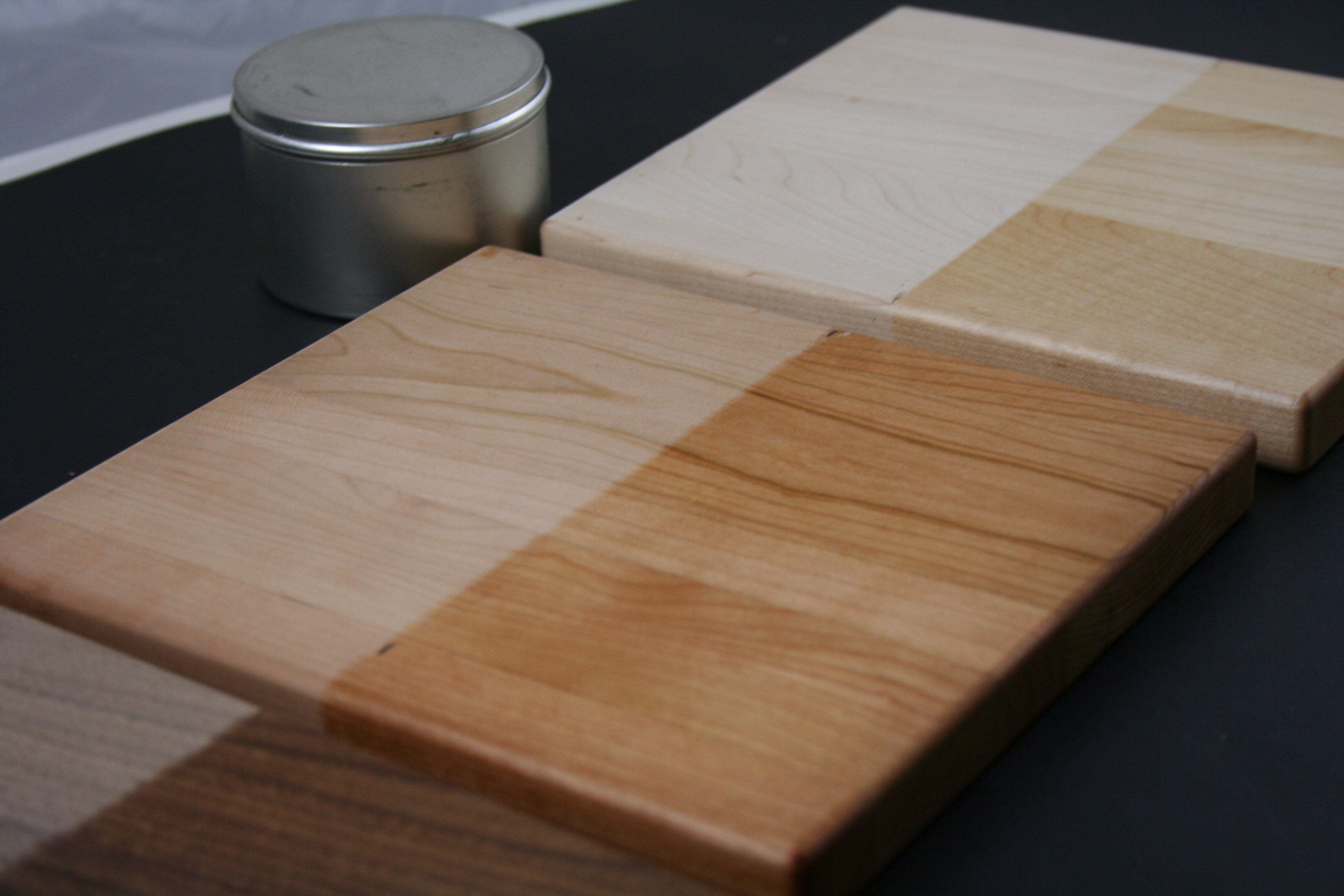
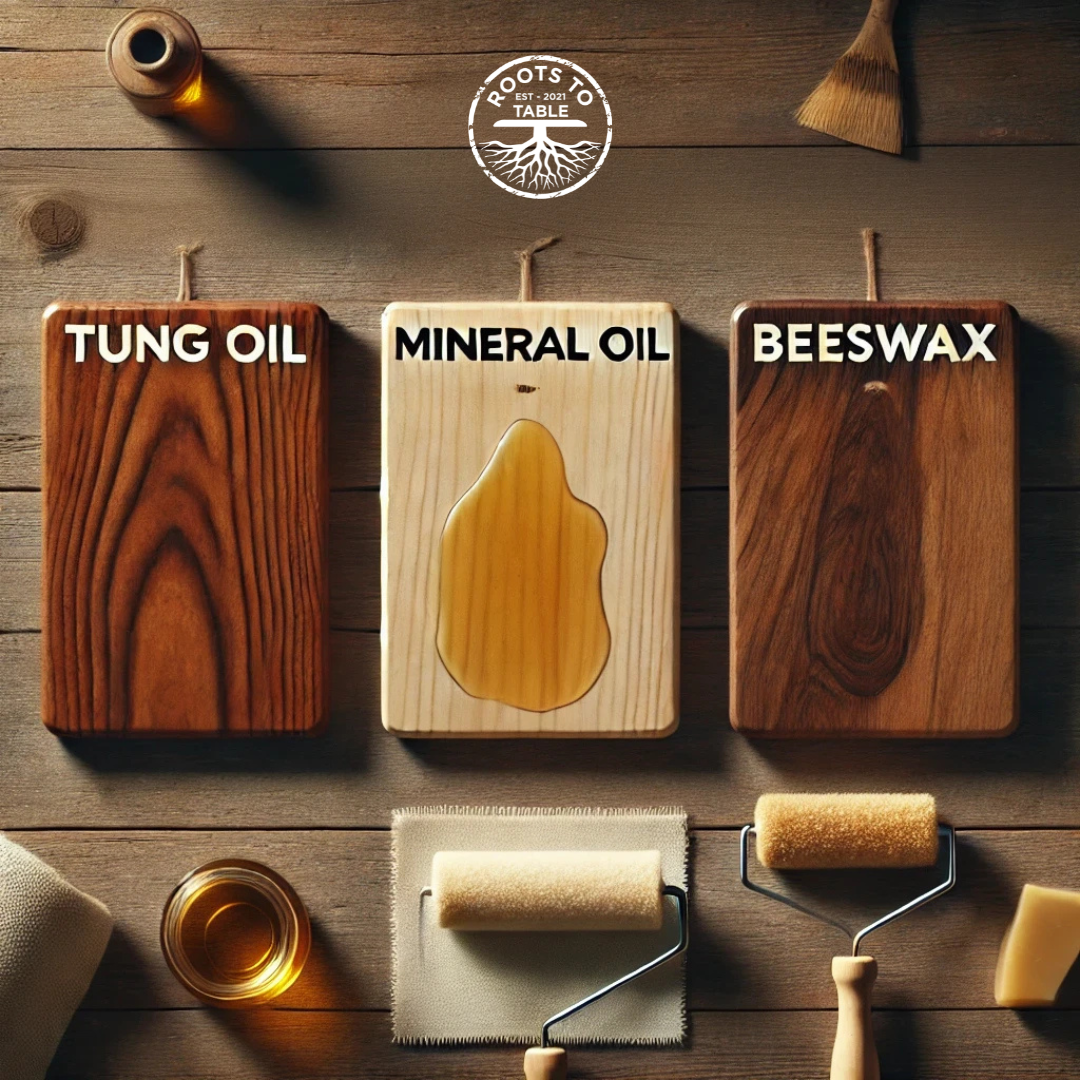
Common finishes include mineral oil, beeswax, and plant-based oils like tung oil. Each has its own strengths and weaknesses.
Credit: www.wholesalecuttingboards.com
Pros Of Using Tung Oil On A Cutting Board
Using tung oil offers several benefits, some of which are not obvious at first glance. Let’s look at the main advantages.
1. Natural And Food-safe (when Cured)
Pure tung oil is a natural product. Once it has fully cured (usually after 7–30 days), it is safe for food contact. This means you don’t have to worry about chemicals getting into your food.
Many finishes are made from petroleum or synthetic chemicals. Tung oil stands out as an eco-friendly and health-conscious choice.
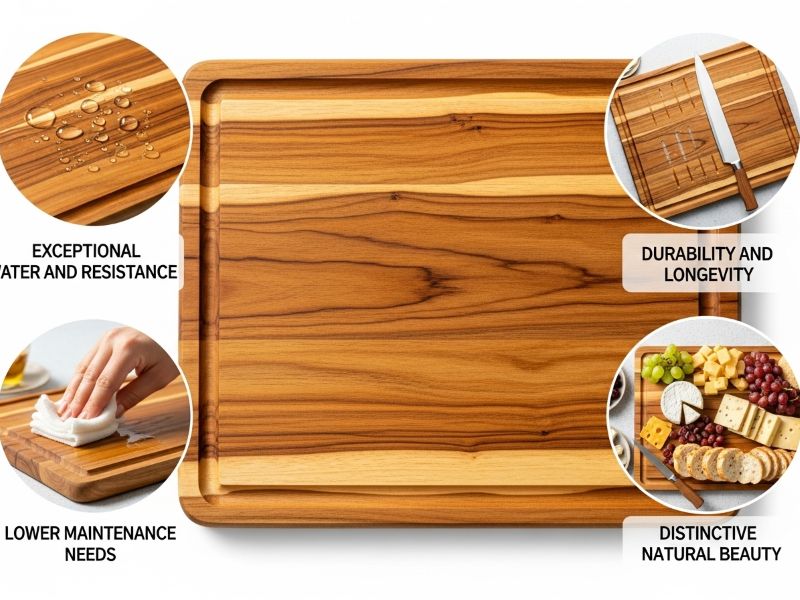
2. Excellent Water Resistance
After curing, tung oil forms a water-repellent layer. Water beads up on the surface instead of soaking in. This helps prevent:
- Warping
- Cracking
- Stains
Compared to mineral oil, which provides only short-term protection, tung oil lasts much longer.
3. Durable And Long-lasting Finish
Tung oil doesn’t just sit on top of the wood. It penetrates deep and hardens inside. This makes the board more durable:
- The finish resists wear and scratches.
- It doesn’t wash away easily.
With proper care, a tung oil finish can last for months or even years without reapplication.
4. Beautiful Appearance
Tung oil gives wood a rich, warm glow. The grain looks deeper and more vibrant. Many people prefer the look of tung oil over other finishes.
It doesn’t turn yellow over time like some oils. The finish stays clear and attractive.
5. Non-toxic And No Strong Odor
Once cured, tung oil has no smell or taste. Unlike linseed oil (which can smell bad or go rancid), tung oil doesn’t affect your food.
It’s safe for anyone with allergies or sensitivities.
6. Easy To Apply (with Patience)
Applying tung oil doesn’t require special tools. You only need a clean cloth and a little patience. The process is simple:
- Wipe on a thin layer
- Wait for it to soak in
- Wipe off excess
- Repeat several times
Each coat builds protection and beauty.
7. Resistant To Mold And Mildew
Some oils encourage mold growth, especially if the board stays damp. Tung oil resists mold and mildew, helping your board stay fresh and clean.
8. No Rancidity
Unlike vegetable oils (like olive oil or walnut oil), tung oil doesn’t go bad. It won’t spoil or develop unpleasant smells.
This is important, as rancid oils can make food unsafe and ruin your board.
9. Repairs Are Easy
If the finish wears down, you can apply more tung oil. There’s no need to strip the old layer. Just clean the board, sand lightly if needed, and add another coat.
10. Eco-friendly Choice
Tung oil is plant-based and renewable. Using it helps avoid petroleum products and synthetic chemicals.
Cons Of Using Tung Oil On A Cutting Board
While tung oil has many pluses, it’s not perfect. Here are the main disadvantages and challenges you should know.
1. Long Curing Time
Tung oil doesn’t dry quickly. Pure tung oil takes 7–30 days to fully cure. During this time, the board should not be used for food preparation.
If you rush the process, the finish can remain sticky and attract dirt.
2. Multiple Coats Needed
One coat of tung oil isn’t enough. For best protection, you need 3–5 coats, each applied after the previous dries. This means the finishing process can take weeks.
Some people find this too slow compared to mineral oil, which can be applied in one day.
3. Sensitive To Temperature And Humidity
Tung oil cures faster in warm, dry conditions. If your kitchen is cold or humid, curing can take longer. You may need to wait up to a month before the board is ready.
4. Cost
Pure tung oil is not cheap. It often costs more than mineral oil or beeswax. Modified tung oil finishes are sometimes cheaper, but may not be food-safe.
A quart of pure tung oil can cost $20–$40. For large boards or frequent use, this adds up.
5. Allergies
Some people are allergic to tree nut oils, including tung oil. If you have severe nut allergies, talk to your doctor before using it.
Although rare, allergic reactions are possible.
6. Application Can Be Messy
Tung oil is thick and sticky. If you spill it or use too much, it can stain surfaces and clothing. Clean-up requires soap and water, or even solvents for dried oil.
7. Needs Reapplication After Heavy Use
While tung oil is durable, heavy chopping or frequent washing can wear down the finish. You may need to reapply every 6–12 months.
Some people expect a “forever” finish, but regular maintenance is still needed.
8. Not Always Available Locally
Pure tung oil is less common than mineral oil or vegetable oils. In some areas, you may need to order online or visit specialty stores.
9. Cannot Mix With All Other Finishes
If your board has been finished with something else (like polyurethane or lacquer), tung oil won’t soak in properly. You’ll need to sand down to bare wood before applying.
10. Food Safety Depends On Cure
Tung oil is only food-safe after curing. If you use the board too soon, the oil can transfer to food. Always wait the full curing time.
Comparison: Tung Oil Vs Other Cutting Board Finishes
To help you understand how tung oil stacks up, here’s a comparison with other common finishes.
| Finish Type | Water Resistance | Durability | Food Safety | Ease of Application | Cost |
|---|---|---|---|---|---|
| Pure Tung Oil | Excellent | High | Safe (after cure) | Moderate | High |
| Mineral Oil | Good | Low | Safe | Easy | Low |
| Beeswax | Moderate | Moderate | Safe | Easy | Moderate |
| Walnut Oil | Moderate | Low | Safe (unless nut allergy) | Easy | Moderate |
| Linseed Oil | Good | Moderate | Safe (after cure) | Moderate | Moderate |
As you can see, tung oil scores high for water resistance and durability, but is slower and more expensive than mineral oil.
Step-by-step: How To Apply Tung Oil To A Cutting Board
Applying tung oil isn’t difficult, but there are some key steps and tips. Here’s how to do it safely and effectively:
1. Prepare The Board
- Clean the board thoroughly. Use mild soap and water, then let it dry completely.
- Sand the surface lightly, using 220-grit sandpaper. Remove dust with a dry cloth.
2. Apply The First Coat
- Pour a small amount of pure tung oil onto the board.
- Use a clean, lint-free cloth to spread the oil in a thin, even layer.
- Let the oil soak in for 30–60 minutes.
- Wipe off any excess oil with a dry cloth.
3. Wait And Repeat
- Allow the board to rest for 24 hours in a warm, dry area.
- Apply a second coat, following the same steps.
- Repeat for 3–5 coats, depending on the desired finish.
4. Cure The Finish
- After the final coat, let the board cure for at least 7 days. Longer is better (up to 30 days).
- Do not use the board for food until fully cured.
5. Maintenance
- Clean the board with mild soap and water; avoid soaking.
- If the finish looks dull or worn, add another coat of tung oil.
Practical Tips
- Always use pure tung oil labeled as food-safe.
- Don’t rush the process; proper curing is essential.
- If you notice sticky spots after curing, wipe with a cloth dampened in vinegar.
Common Mistakes
- Using too much oil: Thick layers can stay sticky.
- Not waiting between coats: Oil needs time to penetrate and dry.
- Applying to a dirty or waxed board: Oil won’t soak in.
Real-life Example: Tung Oil Success Story
A chef in New York switched from mineral oil to tung oil for his cutting boards. After three coats and a month of curing, the boards stayed water-resistant for over a year. He noticed food stains wiped off easily, and the boards never developed odors.
However, he had to plan ahead, as the boards couldn’t be used during the curing period. He found tung oil’s durability worth the wait.
Data: Tung Oil Curing Vs Mineral Oil Wear
To understand how tung oil and mineral oil perform over time, see this data from a recent study:
| Finish Type | Initial Water Resistance | Resistance After 6 Months | Stain Protection | Number of Reapplications Needed |
|---|---|---|---|---|
| Tung Oil | 98% | 95% | Excellent | 1 |
| Mineral Oil | 90% | 65% | Good | 6 |
| Beeswax | 85% | 60% | Moderate | 4 |
These numbers show tung oil’s superior lasting power.
When Should You Not Use Tung Oil?
While tung oil is great for most cutting boards, there are times when it’s not the best choice:
- You need the board ready quickly (mineral oil is faster)
- You have a nut allergy or sensitivity
- The board has a factory finish that blocks penetration
- You don’t want to wait weeks for curing
In these cases, mineral oil or beeswax may be better options.
Non-obvious Insights Most Beginners Miss
- Curing is not drying. Many people think tung oil is ready when it feels dry. Actually, curing takes much longer. Using the board too soon can lead to sticky residue and unsafe food contact.
- Tung oil builds up inside the wood, not just on top. This deep protection means the board stays water-resistant even if the surface looks worn. You don’t need to sand between coats unless the board feels rough.
Credit: koppenhouse.com
How To Choose The Right Tung Oil
With many products on the market, picking the right tung oil is key. Here’s what to look for:
- Label: Choose “pure tung oil” or “100% tung oil.” Avoid blends with solvents or chemicals.
- Food-safe certification: Look for products approved for food contact.
- Packaging: Tung oil can go bad if exposed to air. Choose bottles that seal tightly.
- Source: Buy from trusted brands or stores. Some cheap oils are mixed or mislabeled.
Alternatives: Other Food-safe Finishes
If tung oil isn’t right for you, there are other options:
- Mineral oil: Cheap, easy, but needs frequent reapplication.
- Beeswax: Adds shine and water resistance, but not as durable as tung oil.
- Walnut oil: Natural, but can go rancid and may cause allergies.
- Carnauba wax: Hard wax from plants; often blended with beeswax for extra protection.
Each finish has its own trade-offs. Tung oil stands out for durability, but isn’t for everyone.
Safety And Environmental Impact
Tung oil is safer for the environment than petroleum-based oils. It’s biodegradable and comes from renewable sources. For families worried about chemicals or eco-impact, tung oil is a smart choice.
However, always check for allergies and make sure the oil is pure. Some blends contain harmful solvents.
Tips For Long-lasting Cutting Board Care
No finish can protect your board forever without maintenance. Here are tips to keep your board in top shape:
- Wash with mild soap and water; never soak or put in a dishwasher.
- Dry the board standing upright.
- Apply a fresh coat of tung oil every 6–12 months, or when the board looks dull.
- Use a cutting board scraper to remove stuck food before washing.
- Avoid leaving wet towels or food on the board for long periods.
Credit: rootstotable.com
Frequently Asked Questions
How Long Does Tung Oil Take To Cure On A Cutting Board?
Pure tung oil usually needs 7–30 days to fully cure. The exact time depends on temperature and humidity. Always wait until the finish feels dry and hard before using the board for food.
Is Tung Oil Safe For Food Contact?
Yes, but only after it has cured. Pure tung oil is food-safe once it hardens. Modified tung oil or blended finishes may contain chemicals, so always check the label.
Can I Apply Tung Oil Over Another Finish?
No. Tung oil must soak into bare wood. If your board has another finish, you should sand it down before applying tung oil. Otherwise, the oil won’t penetrate and cure properly.
How Often Should I Reapply Tung Oil?
For most boards, reapply every 6–12 months. If the board sees heavy use or frequent washing, you may need to reapply sooner. Look for dull spots or loss of water resistance as a sign.
What If I Have A Nut Allergy?
Tung oil comes from tree seeds and may cause allergic reactions in rare cases. If you have a severe nut allergy, consult your doctor before using tung oil. Mineral oil is a safer alternative for allergy-sensitive users.
Final Thoughts
Using tung oil on a cutting board is a smart choice for many kitchens. It offers excellent water resistance, durability, and a beautiful finish—especially for those who value natural, food-safe products. The main drawbacks are the slow curing time and higher cost. For people with allergies or in need of a quick fix, mineral oil may be better. But if you want a cutting board that stays strong and beautiful for years, tung oil is worth the patience. Choose pure, food-safe tung oil, follow the proper steps, and your cutting board will reward you with lasting performance and style. For more details and background, you can read about tung oil’s history and uses at Wikipedia.