
A fire crackling in the hearth brings comfort to many homes, but not everyone knows the right way to measure or buy firewood. If you have heard the term “rick of firewood,” you might wonder what it really means. The world of firewood has its own language, and it can be confusing for beginners.
Understanding these terms is important whether you heat your home with wood, enjoy outdoor fires, or just want to be an informed buyer.
The phrase “rick of firewood” is common in some areas, but not everywhere. If you ask for a rick at a store or from a supplier, you might get different answers depending on where you are. This can lead to confusion, wasted money, or getting less wood than expected.
In this article, you’ll learn exactly what a rick of firewood is, how it compares to other wood measurements, how to stack and store it, and what to watch out for when buying. Whether you are preparing for winter or just curious about firewood, you will find clear answers here.
What Does “rick Of Firewood” Mean?
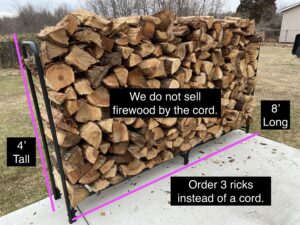
A rick of firewood is a way to describe a specific amount of split firewood, but it’s not a precise measurement like a cord. The word “rick” comes from old English, meaning a pile or stack. In the United States, a rick usually refers to a stack of firewood that is 4 feet high and 8 feet long. The key detail is that the depth of the stack depends on the length of each piece of wood, often called the “stick” or “face length.”
In most cases, a rick is the same as a face cord. A standard firewood piece is 16 inches long, so a common rick would be 4 feet high, 8 feet long, and 16 inches deep. However, some suppliers might cut firewood in lengths of 12 or 24 inches, which changes the amount of wood in the rick.
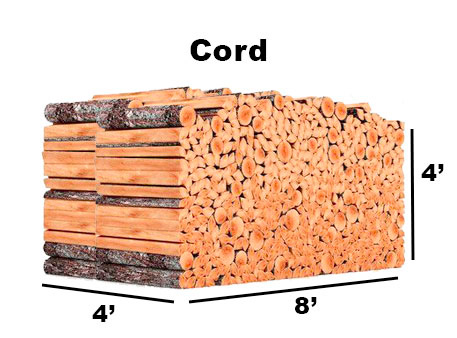
A full cord, by comparison, is 4 feet high, 4 feet deep, and 8 feet long. This means a rick with 16-inch logs is one-third of a full cord. But if the wood is cut shorter or longer, the amount you get changes.
Always ask your supplier the length of the logs before you buy.
The History And Regional Use Of “rick”
The term “rick” has been used for centuries to describe a pile of material, not just wood. Farmers would use it to talk about stacks of hay or grain. Over time, certain regions in the US, especially the Midwest and South, started using “rick” to describe a stack of firewood.
In places like Indiana, Missouri, and Oklahoma, asking for a rick of firewood is common. However, in other regions, the term might not be recognized or could mean something different. This is important if you are moving or buying from a supplier outside your area.
Some people use “rick” and “face cord” interchangeably, but not all suppliers do. A face cord is always 4 feet high by 8 feet long, but the depth depends on the log length. Because of these differences, misunderstandings happen. It’s always best to clarify what you are getting before making a purchase.
How Big Is A Rick Of Firewood?
The actual size of a rick depends on the length of each piece of firewood. Here’s what you need to know:
- Standard rick: 4 feet high x 8 feet long x 16 inches deep (with 16-inch logs)
- With 12-inch logs: 4 feet high x 8 feet long x 12 inches deep
- With 24-inch logs: 4 feet high x 8 feet long x 24 inches deep
Let’s compare these sizes in a simple way:
| Log Length | Stack Size (H x L x D) | Volume (Cubic Feet) | Fraction of a Full Cord |
|---|---|---|---|
| 12 inches | 4′ x 8′ x 1′ | 32 | 1/4 cord |
| 16 inches | 4′ x 8′ x 1.33′ | 42.67 | 1/3 cord |
| 24 inches | 4′ x 8′ x 2′ | 64 | 1/2 cord |
A full cord is 128 cubic feet (4 ft x 4 ft x 8 ft). So, a rick with 16-inch logs is about one-third the size of a cord.
Non-obvious insight: Some suppliers might try to sell a “rick” with shorter logs, giving you less wood than expected. Always check the log length.
Rick Vs. Cord: What’s The Difference?
Many people confuse a rick and a cord, but they are not the same. The biggest difference is that a cord is a legally defined measurement, while a rick is not.
Cord:
- Always 128 cubic feet (4 feet high x 4 feet deep x 8 feet long)
- Used as the standard for selling firewood in most states
- Easy to compare prices and get fair value
Rick:
- Not a legal measurement
- 4 feet high x 8 feet long, but the depth can change
- The actual amount of wood depends on the length of the logs
Here’s a quick comparison:
| Measurement | Height | Length | Depth | Volume | Standardization |
|---|---|---|---|---|---|
| Full Cord | 4 feet | 8 feet | 4 feet | 128 cu ft | Legal |
| Rick (16″ logs) | 4 feet | 8 feet | 1.33 feet | 42.67 cu ft | Not legal |
Non-obvious insight: Some states only allow firewood to be sold by the cord or fractions of a cord. If you live in such a state, you could have problems if you only ask for a rick.

Credit: www.firepitsurplus.com
Why Do People Use The Term “rick”?
The main reason people use “rick” is tradition. In some areas, it’s just the common way to talk about a stack of wood. It’s also easier for sellers and buyers who only need a small amount of firewood, not a full cord.
A rick is a good choice for:
- People with small fireplaces or wood stoves
- Homeowners who only need firewood for a few weeks
- Campers or occasional users
For someone with a large home or who burns wood daily, a full cord or more makes sense. But for many, a rick is a practical and affordable option.
How Many Pieces Of Wood Are In A Rick?
The number of pieces in a rick depends on the size of each log and how tightly the wood is stacked. On average, a rick with 16-inch logs contains 275 to 325 pieces of firewood. If the logs are shorter, you’ll get more pieces, but less total wood.
A few factors change the count:
- Log thickness: Thicker pieces mean fewer logs per stack.
- How tightly it’s stacked: Loosely stacked wood takes up more space, so you get fewer pieces.
- Type of wood: Some woods are heavier and denser.
If you need a specific number of logs (for example, for selling bundles), always ask for the count and measure the stack yourself.
How Long Does A Rick Of Firewood Last?
The answer depends on how much wood you burn each day. For someone using a wood stove or fireplace every night, a rick might last 2–3 weeks. If you only burn wood on weekends, it could last all winter.
Here are some examples:
- Daily heating: 2–3 weeks
- Occasional use (weekends only): 2–3 months
- Outdoor firepit use: 3–6 months (if fires are small)
Non-obvious insight: The type of wood makes a big difference. Hardwoods like oak or hickory burn hotter and longer, so a rick of hardwood lasts longer than a rick of softwood.
How Much Does A Rick Of Firewood Cost?
Prices for a rick of firewood vary by location, wood type, and season. On average, a rick of seasoned hardwood costs $75 to $150 in the Midwest. In areas where wood is scarce, prices can be higher.
A few things affect the price:
- Type of wood: Hardwoods cost more than softwoods.
- Seasoning: Seasoned (dried) wood is more expensive, but burns better.
- Delivery: Some suppliers include delivery; others charge extra.
- Stacking: Some sellers will stack the wood for you, for a fee.
During peak heating season (late fall and winter), prices go up. If you want to save money, buy in spring or summer.
How To Stack A Rick Of Firewood
Proper stacking is important. A well-stacked rick dries faster, burns better, and takes up less space. Here’s how to do it:
- Choose a dry, level spot. Avoid stacking wood directly on soil.
- Use a base. Pallets, 2x4s, or firewood racks keep wood off the ground, preventing rot.
- Stack loosely. Air should flow between the logs to dry the wood.
- Keep it covered. Use a tarp or firewood cover, but leave the sides open for air.
- Face the cut ends outward. This helps moisture escape.
- Stack no higher than 4 feet. Higher stacks can fall over and are hard to manage.
Practical tip: If you stack wood against your house, leave a gap for airflow and to prevent insects from getting inside.
How To Store A Rick Of Firewood
Storing your rick correctly keeps the wood dry and ready to burn. Bad storage means wet wood, mold, and wasted money.
- Store outdoors if possible. Wood should be kept in a well-ventilated spot.
- Keep it off the ground. Use pallets, bricks, or a firewood rack.
- Cover only the top. Don’t wrap the stack fully, as this traps moisture.
- Keep away from your home. Store at least 20 feet from your house to reduce pest risks.
- Check for pests. Look for ants, termites, or other insects before bringing wood inside.
If you must store wood indoors, only bring in a small amount at a time.
How To Season A Rick Of Firewood
Seasoning means drying the wood so it burns clean and hot. Freshly cut (green) wood is full of water, which makes it smoke and burn poorly.
Steps to season your rick:
- Stack wood so air can flow. Use the methods above.
- Leave it for 6–12 months. Hardwoods take longer; softwoods dry faster.
- Check the color. Seasoned wood is gray and cracked on the ends.
- Test the moisture. Use a moisture meter; seasoned wood is below 20% moisture.
Practical tip: If wood is too wet, it will hiss and sizzle in the fire. If it’s dry, it will burn quickly and cleanly.
Is A Rick Enough For Winter?
This depends on your home, climate, and how you use your fireplace or stove. In cold climates, most homes need 3–6 full cords for a winter of wood heating. A rick is only 1/3 of a cord, so it’s not enough for a whole winter unless you burn wood rarely.
If you’re only using wood for a few fires a month, one or two ricks may be enough. For daily heating, plan for several cords. Always buy more than you think you’ll need; leftover wood keeps until next year.
Credit: firewoodtulsa.com
Types Of Wood Commonly Sold In Ricks
Not all wood is the same. The type of wood in your rick affects how well it burns, how much heat you get, and how often you need to add logs.
Hardwoods (oak, hickory, maple):
- Burn longer and hotter
- Make less smoke and ash
- Cost more
Softwoods (pine, spruce, fir):
- Ignite quickly
- Burn faster and cooler
- Produce more smoke and creosote
For most home heating, hardwoods are better. For outdoor fires or kindling, softwoods are fine.
Non-obvious insight: Mixing hardwood and softwood can be useful. Start the fire with softwood, then add hardwood for long-lasting heat.
Buying A Rick: What To Watch Out For
Not all firewood sellers are honest. Here are some things to watch for:
- Log length: Always ask how long the pieces are.
- Stacked vs. thrown: Wood should be stacked tightly for measurement. A loose pile is much less wood.
- Seasoned or green: Ask if the wood is seasoned. Green wood is heavier but burns poorly.
- Delivery details: Confirm if stacking is included and where the wood will be dropped.
Practical tip: Measure the wood yourself. A rick should be 4 feet high by 8 feet long. Bring a tape measure and count the rows.
Common Mistakes When Buying Or Using A Rick
Many beginners make mistakes that cost money or make fires harder to manage.
- Not checking log length: Shorter logs mean less wood.
- Buying green wood: It’s heavier, but burns poorly.
- Not stacking properly: Wet or poorly stacked wood won’t season.
- Storing wood against the house: Increases risk of bugs and rot.
- Ignoring local laws: Some areas have rules about how wood can be sold.
Non-obvious insight: Never pay by the “truckload” or “pile” unless you see the wood measured and stacked.
Rick Of Firewood Vs. Other Firewood Measurements
Besides “rick” and “cord,” you might hear other terms:
- Face cord: Same as a rick (4’ x 8’ x log length)
- Half cord: 4’ x 4’ x 4’ (64 cubic feet)
- Quarter cord: 2’ x 4’ x 4’ (32 cubic feet)
- Bundle: Small, wrapped package, usually 0.75 cubic feet
Here’s a look at how these compare:
| Measurement | Dimensions | Volume (cu ft) | Common Use |
|---|---|---|---|
| Full Cord | 4’ x 4’ x 8’ | 128 | Home heating |
| Half Cord | 4’ x 4’ x 4’ | 64 | Small homes |
| Quarter Cord | 2’ x 4’ x 4’ | 32 | Outdoor fires |
| Rick/Face Cord | 4’ x 8’ x 16” | 42.67 | General use |
| Bundle | Varies | 0.75 | Campfires |
This makes it easy to compare what you are getting.
Legal And Regulatory Issues
In the US, many states have laws about how firewood is sold. Most require sales by the cord or fraction of a cord. If you buy by the rick, ask if it’s legal in your area.
Selling by cord makes things fair for both buyers and sellers. If you ever feel cheated, you can contact your state’s weights and measures department.
For more on firewood regulations, see the Wikipedia page on cords.
Environmental Considerations
Burning wood is considered a renewable energy source if harvested properly. However, buying local wood helps prevent the spread of tree diseases and pests. Never transport firewood long distances, as this can move invasive bugs.
Look for wood from sustainable sources, and check if your area has any burning restrictions for air quality.
How To Get The Most From A Rick Of Firewood
To maximize your firewood:
- Burn seasoned hardwoods for best heat and efficiency.
- Store wood properly to keep it dry and pest-free.
- Clean your chimney regularly to avoid creosote buildup.
- Use a firewood rack to keep wood off the ground.
- Split large pieces for easier burning.
If you use your rick wisely, you’ll get more heat, less smoke, and save money.
Frequently Asked Questions
How Many Wheelbarrows In A Rick Of Firewood?
A standard wheelbarrow holds about 3 cubic feet of wood. A rick with 16-inch logs is about 42–43 cubic feet. So, you’ll need around 14 wheelbarrow loads to move a full rick.
Is A Rick The Same As A Face Cord?
Yes, in most cases. Both are 4 feet high by 8 feet long stacks. The difference is in the log length. If the logs are 16 inches, a rick and a face cord are the same.
How Do I Know If My Firewood Is Seasoned?
Seasoned firewood is grayish, cracked at the ends, and feels lighter. Tap two pieces together; if it sounds hollow, it’s dry. You can also use a moisture meter; below 20% means it’s ready.
Can I Burn A Rick Of Firewood In An Outdoor Firepit?
Yes, but a rick is a large amount for most firepits. If you only have occasional fires, a rick could last many months. Always store wood properly to keep it dry and pest-free.
Why Do Some Suppliers Sell By The Rick And Others By The Cord?
Tradition and regional language play a role. Some areas use “rick” as the standard, while others only use “cord. ” If you want to compare prices or amounts, always ask for the exact measurements and log length.
A rick of firewood is a practical choice for many, but always confirm what you are buying. With the right knowledge, you’ll stay warm all season and avoid costly mistakes.
Credit: bostonfirewood.com