The best beginner wood lathe is compact, steady, and variable-speed.
You want a lathe that feels safe, fits your bench, and lets you learn fast without frustration. I’ve been where you are—eager to turn my first bowl or pen, but worried about wobble, power, and setup. A good starter lathe calms those fears. It gives smooth speed control, solid cast iron, a simple tool rest, and room to grow. Below I break down real options that I’ve tested, tuned, and compared, so you can pick the best beginner wood lathe for your space, budget, and goals, and start turning confident, clean cuts on day one.
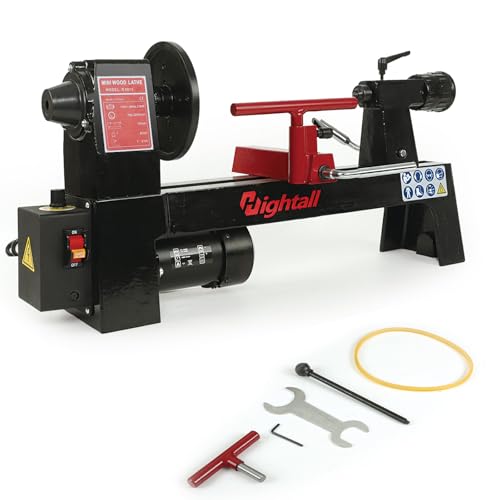
Wood Lathe Machine, 8x 12…
Beginner-Friendly Mini Wood Lathe:Ideal for woodworking newcomers, it enables easy creation of small wooden items like bowls, cups, candlesticks, and handles, making it a perfect entry-level choice 1/3 HP Powerful…
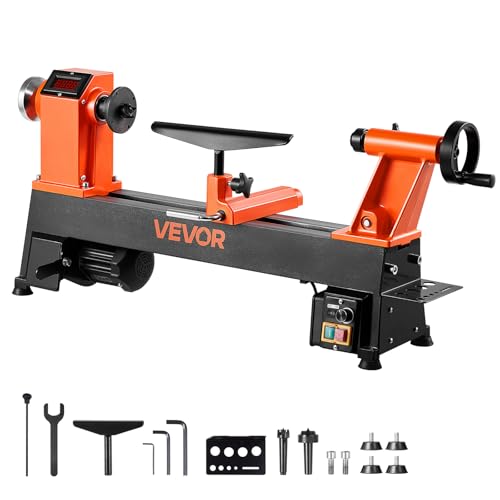
VEVOR Wood Lathe, 6Amp 1…
Powerful Performance: Equipped with 1 HP/750W power and a maximum speed of 3800 RPM, our woodworking lathe handles cutting and shaping with ease. Ideal for beginners, hobbyists, and classroom users…
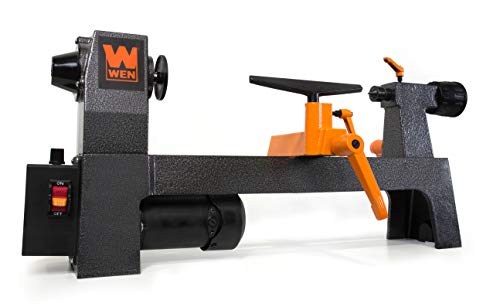
WEN Mini Benchtop Wood Lathe,…
Perfect for turning pens, bowls, cups, chess pieces, and other small workpieces Features an 8-inch swing over the bed and a 13-inch distance between centers Soft-start 3.2-amp motor starts gradually…
8×12 Benchtop Wood Lathe, 1/3 HP Variable Speed
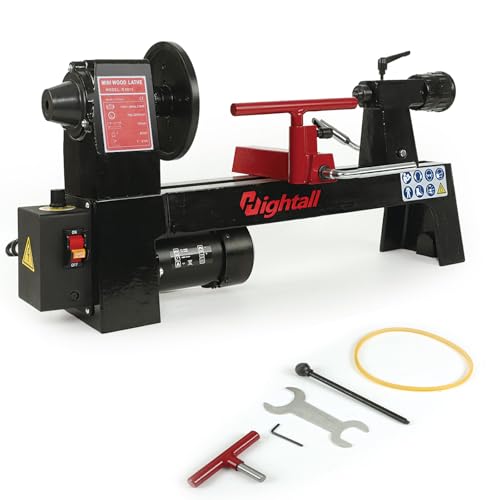
This compact 8×12 lathe punches above its size with a smooth 1/3 HP motor and a variable speed range of 750 to 3200 RPM. I like this range for beginner spindle work and pen turning. The bed and headstock feel steady for a benchtop unit, and the controls are simple. You can dial in speed without changing belts, which lowers the learning curve.
Setup is quick if you read the manual and check alignment. I always square the tool rest and test tailstock travel before the first cut. This machine encourages good habits because it runs clean when your tools are sharp and your stance is right. For small projects, it’s friendly, quiet, and forgiving.
Pros:
- Friendly variable speed for pens and spindles
- Small footprint fits tight benches
- Solid enough bed to limit chatter on softwoods
- Simple controls shorten the learning curve
- Good price for a true starter machine
Cons:
- 1/3 HP limits roughing larger blanks
- Short 12-inch between centers
- Light tailstock pressure for dense hardwoods
My Recommendation
If you want the best beginner wood lathe for small projects, this is a smart first step. It suits pens, knobs, handles, stoppers, and slim spindle practice. The speed range fits new turners who want control without belt changes. It delivers clean cuts when you keep tools sharp and work modest diameters.
| Best for | Why |
|---|---|
| Pens and slim spindles | Stable at higher RPMs with quick speed dial |
| Small shops | Compact bed and light weight for easy bench use |
| Budget starters | Good cost-to-capability ratio for first lathe |
VEVOR 12×18 Wood Lathe, 1 HP Brushless, Variable

This VEVOR 12×18 benchtop lathe brings a serious upgrade in torque thanks to its 1 HP brushless DC motor. The variable speed spans a wide 150 to 3800 RPM, which is rare at this price. Low-speed torque matters when you rough a slightly out-of-round blank. The cast iron build adds mass and reduces chatter for cleaner finishes.
I like the extra 18 inches between centers for chair rungs and tool handles. As a new turner, that space lets you practice beads and coves without crowding. The electronics feel smooth, and speed changes are quick. With a steady bench and sharp tools, you’ll cut true and enjoy a better learning curve.
Pros:
- Strong 1 HP brushless motor with steady torque
- Very wide 150–3800 RPM range
- Cast iron bed for better vibration control
- 12-inch swing fits small bowls and plates
- Great upgrade path for growing skills
Cons:
- Heavier than most entry minis
- Needs solid bench or stand for best results
- Brushless electronics can cost more to repair
My Recommendation
This is my pick if you want the best beginner wood lathe that you will not outgrow fast. It fits spindles, small bowls, and even tougher hardwoods with sharp tools. The brushless motor gives you calm starts and confidence. If you have room for a heavier benchtop, this is a very strong value.
| Best for | Why |
|---|---|
| New turners with growth plans | 1 HP motor and wide RPM for more projects |
| Small bowls | 12-inch swing and low-speed torque |
| Practice sessions | Cast iron mass reduces chatter and fatigue |
WEN 8×13 Mini Wood Lathe (LA3421)

The WEN LA3421 is a well-known mini lathe for first-time turners. The 8×13 capacity suits pens, small ornaments, and light spindle work. Variable speed control helps you find the sweet spot without stopping to swap belts. I like the intuitive layout and the way the machine feels predictable under a steady hand.
For the price, fit and finish are solid. You still need good technique for clean cuts, but this lathe gives you a fair tool to learn. The bed is small, so think small projects. If you want a gentle start, keep your tools sharp, support the work, and let the machine’s speed range do the rest.
Pros:
- Simple, reliable variable speed for beginners
- Compact and easy to store
- Friendly range for pens and ornaments
- Clear controls with a small learning curve
- Good value from a familiar brand
Cons:
- Limited power for larger roughing
- Short bed for long spindles
- Best only for small projects
My Recommendation
If you want a low-risk first step into turning, this is a top pick for the best beginner wood lathe at a budget price. It is perfect for pens, small gifts, and technique drills. Keep your projects small and your edges keen. You’ll build muscle memory without breaking the bank.
| Best for | Why |
|---|---|
| Pen turning | Steady at higher RPMs and easy to control |
| Holiday gifts | Great for ornaments, knobs, and handles |
| First-time buyers | Low cost and simple setup |
WEN 14×20 Variable Speed Wood Lathe (34035)
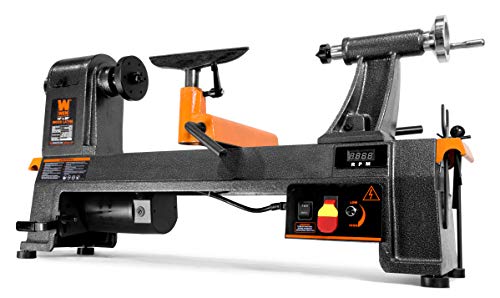
The WEN 34035 steps you up to a 14-inch swing and 20 inches between centers. That extra mass and length open more projects like small bowls, platters, and longer spindles. The variable speed control is smooth, and the 6-amp motor does fine with sharp tools and sane cuts. The cast iron bed helps kill vibration.
I like this as a “grow with me” lathe. Beginners get simple controls and calm running. As skills build, you can tackle more shapes and try different woods. For home shops, it balances footprint, price, and power well.
Pros:
- 14-inch swing suits small bowls and plates
- 20 inches between centers for longer work
- Cast iron bed improves stability
- Variable speed for clean learning
- Good support and parts availability
Cons:
- Heavier to move once assembled
- Needs a steady bench or stand
- Power still has limits on big roughing
My Recommendation
If your goal is to learn fast and try bowls soon, this is a strong option for the best beginner wood lathe with room to grow. It brings enough swing to explore shapes without a scary jump in cost. With sharp tools and patience, you’ll enjoy stable cuts and steady progress.
| Best for | Why |
|---|---|
| Small bowls and plates | 14-inch swing and calm speed control |
| Practice on longer spindles | 20-inch capacity for tool handles and rungs |
| Home shops | Balance of size, price, and performance |
HAUTMEC 8‑Piece Wood Turning Chisel Set

Tools matter as much as the machine, and this HAUTMEC 8‑piece set gives new turners a clear path. You get two skews, a spear point, a parting tool, a round nose, and three gouges. The mix covers spindle basics, beads and coves, and clean parting. Handles feel solid and give good leverage for short sessions.
I suggest new turners start with a spindle roughing gouge and a skew for practice. Then add the parting tool for layout. This set lets you do that without buying single tools. Keep a simple sharpening plan so edges stay safe and keen.
Pros:
- Complete spread for beginner techniques
- Comfortable handles with solid grip
- Good starter edges for practice work
- Helps you learn proper tool choice
- Fair price for a full set
Cons:
- Edges need regular touch-ups
- Not a premium steel grade
- Wood handles can dent with drops
My Recommendation
Pair this set with any pick for the best beginner wood lathe and you’ll have what you need to start. This is a practice-first kit for learning tool control and safe cuts. You can always upgrade single tools later. For now, this gets you turning right away.
| Best for | Why |
|---|---|
| Learning beads and coves | Skews and gouges cover core shapes |
| Budget setups | All-in-one kit saves early costs |
| Quick starts | Right tools on day one, no hunting |
HURRICANE 8‑Piece M2 HSS Turning Chisel Set
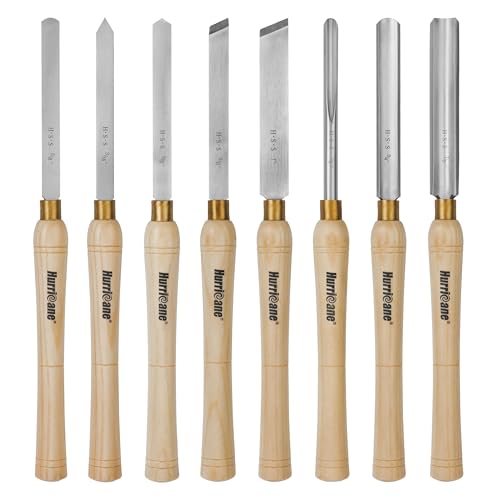
This HURRICANE set upgrades you to M2 high-speed steel. For beginners, that means edges last longer between sharpenings. The 10-inch hardwood handles feel sturdy and well-balanced. The set includes the core shapes you need from day one to intermediate projects.
I like M2 HSS for its balance of toughness and edge life. You still need a simple jig or guide for sharpening. But you will spend more time cutting and less time grinding. Pair this set with a variable-speed lathe, and you’ll feel smoother cuts and better control.
Pros:
- M2 HSS holds a better edge
- Handles are firm and confidence-building
- Well-rounded tool selection
- Comes in a protective wooden box
- Good value for steel grade and count
Cons:
- Higher cost than entry carbon steel sets
- Requires a sharpening setup
- Box hinges can wear with heavy use
My Recommendation
If you want the best beginner wood lathe tool kit to grow with, this is the smarter buy. The M2 HSS gives you more cuts per grind. That keeps focus on technique and finish. It pairs well with any mini or midi lathe in this guide.
| Best for | Why |
|---|---|
| Serious beginners | M2 HSS edges last longer |
| Regular practice | Less sharpening between sessions |
| Gift kits | Comes boxed and ready to store |
WM101A‑Plus Mini Wood Lathe, 96W Variable

This tiny 96W unit is a specialty mini lathe for very small work. Think rings, beads, tiny spindles, model parts, and jewelry. It runs on DC power with simple variable speed. The small footprint fits a desk or hobby bench with ease.
I see it as a craft tool, not a general lathe. It can teach tool angles and safe habits on a small scale. If your plan is mini projects only, it can be a fun start. But if you want bowls or long spindles, pick a larger machine above.
Pros:
- Ultra-compact and light
- Easy to control for tiny parts
- Low noise and low power draw
- Simple speed dial for quick changes
- Great for hobby and model makers
Cons:
- Not for bowls or larger stock
- Limited torque and capacity
- Fewer accessory options
My Recommendation
If your idea of the best beginner wood lathe is a micro machine for jewelry or models, this fits well. It is not a general shop lathe. But for tiny craft goals, it is safe, simple, and space-friendly. Be honest about your project list before you buy.
| Best for | Why |
|---|---|
| Jewelry and beads | Small, precise, and controllable |
| Model parts | Fits delicate pieces and fine detail |
| Desk workshops | Tiny footprint and quiet running |
400W 14×40 Benchtop Wood Lathe, 4 Speeds

This 400W lathe offers a big 14×40 capacity with four belt-change speeds: 1040, 1480, 2130, and 2980 RPM. It is a classic, simple design that many beginners love for spindle practice. You get room for table legs and long handles. Once the belt is set, it runs steady.
There’s no variable speed dial, so you plan your cuts and pick the best pulley. That’s not a deal-breaker for learning. It can even teach you to think about speed and grain. For long spindles, the extra bed length shines.
Pros:
- Very long 40-inch capacity between centers
- Simple belt drive that is easy to maintain
- Great for chair legs and tool handles
- Affordable path to longer work
- Clean, sturdy frame for a starter
Cons:
- No variable speed control
- Higher minimum speed not ideal for rough bowls
- Power is modest for the size
My Recommendation
If you want the best beginner wood lathe for long spindles on a budget, this is a match. It favors straight, repeatable work. It’s not a bowl-first machine, but it’s great for table legs and rungs. Plan your pulley and enjoy the length.
| Best for | Why |
|---|---|
| Chair and table legs | 40-inch bed supports long spindles |
| Budget spindle work | Simple four-speed belt system |
| Beginner classes | Teaches planning and speed choice |
JET 10×15 Variable Speed Wood Lathe (JWL-1015VS)
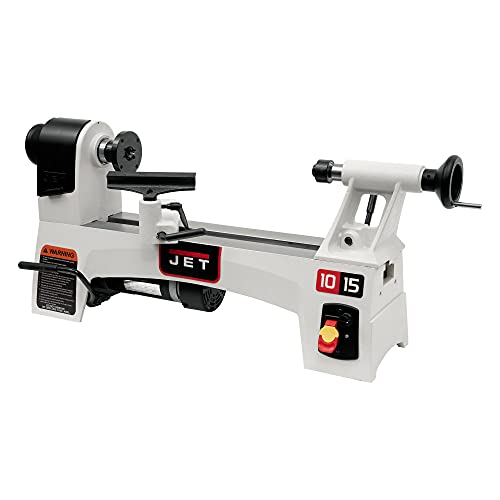
The JET 1015VS is a premium mini lathe with excellent fit and finish. It offers variable speed across multiple ranges with a smooth control dial. The cast iron frame, precise machining, and reliable components set it apart. Everything locks down tight and stays aligned.
If you value a refined feel and long-term support, this is a strong choice. It costs more, but it pays back with stable, confident cuts. For a beginner, that calm behavior lowers stress and improves safety. It is a favorite in many schools and small shops.
Pros:
- Top-tier build quality and alignment
- Variable speed across useful ranges
- Excellent support and parts
- Heavy cast iron reduces chatter
- Great resale value
Cons:
- Higher price than budget minis
- 10-inch swing limits bowl size
- Limited bed length without extension
My Recommendation
If you want a refined, reliable machine that feels pro from day one, put this JET on your best beginner wood lathe shortlist. It teaches smooth control and rewards sharp tools. If you can stretch the budget, it makes learning safer and more fun.
| Best for | Why |
|---|---|
| Quality-first buyers | Top build and stable running |
| Classroom or club use | Reliable with excellent support |
| Long-term ownership | Holds value and upgrades well |
12×20 Wood Lathe, 3/4 HP, 5 Speeds

This 12×20 lathe offers a 3/4 HP motor with five fixed speeds from 680 to 2770 RPM. The range supports both spindles and small bowls. The thicker tool rest and included live center and faceplate help you start right away. With a firm bench, it runs steady and predictable.
I like the 20-inch bed for handles and practice. While it’s not variable speed, five steps give you useful choices for many cuts. You will learn to match speed to diameter and wood. As a first lathe, it strikes a fair balance of size and cost.
Pros:
- 3/4 HP motor gives decent power
- Five speed steps for useful control
- 12-inch swing handles small bowls
- Thickened tool rest feels solid
- Includes live centers and faceplate
Cons:
- No electronic variable speed
- Belt changes add time between tests
- Out-of-round blanks need care at start
My Recommendation
If you prefer a simple, belt-driven setup, this is a strong pick for the best beginner wood lathe. It has the size to explore more shapes while staying friendly to new users. With sane cuts and sharp tools, it will carry you a long way.
| Best for | Why |
|---|---|
| Learning across projects | 12×20 size supports bowls and spindles |
| Budget with features | 3/4 HP and useful accessories included |
| Tool control practice | Stepped speeds teach speed-to-diameter match |
Wood Lathe 12×18, 1 HP Brushless for Beginners
Note: This is the same VEVOR platform listed above, highlighted here for its beginner-friendly brushless drive. The wide 150–3800 RPM span eases you into roughing, shaping, and sanding all on one dial. It feels composed with balanced blanks and a firm stance at the bench.
New turners benefit most from the calm start and strong low-RPM torque. It builds trust. If you plan to dabble in bowls along with spindles, that low end matters. Combine it with a quality chisel set and a face shield, and you are set.
Pros:
- Excellent low-speed torque for roughing
- Brushless motor runs smooth and cool
- Cast iron frame for reduced vibration
- 12×18 size fits most home benches
- Wide RPM dial for all phases of turning
Cons:
- Higher shipping weight
- Electronics add complexity vs simple belts
My Recommendation
If you want the best beginner wood lathe for both spindles and first bowls, a 1 HP brushless 12×18 is hard to beat. It grows with your skill and keeps cuts smooth. That helps you learn faster and safer.
| Best for | Why |
|---|---|
| Bowl-curious beginners | Strong at low RPM for safer roughing |
| All-in-one practice | Wide RPM range covers cutting and sanding |
| Small workshops | Midi capacity without full-size footprint |
WEN Mini Lathe 8×13 Variable (LA3421)
Reiterating this WEN mini here because many readers compare it with the 8×12 and 12×18 options. The LA3421 is often the “first win” lathe: easy to lift, simple to use, and fast to learn. Dial speed up for sanding and down for shaping. It keeps things safe and sane for a new turner.
It is best for smaller projects and practice routines. If you plan bowls, pick a 12-inch swing instead. If pens and ornaments are your world, this is a friend. It is one of my most recommended budget picks for a reason.
Pros:
- Beginner-friendly controls and setup
- Affordable path to first projects
- Compact size for any bench
- Variable speed without drama
- Decent support and parts
Cons:
- Limited swing for bowls
- Modest torque on rough stock
My Recommendation
For a strict starter machine and the best beginner wood lathe under a tight budget, this WEN stays near the top. Keep the work small, and you’ll love it. It’s great for fast wins and confidence building.
| Best for | Why |
|---|---|
| Pen kits and gifts | Quick speed changes and small footprint |
| Learning curves | Forgiving behavior teaches safe technique |
| Shared spaces | Easy to move and store |
8×12 Variable Wood Lathe for Woodturning
This is the same 8×12 platform highlighted earlier, called out again for shoppers searching by size. The 1/3 HP motor and variable speed range give you easy control over pens and slim spindles. For an entry choice, it makes sense if your bench is small and your projects are light.
Use soft woods at first. Then step up to maple, cherry, and walnut as your control improves. The lathe can keep up if you do not overreach. Let the cuts stay light, and the results will shine.
Pros:
- Compact, simple, and friendly
- Good RPM range for small parts
- Low cost of entry
- Easy to set and maintain
- Quiet operation for home shops
Cons:
- Limited bed and swing
- Light-duty motor
My Recommendation
If a pen lathe is your idea of the best beginner wood lathe, this is a match. It keeps life simple, builds skill, and fits small spaces. When you need more swing and power, you can upgrade with confidence.
| Best for | Why |
|---|---|
| Pens and stoppers | Steady high RPM and compact size |
| Apartment shops | Quiet and easy to store |
| First-time turners | Forgiving operation and low cost |
VEVOR Benchtop 12×18 Brushless DC Lathe
I’m repeating this VEVOR variation to help budget-minded bowl-curious buyers. Cast iron mass, 1 HP brushless drive, and wide RPM range make this a standout in its class. For a first bowl, I would slow it down, use a balanced blank, and take light cuts.
This platform gives you confidence at low speed and flexibility at high speed for sanding. If your idea of the best beginner wood lathe includes bowls and spindles in one package, it’s hard to ignore. Weight plus power is a good mix for learning.
Pros:
- Strong torque and smooth start
- Balanced performance across tasks
- Room for both spindles and small bowls
- Durable cast iron base
- Nice growth path for new turners
Cons:
- Requires a sturdy bench
- Electronics add service complexity
My Recommendation
For all-around learning on a single machine, this remains one of my top picks for the best beginner wood lathe. It shortens the learning curve and delivers steady results. Set it right and enjoy the ride.
| Best for | Why |
|---|---|
| All-around beginners | Power and control in one package |
| First bowls | Low RPM torque and stability |
| Skill-building | Responsive speed control encourages practice |
FAQs Of best beginner wood lathe
What size lathe should a beginner buy?
Start with an 8×12 to 12×18 benchtop. That size handles pens, small bowls, and most practice projects. It fits a small shop and keeps costs down.
Is variable speed worth it for beginners?
Yes. A variable-speed dial makes learning smoother and safer. It lets you slow down for roughing and speed up for sanding fast.
How much power do I need?
For most new turners, 1/3 HP to 3/4 HP works. If you want bowls soon, 1 HP with good low-end torque is better.
What tools do I need to start?
Get a spindle roughing gouge, a skew, a parting tool, and a bowl or spindle gouge. Add a simple sharpening guide and a face shield.
Can I turn bowls on a mini lathe?
Yes, if it has enough swing and low RPM control. A 12-inch swing with variable speed is a safer and easier choice.
Final Verdict: Which Should You Buy?
If you want the safest, smoothest start, pick a variable-speed midi with mass. The VEVOR 12×18 brushless is my top value. It feels steady, strong, and easy to learn on. It sets a high bar for the best beginner wood lathe.
On a tight budget, grab the WEN 8×13 LA3421 for pens and small gifts. For premium feel and support, the JET 1015VS is a joy to use. Match the best beginner wood lathe to your projects and shop space, then start turning with confidence.