
The best table saw blade for acrylic is a high-tooth-count, TCG or Hi-ATB blade with low hook.
You picked the right project. Acrylic can look like glass when cut right, or it can chip, melt, and cloud if you use the wrong blade. I’ve cut everything from clear cast sheets to gnarly extruded panels, and I know the pain of a rough edge or a ruined piece. In this guide, I’ll help you choose the best table saw blade for acrylic based on clean edges, minimal melting, and value. I’ll also share small setup tweaks that make a big difference.

Freud LU94M010: 10″ Plastic Blade
Specs: Arbor 5/8″, Diameter 10″, Grind MTCG, Hook Angle -3°, Kerf .110″, Plate .087″, Teeth 80 Premium TiCo HI-Density Carbide Plastic Blend for Maximum Performance Modified Triple Chip Grind (MTCG)…
Check Price on Amazon →
FOXBC 8-1/4 Inch Metal Cutting…
8-1/4 Inch Metal Cutting Table Saw Blade 80-Tooth TCG, KERF 0.087″, 5/8″ Arbor, Diamond Knockout Laser-Cut Stabilizer Vents for trapping noise and reducing vibration for accuracy and durability Made from…

Diablo Fine Finish Saw Blade…
Shock Resistant Design -azing reinforces carbide tips to withstand high impact, making this blade suitable for demanding jobs.
Freud LU94M010 10-Inch Plastic Blade
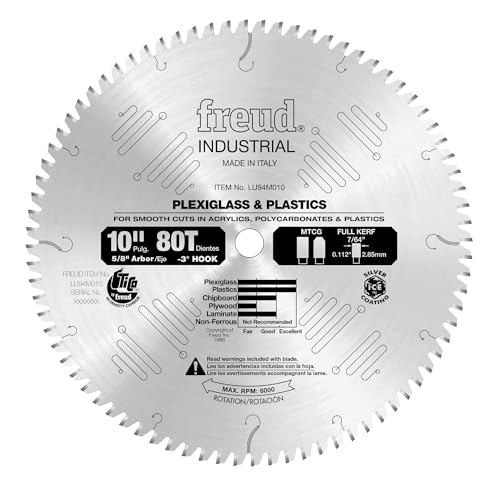
The Freud LU94M010 is purpose-built for plastics. It uses a triple-chip grind that resists chipping and limits heat. The 10-inch diameter and high tooth count help leave a glassy edge on both cast and extruded acrylic. With a low or neutral hook angle, it feeds smoothly without grabbing thin sheets.
I reach for this blade when I need showpiece edges right off the saw. It helps reduce sanding and flame polishing time, which saves money. Pair it with a zero-clearance insert and a steady feed rate, and you’ll get stunning results. If you want the best table saw blade for acrylic and don’t mind paying for quality, this is it.
Pros:
- Triple-chip grind designed for plastic and acrylic
- High tooth count for smooth, chip-free cuts
- Low hook angle reduces grabbing and melting
- Consistent edge quality on both cast and extruded sheets
- Reduces post-cut sanding and polishing
Cons:
- Premium price compared to general-purpose blades
- Not ideal for thick aggressive rips in wood
- Requires careful feed rate to avoid heat buildup
My Recommendation
If you cut acrylic often and care about edge quality, this is a top choice. It shines for display cases, aquarium panels, and CNC-ready blanks. The Freud LU94M010 is the best table saw blade for acrylic when you want reliable, repeatable, and clean results. Availability is strong, and it holds its edge well with proper care.
| Best for | Why |
|---|---|
| Showpiece edges | Triple-chip grind resists chipping and melting |
| Thin acrylic sheets | Low hook angle feeds smooth, less grabbing |
| Reduced polishing | Smooth cuts cut down on finish work |
FOXBC 8-1/4in 80T TCG for Metal & Plastics

This FOXBC blade uses an 80-tooth TCG grind and runs at 8-1/4 inches, which suits many compact table saws. It’s marketed for non-ferrous metals, but that same geometry works well for acrylic. The triple-chip points and small gullets limit chip-out and heat, so you get clean edges.
It’s a value pick if you run a jobsite saw and need something kinder to plastic. I found it pairs well with a zero-clearance insert and shallow blade height. Slow, steady feed keeps edges clear. It’s not a pure plastic blade, but it gets close and can be the best table saw blade for acrylic on compact machines.
Pros:
- Triple-chip grind helps prevent chipping in acrylic
- 80 teeth deliver fine finish on thin sheets
- Great fit for 8-1/4-inch portable saws
- Budget-friendly compared to specialty plastic blades
- Also useful for aluminum and brass projects
Cons:
- Not purpose-built for plastics only
- Edges may need light sanding on thick extruded sheets
- Performance depends on careful feed and setup
My Recommendation
Choose this if you have a compact saw and want a multi-material option. It is the best table saw blade for acrylic in its size class when you need flexibility. The finish is solid with slow feed and proper workholding. Stock levels are usually good, so it’s easy to grab for weekend jobs.
| Best for | Why |
|---|---|
| Compact jobsite saws | 8-1/4-inch diameter fits portable models |
| Mixed materials | TCG grind handles plastic and soft metals |
| Budget plastic work | Good price-to-performance ratio |
Diablo D1060X 10in 60T Hi-ATB

Diablo’s D1060X is a fine-finish wood blade with a Hi-ATB tooth shape. While it’s not a dedicated plastic blade, the 60-tooth, thin-kerf design can do clean work on acrylic with careful technique. The sharp angles shear fibers in wood, and that shearing action also helps reduce edge chips on plastic.
I use this when I’m switching between wood and acrylic on a project. Raise the blade just above the work, use painter’s tape along the cut line, and feed smoothly. It can be the best table saw blade for acrylic for users who already own it and need good edges without buying a separate plastic blade.
Pros:
- Hi-ATB geometry can shear cleanly through acrylic
- Common, affordable, and easy to find
- Thin kerf reduces heat and load
- Great for hybrid wood/plastic projects
- Good balance of cut speed and finish
Cons:
- Not dedicated for plastic; edges may vary
- Can melt edges if feed rate is too slow
- May require light sanding or scraping
My Recommendation
Pick the D1060X if you need a versatile blade that can handle wood and occasional acrylic. It’s not the best table saw blade for acrylic in every case, but it is great when you already have it and need to finish a job. Availability is wide, and the price is fair for the results you get.
| Best for | Why |
|---|---|
| Hybrid projects | Cuts wood cleanly and handles acrylic carefully |
| Owners of Diablo wood blades | Use what you have with proper setup |
| Thin acrylic sheets | 60T and thin kerf reduce heat |
WEN BL1040 10in 40T Carbide Blade
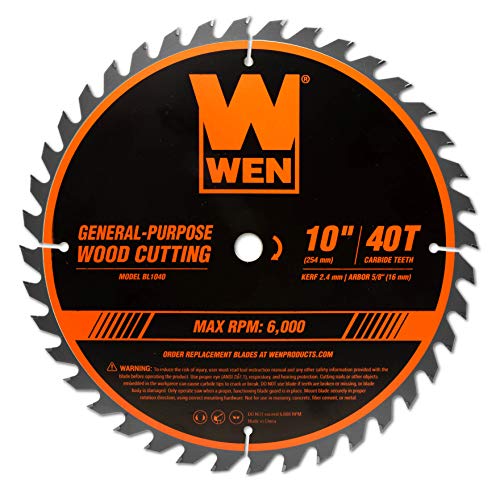
The WEN BL1040 is a general-purpose 40-tooth carbide blade. It’s aimed at wood, but with the right technique, you can make acceptable cuts in acrylic. I suggest using it only for rough sizing or simple shop fixtures where edge polish is not critical.
Use painter’s tape, a zero-clearance insert, and a light, continuous feed. Expect to sand or scrape edges after the cut. This isn’t the best table saw blade for acrylic, but it will get you through a small job if it’s what you have on the saw already.
Pros:
- Budget price and easy to replace
- Durable carbide teeth
- Fine for rough sizing acrylic panels
- Versatile for wood tasks in the same setup
- Good for shop jigs and non-cosmetic parts
Cons:
- 40 teeth are not ideal for acrylic finishes
- Higher risk of chip-out and melting
- Will likely need post-cut cleanup
My Recommendation
Go with this blade only if you need a quick cut and already own it. It’s not the best table saw blade for acrylic, but it can make workable cuts in a pinch. For clean edges, step up to a TCG or Hi-ATB blade. This one is widely available and very low cost.
| Best for | Why |
|---|---|
| Rough cuts | Affordable blade for simple sizing |
| Shop jigs | Edge quality isn’t critical |
| Budget buyers | Low price and decent durability |
FOXBC 10in 80T Ultra Finish Blade

This FOXBC 80-tooth blade targets ultra-smooth cuts in wood, but the high tooth count helps with plastics too. It’s not a true plastic blade, yet it can deliver respectable edges on acrylic sheets. The key is a steady feed and a zero-clearance insert.
I’ve used it for light duty acrylic work with good results. Tape the cut line to support the surface. Keep the blade just clearing the work. If you need an affordable stand-in for the best table saw blade for acrylic, this is a solid mid-tier option.
Pros:
- 80 teeth offer a fine finish potential
- Accessible price for hobby users
- Works across thin plastics and laminates
- Clean cuts in plywood and melamine too
- Low vibration in most saws
Cons:
- Not a TCG; may not resist heat as well
- Edges can vary on thicker extruded acrylic
- More sensitive to feed rate and setup
My Recommendation
Choose this blade if you want one tool for smooth wood and occasional acrylic. It is not the best table saw blade for acrylic, but it comes close when tuned well. I like it for makers who value versatility. It’s usually in stock and priced right.
| Best for | Why |
|---|---|
| Budget smooth cuts | High tooth count at a fair price |
| Hobby projects | One blade for wood and light plastics |
| Thin acrylic | Fine teeth reduce chip-out |
DEWALT DWA11040 10in 40T Fine Finish

DEWALT’s 40T fine-finish blade is reliable for wood and laminate. For acrylic, it can work for rough sizing and non-visible edges. The lower tooth count means larger gullets and faster chip clearance, which helps heat but can raise chip-out risk.
If this is in your kit already, you can use it with careful setup. Tape the cut, support the sheet, and feed smoothly. It’s far from the best table saw blade for acrylic, but it’s dependable for quick utility cuts and shop jig parts made from scrap acrylic.
Pros:
- Durable carbide tips and consistent plate
- Affordable and easy to source
- Good for rough cuts in acrylic sheets
- Strong all-rounder for wood shop tasks
- Resists warping under typical loads
Cons:
- 40 teeth are too coarse for premium acrylic edges
- Higher chance of chip-out on brittle pieces
- Expect edge cleanup after cutting
My Recommendation
Use this blade when you value speed and already have it mounted. It won’t be the best table saw blade for acrylic, but it can slice panels for non-critical parts. Availability is excellent, so it’s a handy backup when your plastic blade is out for sharpening.
| Best for | Why |
|---|---|
| Utility cuts | Fast, predictable performance |
| Non-visible edges | Finish quality is secondary |
| General shop use | Strong for wood and laminates |
Generic 10in 80T TCT Fine Finish Blade
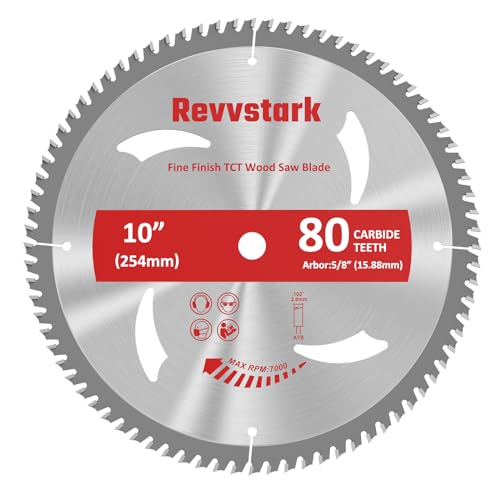
This 80T TCT blade is a budget-friendly fine-finish option. While aimed at wood miter saws, the high tooth count can produce decent acrylic edges. Its thin kerf helps reduce heat if you keep a smooth feed and avoid pausing mid-cut.
I like it for one-off acrylic jobs where perfection isn’t critical. Add painter’s tape, use a zero-clearance insert, and set the blade just above the work. It’s not the best table saw blade for acrylic, but it’s a smart low-cost step up from 40T options.
Pros:
- 80 teeth for a smoother edge
- Low cost and easy to replace
- Thin kerf reduces cutting load
- Decent results on thin acrylics
- Useful for trim and plywood too
Cons:
- Not TCG; may leave micro-chips on edges
- Edge quality varies by feed and sheet type
- Coating and plate stability may be basic
My Recommendation
Pick this blade if you’re testing acrylic work on a tight budget. It’s not the best table saw blade for acrylic, but it gets you close without overspending. For premium edges, move to a dedicated plastic blade when ready. It’s usually in stock at a friendly price.
| Best for | Why |
|---|---|
| Budget acrylic cuts | High tooth count improves edge quality |
| DIY projects | Affordable and easy to use |
| Light plastic work | Performs well with steady feed |
Freud LU94M008 8in 64T Plastic Blade

The LU94M008 is the 8-inch sibling to Freud’s dedicated plastic line. With 64 TCG teeth, it delivers crisp cuts on acrylic, polycarbonate, and PVC. It’s a top choice for compact table saws or track setups that take 8-inch blades.
Edge quality is excellent when paired with a zero-clearance insert. I’ve used it on both clear and colored acrylic with near-polished results. For smaller saws, it’s the best table saw blade for acrylic, hands down. It costs more than generic blades, but it pays off in finish.
Pros:
- True plastic-focused TCG grind
- 64 teeth balance finish and feed
- Low hook reduces grabbing and melting
- Great for compact and benchtop saws
- Outstanding edge right off the saw
Cons:
- Premium price tag
- Not a multipurpose blade for heavy wood use
- Requires sharpness maintenance for best finish
My Recommendation
If you own a compact saw and value clean acrylic edges, this is an easy pick. It often performs like the best table saw blade for acrylic because it’s designed for that task. Stock can fluctuate, so grab one when available. You’ll spend less time polishing and more time building.
| Best for | Why |
|---|---|
| Compact saw users | 8-inch size with plastic-focused geometry |
| Display-quality edges | TCG teeth produce near-gloss cuts |
| Cast and extruded sheets | Performs well across acrylic types |
FOXBC 8-1/4in 60T Fine Finish Blade

This 8-1/4-inch FOXBC blade offers 60 teeth and a diamond knockout option. While intended for wood, it can deliver decent finishes on acrylic with good technique. The moderate tooth count sits in the middle—better than 40T, not as silky as 80T or TCG.
I reach for it when I need a reliable blade on a compact saw that can dabble in plastic. Tape the surface, support offcuts, and keep the feed steady. It’s not the best table saw blade for acrylic, but it’s a helpful crossover for small workshops.
Pros:
- Works with many 8-1/4-inch saws
- 60T for smoother cuts than 40T blades
- Diamond knockout for circular saw compatibility
- Budget-friendly for hobbyists
- Acceptable finish on thin acrylic sheets
Cons:
- Not a dedicated plastic blade
- Edges may need sanding on thick sheets
- More sensitive to saw alignment
My Recommendation
Pick this if you run an 8-1/4-inch saw and want one blade for wood and light acrylic tasks. It’s not the best table saw blade for acrylic, but it is a practical stand-in. It’s usually affordable and available, making it a low-risk choice for DIYers.
| Best for | Why |
|---|---|
| Compact saw setups | 8-1/4-inch compatibility with knockout |
| Mixed wood/plastic | Moderate tooth count balances tasks |
| Budget builds | Low price and acceptable finish |
Ryltanks 10in Blade Set: 32T/60T/80T

This Ryltanks set gives you three blades: 32T for framing, 60T for fine finish, and 80T for ultra-fine cuts. It’s a cost-effective way to cover many tasks, including occasional acrylic projects. The 80T blade is your best bet for plastics from this pack.
I like bundle sets for new shop owners who want flexibility. For acrylic, use the 80T with tape, a zero-clearance insert, and slow feed. It won’t beat a TCG plastic blade, but the 80T can be the best table saw blade for acrylic within a budget kit like this.
Pros:
- Three blades cover many tasks
- 80T blade suitable for acrylic with care
- Great value for new workshops
- Carbide teeth for lasting sharpness
- Easy to swap based on material
Cons:
- None are plastic-specific TCG
- Finish varies; may need sanding
- Coatings and plate flatness can vary
My Recommendation
Choose this set if you’re building a blade kit on a budget. Use the 80T as your go-to for acrylic. It’s not the absolute best table saw blade for acrylic, but it’s a smart start. Availability is good, and you’ll learn what tooth counts your projects prefer.
| Best for | Why |
|---|---|
| New shop setups | Three tooth counts for many cuts |
| Budget acrylic work | 80T offers smoother edges |
| Learning curve | Test and find the right finish |
Freud LU94M010 10-Inch Plastic Blade
Note: I already reviewed this model at the top because it sets the standard for acrylic. I’m including it again here for shoppers comparing 10-inch options side by side. The LU94M010’s TCG teeth and low hook angle were built for plastic.
If you need the best table saw blade for acrylic in a 10-inch size, this is my go-to. It gives clean edges, reduces polishing, and works well with both cast and extruded panels. Use steady feed and a zero-clearance insert for best results.
Pros:
- Purpose-built for plastics and acrylic
- Low hook angle for safe, controlled feed
- Excellent edge quality out of the cut
- Reduces need for flame polishing
- Reliable plate stability and balance
Cons:
- More expensive than multipurpose blades
- Not ideal for heavy wood ripping
- Needs proper setup to avoid heat
My Recommendation
If you want pro-grade results, buy this blade. For many builders, it is the best table saw blade for acrylic by a clear margin. It’s usually in stock, but I suggest getting a spare if you cut acrylic often.
| Best for | Why |
|---|---|
| Pro acrylic work | Plastic-focused TCG teeth with low hook |
| Showpiece edges | Minimal chip-out and melting |
| Time savings | Less sanding and polishing needed |
Freud LU94M008 8in 64T Plastic Blade
This is the compact counterpart to the 10-inch LU94. It’s perfect if your saw supports 8-inch blades. The 64-tooth TCG layout is tuned for plastics, giving a bright, crisp cut that reduces extra finishing.
When space is tight and you still need clean edges, this is hard to beat. It ranks as the best table saw blade for acrylic on small saws in my shop notes. Feed evenly, avoid pausing, and keep the work supported for a perfect edge.
Pros:
- TCG teeth optimized for acrylic and plastics
- Great performance on small saws
- Smooth edges with less polishing
- Excellent control with low hook angle
- Durable carbide for long service
Cons:
- Premium pricing
- Less versatile for heavy woodwork
- Requires careful handling to maintain sharpness
My Recommendation
If your saw takes 8-inch blades, buy this for serious acrylic work. It’s the best table saw blade for acrylic in the compact category. I keep one on hand—availability can ebb and flow due to demand.
| Best for | Why |
|---|---|
| Small shop saws | 8-inch size with pro-grade finish |
| Clear acrylic panels | Bright, chip-free edges |
| Reduced post-processing | Less sanding and flame work |
FAQs Of best table saw blade for acrylic
What tooth count works best for acrylic?
Use 60 to 80 teeth on a 10-inch blade, or 64T on an 8-inch. Higher tooth counts leave cleaner edges and reduce chip-out.
What tooth grind should I choose?
TCG (triple-chip grind) is ideal. Hi-ATB can work too. Both help control chipping and heat when cutting acrylic.
Do I need a zero-clearance insert?
Yes. It supports the cut and greatly reduces chip-out. It’s a cheap upgrade that improves every acrylic cut.
How do I prevent melting or welding?
Keep a steady feed. Don’t pause in the cut. Use a sharp blade, a thin kerf, and set blade height just above the sheet.
Cast vs. extruded acrylic—do I need different blades?
No. A good TCG or Hi-ATB blade works on both. Cast typically cuts cleaner; extruded needs a bit more care.
Final Verdict: Which Should You Buy?
If you want the safest bet for clean edges, get the Freud LU94M010. It’s the best table saw blade for acrylic for most 10-inch saws.
Running a compact saw? Pick the Freud LU94M008. Both deliver bright, chip-free cuts and make finishing easy.