
The best wax for table saw tops is a silicone-free paste or dry-film spray that reduces friction, prevents rust, and won’t contaminate wood finishes.
You know that grabby, stop-and-go feel when a board fights its way across the cast-iron? Or the light flash of surface rust after a humid weekend? A good wax fixes both in minutes. The right formula makes your table slick, protects against rust, and keeps your cuts clean and safe. I’ve tested, reapplied, and compared many options so you don’t have to. If you want boards to glide like they’re on ice and blades that run cooler and cleaner, the best wax for table saw work is worth its weight in saved effort and better results.
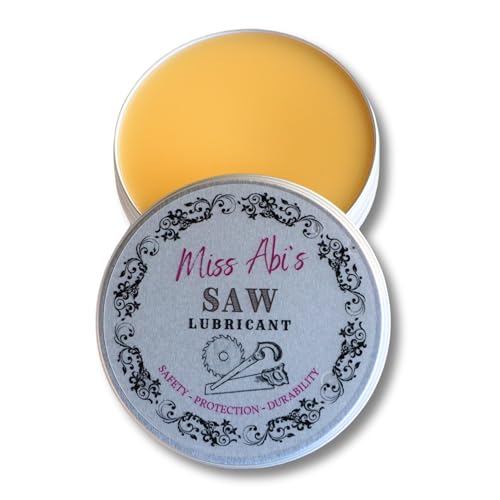
Saw Blade Lubricant by The…
Effortless Cuts – Reduces friction for smoother material gliding Minimizes Heat – Preserves blade and workpiece by reducing drag Stick-Free Cuts – Repels buildup, especially in resinous woods Rust Defense…
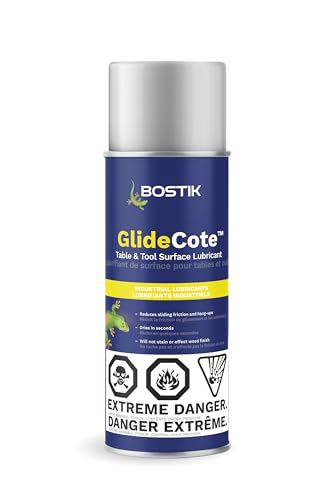
Bostik GlideCote 10.75 oz Aerosol…
Reduces Sliding Friction: Helps eliminate hang-ups on table and tool surfaces Will not stain or affect finishinbg or wood. 30% Slicker than Paste Wax: Provides smoother movement for saws and…
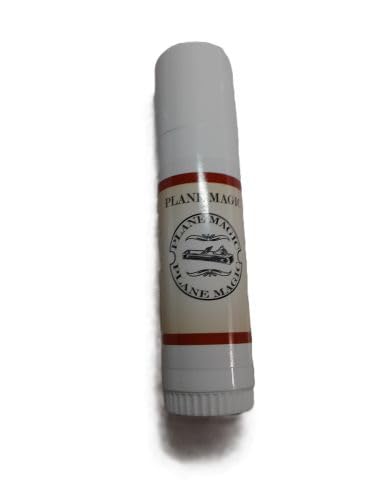
Plane Magic Tool lube use…
provide an easier glide to your work helps to resist rusting easy-to-use applicator
Delighted Dragon Saw Blade Lubricant

This paste-style saw wax is made for cast-iron tops, fences, and blades. It lays down a thin film that cuts friction and resists light rust. I found it easy to spread with a soft cloth and buff to a dry, slick finish. For push cuts and rip work, the board flow felt smooth and predictable.
As a blade lubricant, it helps reduce heat and pitch build-up during long rips. It also keeps miter slots and fences from feeling sticky. If you want a simple, scent-light paste for the shop, this one checks the right boxes. It is a practical option if you prefer a traditional paste over aerosol sprays.
Pros:
- Paste goes on thin and buffs to a dry finish
- Helps prevent light rust on cast-iron
- Improves feed rate with less push force
- Usable on fences, miter slots, and blades
- Low odor and shop-friendly application
Cons:
- Newer brand with limited long-term field reports
- Requires manual buffing to reach peak slickness
- Not as long-lasting as some dry-film sprays
My Recommendation
If you want an easy, paste-on solution that handles both the top and blade, this is a good pick. It suits beginners and hobbyists who want a clean, dry finish without fumes. It is a simple answer when you ask which is the best wax for table saw glide on a budget. It is also a smart backup to keep near your machine for quick touch-ups.
| Best for | Why |
|---|---|
| Everyday cast-iron care | Simple paste that applies fast and buffs dry |
| Blade touch-ups | Reduces friction and pitch on long rips |
| Low-odor shops | Light scent and no aerosol overspray |
Bostik GlideCote Aerosol Table Lubricant
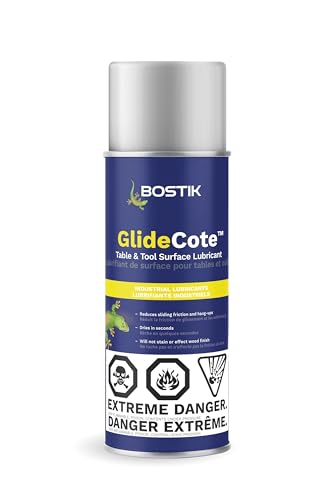
Bostik GlideCote is a dry-film aerosol that many pros keep on hand. It sprays on, flashes off fast, and leaves a slick, clean surface. The brand claims it’s 30% slicker than paste wax and lasts up to three times longer. In my shop, boards felt like they dropped the brake—feed pressure fell, and cuts stayed consistent.
I also like that it is non-staining and quick-dry, which is ideal before a busy run. I’ve had good results on the table saw, jointer beds, and planer feed tables. The film does not feel greasy, so it is finish-friendly. If you prefer spray convenience, this is a top contender for the best wax for table saw use.
Pros:
- Dry-film slickness with very fast dry time
- Lasts longer than most paste waxes per coat
- Non-staining and shop-safe on metal surfaces
- Excellent glide on large panels and hardwoods
- Great for jointers, planers, and fences too
Cons:
- Aerosol overspray needs masking if space is tight
- Usually costs more than basic paste wax
- Shipping restrictions may apply in some regions
My Recommendation
Pick GlideCote if you want a quick, pro-grade dry film that lasts. It fits busy shops and anyone who runs long boards or heavy hardwoods. If you want the best wax for table saw tops with near-zero downtime, this is the one I reach for most. It delivers clean glide, robust protection, and less reapplication.
| Best for | Why |
|---|---|
| High-volume cutting | Fast, durable dry film cuts friction for longer |
| Finish-sensitive work | Non-staining film buffs clean and dry |
| Multi-tool coverage | Works great on table saws, jointers, planers |
Plane Magic Tool Lube

Plane Magic is a favorite among hand tool users, but it shines on machine tables too. It goes on light, wipes clean, and makes surfaces feel fast without being oily. I like it on plane soles, bandsaw tables, and cast-iron tops that need a gentle, effective film. It also helps slow rust when weather swings hit.
On a table saw, it reduces push effort and eases crosscuts. I also rub a touch into miter gauge bars and sled runners. It does not gum up or attract dust like some oily products. If you want a trusted “shop lube” that works across tools, this earns a spot as a best wax for table saw alternative.
Pros:
- Light, clean film for smooth tool travel
- Great on plane soles, bandsaw tables, and fences
- Helps deter rust on cast-iron tops
- Low mess with easy wipe-off and buff
- Does not attract dust like oily lubes
Cons:
- Smaller bottle means more frequent rebuys
- Not as long-lasting as heavy-duty sprays
- Premium price for the volume
My Recommendation
Choose Plane Magic if you cross between hand tools and machines. It fits small shops that want one product for many tasks. As a best wax for table saw surface, it is a safe, light-duty solution that still feels very slick. It is also perfect if you dislike strong odors or heavy films.
| Best for | Why |
|---|---|
| Hybrid shops | One lube for planes, saws, and tables |
| Quick touch-ups | Wipes on clean and buffs in seconds |
| Dust-sensitive areas | Dry-feel film resists buildup |
Beeswax Furniture Polish Wood Wax
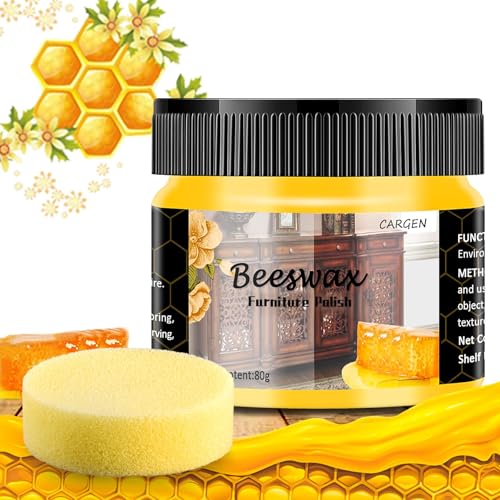
This beeswax polish is meant for furniture, but many woodworkers keep it as a shop standby. It buffs to a sheen and can add some glide on fences and auxiliary faces. On raw jigs and plywood sleds, it gives a nice low-friction feel. It can also refresh shop benches and vises.
Be mindful that furniture polishes may include oils or scents. On cast-iron tops, buff it very dry to avoid transfer. I prefer silicone-free options for machine tables to prevent finish issues on projects. Still, used with care, it can stand in as a best wax for table saw backup when supplies run low.
Pros:
- Easy to apply and buff to a dry shine
- Useful on fences, sleds, and jigs
- Conditions wood shop fixtures
- Affordable and widely available
- Pleasant scent for some users
Cons:
- May contain oils not ideal for cast-iron
- Potential to transfer to workpieces
- Not as slick or durable as pro machine waxes
My Recommendation
Pick this if you need a dual-use wax for wood jigs and light table touch-ups. It suits hobby shops where one product does many chores. For the best wax for table saw tops, I still prefer silicone-free, machine-focused products. But as a backup or jig conditioner, this is handy and cost-effective.
| Best for | Why |
|---|---|
| Wood jigs and sleds | Conditions wood and adds glide |
| Fence faces | Smooth feed against melamine or UHMW |
| Budget shops | Low price with broad uses |
All-Natural Wood Paste Wax, 3.5 oz

This all-natural paste wax is designed for wood care and sealing. On shop fixtures and wooden fences, it creates a smooth protective layer. It is a simple formula that buffs clean with a soft cloth. You can use it to keep plywood sleds and runners gliding well.
On a table saw’s cast iron, go light and buff thoroughly. Natural waxes can work as a best wax for table saw option if you avoid residue. I like it for hand tools, handles, and shop carts too. It fits makers who want fewer chemicals in the shop.
Pros:
- Natural wax formula with simple application
- Great for wood jigs, fences, and handles
- Buffs to a clean, low-friction finish
- Compact tin stores well in small shops
- Versatile for non-iron surfaces
Cons:
- Not as durable on iron as dry-film sprays
- May require frequent reapplication on tables
- Potential oil content can affect finishes if overused
My Recommendation
Choose this if you prefer natural ingredients and work mainly on wood jigs. It is a fine multi-use wax that keeps the shop tidy and smooth. For the best wax for table saw tops, consider pairing it with a silicone-free machine wax. Use this on sleds and runners while keeping your iron top for a pro-grade product.
| Best for | Why |
|---|---|
| Natural-shop setups | Reduced chemical load and easy cleanup |
| Wooden fixtures | Protects and slicks fences, sleds, runners |
| Small spaces | Compact tin, low odor |
Multi-Purpose Wood Wax, 35g
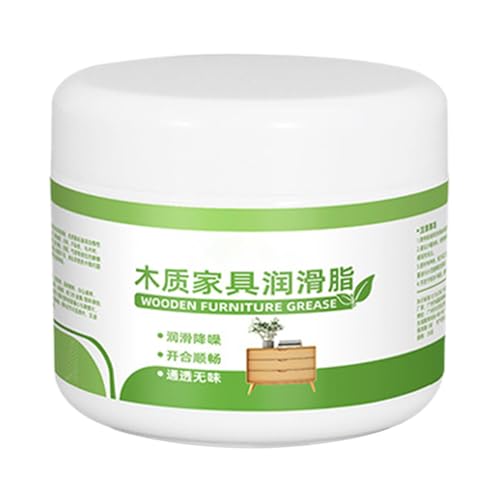
This compact wax stick is made for many sliding surfaces. It works on drawers, doors, and small shop fixtures. In the shop, I rub it along miter slots, T-tracks, and fence faces. It is quick, tidy, and easy to keep in a pocket or apron.
For cast-iron tops, it does help, but coverage is modest due to size. I treat it as a spot fix or travel option. As a best wax for table saw supplement, it shines on details other products miss. It is a practical add-on for maintenance kits.
Pros:
- Great for small surfaces and tight spots
- Reduces noise and friction on slides
- Portable and clean to apply
- Handy for fences, tracks, and runners
- Budget-friendly accessory
Cons:
- Small volume for full table coverage
- May need frequent touch-ups
- Not a primary rust barrier
My Recommendation
Get this wax as a pocket tool for miter slots and fence faces. It is great for quick fixes in the middle of a build. It is not the best wax for table saw tops alone, but it backs up a main product very well. Keep it near your saw for fast, targeted glide.
| Best for | Why |
|---|---|
| Miter slots and tracks | Pinpoint application where drag appears |
| Portable kits | Compact and mess-free |
| Noise reduction | Quiets drawer and slide movement |
CARGEN Beeswax Furniture Polish (2 Pack)

CARGEN’s beeswax polish is a bestseller for home wood care. In the shop, it can condition wood fences and auxiliary faces. It buffs to a nice glow and gives a modest slick feel. You get two tins, which is a lot of coverage for jigs and fixtures.
For cast iron, use a very thin coat and buff very dry. It can act as a best wax for table saw stand-in if you are careful with residue. I keep tins like this for non-machine uses most of the time. It is ideal if you also want to touch up furniture or cabinets in the same space.
Pros:
- Large volume across two tins
- Good for wood fences, jigs, and fixtures
- Easy on, easy off with a cloth
- Leaves a pleasant, clean finish
- Multi-purpose for home and shop
Cons:
- May not be ideal for iron tops and finish work
- Needs very thorough buffing to avoid transfer
- Not as slick as pro-grade machine wax
My Recommendation
Add CARGEN if you want a two-for-one for the home and shop. It suits builders who polish jigs often and value a nice finish on wood. I would not call it the best wax for table saw tops, but it helps in a pinch. Keep it for fences and fixtures, and use a dedicated machine wax for the iron.
| Best for | Why |
|---|---|
| High-use jigs | Good coverage and easy application |
| Home + shop use | Two tins cover many tasks |
| Fence faces | Smoother feed and less chatter |
Prime-Line P7931 Saw Blade Wax, 16 oz

This is a purpose-made saw blade wax in a big 16 oz tube. You rub a small amount on the blade sides and teeth area. It helps lower friction, heat, and gum-up on long rips. I’ve used products like this on table saws, band saws, and even hand saws.
It is not a table-top polish, but it complements one. If blade binding and pitch are your main pain points, this helps a lot. For builders who rip hardwood often, it can feel like a secret weapon. It deserves a seat at the best wax for table saw discussion, focused on blades.
Pros:
- Large tube lasts a long time
- Targets blade friction and pitch build-up
- Useful across saw types
- Reduces heat for cleaner edges
- Simple, targeted application
Cons:
- Not a cast-iron table wax
- Can transfer if overapplied
- May need reapplication for long sessions
My Recommendation
If you rip a lot of hardwood, grab this blade wax. It keeps cuts cooler and smoother with less burn risk. Pair it with a surface wax to get the best wax for table saw results end to end. It is a value buy thanks to the big tube and wide use.
| Best for | Why |
|---|---|
| Heavy ripping | Lowers heat and pitch on tough cuts |
| Multi-saw shops | Good for table, band, and hand saws |
| Budget over time | Large tube lasts many projects |
Wood Wax for Furniture, 35g

This is another compact stick wax aimed at wood surfaces. It helps reduce friction on drawers, doors, and shop fixtures. I use sticks like this to spot-treat sled runners and track edges. For quick jobs, the convenience is hard to beat.
On a full table saw top, it is more of an emergency fix. Coverage is small, and durability is modest compared to machine waxes. As a helper, it earns a spot in a drawer. It supports a main product in your best wax for table saw kit.
Pros:
- Quick, clean application for small areas
- Useful on wooden guides and runners
- Reduces chatter and stick-slip
- Great for travel or jobsite boxes
- Low cost and low mess
Cons:
- Not suited for large cast-iron surfaces
- Short-lived on high-friction areas
- Limited rust protection
My Recommendation
Keep this in a shop drawer for fast fixes on runners and slides. It pairs well with a primary table wax or dry-film spray. For the best wax for table saw performance, use it as a complement, not a replacement. It shines when you need a spot solution in seconds.
| Best for | Why |
|---|---|
| Sled runners | Targeted glide right where it drags |
| Drawer slides | Reduces squeaks and friction |
| On-the-go kits | Small, clean, and reliable |
How to Choose the Best Wax for Table Saw
Picking the best wax for table saw use comes down to three things: friction, finish safety, and rust control. You want glide that makes boards move with light push. You want a dry film that will not contaminate finishes. You also want a barrier that slows rust when the weather turns.
Dry-film sprays excel at slickness and longevity. Silicone-free paste waxes offer safe protection and easy touch-ups. Furniture waxes can work for jigs but use caution on iron. If you spray, mask nearby surfaces to avoid overspray. If you use paste, buff until the top feels dry and fast.
Look for labels that state silicone-free if you finish wood in the same space. Silicone can cause fish-eyes in lacquer or water-based finishes. Avoid oily polishes on cast iron unless you are ready to deep-clean. For blade lubrication, a dedicated blade wax delivers less heat and cleaner edges.
How I Test Wax on Cast-Iron Tops
I clean the top, de-rust if needed, and wipe with mineral spirits. Then I apply a thin coat and wait per label. I buff until the surface feels dry and fast. The glide test uses the same board and same pressure.
I note push effort, dust buildup, and any staining. I check rust resistance over a few days with humidity swings. For blades, I rip the same hardwood, then inspect the edge for burn marks. I compare how much resin sticks to the teeth after a set number of feet.
How to Apply Wax to a Table Saw Top
Start with a clean, dry top. Remove pitch and old residue. Wipe with mineral spirits and let it flash off. Apply a thin, even coat of your chosen wax.
Let it haze or dry as directed. Buff with a soft cloth until the surface feels dry and slick. Run a test board and note the difference. Reapply when glide drops or after a wet week.
Do not wax belts, pulleys, or rubber parts. Keep wax off the blade’s cutting edges if you use a table wax. For blade waxes, apply sparingly, then test on scrap before a fine cut. Always disconnect power and use safe habits around the blade.
FAQs Of best wax for table saw
Can I use car wax on my table saw?
Skip car waxes with silicone. They can cause finish issues. Use a silicone-free paste or a dry-film spray made for tools.
How often should I wax a cast-iron table?
Every 2–6 weeks, based on use and humidity. Reapply after rust removal or when glide drops.
Will wax affect my wood finish?
Silicone can contaminate finishes. Choose silicone-free products and buff dry. Keep finish areas clean.
Is spray better than paste wax?
Sprays often last longer and feel slicker. Pastes are budget-friendly and easy to touch up.
Should I wax the saw blade?
Use a blade-safe wax or lube. It lowers friction and heat. Apply sparingly and test on scrap first.
Final Verdict: Which Should You Buy?
For the best wax for table saw tops, Bostik GlideCote stands out. It dries fast, feels very slick, and lasts longer per coat.
If you prefer paste, pick Delighted Dragon for easy, safe glide. For blade friction, Prime-Line P7931 is a smart add-on.