
The best wood glue for furniture is Titebond III Ultimate for outdoor use and Gorilla Wood Glue for fast indoor joints.
You have a chair that squeaks and a drawer that sags. You want a fix that holds, sands clean, and won’t fail after a season. Picking the best wood glue for furniture feels small, yet it decides if your repair lasts. I’ve fixed antiques, built tables, and re-glued more chairs than I can count. In this guide, I’ll break down the best options for indoor and outdoor projects, fast fixes, and clear glue lines. You’ll see what sets each glue apart, how they handle clamping and cleanup, and which one suits your project right now.

Titebond III Ultimate Wood Glue,…
Provide a much stronger bond than the wood itself Offer excellent heat-resistance and are very easy to sand Are water cleanup while still wet Provide strong initial tack and a…

Gorilla Ultimate Waterproof Wood Glue,…
Use indoors or outdoors: Give your indoor or outdoor projects a Gorilla Tough bond with waterproof Ultimate Gorilla Wood Glue (passes ANSI/HPVA Type I), our most durable wood glue Extended…

Wood Super Glue Gel 1.76…
NO-DRIP GEL FOR WOOD JOINTS & EDGES: Thick formula stays in place on vertical and angled wood surfaces — fills small gaps in loose joints, split edges, and uneven grain….
Titebond III Ultimate Wood Glue, 16 oz

Titebond III Ultimate is a go-to when you need a joint that survives rain, spills, and seasons. It meets the ANSI/HPVA Type I waterproof standard, which I trust for outdoor furniture and kitchen items. The open time is forgiving, so you can align parts without panic. It dries a light brown, sands smooth, and resists creep in service.
Cleanup is easy with water when the glue is wet. Once cured, it takes stain and finish well, especially after a light scuff sand. It also carries an FDA indirect food contact note, which helps for cutting boards and serving trays. For many jobs, this is the best wood glue for furniture you plan to keep for years.
Pros:
- Type I waterproof for outdoor and kitchen use
- Longer open time for complex assemblies
- Strong bond that sands clean and resists creep
- Easy water cleanup when wet
- Performs well in cooler shop temps
Cons:
- Dries tan, not clear, so squeeze-out shows on pale woods
- Costs more than basic PVA glues
- Not ideal for very oily exotics without surface prep
My Recommendation
If you want the best wood glue for furniture that sees weather, steam, or daily use, pick Titebond III Ultimate. It gives you time to position joints, which lowers stress if you are new to glue-ups. I reach for it on chair repairs, outdoor tables, and any joint where failure would hurt. The value is strong because a single bottle covers many jobs with pro results.
| Best for | Why |
|---|---|
| Outdoor furniture | Type I waterproof and durable bond |
| Complex glue-ups | Long open time reduces rush and mistakes |
| Kitchen projects | FDA indirect food contact specification |
Gorilla Ultimate Waterproof Wood Glue, 8 oz

This version of Gorilla’s wood glue is built to a Type I waterproof standard. That puts it in the same weather-ready class as premium pro glues. It dries to a natural wood color that blends well in light species like pine and maple. I like the tip design, which controls flow and helps reduce mess.
The clamp time is fast enough for a quick turnaround, yet it still allows some alignment time. Once cured, it sands and accepts paint or finish. Use it for patio chairs, garden benches, or indoor projects that see spills. It earns a spot as one of the best wood glue for furniture when you want tough and tidy joints.
Pros:
- Type I waterproof for indoor and outdoor use
- Natural color glue line on light woods
- Reliable strength with easy sanding
- Good squeeze tip reduces clogging
- Fast clamp times speed up workflow
Cons:
- Open time is shorter than Titebond III
- Viscosity can feel thick in cold shops
- Squeeze-out can telegraph under some stains if not cleaned
My Recommendation
Choose this if you want waterproof performance and a glue line that blends into pale wood. It is a great pick for fence gates, outdoor benches, or dining chairs that see kid spills. For many DIY users, it lands as the best wood glue for furniture that must live both inside and outside. Stock the 8 oz if you glue often but not in bulk.
| Best for | Why |
|---|---|
| Light-colored woods | Natural color line blends better |
| Outdoor furniture | Waterproof per Type I standard |
| Quick turn repairs | Fast clamp time saves time |
Wood Super Glue Gel, 1.76 oz (CA)
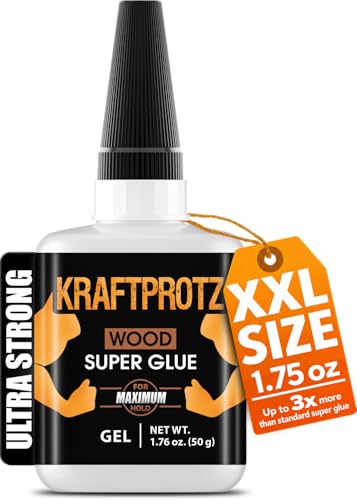
This is a cyanoacrylate gel, which means it grabs fast and does not drip. It is great for trim chips, veneer edges, or small split repairs. On turning projects, I have used gel CA to secure knots and cracks before final passes. It dries clear and can be sanded after a full cure.
For furniture, I treat this as a spot repair glue. It shines when clamping is hard or parts are tiny. It is water-resistant once cured, but I would not use it for key load-bearing joints. It still earns a place among the best wood glue for furniture due to speed and precision.
Pros:
- Very fast set for quick fixes
- No-drip gel for vertical work
- Dries clear and sands with care
- Great for small parts, inlays, and veneer edges
- Useful for woodturning crack stabilization
Cons:
- Brittle compared to PVA in big joints
- Short open time leaves no room for error
- Fumes can irritate; use in a ventilated area
My Recommendation
Keep this on your bench for fast, precise fixes. If a chair spindle chip breaks or veneer lifts, this gel saves the day. It is not the best wood glue for furniture base joints, but it is perfect for touch-ups and delicate repairs. The clear finish helps hide the fix without extra stain work.
| Best for | Why |
|---|---|
| Small repairs | Fast set and precise control |
| Vertical surfaces | No-drip gel stays put |
| Inlays/turning | Stabilizes cracks and details |
Boncart Super Strong Wood Glue, 8.45 oz

This clear-drying wood glue aims at heavy-duty furniture assembly. The bottle size is handy for home shops and quick builds. It spreads with ease and levels to a thin line. Once cured, the joint hides well on light wood because the line is clear.
Use it on cabinets, frames, and baseboards where a clean look matters. It has a calm odor and wipes with water while wet. While it lacks long-term fame like the big brands, early results are solid. For many simple builds, it can be the best wood glue for furniture when you want a near-invisible line.
Pros:
- Dries clear for clean joints
- Good working time for alignment
- Low odor and easy cleanup
- Useful size bottle for DIY repairs
- Works on softwood, hardwood, and MDF
Cons:
- Brand is newer with less long-term data
- May not match pro-grade strength standards
- Clamp times can run longer in cool temps
My Recommendation
Pick Boncart if you want a clear line on light furniture and trim. It is a smart choice for baseboards, shelf edges, and face frames where the joint will show. If you need top-tier waterproofing, look at a Type I glue. For clean indoor assemblies, this may be the best wood glue for furniture you want to keep looking crisp.
| Best for | Why |
|---|---|
| Visible joints | Clear dry hides the glue line |
| Cabinet work | Easy spread and cleanup |
| DIY repairs | Handy size and friendly odor |
Gorilla Wood Glue, 8 oz (PVA)
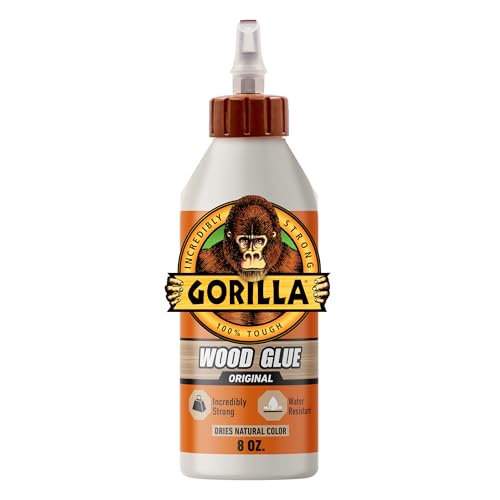
This is a classic PVA wood glue with a Type II water-resistant rating. It is ideal for indoor furniture and light outdoor use under cover. The clamp time is fast, which speeds up shop flow. It dries to a natural color that blends on many woods.
It sands well and takes paint or stain after a light scuff. I like it for panel glue-ups, face frames, and chair rungs. It is budget-friendly without cutting core performance. For many people, this is the best wood glue for furniture built for indoor life.
Pros:
- Solid strength at a good price
- Type II water resistance for daily spills
- Fast clamp time boosts productivity
- Natural glue line suits most woods
- Easy water cleanup
Cons:
- Not Type I waterproof
- Shorter open time than premium glues
- Glue lines can show on very pale woods if not cleaned
My Recommendation
Use this for indoor tables, cabinets, and chair repairs that need speed and value. It is forgiving, easy to sand, and steady under normal home use. If you want the best wood glue for furniture on a budget, start here. It is a strong everyday performer in any shop.
| Best for | Why |
|---|---|
| Indoor furniture | Reliable Type II resistance |
| Fast repairs | Short clamp time |
| Budget builds | Great value per ounce |
Clear Wood Glue for Furniture, 150 g

This clear, waterproof wood glue targets heavy-duty furniture and trim. The 150 g size is convenient for drawer and baseboard work. It spreads thin and dries transparent, which hides the joint line. Cleanup is simple with water while still wet.
Use it for craft builds, molding, and touch-ups where the joint may show. For high stress joints, I still prefer a pro PVA with known standards. But for small indoor projects, it holds fine and looks neat. It can be the best wood glue for furniture when clear lines matter more than raw specs.
Pros:
- Dries fully clear for invisible joints
- Easy to apply and clean up
- Good for crafts, trim, and baseboards
- Compact size reduces waste
- Low odor and friendly to use
Cons:
- Unknown formal waterproof certification
- Not ideal for critical structural joints
- May need longer clamp time
My Recommendation
Choose this glue if you care most about a clear, clean line on small projects. It is great for visible trim and craft builds with light loads. If you want the best wood glue for furniture joints that take real stress, look at Type I or II PVA. For looks-first tasks, this one checks the box.
| Best for | Why |
|---|---|
| Visible trim | Transparent dry line |
| Craft projects | Easy use and cleanup |
| Small repairs | Compact size prevents waste |
Titebond II Premium Wood Glue, 8 oz

Titebond II Premium is a classic Type II water-resistant PVA. It cures strong, sands easy, and works great for indoor and covered outdoor builds. The open time is modest, which keeps you moving. I have used it on panels, frames, and many chair repairs with tight joints.
The glue line dries a light tan that blends well under finish. It cleans with water when wet and holds finish after a light sand. It is less costly than Type I glues but still strong enough for daily use. For most indoor jobs, it remains one of the best wood glue for furniture.
Pros:
- Trusted performance with Type II rating
- Strong, sandable, and paintable
- Good price for repeat users
- Consistent viscosity for easy spread
- Short clamp time speeds production
Cons:
- Not Type I waterproof
- Shorter open time can rush complex glue-ups
- Not clear; shows on very pale woods
My Recommendation
Reach for Titebond II when you want speed, value, and dependable bonds on indoor furniture. It is great for chairs, tables, and cabinets with well-fitted joints. If you need the best wood glue for furniture that faces weather, move to Type I. For most shop builds, this bottle earns a permanent spot.
| Best for | Why |
|---|---|
| Indoor joints | Reliable Type II resistance |
| Production work | Short clamp time and easy spread |
| Budget builds | Strong performance per dollar |
Titebond III Ultimate Wood Glue, 8 oz

This is the smaller bottle of the same pro-grade Type I waterproof glue. If you glue once in a while, this size helps keep the contents fresh. It gives you the same long open time to align panels or chair frames. It dries to a tan line that sands and finishes well.
I like this for home users who want pro results without buying in bulk. It is safe for indirect food contact and holds up in wet spaces. The clamp time is fair, and cleanup is simple when wet. It still stands as the best wood glue for furniture that must last.
Pros:
- Type I waterproof performance
- Long open time for complex assemblies
- Smaller size reduces waste
- Strong, sandable, finish-friendly
- Trusted by pros and hobbyists
Cons:
- Higher cost per ounce than larger bottles
- Tan glue line shows more on very light woods
- Longer cure time than fast-set options
My Recommendation
If you do fewer projects but want top-tier waterproof strength, buy this size. It keeps well and gives you time to align parts right. For many home shops, it is the best wood glue for furniture that sees wear and spills. The smaller bottle avoids thickening before you finish it.
| Best for | Why |
|---|---|
| Occasional users | Smaller bottle stays fresh |
| Outdoor pieces | Type I waterproof standard |
| Complex joints | Long open time lowers stress |
Gorilla Ultimate Waterproof Wood Glue, 18 oz
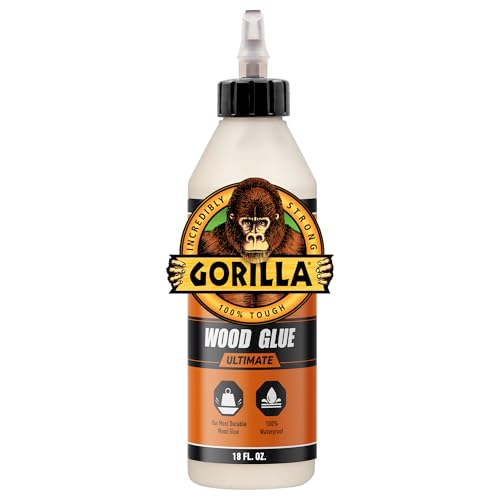
The 18 oz bottle is a shop-friendly size for frequent builders. You get the same Type I waterproof formula with a natural color line. The larger bottle often brings a better cost per ounce. The cap design resists clogs when kept clean.
I use larger bottles when batch building chairs or outdoor sets. It is durable, sandable, and holds up to sun and rain when finished right. If you build a lot, this can be the best wood glue for furniture per dollar. Keep the cap tight to prevent thickening over time.
Pros:
- Type I waterproof durability
- Better value in a larger size
- Natural color line blends well
- Good tip and cap design
- Great for batch builds
Cons:
- Heavier bottle can be less nimble
- Risk of thickening if left open
- Not a clear glue line
My Recommendation
Buy the 18 oz if you glue often and want waterproof strength at a better price. It is solid for decks, benches, and indoor sets that see spills. For high-output shops, it may be the best wood glue for furniture because it balances cost and power. Store it sealed and upright to extend life.
| Best for | Why |
|---|---|
| Frequent builds | Lower cost per ounce |
| Outdoor projects | Type I waterproof performance |
| Shop use | Reliable tip and steady flow |
FAQs Of best wood glue for furniture
What is the strongest type of wood glue for furniture?
For most joints, a high-quality PVA like Titebond III or Gorilla Ultimate is strongest and most reliable. They cure tough and resist creep.
When should I choose waterproof over water-resistant glue?
Use waterproof (Type I) for outdoor furniture or wet areas. Water–resistant (Type II) is fine for indoor pieces and light moisture.
How long should I clamp a furniture joint?
Most PVAs need 20–60 minutes of clamp time. Leave the piece undisturbed for 24 hours before heavy use.
Does wood glue dry clear?
Some glues dry clear, but many dry natural or tan. If a clear line matters, pick a clear-dry formula and clean squeeze-out well.
Can I use super glue for furniture joints?
Use gel CA for small, fast fixes only. For load-bearing joints, choose a PVA wood glue instead.
Final Verdict: Which Should You Buy?
If you want one bottle that does almost everything, choose Titebond III Ultimate. It is the best wood glue for furniture when you need strength, long open time, and true waterproofing.
On a budget or for fast indoor builds, Gorilla Wood Glue is a great everyday pick. Both earn the title of best wood glue for furniture, based on reliability and clean results.