
Can You Polyurethane Over Danish Oil?
Wood finishing is a world full of choices, and sometimes, those choices create confusion. Many woodworkers, both beginners and pros, wonder: Can you polyurethane over Danish oil? This question is more than just about compatibility. It’s about getting the best look, the most durable finish, and a surface that feels right to the touch. If you want to combine the depth and beauty of Danish oil with the protection of polyurethane, you need to know exactly how, when, and why to do it. This article will guide you through everything—step by step.
What Is Danish Oil?
Danish oil is a popular wood finish. It combines natural oils (like tung or linseed oil) with varnish. This blend gives wood a warm, rich look, while also offering some water resistance.
Danish oil soaks into the wood fibers. It doesn’t create a thick layer on top, unlike some finishes. After a few coats, the wood feels smooth and looks natural. Many people use Danish oil for furniture, kitchenware, and even floors.
A unique feature of Danish oil is its easy application. Even beginners can get good results with just a cloth or brush. It brings out the wood grain, making colors deeper and more vibrant.
What Is Polyurethane?
Polyurethane is a tough, clear finish that sits on top of the wood. It forms a protective barrier against water, scratches, and chemicals. There are two main types:
- Oil-based polyurethane: Gives a warm, amber tone. Dries slowly but is very durable.
- Water-based polyurethane: Dries clear, has less odor, and dries faster.
Polyurethane is perfect for surfaces that see a lot of wear, like tabletops and floors. It’s known for long-lasting protection and a shiny or satin appearance, depending on the type you choose.
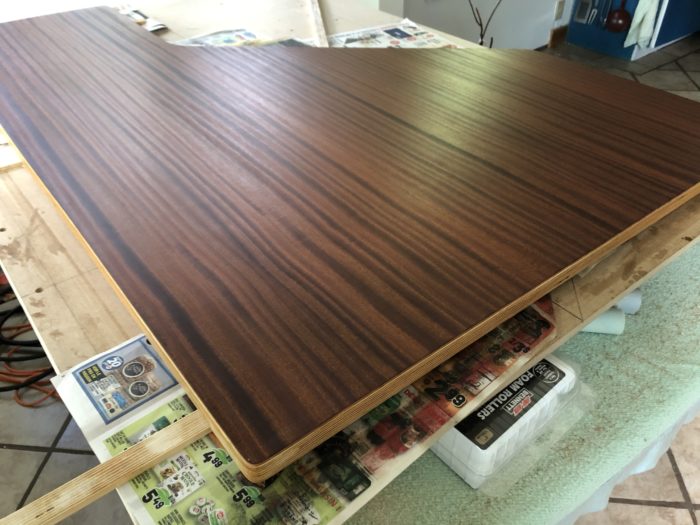
Credit: www.finewoodworking.com
Why Combine Danish Oil And Polyurethane?
You might wonder: why not use just one finish? Each product has strengths and weaknesses.
- Danish oil gives a natural, deep look but only moderate protection.
- Polyurethane offers strong protection but can sometimes look “plastic” or hide the wood’s character.
By applying polyurethane over Danish oil, you get the best of both:
- The rich appearance and grain enhancement from Danish oil.
- The tough shield of polyurethane on top.
This combination is common among woodworkers who want both beauty and strength. For example, a dining table finished this way can look elegant and last for years.
Is It Safe To Polyurethane Over Danish Oil?
The short answer: Yes, you can put polyurethane over Danish oil—but only if you do it right.
The main risk is trapping oil under the polyurethane before it’s fully cured. If the oil is not completely dry, the polyurethane can’t stick well. This leads to peeling, bubbling, or a sticky finish.
To avoid problems, you need to:
- Let Danish oil dry and cure fully (often longer than the label says).
- Prepare the surface for maximum adhesion.
When done properly, polyurethane will bond well, and your finish will be durable and beautiful.
How Long Should You Wait Before Applying Polyurethane?
Drying and curing are not the same. Drying means the surface is no longer wet. Curing means the finish is chemically stable and hard.
For Danish oil:
- Dry to the touch: Usually 6–12 hours.
- Ready for polyurethane: 3–7 days, depending on temperature, humidity, and thickness.
A common mistake is to rush. Even if the surface feels dry, the oil inside the wood may still be curing. Applying polyurethane too soon can cause clouding or adhesion failure.
Test For Readiness
Here’s how to check if Danish oil is ready:
- Press your nose close. If you still smell oil, wait longer.
- Wipe with a clean, white cloth. If it picks up color or feels oily, wait.
- Try the fingernail test: Press gently. If you leave a mark, it’s not cured.
If in doubt, wait another day. Patience gives the best results.
How To Prepare The Surface For Polyurethane
Before you apply polyurethane, the surface needs proper prep. Don’t skip these steps:
- Remove Dust: Wipe the wood with a tack cloth or clean, lint-free rag.
- Smooth Surface: Lightly sand with fine-grit sandpaper (320–400 grit) to create a smooth base. This also helps polyurethane grip better.
- Remove Residue: Clean off all sanding dust. Any leftover oil or particles can ruin the finish.
If your Danish oil coat feels sticky or uneven, you may need to clean with mineral spirits. This helps remove excess oil and ensures a clean surface.
Which Polyurethane To Use Over Danish Oil?
You can use both oil-based and water-based polyurethane over Danish oil. Each has pros and cons.
| Type | Appearance | Dry Time | Odor | Durability | Best For |
|---|---|---|---|---|---|
| Oil-Based Polyurethane | Warm, amber tint | 8–24 hours | Strong smell | Very durable | Floors, tables |
| Water-Based Polyurethane | Clear finish | 2–4 hours | Low odor | Durable | Light woods, indoor projects |
Some people prefer oil-based for dark woods and a classic look. Water-based is popular for maple, birch, or projects where you want to keep the wood as light as possible.
Important tip: If you use water-based polyurethane, make sure Danish oil is fully cured. Water and oil don’t mix well. A cured surface prevents problems.
Step-by-step: How To Polyurethane Over Danish Oil
Getting a perfect finish needs attention to detail. Here’s how to do it right:
1. Apply Danish Oil
- Use a clean cloth or brush.
- Wipe or brush on a thin, even coat.
- Let it soak in for 15–30 minutes.
- Wipe off all excess oil.
- Repeat for 2–3 coats if needed, letting each coat dry fully.
2. Let Danish Oil Cure
- Wait at least 3 days, up to 7 days.
- Check for dryness and smell as explained earlier.
3. Light Sanding
- Use 320–400 grit sandpaper.
- Sand very lightly, just to smooth the surface.
- Don’t sand through the oil layer.
4. Clean The Surface
- Wipe with a tack cloth or lint-free rag.
- Make sure no dust or residue remains.
5. Apply Polyurethane
- Stir polyurethane gently (don’t shake).
- Use a high-quality brush or foam applicator.
- Apply a thin, even coat.
- Let dry as per the product label.
6. Sand Between Coats
- After each coat dries, sand lightly with 400-grit sandpaper.
- Remove all dust before the next coat.
7. Add More Coats
- Apply 2–4 coats of polyurethane for best protection.
- Let each coat dry fully.
8. Final Polish (optional)
- After the last coat, you can buff with fine steel wool for a silky finish.
- Wipe clean and enjoy your work.
Common Mistakes To Avoid
Even experienced woodworkers make mistakes. Here are some pitfalls and how to avoid them:
- Not waiting long enough: Rushing the process is the #1 cause of sticky finishes.
- Skipping sanding: Polyurethane needs a slightly rough surface to grip. Too smooth, and it may peel.
- Using too much oil: Thick Danish oil layers take forever to dry and can cause problems under polyurethane.
- Not removing dust: Even tiny dust particles will show up under a clear finish.
- Mixing brands without testing: Sometimes, different brands don’t play well together. Try on a scrap piece first.
Real-world Example: Finishing A Coffee Table
Let’s say you have a solid oak coffee table. You want a beautiful, deep look but also need tough protection.
- First, you apply two coats of Danish oil, waiting 24 hours between each and wiping off all excess.
- You wait 5 days, checking that the surface is dry and odorless.
- You sand gently, wipe clean, and apply your first coat of oil-based polyurethane.
- After 12 hours, you sand lightly and add two more coats.
- The result: A table that’s both stunning and resistant to spills, scratches, and heat.
The key was patience and careful prep. Skipping any step would risk a poor result.
How Does The Finish Compare To Other Methods?
Some people use only Danish oil, others only polyurethane, and some combine them. Here’s a quick comparison:
| Finish | Look | Protection | Maintenance | Difficulty |
|---|---|---|---|---|
| Danish Oil Only | Natural, deep grain | Moderate | Needs re-oiling over time | Easy |
| Polyurethane Only | Thick, glossy or satin | High | Wipe clean, lasts years | Medium |
| Danish Oil + Polyurethane | Rich grain + clear shield | Very high | Low maintenance | Medium (more steps) |
For heirloom-quality projects or pieces that get daily use, the combo method is often best.
Tips For Best Results
Here are some non-obvious tips that can make a difference:
- Temperature and humidity matter. Cold or humid weather slows curing. A warm, dry room speeds things up.
- Use thin coats. Both oil and polyurethane work better in thin layers. Thick coats can wrinkle, bubble, or crack.
- Label and date your projects. If you make several pieces, it’s easy to forget which stage each one is in.
- Test on scrap wood first. Not all woods react the same way to oil or polyurethane.
- Ventilate your workspace. Both Danish oil and polyurethane can have strong fumes.
Advanced Insights: Understanding Finish Chemistry
Beginners often miss how chemistry affects their project. Danish oil is a blend of penetrating oil and varnish. Polyurethane is a surface film. Oil must fully cure before you trap it under polyurethane.
If you use a “wiping varnish” or “Danish oil” that contains a lot of varnish, it might behave differently than pure oil. Always check the product label and manufacturer’s guidelines.
Some experts do a “compatibility test” by applying a small amount of polyurethane to an oiled scrap and checking for problems after a week.
Alternatives To Polyurethane Over Danish Oil
If you don’t want to use polyurethane, there are other topcoats:
- Shellac: Gives a beautiful, warm finish but less water resistance.
- Lacquer: Dries fast and gives a smooth, hard finish, but is harder to use for beginners.
- Hardwax oil: Offers a natural look with good protection; easier to repair.
Each finish has its pros and cons. Polyurethane is popular because it’s widely available, affordable, and very tough.

Credit: www.reddit.com
When Not To Use Polyurethane Over Danish Oil
In some cases, it’s better not to add polyurethane:
- If you want to keep the matte, natural feel of Danish oil.
- For items that need easy repair (oil finishes can be spot-fixed; polyurethane can’t).
- On very oily woods (like teak or rosewood), adhesion can be tricky.
For wooden bowls, food-contact items, or historic furniture, pure oil may be the safer choice. Always consider your project’s purpose and use.
Cleaning And Maintenance After Finishing
Once your project is finished, proper care keeps it looking great:
- Wipe spills immediately. Polyurethane is water-resistant, but standing water can damage wood over time.
- Use soft cloths. Avoid abrasive cleaners or pads.
- Polish occasionally. A soft wax can add extra shine and protection.
- Avoid direct sunlight. UV rays can fade wood and finishes.
If the surface gets scratched, you may need to sand lightly and reapply a thin coat of polyurethane.
Troubleshooting Finish Problems
Even with care, problems can happen. Here are some common issues:
- Cloudy finish: Usually means the oil wasn’t fully cured, or moisture got trapped.
- Bubbles: Can be caused by shaking the can, working in a dusty area, or using a foam brush too quickly.
- Sticky surface: Often means the Danish oil wasn’t dry, or coats were too thick.
- Peeling: Usually due to poor adhesion from dust, grease, or insufficient sanding.
If you have a problem, sometimes sanding back and starting over is best. For minor issues, buffing and adding another thin coat can fix the problem.
Environmental And Safety Considerations
Both Danish oil and polyurethane can be flammable and give off fumes.
- Dispose of oily rags safely. They can spontaneously combust. Store in a metal can with water and a lid, or hang to dry outdoors.
- Ventilate the workspace. Use fans and open windows.
- Wear gloves and eye protection. Especially when sanding or applying finishes.
For more safety guidelines, visit OSHA Woodworking Safety.

Credit: www.reddit.com
Frequently Asked Questions
How Long Should I Wait Between The Last Coat Of Danish Oil And The First Coat Of Polyurethane?
Wait at least 3 days, but ideally 5–7 days. Make sure the surface is completely dry, has no oil smell, and does not feel sticky. Factors like temperature, humidity, and thickness of oil affect drying time.
Can I Use Water-based Polyurethane Over Danish Oil?
Yes, but only if the Danish oil is fully cured. Water-based polyurethane needs a dry, oil-free surface to bond. If the oil isn’t cured, the water-based finish may bead up or not adhere properly.
How Many Coats Of Polyurethane Should I Apply Over Danish Oil?
For most projects, 2–4 thin coats of polyurethane are best. More coats give more protection, but each must be dry before the next. Thin coats reduce the risk of drips and bubbles.
Will Polyurethane Change The Color Or Look Of Danish Oil?
Oil-based polyurethane adds a warm, amber tone, while water-based polyurethane is almost clear. Both can slightly deepen the wood’s color and shine, but the main effect comes from the Danish oil underneath.
What Happens If I Don’t Let The Danish Oil Cure Before Applying Polyurethane?
If you rush, the polyurethane may not dry properly, leading to a sticky or cloudy surface. Peeling, bubbling, and poor durability can also result. Always wait until the oil is cured for a lasting, beautiful finish.
Finishing wood with Danish oil and polyurethane is a craft that rewards careful work. By following the right steps, being patient during drying and curing, and understanding how these finishes interact, you can make your woodworking project both gorgeous and strong. Remember: the best results come from respecting each step and never rushing. Take your time, and you’ll enjoy a finish that stands out for years to come.