
Many woodworkers and DIY enthusiasts love using tung oil for its natural beauty and rich, hand-rubbed finish. But sometimes, you may want extra protection or a different sheen on your wood surfaces. That’s when the question arises: can you put polyurethane over tung oil? This is a common topic with a lot of confusion and myths. Some people say it’s fine, others warn about peeling, poor adhesion, or a ruined finish. The truth is more nuanced—and if you know the facts, you can achieve a beautiful, durable result that combines the best of both finishes.
In this guide, you’ll get a complete answer to this important question. You’ll learn how tung oil and polyurethane interact, the science behind their compatibility, and the exact steps to get the results you want. We’ll also explore common mistakes, alternatives, and how to troubleshoot problems.
Whether you’re finishing a table, countertop, guitar, or heirloom furniture, you’ll walk away with confidence and practical knowledge.
Understanding Tung Oil And Polyurethane
Before diving into compatibility, it helps to understand what tung oil and polyurethane really are, how they cure, and what makes them unique.
What Is Tung Oil?
Tung oil is a natural drying oil extracted from the seeds of the tung tree (Vernicia fordii). It has been used for centuries, especially in Asia, to protect and beautify wood. Pure tung oil penetrates into wood fibers, hardens through oxidation (not evaporation), and creates a flexible, water-resistant layer inside the wood.
Key benefits of tung oil:
- Natural look and feel: It enhances the grain without forming a plastic-like surface.
- Water resistance: Once cured, it repels water well for a natural finish.
- Non-toxic (when cured): Safe for food contact surfaces like cutting boards.
But tung oil has some limitations:
- Slow drying and curing: Pure tung oil can take days to weeks to cure fully.
- Limited protection: It’s not as tough or scratch-resistant as film finishes.
- Low gloss: It creates a matte to soft-satin sheen.
What Is Polyurethane?
Polyurethane is a synthetic varnish used for wood finishing. It forms a hard, protective film on top of the wood. There are two main types:
- Oil-based polyurethane: Amber color, slow drying, very durable.
- Water-based polyurethane: Clear, fast-drying, low odor, less ambering.
Key benefits of polyurethane:
- Durability: High resistance to abrasion, moisture, and chemicals.
- Customizable sheen: Available in matte, satin, semi-gloss, and gloss.
- Easy maintenance: Simple to clean and repair.
But it also has trade-offs:
- Plastic appearance: Can look artificial if applied too thickly.
- Surface film: Sits on top, not inside the wood like oil finishes.
Understanding these differences helps you decide if you want to combine the two, and how to do it the right way.
Can You Put Polyurethane Over Tung Oil?
The short answer is: yes, you can put polyurethane over tung oil—if the tung oil is fully cured. But there are important details to get right, or you may end up with peeling, soft spots, or cloudiness.
The Chemistry Of Compatibility
Polyurethane needs a dry, solid, and clean surface to bond well. If you apply it over uncured or sticky tung oil, the polyurethane may not adhere properly. This is because tung oil cures by oxidation, not evaporation. It absorbs oxygen from the air and hardens slowly.
- If tung oil is not fully cured: Polyurethane (especially water-based) may bead up, stay soft, or peel.
- If tung oil is fully cured: The surface is dry and hard, so polyurethane can bond well.
How Long Does Tung Oil Take To Cure?
Curing time depends on the type of tung oil and conditions:
- Pure tung oil: 7 to 30 days or more (in warm, dry air)
- Modified or “tung oil finish”: 3 to 7 days (contains dryers and solvents)
Tip: Always check the product label. Many “tung oil finishes” are blends, not pure oil.
Non-obvious insight: Pure tung oil can feel “dry to the touch” in 24-48 hours, but it may still be curing underneath. Rushing this step is the most common cause of finish failure.
Testing For Full Cure
How do you know if the tung oil is truly cured and ready for polyurethane? Try these methods:
- Smell test: If you can still smell the oil, it’s not cured.
- Touch test: Surface should feel hard and not tacky or greasy.
- Thumb twist: Press and twist your thumb on the surface. If it leaves a mark, wait longer.
- Time: For pure tung oil, wait at least 14 days. For a blend, at least 3-5 days.
Steps To Apply Polyurethane Over Tung Oil
If you’ve decided to combine these finishes, follow these steps for the best results. Skipping or rushing any step can lead to a failed finish.
1. Let The Tung Oil Fully Cure
This is the most important step. If you used pure tung oil, give it 2-4 weeks in a warm, well-ventilated area. For commercial blends, check the label, but allow at least 3-7 days. Cooler or humid conditions may require extra time.
Practical example: If you oiled a dining table with pure tung oil, and it’s been only a week, wait another week before topcoating.
2. Clean The Surface
Even after curing, the surface may have dust, fingerprints, or oil residue. Clean with a lint-free cloth dampened with mineral spirits. This removes any contaminants that could block adhesion.
Pro tip: Don’t use soap and water, as it may not remove oily residue completely.
3. Scuff Sand The Surface
A light sanding helps the polyurethane bond mechanically. Use 320-400 grit sandpaper. Sand lightly—just enough to dull the surface. Do not sand through the oil into bare wood.
- Remove dust: Wipe with a tack cloth or vacuum after sanding.
4. Choose The Right Polyurethane
You can use either oil-based or water-based polyurethane, but each has specific needs:
- Oil-based polyurethane: More forgiving, bonds well to cured oil finishes.
- Water-based polyurethane: Needs a very dry, oil-free surface. If in doubt, use a compatibility sealer (like a dewaxed shellac) between the oil and polyurethane.
Non-obvious insight: Some water-based polyurethanes may bead up or fish-eye over even fully cured tung oil due to surface chemistry. Always test on a sample piece before applying to your project.
5. Apply The First Coat
- Stir, don’t shake, the polyurethane to avoid bubbles.
- Apply a thin, even coat with a high-quality brush or foam applicator.
- Work in the direction of the wood grain.
Tip: Thin coats dry more evenly and reduce the risk of drips or bubbles.
6. Let It Dry Completely
Follow the label instructions—oil-based polys usually need 8-12 hours, water-based 2-4 hours per coat. Don’t rush this step.
7. Sand Between Coats
After drying, sand lightly with 320-400 grit sandpaper. This smooths any dust nibs and helps the next coat bond.
- Remove dust: Always clean off dust before the next coat.
8. Apply Additional Coats
For best protection, apply 2-3 more coats, following the same process. Most projects benefit from 3 total coats of polyurethane.
9. Allow Final Cure
After the last coat, let the piece cure for several days (oil-based) or 24-48 hours (water-based) before heavy use.
Real-world Example: Dining Table Finish
Suppose you built a walnut dining table and finished it with three coats of pure tung oil. You want extra protection against spills and scratches, so you decide to add polyurethane.
Here’s how you’d proceed:
- Wait 3 weeks for the tung oil to cure.
- Wipe the table with mineral spirits to remove any residue.
- Lightly sand with 400 grit sandpaper.
- Apply oil-based polyurethane, thin and even.
- Repeat for 2-3 coats, sanding between each.
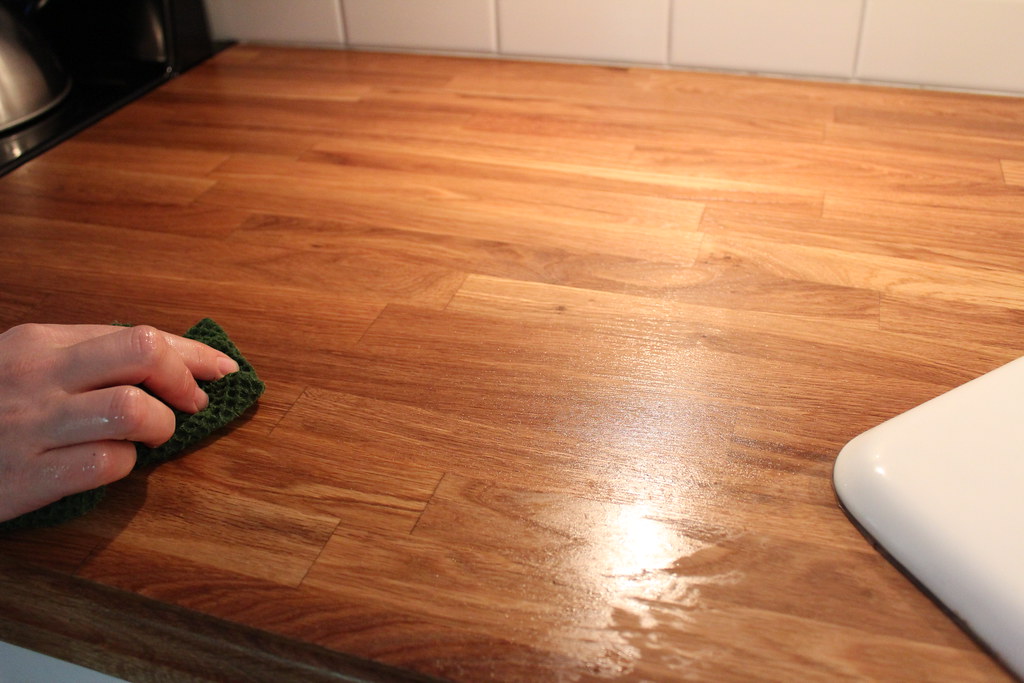
The result: a table with the rich, deep look of tung oil under the tough, wipeable protection of polyurethane.
Credit: www.thesawguy.com
Pros And Cons Of Combining Tung Oil And Polyurethane
Mixing finishes can be controversial, so let’s look at the real advantages and potential downsides.
| Pros | Cons |
|---|---|
| – Enhanced durability – Deep, rich look – Water and abrasion resistance – Customizable sheen | – Longer finishing time – Potential for adhesion issues – Possible color change – Harder to repair |
When Should You Combine Them?
- When you want the natural look of oil but need the protection of polyurethane (e.g., for kitchen tables, bar tops, desks).
- When you’re finishing open-grained woods (like walnut or oak) and want to “pop the grain” before sealing it.
When To Avoid This Combo
- If you want a finish that is easy to renew or repair (pure oil finishes are easier to spot-fix).
- If you’re finishing items that need to be food safe or non-toxic (unless the finishes are fully cured).
Key Differences: Polyurethane Vs Tung Oil
Understanding how these finishes differ helps you choose the right approach.
| Feature | Tung Oil | Polyurethane |
|---|---|---|
| Type | Penetrating oil | Surface film (varnish) |
| Look | Natural, matte | Varies (matte to gloss) |
| Durability | Moderate | High |
| Repairability | Easy | Challenging |
| Dry Time | Slow (days to weeks) | Faster (hours to days) |
| Ease of Use | Beginner-friendly | Requires prep between coats |
Common Mistakes To Avoid
Many projects fail not because the products are wrong, but because of small errors. Here are the most frequent mistakes people make when applying polyurethane over tung oil:
- Not waiting long enough for tung oil to cure. Even if it feels dry, the oil inside the wood may still be curing.
- Skipping surface prep. Dust, fingerprints, or oil residue can block adhesion and cause fish-eye or peeling.
- Using water-based polyurethane too soon. Water-based finishes are less forgiving over oils. Always test compatibility first or use a shellac sealer.
- Applying thick coats. Thick polyurethane layers may not dry or may wrinkle.
- Not sanding between coats. This leads to poor adhesion and a rough feel.
Pro tip: If you want a perfectly smooth finish, always sand lightly between coats, even the final one before waxing or buffing.
Alternatives And Variations
If you want the look of tung oil but not the long wait or complexity, consider these alternatives:
Oil-modified Polyurethane
Some products are blends of oil and polyurethane, giving you a compromise between depth and protection. These are easier to apply and cure faster than pure oil plus separate polyurethane.
Wipe-on Polyurethane
This is simply polyurethane thinned with mineral spirits. It’s easy to apply with a cloth and can be layered over cured oil for a hand-rubbed look.
Oil-varnish Blends
Commercial “tung oil finishes” are often a mix of oil, varnish, and solvents. They can give a similar look with more protection, but check labels—many do not contain any real tung oil.
Sealing With Shellac
If you must use water-based polyurethane over tung oil, seal the cured oil with a thin coat of dewaxed shellac first. Shellac bonds to almost anything and provides a reliable base for polyurethane.

Credit: www.reddit.com
How Polyurethane Changes The Look Of Tung Oil
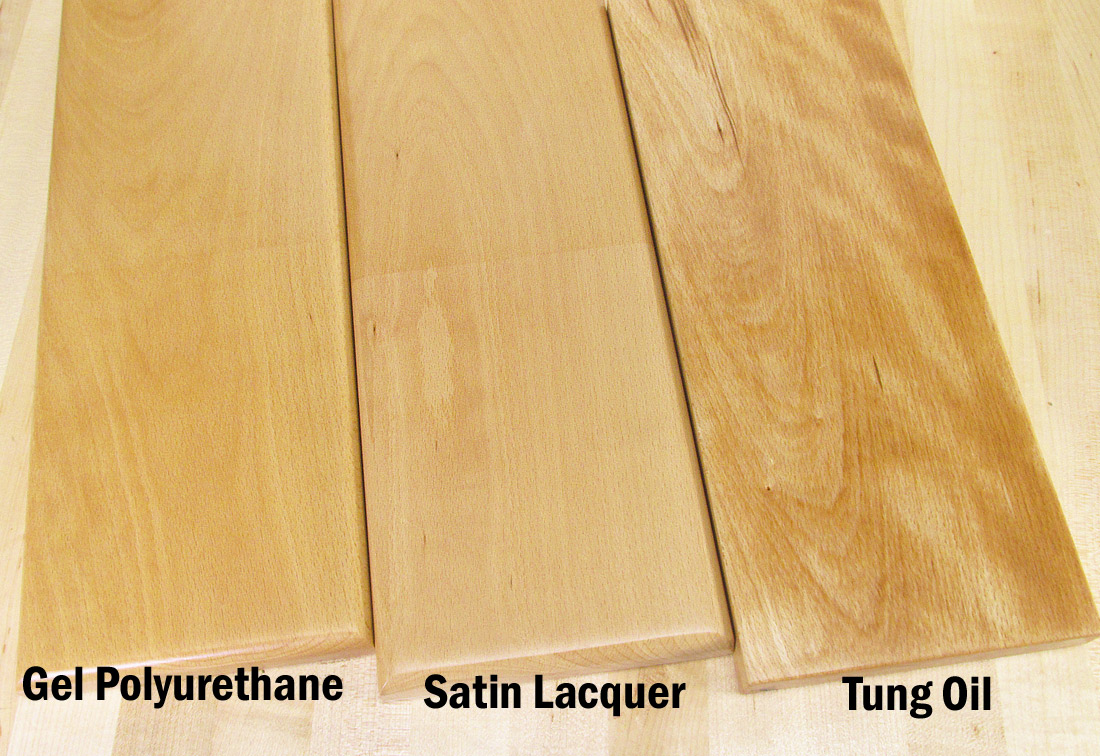
Many people love the matte, hand-rubbed look of tung oil. When you add polyurethane, the finish becomes more glossy and “thicker” looking. This is not always bad—some projects look richer and deeper with a protective topcoat.
But be aware:
- Oil-based polyurethane adds a slight amber tint, which can darken light woods.
- Water-based polyurethane is clear, but may look “cold” or bluish over some woods.
Expert insight: Always test your finishing schedule on a scrap piece of the same wood. This small step prevents big regrets.
Polyurethane Over Other Oils: A Quick Comparison
How does polyurethane behave over other popular wood oils? Here’s a quick look:
| Base Oil | Polyurethane Compatibility | Special Precautions |
|---|---|---|
| Linseed Oil | Possible, but must be fully cured | Wait 2+ weeks; test adhesion |
| Danish Oil | Often compatible | Check product label—some are blends |
| Tung Oil | Yes, if fully cured | Wait 2-4 weeks for pure oil |
| Teak Oil | Usually not recommended | Contains waxes that block adhesion |
Troubleshooting Problems
What if you already applied polyurethane and something went wrong? Here’s how to fix the most common issues:
Peeling Or Flaking
- Cause: Tung oil not fully cured, or surface contamination.
- Fix: Sand back to bare wood, clean thoroughly, let oil cure longer, and reapply polyurethane.
Cloudy Or Hazy Finish
- Cause: Moisture trapped, incompatible products, or thick polyurethane coats.
- Fix: Allow to dry completely. Sand lightly and recoat with thin layers.
Fish-eyes Or Beading
- Cause: Oil or silicone residue.
- Fix: Strip the finish, clean with mineral spirits, and reseal with shellac before reapplying polyurethane.
Uneven Sheen
- Cause: Inconsistent sanding or application.
- Fix: Sand lightly, clean dust, and apply another thin, even coat.
Expert tip: Always work in a dust-free, well-ventilated area to minimize finish problems.
Safety And Environmental Notes
Both tung oil and polyurethane have health and safety considerations:
- Ventilation: Always work in a well-ventilated area. Polyurethane vapors can be harmful.
- Disposal: Rags soaked with tung oil or polyurethane can self-combust. Lay them flat to dry or store in a sealed metal can.
- Skin Contact: Wear gloves to avoid skin irritation.
For more safety guidance, see the OSHA woodworking safety page.
Credit: www.woodworkerssource.com
Frequently Asked Questions
Can I Use Water-based Polyurethane Over Tung Oil?
Yes, but only if the tung oil is fully cured and the surface is clean. Water-based polyurethane is more sensitive to oil residue. If in doubt, seal with dewaxed shellac first.
How Long Should I Wait Before Applying Polyurethane Over Tung Oil?
For pure tung oil, wait at least 14-30 days. For commercial blends, 3-7 days is usually enough. Always test the surface for full cure before applying polyurethane.
Will Polyurethane Change The Color Or Look Of Tung Oil?
Yes, especially oil-based polyurethane, which adds warmth and depth. Water-based polyurethane is clear but can look slightly bluish on some woods. Always test on a sample piece first.
What Is The Best Way To Clean A Tung Oil + Polyurethane Finish?
Clean with a damp, soft cloth. Avoid harsh chemicals or abrasive cleaners. For heavy use areas, reapply a thin coat of polyurethane as needed.
Is It Better To Just Use Polyurethane Instead Of Combining With Tung Oil?
It depends on your goals. Polyurethane alone gives maximum protection but a less natural look. Tung oil alone gives a warm, natural finish but less durability. Combining them can offer the best of both, with some extra work and wait time.
Wrapping Up
Applying polyurethane over tung oil is not only possible, but often delivers the best mix of beauty and protection for wood projects. The most important step is patience—let the tung oil cure fully before adding polyurethane. Clean, prep, and use thin coats for best results. Avoid common mistakes by following the steps outlined above, and always test your finish schedule on scrap wood first. With care and attention, you can enjoy the rich, natural look of tung oil along with the tough, lasting shield of polyurethane. Whether you’re finishing a cherished heirloom or a hardworking countertop, this method can deliver results you’ll be proud of for years to come.