
Many people love the look and feel of natural wood finishes. Tung oil is a popular choice for woodworkers, crafters, and even homeowners finishing their own furniture. But as with any finishing product, questions come up about its smell. Some wonder if it is safe to use indoors, if the odor lingers, or how it compares to other wood finishes. Understanding the real story behind tung oil’s scent is important if you want your project to look good and your home to smell fresh.
This article takes a deep look at the question: Does tung oil smell? You’ll get clear answers, practical details, and examples from real experiences. We’ll cover what causes the scent, how strong it is, how it changes during drying, and how it compares to other finishes. You’ll also learn about different types of tung oil, safety tips, odor control, and myths people often believe. By the end, you’ll know what to expect and how to use tung oil with confidence.
What Is Tung Oil?
Tung oil is a natural drying oil made from the seeds of the tung tree (*Vernicia fordii*). It has been used for centuries in China for finishing wood, protecting boats, and even waterproofing paper. In modern times, tung oil is valued for its ability to penetrate deep into wood fibers and create a flexible, water-resistant finish.
There are two main types:
- Pure tung oil – Extracted directly from the seeds, with no additives. It is thick and cures slowly.
- Polymerized or modified tung oil – Processed to dry faster and sometimes mixed with solvents or resins.
Each type can have a different odor profile, drying time, and finish. Pure tung oil is especially prized for its food-safe qualities once fully cured.
Does Tung Oil Have A Smell?
The short answer: Yes, tung oil does have a smell. But the details are more interesting and important.
When you first open a can of pure tung oil, you might notice a nutty, earthy odor. This is a natural scent, not a harsh chemical smell. Some people compare it to cooked nuts or even slightly sweet hay. It is much milder than the sharp, solvent-like smell of many varnishes or polyurethane finishes.
However, the strength of the smell can change depending on:
- Whether the oil is pure or mixed with solvents
- How much you apply
- The airflow in your workspace
Freshly applied tung oil will smell strongest in the first few hours. As it dries and cures, the odor fades. Most people find that the scent is not overpowering and does not cause headaches or nausea like strong chemical finishes can.
What Causes The Scent?
The smell comes from natural compounds in the oil, such as fatty acids and plant esters. Pure tung oil contains very little volatile organic compounds (VOCs), which are often responsible for strong chemical odors in paints and synthetic finishes.
If you use a product labeled as tung oil finish or tung oil blend, check the label. Many of these products contain mineral spirits or other solvents, which can add a much stronger, unpleasant smell.
How Strong Is Tung Oil’s Smell?
The intensity of the scent is one of the most important factors for anyone using tung oil indoors.
Comparing Odor Strength
Let’s compare the smell of pure tung oil to other common wood finishes:
| Finish Type | Odor Strength (1–5)* | Odor Description |
|---|---|---|
| Pure Tung Oil | 2 | Nutty, earthy, mild |
| Linseed Oil (raw) | 2 | Grass, earth, slightly musty |
| Boiled Linseed Oil | 4 | Strong, chemical, oily |
| Polyurethane | 5 | Sharp, solvent, chemical |
| Danish Oil (solvent blend) | 4 | Solvent, slightly sweet, strong |
1 = Almost No Smell, 5 = Very Strong Smell
Most users describe pure tung oil’s scent as noticeable but not offensive. It usually does not linger in a room for more than a day or two after application. However, if you use a tung oil product with added solvents, expect a sharper, stronger smell that can last much longer.
Does The Smell Linger?
One of the best features of pure tung oil is that the scent fades quickly as the oil dries. In a well-ventilated room, the natural odor may be gone within 24–48 hours. If you apply thick coats or use the oil in a small, closed space, the smell may last a few days. Products with solvents can leave odors for a week or more.
Tung Oil Vs. Other Wood Finishes
Choosing a wood finish is not just about looks—it’s also about the experience of using it. The smell plays a big role, especially if you’re finishing furniture indoors.
Odor Comparison Table
Here’s a side-by-side look at tung oil and other popular finishes:
| Finish | Main Ingredient | Initial Smell | Lingering Odor | Indoor Use |
|---|---|---|---|---|
| Tung Oil (Pure) | Tung oil | Nutty, mild | 1–2 days | Safe |
| Linseed Oil (Raw) | Linseed oil | Earthy, mild | 1–3 days | Safe |
| Boiled Linseed Oil | Linseed oil + metals | Strong, chemical | 3–7 days | Use with care |
| Polyurethane | Urethane resin + solvent | Very strong, chemical | 1–2 weeks | Ventilation needed |
| Danish Oil | Oil + solvent blend | Strong, solvent | 3–7 days | Ventilation needed |
As you can see, pure tung oil is one of the least smelly and most indoor-friendly finishes. However, it’s important to check that you are using *pure* tung oil and not a blend with added solvents.
Different Types Of Tung Oil And Their Odors
Not every product labeled “tung oil” is the same. The ingredients affect both the performance and the smell.
Pure Tung Oil
Pure tung oil has a natural, light scent. It smells nutty and fades quickly. Once fully cured (usually 7–14 days), it is nearly odorless and safe for food-contact surfaces like cutting boards.
Polymerized Tung Oil
Polymerized tung oil is heated to help it cure faster. It may have a slightly stronger scent at first, but it still does not have the harsh chemical smell of synthetic finishes.
Tung Oil Blends
Many hardware store products labeled “tung oil finish” are actually blends. They often contain:
- Mineral spirits
- Petroleum distillates
- Alkyd resins
These additives make the oil dry faster but add a sharp, sometimes unpleasant odor. Some can linger for days or even weeks, especially in poorly ventilated spaces.
Always check the label before buying tung oil. If you want the mildest scent, choose 100% pure tung oil.
How Long Does The Smell Last?
The duration of tung oil’s odor depends on:
- Type of oil (pure or blend)
- Amount applied
- Room temperature and ventilation
- Thickness of coats
What To Expect
Pure tung oil: In a room with open windows, the natural nutty smell will be strongest for the first few hours, then fade in 24–48 hours. After a week, there is usually no detectable odor.
Tung oil blends: These can smell strong for 3–7 days or more. Some users report a persistent chemical odor if the oil is used heavily or the room is closed.
Reducing Lingering Odor
To help the smell fade faster:
- Use fans or open windows to improve ventilation
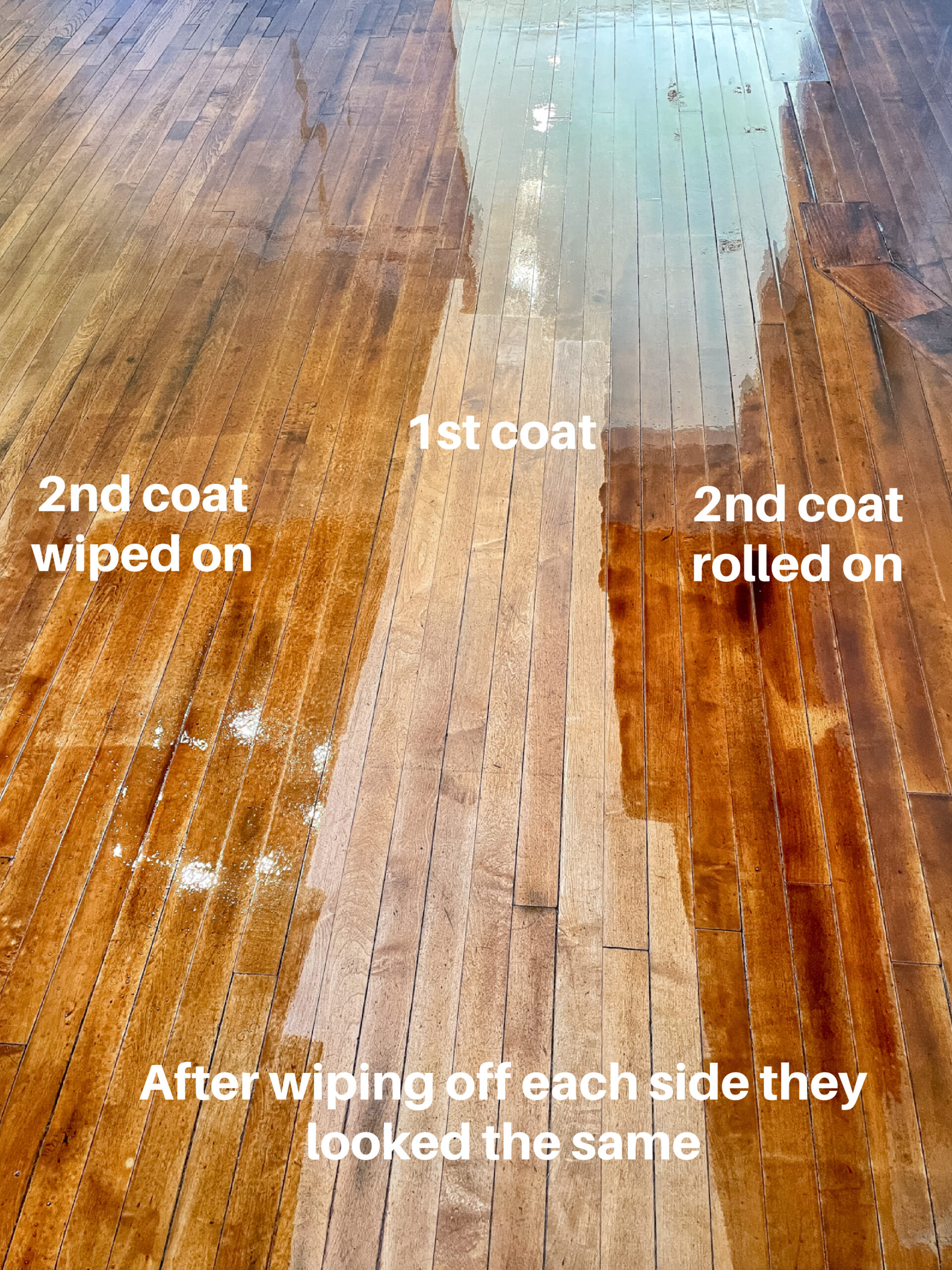
- Apply thin coats; wipe off excess oil after 30 minutes
- Allow extra drying time between coats
- Avoid using blends with strong solvents indoors
Is The Smell Harmful?
For most people, the scent of pure tung oil is not harmful. It contains almost no VOCs and no added chemicals. Many people use it on cutting boards, salad bowls, and children’s toys.
However, tung oil blends with solvents can release VOCs that cause headaches, dizziness, or respiratory irritation in sensitive people. Always check the Safety Data Sheet (SDS) for any finish you use, especially if you have asthma or chemical sensitivity.
Tip: If you use tung oil in a small space, take regular breaks and air out the room.
Using Tung Oil Indoors
One of the main reasons people choose tung oil is its indoor safety and low odor.
Tips For Indoor Application
- Pick pure tung oil for the mildest scent.
- Apply in thin coats with a soft cloth.
- Wipe off excess oil after 20–30 minutes.
- Allow good airflow—open windows or use a fan.
- Wait 24–48 hours before bringing furniture into a bedroom or living area.
Common Mistakes
- Using a tung oil blend with strong solvents indoors
- Applying too much oil at once, leading to slow drying and lingering smell
- Not ventilating the area during and after application
Credit: www.mychemicalfreehouse.net
Odor Control And Ventilation
If you are worried about any smell, take steps to keep your space fresh.
Simple Odor Control Methods
- Open windows and doors for cross-ventilation
- Use a box fan to move air out of the room
- Place a bowl of baking soda or activated charcoal nearby to absorb odors
- Run an air purifier with a carbon filter
When To Avoid Using Tung Oil
If you or someone in your home is extremely sensitive to smells, even natural ones, test tung oil on a small scrap piece in the space before starting a big project.
Real User Experiences
Reading about tung oil is helpful, but what do actual users say about the smell?
- Woodworkers often praise tung oil for being “the least offensive-smelling finish” in their shops.
- DIYers note that the nutty scent is “almost pleasant” and goes away after a day or two.
- Homeowners finishing a dining table or cutting board indoors report that the smell is “barely noticeable” compared to varnish.
- A few people with very sensitive noses say they smell it for several days, especially in a closed room.
One non-obvious tip: Drying time affects odor. If you apply tung oil in a cold or humid room, it will cure more slowly and the smell will last longer. Warm, dry air helps both the finish and the scent disappear faster.

Credit: www.tallahasseetungoil.com
Myths And Misunderstandings
Some myths about tung oil can confuse new users. Let’s clear up the most common ones.
“tung Oil Is Odorless”
Not true. Pure tung oil has a mild, nutty scent, especially when wet. It is much milder than synthetic finishes, but it is not completely odorless.
“all Tung Oil Products Are The Same”
False. Many “tung oil finishes” at the store are blends with solvents. These can smell much stronger and be less safe for indoor use.
“the Smell Means It’s Toxic”
Not always. Pure tung oil’s scent is natural and not a sign of danger. Solvent blends, however, may release VOCs and require caution.
“you Can’t Use Tung Oil Indoors”
Incorrect. Pure tung oil is ideal for indoor use because its odor is mild and fades quickly. Just ventilate as you work.
Practical Tips For A Better Experience
If you want to minimize smell and get the best result from tung oil, try these steps:
- Choose 100% pure tung oil. Avoid “finish” blends unless you need a faster cure and don’t mind the smell.
- Apply in thin coats. Thick coats take longer to dry and can smell longer.
- Wipe off excess oil after 20–30 minutes to avoid stickiness and lingering odor.
- Ventilate the space well during and after application.
- Allow the finished item to cure in a warm, dry area for 7–14 days before heavy use.
A pro tip: Never store oil-soaked rags in a pile. They can self-heat and catch fire. Lay them flat to dry outside before disposal.
When Is The Smell A Problem?
For most people, tung oil’s scent is not an issue. But in rare cases, there may be concerns:
- Allergies: Some people are allergic to tree nuts. Tung oil is made from the seeds of the tung tree, but documented allergic reactions are extremely rare. If you have a severe nut allergy, test first or consult a doctor.
- Chemical sensitivity: If you are sensitive to any smells, especially solvents, avoid blends and use pure oil.
- Enclosed spaces: In a very small, windowless room, even natural scents can linger. Allow extra drying time or cure the item elsewhere.
Environmental Impact
Another reason people prefer tung oil is its low impact on indoor air quality and the environment.
- Pure tung oil is biodegradable and has low VOC emissions.
- It does not off-gas harmful chemicals once cured.
- It is a renewable resource, unlike petroleum-based finishes.
If you want a finish that is better for both your health and the planet, pure tung oil is a strong choice.
Summary Of Key Points
- Pure tung oil has a mild, nutty smell that fades quickly.
- Blended tung oil finishes with solvents can smell much stronger and linger for days.
- Most people can use pure tung oil indoors without problems.
- Good ventilation, thin coats, and careful application reduce odor.
- Always check the label to know what you’re using.
For more scientific information about tung oil composition and safety, see the Wikipedia entry on tung oil.
Frequently Asked Questions
Does Tung Oil Smell Bad?
Most people find that pure tung oil has a mild, nutty scent that is not unpleasant. It is much less smelly than varnishes or synthetic finishes. The smell fades within a day or two. Blended products with solvents can smell stronger and may be unpleasant to some.
How Long Does Tung Oil Smell Last?
With pure tung oil, the scent is strongest for a few hours and usually fades within 24–48 hours in a well-ventilated space. Solvent-based tung oil finishes can have a lingering odor for up to a week or more.
Is Tung Oil Safe To Use Indoors?
Yes, pure tung oil is safe for indoor use and does not release harmful fumes. Just ventilate the area as you work. Avoid using blends with strong solvents indoors, as these can release VOCs and create a stronger smell.
How Can I Reduce The Smell Of Tung Oil?
Open windows, use fans for better airflow, and apply only thin coats. Wipe off any excess oil after 20–30 minutes. For faster odor removal, let the finished object cure in a warm, dry, well-ventilated area.
Will Tung Oil Make My Furniture Smell?
For a short time after application, you may notice a mild nutty scent, especially on new finishes. Once tung oil fully cures (usually in 7–14 days), it is almost odorless and will not make your furniture smell.
Finishing wood with tung oil is both safe and satisfying when you know what to expect. With the right product and a few smart steps, you can enjoy beautiful, durable results—without worrying about lingering odors.
Credit: everydaylaura.com