Using a reciprocating saw can change the way you handle tough cutting jobs. Whether you’re remodeling a house, pruning trees, or demolishing old structures, this powerful tool lets you cut through wood, metal, drywall, and even masonry. But many beginners find reciprocating saws intimidating.
With the right guidance, you can use one safely and efficiently, unlocking its full potential for your DIY projects or professional work.
This guide will walk you through everything you need to know about using a reciprocating saw. You’ll learn what it is, how it works, how to choose the right blade, safe operating techniques, practical tips for different materials, and how to care for your saw.
By the end, you’ll feel confident picking up a reciprocating saw and tackling tasks you might have thought were impossible.
What Is A Reciprocating Saw?
A reciprocating saw is a handheld power tool designed for demolition and rough cutting. It uses a push-pull motion (called reciprocating) to move the blade back and forth rapidly. This motion allows it to cut through a wide range of materials—often in places where other saws can’t reach.
Most reciprocating saws are electrically powered, either through a cord or a rechargeable battery. The tool’s body is long and slim, making it easy to fit into tight spaces. It’s commonly called a Sawzall, which is a trademarked name from Milwaukee Tool, but many brands make similar saws.
Common Uses
Reciprocating saws are known for their versatility. You’ll see them used for:
- Cutting pipes and metal rods
- Pruning tree branches
- Demolishing walls and structures
- Cutting nails and screws
- Trimming window and door openings
Professionals in construction, plumbing, and landscaping rely on them. Homeowners also find them useful for renovation and yard work.
Advantages
- Versatility: Cuts many materials with the right blade.
- Accessibility: Reaches into corners and between studs.
- Speed: Makes quick rough cuts, saving time.
- Portability: Most models are lightweight and cordless options are common.
A reciprocating saw is less about making precise, smooth cuts and more about getting through material quickly and efficiently.
Parts Of A Reciprocating Saw
Knowing the main parts of your saw helps you use it safely and maintain it well.
| Part | Description |
|---|---|
| Trigger | Controls the speed and turns the saw on or off. |
| Blade Clamp | Holds the blade in place; some are tool-free for quick changes. |
| Shoe | Rests against the work surface for stability. |
| Handle | Main grip area for your hand. |
| Motor | Powers the blade’s movement. |
| Battery Pack (Cordless) | Provides power without a cord. |
| Power Cord (Corded) | Connects to an electrical outlet. |
| Speed Dial (Variable Speed Models) | Lets you adjust how fast the blade moves. |
Understanding these parts helps you use the saw properly and change blades or make adjustments safely.
Choosing The Right Blade
The blade is the most important part of a reciprocating saw. Using the wrong blade can make cutting difficult or dangerous.
Types Of Blades
Blades come in different shapes, sizes, and materials. Here’s how to pick the right one:
- Wood Blades: Designed for fast cuts in wood, usually with larger teeth.
- Metal Blades: Have smaller, finer teeth for cutting pipes, nails, and sheet metal.
- Demolition Blades: Stronger and thicker for cutting through wood with nails or mixed materials.
- Pruning Blades: Specifically shaped for cutting green wood and branches.
- Masonry Blades: Made with carbide grit or diamond tips for brick or tile.
Tooth Count (tpi)
TPI stands for teeth per inch. More teeth mean smoother, slower cuts; fewer teeth mean faster, rougher cuts.
- 6–11 TPI: Good for wood, fast cuts
- 14–24 TPI: Best for metal, smoother cuts
- 3–5 TPI: Pruning and rough cuts
Blade Length
Longer blades (9–12 inches) can cut bigger objects or reach into tight spots, but they may bend more easily. Short blades (4–6 inches) are stiffer and better for precise cuts.
Material
- High-Carbon Steel: Flexible, good for wood, less durable for metal.
- Bi-Metal: Mix of hard and flexible metals; good for most jobs.
- Carbide-Tipped: For hard materials like cast iron or masonry.
Practical Tip
Always use a sharp, undamaged blade. Dull or bent blades make cutting harder and can cause accidents.
Safety First: Preparing To Use A Reciprocating Saw
Safety should always come before speed or convenience. Reciprocating saws are powerful, and accidents can happen quickly.
Essential Safety Gear
Wear the right protective equipment every time:
- Safety glasses: Protect eyes from flying debris.
- Work gloves: Guard hands from sharp materials and vibration.
- Hearing protection: Saws can be very loud.
- Dust mask: For cutting wood, drywall, or masonry.
Remove jewelry, tie back long hair, and avoid loose clothing that could get caught.
Inspecting The Saw
Before starting, check:
- Blade is installed tightly and correctly.
- Power cord or battery is in good condition.
- All safety switches work properly.
Never use a saw with a damaged cord or cracked housing.
Work Area Setup
Make sure your area is safe:
- Clear away flammable materials and clutter.
- Ensure good lighting.
- Make sure your footing is stable.
- Keep others, especially children, away from your work zone.
Marking And Securing The Workpiece
Mark your cut line clearly with a pencil or chalk. Secure your workpiece with clamps to keep it from moving during cutting.
Common Mistake
Many beginners forget to check for hidden wires, nails, or pipes inside walls or wood. Use a stud finder or pipe locator when cutting into structures.
Step-by-step: How To Use A Reciprocating Saw
Let’s break down the process so you can use your saw confidently.
1. Select And Insert The Right Blade
Choose a blade designed for your material. Insert it into the blade clamp and lock it in place. Always unplug or remove the battery before changing blades.
2. Adjust The Shoe
The shoe rests against the material. Adjust it so as much of the blade as possible is supported. Some models have a pivoting or adjustable shoe for better control and reduced blade wear.
3. Hold The Saw Correctly
Grip the handle firmly with your main hand and use your other hand to stabilize the front (if your model allows). Stand comfortably, balancing your weight.
4. Position The Blade
Place the blade just above the starting point of your cut, keeping the shoe firmly against the material. This reduces vibration and “blade jumping. ”
5. Start The Saw
Squeeze the trigger gently to start the blade moving slowly. Increase speed as needed. For variable speed models, more trigger pressure means faster blade movement.
6. Begin The Cut
Press the shoe against the material and gently push the blade into the cut line. Let the saw do the work; don’t force it. If the blade binds (gets stuck), stop and back out.
7. Follow Through
Continue cutting, moving the saw steadily along your line. For thick material, use a slight rocking motion to help the blade cut faster and reduce heat.
8. Finish Safely
Release the trigger as the cut finishes. Wait for the blade to stop completely before setting the saw down.
Example: Cutting A Metal Pipe
- Use a 14–24 TPI metal blade.
- Clamp the pipe firmly.
- Start the saw at low speed to avoid jumping.
- Cut steadily, letting the saw and blade do the work.
Pro Tip
Never cut above shoulder height. It’s harder to control the saw, and debris can fall into your face.
Mastering Advanced Techniques
Once you’re comfortable with basic cuts, you can try more advanced jobs.
Plunge Cuts
A plunge cut lets you start cutting in the middle of a surface (like drywall) without a pilot hole.
- Use a short, stiff blade.
- Rest the shoe on the surface with the blade tip just above the start point.
- Start the saw and tilt it down so the blade pierces the material slowly.
- Once through, level the saw and continue your cut.
Curved Cuts
Reciprocating saws can make gentle curves, though not tight circles.
- Use a narrow blade for better control.
- Go slowly, turning the saw slightly as you cut.
Cutting Close To Surfaces
To cut flush (close) to a wall or floor, use a flexible or special flush-cut blade. Bend the blade slightly as you cut. Some saws have offset shoes for this task.
Working Overhead Or In Tight Spaces
Use a compact or cordless saw for better control. Keep your arms close to your body for stability.
Common Advanced Mistake
Forcing the saw through metal or thick wood can burn out the motor or break the blade. If cutting is slow, change to a sharper or more suitable blade.

Credit: www.youtube.com
Practical Applications By Material
Here’s how to adjust your technique for different materials.
Wood
- Use coarse-toothed blades (6–11 TPI).
- For framing, demolition, or pallets, demolition blades are best.
- Avoid cutting through knots too quickly; they are harder and can bend blades.
- For pruning, use a blade labeled for green wood.
Metal
- Use fine-toothed blades (14–24 TPI).
- Lubricate the blade with a little cutting oil for thick metal.
- Clamp the material securely to prevent vibration.
Drywall
- Use a medium-toothed blade (10–14 TPI).
- Make plunge cuts to start openings for outlets or windows.
- Go slowly to avoid breaking the drywall.
Plastic And Pvc
- Use a fine or medium-toothed blade.
- Support the pipe or plastic well to prevent cracking.
- Avoid high speeds; melting can occur.
Masonry And Tile
- Use carbide-grit or diamond-tipped blades.
- Go slowly; let the blade’s abrasive edge do the work.
- Wear extra protection for eyes and lungs due to dust.
Corded Vs. Cordless: Which To Choose?
Both types have advantages. Here’s a quick comparison:
| Feature | Corded | Cordless |
|---|---|---|
| Power | More consistent, unlimited runtime | Portable, less power for long jobs |
| Weight | Usually lighter (no battery) | Heavier (battery weight) |
| Mobility | Limited by cord length | Go anywhere |
| Cost | Often cheaper | More expensive, battery replacements needed |
| Best For | Workshops, long jobs | Jobsites, outdoor use |
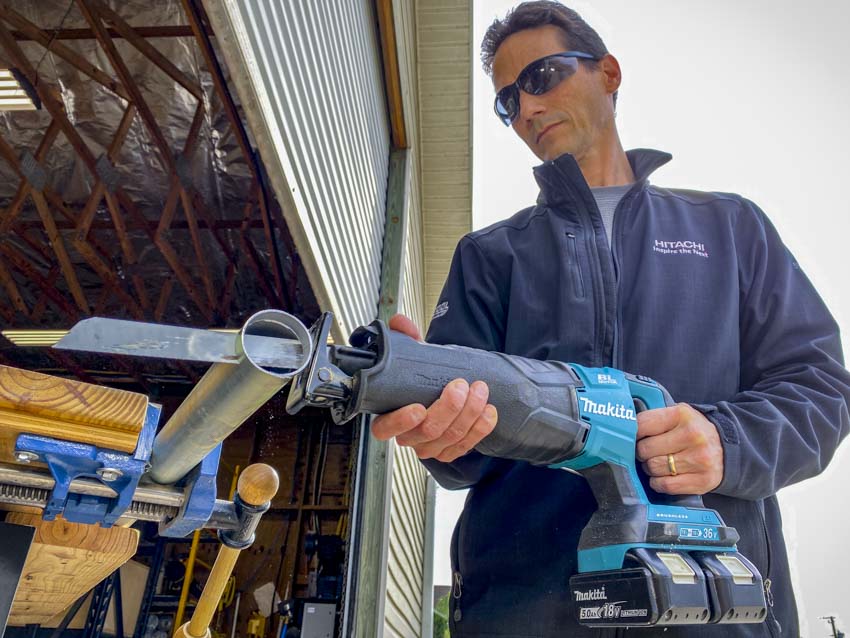
If you often work far from outlets, go cordless. For heavy demolition, corded saws provide more power.
Credit: www.protoolreviews.com
Maintenance And Blade Care
Taking care of your saw keeps it working longer and safer.
After Each Use
- Remove dust and debris from the tool.
- Wipe blades clean with a cloth.
- Check for any damage or cracks.
Blade Maintenance
- Replace blades that are dull, bent, or missing teeth.
- Store blades in a dry place to prevent rust.
Battery And Cord Care
- For cordless saws, recharge batteries promptly but don’t leave them on the charger too long.
- For corded saws, check cords for cuts or wear.
Lubrication
Some saws need occasional oiling. Check your manual. Never oil a running saw.
Storage
Store the saw in a dry, cool place. Keep it in a case or on a shelf, away from children.
Common Mistake
Many users keep using a dull blade, making the tool work harder and increasing the risk of accidents. Blades are cheap—replace them regularly.
Troubleshooting Common Problems
Even with the best care, you may run into problems.
Saw Won’t Start
- Check power supply (outlet, battery charge).
- Inspect the trigger and safety switch.
- Examine the cord or battery for damage.
Blade Keeps Coming Loose
- Make sure you’re installing the blade correctly.
- Blade clamp may need cleaning or repair.
Excessive Vibration
- Blade may be bent or wrong type for material.
- Check that the shoe is tight against the workpiece.
Cuts Are Crooked
- Don’t force the saw; let the blade do the work.
- Use a stiffer, shorter blade for more control.
Blade Burns Or Melts
- You’re going too fast, or the blade is dull.
- Use a slower speed or lubricate the blade.
If you can’t solve the problem, check the user manual or consult the manufacturer.

Credit: www.wikihow.com
Useful Accessories And Upgrades
There are many ways to improve your reciprocating saw experience.
- Carrying Case: Protects the tool and keeps accessories organized.
- Blade Set: Buy a variety set for different materials.
- Anti-Vibration Gloves: Reduce fatigue on long jobs.
- Dust Extraction Adapter: Connects to a shop vacuum for cleaner cuts.
- LED Work Light: Helps illuminate dark spaces while you cut.
Some advanced saws have features like orbital action (for faster wood cuts), tool-free shoe adjustment, or brushless motors for longer life.
Tips For Beginners
Here are two non-obvious tips many new users miss:
- Use the Shoe Aggressively: Press the shoe into the material as you cut. This reduces vibration and keeps the blade steady, making cutting easier and extending blade life.
- Let the Saw Do the Work: It’s tempting to push hard, especially if you’re in a hurry. But forcing the saw bends blades, burns out motors, and makes accidents more likely. Move slowly and let the motor and blade do the job.
Also, always have extra blades on hand—you’ll be surprised how often you need to switch mid-project.
Reciprocating Saw Vs. Other Saws
Many people wonder how a reciprocating saw compares to other cutting tools.
| Saw Type | Main Use | Strengths | Weaknesses |
|---|---|---|---|
| Reciprocating Saw | Demolition, rough cuts | Versatile, fits tight spaces | Less precise |
| Jigsaw | Curves, fine cuts | Precise, good for detail work | Not for thick material |
| Circular Saw | Straight cuts in wood | Fast, accurate for long cuts | Not for tight spots or curves |
| Handsaw | Small jobs, wood | No power needed | Slow, tiring |
A reciprocating saw isn’t the best for clean, straight lines but is unbeatable for demolition, remodeling, and working in tricky locations.
Environmental And Efficiency Considerations
Using power tools like reciprocating saws uses electricity and generates noise and dust. Here’s how to be more efficient and environmentally friendly:
- Use only as much power as needed; don’t leave the tool running between cuts.
- Collect dust using a vacuum adapter where possible.
- Recycle metal and plastic scraps.
- Dispose of old blades properly (many can be recycled with metal).
Choosing ENERGY STAR-rated battery chargers or tools with brushless motors can also save energy.
When To Call A Professional
While a reciprocating saw is safe for most DIYers, some jobs are best left to professionals:
- Cutting into load-bearing walls (structure risk)
- Working near electrical wires, gas, or plumbing
- Large-scale demolition
If you’re unsure, ask an expert or check official building codes. The risks of property damage or injury are not worth it.
Continuing Your Skills
Learning to use a reciprocating saw well takes practice. Start with simple jobs and work up to more complex cuts as you gain confidence. Watch tutorial videos from trusted sources or take a short course for hands-on experience.
For more in-depth guides and safety information, check out the official Wikipedia page on reciprocating saws.
Frequently Asked Questions
How Do I Choose The Right Blade For My Reciprocating Saw?
Select the blade based on the material you’re cutting. Use coarse teeth for wood, fine teeth for metal, and specialty blades for masonry or pruning. Match the length of the blade to the thickness of the material, and replace blades often for best results.
Can I Cut Straight Lines With A Reciprocating Saw?
Reciprocating saws are designed for rough, fast cuts and demolition. While you can cut straight lines with practice and by following a marked guide, they are not as precise as circular or table saws. For exact cuts, use clamps and go slowly.
Is It Safe To Use A Reciprocating Saw For Overhead Work?
It’s possible, but it’s riskier. Always wear safety gear, keep your arms close to your body, and never cut directly above your head. If possible, find another way to position the workpiece or use a different tool.
Why Does My Blade Keep Bending Or Breaking?
This usually means you’re using the wrong blade type, cutting too quickly, or forcing the saw. Make sure you match the blade to the material, use a steady, controlled motion, and let the saw do the work. Change blades if they show signs of wear.
How Do I Maintain My Reciprocating Saw For Long Life?
Clean the tool after each use, check and replace blades often, store in a dry place, and inspect cords or batteries for damage. Lubricate parts if the manual recommends it. Proper maintenance keeps your saw safe and reliable.
Using a reciprocating saw opens up new possibilities in home repair, renovation, and creative building. With the right blade, safe habits, and smart techniques, you’ll get the job done faster and with less effort. Whether you’re a beginner or an experienced DIYer, this powerful tool deserves a place in your workshop.