
Is Linseed Oil Flammable?
Linseed oil is a common product in woodworking, art, and home improvement. People use it to finish wood, make paints, and even treat cricket bats. But many people wonder about its safety, especially: Is linseed oil flammable? This question is important because using the oil the wrong way can cause fires or accidents. Even experienced users sometimes miss key details about linseed oil’s fire risk.
Let’s take a careful look at what makes linseed oil flammable, why it behaves the way it does, and what you should do to use it safely. This article covers everything you need to know, from the science behind linseed oil’s flammability to real-life fire incidents, safety tips, and expert advice.
What Is Linseed Oil?
Linseed oil comes from the seeds of the flax plant (Linum usitatissimum). People have used it for centuries, not just for wood finishing but also for making paints, varnishes, and even soaps. There are two main types: raw linseed oil and boiled linseed oil.
Raw linseed oil is pressed straight from the seeds and filtered. Boiled linseed oil is heated and often mixed with chemicals to help it dry faster. The drying process is called “polymerization,” where the oil reacts with oxygen to form a solid layer on the surface.
This property makes linseed oil useful for protecting wood, but it also plays a role in why the oil can be dangerous.
The Science Of Flammability
To understand if linseed oil is flammable, we need to look at what “flammable” means. A flammable substance catches fire easily and burns quickly at normal temperatures. Flammability depends on several factors:
- Flash point: The lowest temperature where a liquid gives off enough vapor to ignite.
- Autoignition temperature: The temperature where a substance can catch fire without an open flame.
Linseed Oil’s Flash Point And Autoignition Temperature
Raw linseed oil has a flash point of about 225°C (437°F), while boiled linseed oil’s flash point is slightly lower, around 210°C (410°F). This means that under normal conditions, the oil itself is not likely to catch fire from a small spark. However, the real risk comes from something unexpected: spontaneous combustion.
Spontaneous Combustion Explained
Linseed oil can self-heat as it dries. The oil reacts with oxygen in the air, generating heat. If linseed oil is soaked into a rag and left in a pile, the heat can build up because there’s no way for it to escape. When the temperature inside the rag pile reaches about 120°C (250°F), the rag can catch fire without any spark or flame. This process is called spontaneous combustion.
Many people think only gasoline or paint thinner can cause fires like this, but linseed oil is famous for this hidden danger.
Why Linseed Oil Is A Fire Risk
The Drying Process
When you apply linseed oil to wood, it starts to dry (or “cure”). During this process, the oil molecules react with oxygen from the air. This chemical reaction releases heat. If oil is spread in a thin layer, the heat escapes, and there’s no problem.
But if oil collects in a pile of rags or paper towels, the heat stays inside.
Real-life Fire Incidents
Fire departments often report house fires caused by improper disposal of linseed oil-soaked rags. For example, in 2015, a woodworking shop in California burned down because oily rags were left in a corner. The rags slowly heated up and eventually ignited. These incidents are more common than many people realize.
Not Just A Myth
Some beginners think spontaneous combustion is just a myth. In fact, insurance companies and fire officials warn about linseed oil rags more than almost any other household fire hazard except for candles and space heaters.
Types Of Linseed Oil And Their Fire Risk
Let’s compare the fire risk for the two main types of linseed oil:
| Type | Flash Point (°F) | Autoignition (°F) | Fire Risk in Rags |
|---|---|---|---|
| Raw Linseed Oil | 437 | 500-600 | High |
| Boiled Linseed Oil | 410 | 450-500 | Very High |
Boiled linseed oil dries faster, so it can heat up more quickly in a rag pile. Both types are dangerous if not handled properly.
How Spontaneous Combustion Happens
Spontaneous combustion is not magic—it’s chemistry. Here’s how it works:
- Oil-soaked rag is left in a pile (not spread out to dry).
- Oil in the rag starts to react with oxygen. This is called “oxidation.”
- Oxidation creates heat. If the heat can’t escape (like in a pile), the temperature rises.
- When the temperature reaches about 250°F, the rag can catch fire by itself.
This process can take a few hours or even overnight. It is silent and invisible until smoke or flames appear.
Factors That Increase The Risk
- Warm room temperatures (above 70°F) make oxidation faster.
- Poor air circulation traps heat.
- Large piles of rags are more dangerous than single rags.
Common Mistakes People Make
Even experienced DIYers sometimes make errors with linseed oil. Here are mistakes that raise the risk:
- Tossing oily rags in the trash without drying them
- Piling rags in a bucket, box, or plastic bag
- Leaving rags in a warm garage or shop overnight
- Using linseed oil in poorly ventilated spaces
Some people believe linseed oil is less dangerous than other oils like tung oil or mineral spirits. In reality, linseed oil is one of the highest risks for spontaneous combustion among household oils.

Credit: www.heads-up.biz
How To Use Linseed Oil Safely
Knowing the fire risks does not mean you should avoid linseed oil. With the right steps, it’s safe and effective. Here’s what you should always do:
Safe Application
- Work in a well-ventilated area. Open windows or use a fan.
- Wear gloves to avoid skin contact.
- Apply thin coats. Thick layers take longer to dry and increase risk.
Safe Disposal Of Rags
- After using a rag with linseed oil, spread it flat on a non-flammable surface (like concrete).
- Let the rag dry completely (usually 24-48 hours) before throwing it away.
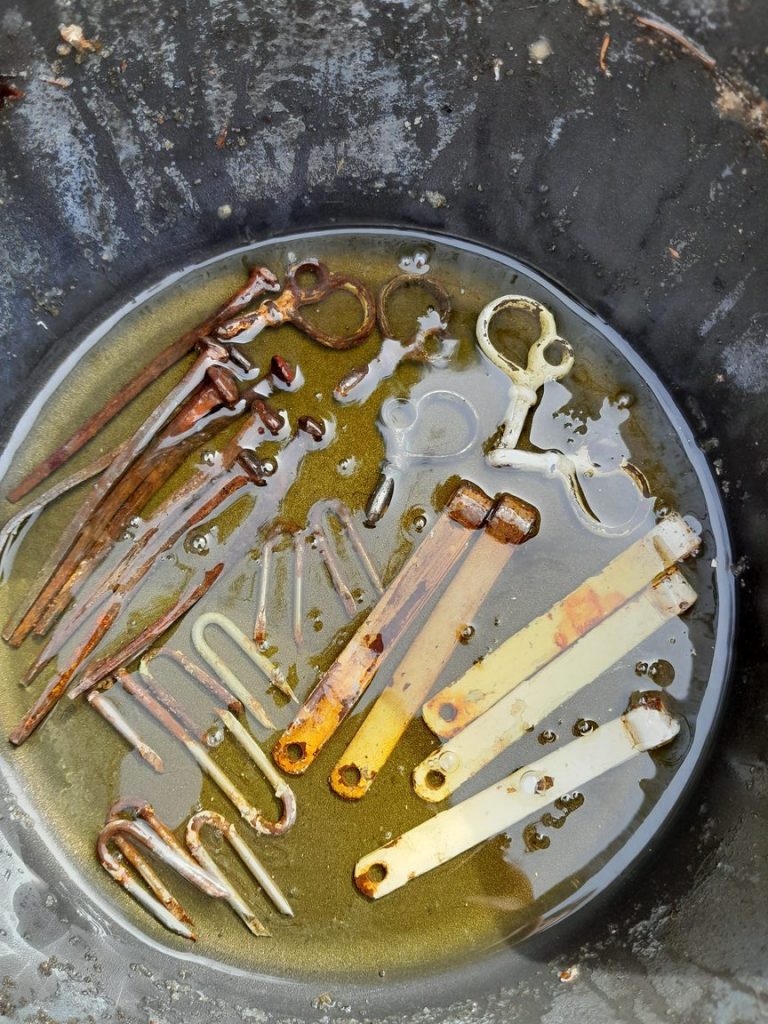
- You can also store oily rags in a metal container filled with water, then seal the lid until you dispose of them at a hazardous waste center.
What Not To Do
- Never ball up or fold oily rags.
- Never store oily rags in a plastic bag or cardboard box.
- Never throw wet rags in the trash.
Simple Safety Checklist
- Use linseed oil in a safe, ventilated space.
- Spread oily rags flat to dry outside.
- Wait at least one full day before disposal.
- Store used rags in a metal, water-filled container if you cannot dry them right away.
Linseed Oil Vs. Other Oils
You might ask: Are all oils this dangerous? Not exactly. Here’s a quick comparison:
| Oil Type | Self-Heating Risk | Common Uses | Special Precautions? |
|---|---|---|---|
| Linseed Oil | Very High | Wood finish, paint | Yes |
| Tung Oil | High | Wood finish | Yes |
| Mineral Oil | Low | Cutting boards, kitchenware | No |
| Vegetable Oil | Medium | Cooking | Rarely |
Linseed oil and tung oil both react with oxygen and can overheat in rags. Mineral oil does not dry and is much less risky. Most vegetable oils can self-heat but rarely cause fires unless left for many days.
How Linseed Oil Is Used In Different Fields
Understanding where linseed oil is used can help you spot risks in your own projects.
Woodworking
Woodworkers love linseed oil for its deep finish and rich color. It’s used on furniture, floors, and tools. In woodworking shops, it’s common to have piles of used rags, which is why these shops must be extra careful.
Art And Painting
Artists use linseed oil as a binder for oil paints. It helps the paint flow and dry evenly. Because painters often work with small amounts, the fire risk is lower, but used cloths or paper towels can still overheat.
Sports Equipment
Cricket players use linseed oil to maintain bats. The oil keeps the wood flexible and strong. Sports shops and players must dry their cloths properly.
Home Improvement
Linseed oil is sometimes used for decks, doors, and outdoor furniture. Homeowners may not realize that a single careless rag can cause a fire in a garage or workshop.
Signs Of Danger: What To Watch For
If you work with linseed oil, it’s important to notice early warning signs of self-heating:
- Rags feel warm or hot to the touch
- Smell of burning or smoke in the area
- Rags change color (brown or black spots)
- Sudden smoke coming from a pile of rags
If you see any of these, quickly move the rags outside to a safe area, spread them out, and call the fire department if there’s smoke or fire.
What To Do If A Fire Starts
If you see a fire starting from linseed oil rags:
- Do not use water if the fire is large; oil fires can spread with water.
- Use a fire extinguisher rated for oil or chemical fires (Class B or K).
- Evacuate the area and call 911 if you cannot quickly control the fire.
It’s better to prevent fires by handling rags safely in the first place.
Environmental And Health Concerns
Linseed oil itself is non-toxic and safe for most people to touch in small amounts. However, the fumes from boiled linseed oil can sometimes irritate your lungs, especially if used in a closed space. The chemicals added to boiled linseed oil (like metal dryers) can be more harmful than the oil itself.
Disposal And The Environment
Never pour leftover linseed oil down the drain. Small amounts can be thrown away with household trash if fully dried. Large amounts should go to a hazardous waste collection site.
Credit: www.reddit.com
Non-obvious Insights About Linseed Oil Flammability
Here are two facts many people miss:
- Even a single paper towel soaked in linseed oil can cause a fire if left folded. Many people think only large piles are risky.
- Linseed oil finishes on wood are not a fire risk once dry. The danger is only when the oil is still wet and curing, especially on absorbent materials like cloth or paper.
Myths And Misunderstandings
Let’s clear up a few myths:
- “Linseed oil is only flammable if you put it near a flame.”
False. The main risk is self-heating and spontaneous combustion, not open flames.
- “If I rinse rags in water, they’re safe to throw away wet.”
Not always. Wet rags can still self-heat if not dried out or stored in a sealed, water-filled metal container.
- “Boiled linseed oil is safer than raw linseed oil.”
In fact, boiled linseed oil dries faster and can overheat more quickly in rags.
Credit: wreckofjames.co
Professional Advice For Home And Workshop Safety
Firefighters and professionals who work with linseed oil every day offer these tips:
- Always keep a metal safety can for oily rags in your workshop.
- Post clear signs about oily rag disposal near workstations.
- Train family members, employees, or anyone else who might help with cleanup.
- Check local rules about hazardous waste—some cities have special programs for oily rags.
How To Store Linseed Oil
The oil itself is not likely to catch fire in a sealed can at room temperature. Still, follow these rules:
- Keep linseed oil in its original, labeled container.
- Store in a cool, dry place away from heat sources or sunlight.
- Keep out of reach of children and pets.
Fire Insurance And Legal Issues
Many fire insurance claims are denied when fires are caused by improper disposal of oily rags. Some states even have laws about handling flammable materials in businesses. If you run a woodworking or art business, train your team about linseed oil safety and keep records of your safety procedures.
History Of Linseed Oil Fires
Fires caused by linseed oil rags are not new. In the 1800s, house fires in Europe and America were often traced back to painters or woodworkers who left oily rags in buckets. Even today, fire investigators know to look for linseed oil in cases of “mysterious” workshop fires.
When Is Linseed Oil Not A Fire Risk?
Once linseed oil has cured (fully dried and hardened), it is safe and will not catch fire under normal home conditions. The risk is only with wet or drying oil, especially when absorbed in cloth or paper.
International Guidance And Standards
Organizations like the National Fire Protection Association (NFPA) give clear instructions for handling linseed oil:
- Store oily rags in approved metal containers with self-closing lids.
- Empty containers regularly, especially before weekends or holidays.
- Train all workers in spontaneous combustion hazards.
These standards are used worldwide and save lives every year.
Popular Alternatives To Linseed Oil And Their Safety
If you want to avoid linseed oil’s fire risk, here are some alternatives:
- Danish oil: A mix of oils and varnishes, dries faster but still needs careful rag disposal.
- Polyurethane: No risk of spontaneous combustion, but strong fumes.
- Mineral oil: Safe for kitchen use, does not self-heat.
Each option has pros and cons, but only linseed and tung oils are famous for spontaneous combustion risk.
Real-world Case Studies
In 2017, a well-known furniture maker in Oregon lost his workshop to a linseed oil fire. His apprentice left a pile of oily rags in a plastic bag overnight. In the morning, the shop was destroyed. The insurance company denied the claim because the rags were not handled according to safety rules.
In another case, a school art room had a small fire when a student left oily paper towels in a desk drawer. Luckily, a teacher smelled smoke and stopped a disaster.
How To Explain Linseed Oil Flammability To Others
If you teach or work with new staff, it helps to use simple examples:
- “A crumpled rag with linseed oil can start a fire on its own, even if there’s no spark or flame.”
- “If you spread the rag out to dry, it’s safe. If you throw it in a pile, it can catch fire.”
Use real stories and show safety videos if possible. Most people remember the lesson after seeing a dramatic example.
Extra Tips For Safe Home Use
- Mark your oil cans with the date you opened them. Old oil can sometimes dry slower, raising the risk.
- Never leave linseed oil-soaked rags in your car or truck. Temperatures inside vehicles can get very high, especially in summer.
- If you have pets or children, store used rags out of their reach while they dry.
Summary: Is Linseed Oil Flammable?
Linseed oil itself is not highly flammable as a liquid, but it can cause dangerous fires when absorbed in rags or paper. The main risk is spontaneous combustion during the drying process. With simple safety steps—like drying rags flat or storing them in water—you can use linseed oil with confidence.
If you want to learn more about the science of spontaneous combustion, the Wikipedia page on linseed oil has additional details and resources.
Frequently Asked Questions
Why Do Linseed Oil Rags Catch Fire But The Oil Itself Does Not?
Rags provide lots of surface area for linseed oil to react with oxygen. The heat from this reaction gets trapped in the rag pile, leading to self-heating and sometimes fire. The oil in a closed can cannot react as quickly, so it does not self-heat.
How Long Does It Take For A Linseed Oil Rag To Catch Fire?
It can take anywhere from 2 to 24 hours, depending on room temperature, air flow, and how wet the rag is. Most fires happen overnight, when no one is watching the rags.
Is It Safe To Use Linseed Oil On Kitchen Utensils Or Cutting Boards?
Yes, but use food-grade raw linseed oil (also called flaxseed oil). Boiled linseed oil contains chemicals that are not safe for food contact. Always dry rags safely, even with food-grade oil.
Can I Wash Linseed Oil Out Of Rags To Make Them Safe?
Washing rags with soap and water may not remove all oil. The safest method is to let them dry flat outside or store them in a water-filled, sealed metal container before disposal.
Is Boiled Linseed Oil More Dangerous Than Raw Linseed Oil?
Boiled linseed oil dries faster, so it can self-heat and ignite rags more quickly. Both types are dangerous if not handled properly, but boiled linseed oil poses a higher risk for spontaneous combustion in rags.
With the right knowledge and care, linseed oil can be a safe and useful tool in your home or workshop. Always respect its hidden fire risk, especially when handling oily rags.