
Tung oil has become a popular choice for wood finishing in recent years. Many people are drawn to its natural origin, durability, and beautiful finish. But a common question still remains: Is tung oil safe? This article explores tung oil’s safety from every angle—health, food contact, pets, the environment, and more. We’ll look at scientific evidence, real-world examples, and expert opinions. Whether you’re a DIY woodworker, a parent, or just curious, you’ll find clear answers here.
What Is Tung Oil?
Tung oil is a natural oil extracted from the seeds of the tung tree (*Vernicia fordii*), native to China. For centuries, people have used it to protect and beautify wood. Its popularity comes from its ability to soak into the wood and harden, creating a water-resistant and attractive finish.
There are two main types of tung oil: pure tung oil and modified tung oil. Pure tung oil is simply pressed from the seeds and filtered. Modified tung oil may include solvents or drying agents to help it dry faster or give different characteristics.
How Does Tung Oil Work?
When applied to wood, tung oil goes through a process called polymerization. It reacts with oxygen in the air and changes from a liquid to a solid film. This film is flexible, water-resistant, and enhances the wood’s natural beauty.
Some key features:
- Natural origin: Pure tung oil is plant-based and does not contain synthetic chemicals.
- Durability: Once cured, it protects wood from moisture and wear.
- Non-yellowing: It does not turn yellow as some other oils do.
Is Tung Oil Toxic?
Many people worry about the word “oil” and assume it might be unsafe. In reality, pure tung oil is considered non-toxic once fully cured. But there are important details you should know.
Tung Oil In Its Raw Form
Before it is cured, tung oil is a plant-based oil. It is not poisonous if touched, but it is not meant for eating or drinking. It can cause stomach upset if swallowed. People with nut allergies often ask if tung oil is safe.
The answer is usually yes, since the oil does not contain the same proteins as tree nuts, but severe allergy sufferers should use caution.
Curing Process
Uncured tung oil is sticky and can sometimes cause mild irritation if it gets on your skin. After the oil cures—a process that usually takes 7 to 30 days—it becomes a hard, solid film. In this state, it is generally considered safe for skin contact and for use on items like cutting boards or toys.
Modified Tung Oil
Be careful: many products called “tung oil finish” are not pure tung oil. They often contain solvents like mineral spirits or chemicals to make them dry faster. These solvents can be harmful if inhaled or touched before the finish is fully cured. Always check the product label.
Tung Oil And Food Safety
One of the biggest reasons people choose tung oil is for use on cutting boards, kitchen utensils, and children’s toys. Is it really safe?
Pure Tung Oil On Food Surfaces
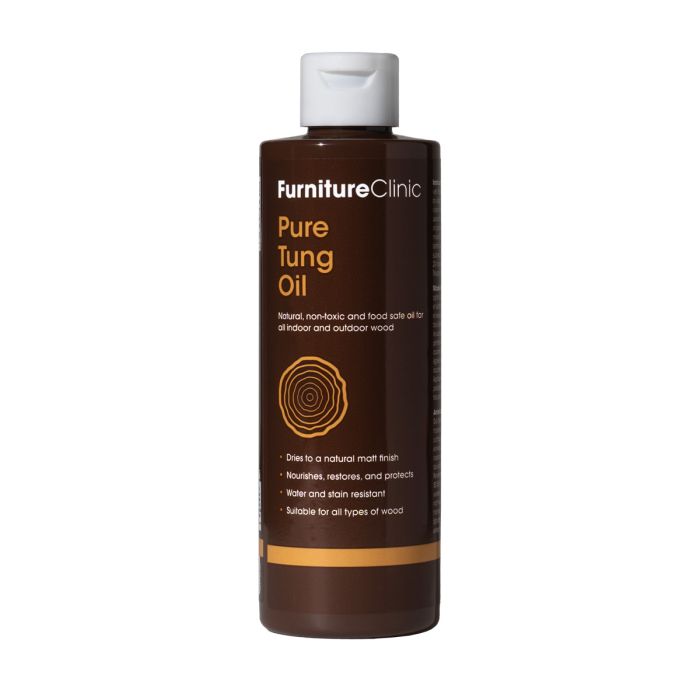
Pure tung oil is considered food-safe after it has fully cured. The FDA has listed it as a drying oil that can be used on surfaces that touch food. Once it dries and hardens, there are no chemicals left to leach into food.
But here’s an important tip: The curing process must be complete. This can take several weeks. If you use the surface before it is cured, oil can transfer to food and may cause stomach upset.
Modified Tung Oil And Food Surfaces
Never use modified tung oil or products labeled as “tung oil finish” on food-contact surfaces unless the product specifically says it is food-safe. Many of these products contain solvents that are not safe for food.
Comparing Tung Oil To Other Food-safe Finishes
Here is a comparison of common finishes for food-contact wood surfaces:
| Finish | Natural | Food-Safe (After Curing) | Water Resistance | Drying Time |
|---|---|---|---|---|
| Tung Oil (Pure) | Yes | Yes | High | 7-30 days |
| Mineral Oil | No | Yes | Low | Hours |
| Linseed Oil (Raw) | Yes | Yes | Medium | 7+ days |
| Beeswax | Yes | Yes | Medium | Immediate |
| Polyurethane | No | Sometimes* | Very High | 7-14 days |
*Some water-based polyurethanes are food-safe when fully cured, but many are not.
Credit: www.furnitureclinic.com
Is Tung Oil Safe For Children And Babies?
Many parents want to use natural finishes on toys, cribs, or furniture for children. Pure tung oil is a popular choice, but is it truly safe for these sensitive users?
Pure Tung Oil And Children
After curing, pure tung oil is generally safe for children’s toys, furniture, and teething items. There are no solvents or added chemicals in pure tung oil, so once it’s hardened, it does not give off fumes or residues.
Important Safety Practices
- Complete curing: Never allow children to touch or chew items finished with tung oil until the curing process is complete. This can take up to 30 days in cool or humid conditions.
- Multiple coats: Each coat must cure fully before adding the next. Rushing the process can leave sticky or oily surfaces.
- Check for allergic reactions: Rarely, some children may have sensitive skin. Test a small area first.
Why Some Parents Choose Tung Oil
- No VOCs (volatile organic compounds) when pure and fully cured.
- Natural look and feel compared to plastic-like finishes.
- Easy to reapply and maintain.
Is Tung Oil Safe For Pets?
Pet owners often worry about what finishes are safe for their furry friends, especially for items like wooden pet bowls, toys, or floors.
Risks For Pets
- Uncured oil: Pets are more likely to chew or lick objects. Any oil that is not fully cured can cause stomach upset or diarrhea.
- Paws and skin: Once cured, tung oil does not rub off easily and is considered safe for paws and fur.
- Aquatic pets: Never use tung oil near fish tanks or in aquariums. Even small amounts of uncured oil can harm aquatic life.
Practical Example
If you finish a dog’s feeding station with pure tung oil, allow it to cure for at least three weeks. After that, it is safe for daily use. For cats, which can be sensitive to chemicals, pure cured tung oil is a good choice.
Is Tung Oil Safe For The Environment?
One reason for tung oil’s popularity is its reputation as an eco-friendly finish. But is this fully true?
Biodegradability
Tung oil is plant-based and biodegradable. It comes from renewable resources, unlike petroleum-based finishes. When discarded, pure tung oil breaks down naturally and does not build up in landfills.
Production Impact
Most tung oil comes from China, where the tung tree is grown as a crop. The oil extraction process is mechanical and does not use harsh chemicals. However, there is still an environmental impact from farming, shipping, and processing.
Volatile Organic Compounds (vocs)
Pure tung oil contains no VOCs. However, “tung oil finishes” that include solvents can release VOCs, which are bad for indoor air quality and the environment.
Safe Disposal
Rags and brushes used with tung oil can be fire hazards if not disposed of correctly. Always dry them completely outdoors before throwing them away. This prevents spontaneous combustion.
Common Misunderstandings About Tung Oil Safety
Many people believe tung oil is always safe because it is natural. This is not always true. Here are some common mistakes and how to avoid them:
- All tung oil is pure: Many store-bought “tung oil finishes” are blends with chemicals. Only 100% pure tung oil is non-toxic.
- Safe right after application: The oil must fully cure. Uncured oil is sticky, can attract dust, and may cause irritation.
- Safe for nut-allergy sufferers: Tung oil is not related to tree nuts, but people with severe allergies should always test first.
- No preparation needed: Surface must be clean and dry before applying, and proper ventilation is important during application.
How To Use Tung Oil Safely
To get the benefits of tung oil without the risks, follow these steps:
1. Choose Pure Tung Oil
- Read the label carefully. Look for “100% pure tung oil.”
- Avoid products that list petroleum distillates or other chemicals.
2. Prepare The Surface
- Sand wood smooth and remove dust.
- Make sure the wood is dry.
3. Apply In Thin Coats
- Use a clean cloth or brush.
- Wipe off excess after 20–30 minutes.
- Wait 24 hours or more between coats.
4. Allow Full Curing
- The most important safety step. Tung oil can feel dry to the touch in 2–3 days, but it needs at least 7 days (up to 30) to fully cure.
- Do not use the item or let pets/children touch it until curing is complete.
5. Dispose Of Rags Properly
- Lay oily rags flat outside to dry. Never leave oily rags in a pile, as they can catch fire.
6. Reapply As Needed
- Re-oil surfaces every few years or as needed. Pure tung oil does not flake or peel.
Comparing Tung Oil To Other Finishes
Is tung oil safer than other popular wood finishes? Here is a direct comparison:
| Finish | Natural Origin | Toxic Chemicals | Safe for Food Contact | Safe for Children | Typical Curing Time |
|---|---|---|---|---|---|
| Tung Oil (Pure) | Yes | No | Yes (after cure) | Yes (after cure) | 7-30 days |
| Linseed Oil (Boiled) | Yes | Yes (additives) | No | No | 1-2 days |
| Shellac | Yes | No | Yes | Yes | 1-3 days |
| Lacquer | No | Yes | No | No | 1-2 days |
| Polyurethane | No | Yes | Sometimes | No | 7-14 days |

Credit: brandonbespoke.co.uk
Scientific Evidence And Regulations
The U.S. Food and Drug Administration (FDA) includes tung oil among drying oils that are safe for food contact after curing. This is based on studies showing that, once hardened, tung oil forms a stable, inert film.
Several scientific studies confirm that pure tung oil does not release harmful chemicals after curing. In China, where the oil is widely used, there are no reports of widespread toxicity from tung oil use.
However, there are no official regulations for the term “tung oil finish” in the US or Europe. This means that unless the label says “pure” or “100% tung oil,” the bottle could contain other chemicals.
For more details, see the Wikipedia page on tung oil.
Real-world Examples
Woodworking And Furniture
Many professional woodworkers use pure tung oil on high-end furniture, cutting boards, and musical instruments. They choose it for its natural look, easy maintenance, and safety after curing.
Homeowners
Parents have used pure tung oil on children’s toys for decades. In most cases, there are no reported reactions if the oil is allowed to cure fully before use.
Restoration Projects
Museums and restoration experts often use tung oil to protect historical wood items. Its long history of safe use is a strong point in its favor.

Credit: www.amazon.com
Common Beginner Mistakes With Tung Oil Safety
Many first-time users make similar mistakes when using tung oil. Here are two insights beginners often miss:
- Thinking “dry to the touch” means “safe to use”: Tung oil can feel dry on the surface in a few days but may still be curing beneath. Using the item too soon can result in oil transfer, stains, or health issues.
- Assuming all tung oil is food-safe: Only pure tung oil is safe for food contact. Many products in hardware stores are blends with solvents or other drying agents that are not safe for food or children’s items.
Frequently Asked Questions
Is Tung Oil Safe To Eat Off Of?
Pure tung oil is safe to eat off of after it is fully cured (usually 7–30 days). It forms a hard, non-toxic film that does not transfer to food. However, never use items coated with modified tung oil or “tung oil finish” for food contact unless the product states it is food-safe.
Is Tung Oil Safe For People With Nut Allergies?
Tung oil comes from the seed of the tung tree, not a tree nut. Most people with nut allergies do not react to tung oil. However, people with severe allergies should test a small area first or consult their doctor before use.
Can Tung Oil Fumes Make You Sick?
Pure tung oil has a mild, nutty smell that is not harmful in normal use. However, blends that contain solvents or drying agents can give off fumes that may cause headaches or nausea. Always work in a well-ventilated area and avoid inhaling fumes.
Is Tung Oil Safe For Outdoor Use?
Tung oil provides good water resistance and is often used for outdoor wood. However, UV light can still damage the finish over time. For best results, reapply tung oil regularly or use a UV-protective topcoat.
What Should I Do If I Get Tung Oil On My Skin?
Wash the area with soap and water. Pure tung oil is not highly irritating, but it can cause mild redness in some people. If irritation develops or you have an allergy, seek medical advice.
Final Thoughts
So, is tung oil safe? The answer is yes—pure tung oil is safe for most people, pets, and the environment when used and cured correctly. It stands out among wood finishes for its natural origin, lack of toxic chemicals, and food-safe qualities after curing. The main risks come from using blends with solvents or from handling uncured oil. Always read labels, allow full curing, and use proper safety steps. If you do, you’ll enjoy a beautiful, safe, and durable finish for years to come.