
What makes woodworking both exciting and challenging is the sheer variety of tools available. For many, the table saw is the heart of a workshop. It’s a tool that can handle everything from ripping lumber to making fine joinery cuts. But with so many types of table saws on the market, it’s easy to feel overwhelmed. You might hear terms like “contractor saw,” “cabinet saw,” and “hybrid table saw.” Each one promises something different, but what exactly is a hybrid table saw? Why do so many woodworkers talk about them? And are they the right choice for your needs?
Let’s dive deep into the world of hybrid table saws. You’ll discover what makes them unique, how they compare to other types, their main features, and what to look for when buying one. Whether you’re a serious hobbyist, a small business owner, or just curious, you’ll leave with a clear understanding of hybrid table saws—and the confidence to decide if one should be in your workshop.
Understanding Table Saws: The Basics
Before you can appreciate the hybrid table saw, it helps to understand the major types of table saws and what roles they fill. Table saws, in general, are stationary tools with a circular blade mounted under a flat table. The blade protrudes through a slot, letting you push material through it for precise, repeatable cuts. Here are the three main categories:
- Contractor Table Saws: Known for portability and lighter weight, these saws were originally designed for contractors working on job sites. They typically have open stands, smaller motors (often 1-2 HP), and are easier to move.
- Cabinet Table Saws: These are heavy-duty machines for professional shops. Their name comes from the fully enclosed cabinet-style base. Cabinet saws use more powerful motors (usually 3-5 HP), offer better dust collection, and are built for accuracy and durability—but come with a higher price and weight.
- Benchtop Table Saws: Compact and lightweight, benchtop saws are designed for easy transport and light-duty work. They use direct-drive motors and are generally less expensive.
So, Where Does The Hybrid Table Saw Fit In?
What Is A Hybrid Table Saw?
A hybrid table saw blends features of both contractor and cabinet saws. The goal is to offer the best of both worlds: the power, stability, and dust control of a cabinet saw, but with a price, size, and weight closer to a contractor saw.
Hybrid saws typically have an enclosed cabinet (sometimes partial), but use smaller motors (usually 1. 5-2 HP, running on standard 110/120V household power). They’re heavier and sturdier than contractor saws, but lighter and less expensive than true cabinet saws. The result is a saw that’s accessible to serious hobbyists and small professional shops.
Key hybrid table saw characteristics:
- Enclosed cabinet or partial base
- Induction motor (1.5–2 HP)
- Improved dust collection over contractor saws
- Heavier, more stable construction
- Designed for accuracy but with cost savings
Hybrid saws appeared on the market in the late 1990s and quickly grew in popularity. They fill the gap for those who want more than a contractor saw, but don’t need (or can’t afford) a full cabinet saw.
Hybrid Table Saw Features
Hybrid table saws offer a unique mix of features. Here’s a closer look at what makes them stand out.
Enclosed Cabinet Base
Unlike contractor saws, most hybrids have a cabinet-style base. This means the motor and drive mechanism are inside an enclosed space, not exposed. Some hybrids use a full cabinet, while others have a partial enclosure. This design helps in several ways:
- Better dust collection: Dust ports can be connected directly to shop vacuums or dust collectors. Less dust escapes into the air or under the saw.
- Improved stability: The enclosed cabinet adds weight and rigidity, which reduces vibration and improves cut accuracy.
- Quieter operation: The motor noise is somewhat muffled by the cabinet.
Motor Type And Power
Hybrid saws typically use induction motors in the 1.5 to 2 HP range. This is enough power for most woodworking tasks, including hardwoods up to 2 inches thick. These motors usually run on standard 110/120V household circuits, though some models can be wired for 220V for extra power.
Why does this matter? Induction motors are quieter, last longer, and deliver smoother power than the universal motors found in benchtop saws. They also reduce the saw’s tendency to bog down during cuts.
Fence Systems
A quality fence system is essential for accurate, repeatable cuts. Hybrid saws often come with upgraded fences that rival those found on cabinet saws. Look for:
- T-square style fences: These slide smoothly and lock parallel to the blade.
- Easy adjustment: Fences should be simple to align and lock in place.
- Solid construction: A heavy, rigid fence resists flexing and deflection.
Some hybrid saws allow for aftermarket fence upgrades if the stock fence isn’t up to your standards.
Trunnion Design
The trunnions are the mechanisms that support and move the saw’s arbor and blade assembly. In contractor saws, trunnions are often mounted to the underside of the table, making them hard to adjust. In most hybrid saws, the trunnions are cabinet-mounted, which is stronger and allows for easier alignment.
Why does this matter? Cabinet-mounted trunnions help keep the blade parallel to the miter slots and fence, improving accuracy and making maintenance easier.
Drive System
Most hybrid table saws use a poly-V belt or serpentine belt system to transfer power from the motor to the blade. This reduces vibration compared to older contractor saws that used a single V-belt and open drive.
Safety Features
Modern hybrid saws often include several safety features:
- Riving knife: Sits behind the blade to prevent wood pinching and kickback.
- Blade guard: Shields the spinning blade from accidental contact.
- Anti-kickback pawls: Help stop wood from being thrown back at the operator.
- Magnetic switch: Prevents accidental restart after power loss.
Advanced models may also offer flesh-sensing technology, such as SawStop’s brake system, which stops the blade in milliseconds if it detects skin contact.
Table Surface And Extensions
Hybrid table saws usually feature a cast iron table for stability and durability. Extensions on both sides expand the working surface, allowing for wider cuts. Some extensions are also made from steel or melamine to keep weight and cost down.
Miter Gauge And Slots
Most hybrids include standard 3/4” x 3/8” miter slots that fit aftermarket miter gauges and jigs. The quality of the included miter gauge can vary, so many users upgrade for more precise crosscuts and joinery.
Mobility Options
While heavier than contractor saws, many hybrids offer caster wheels or mobile bases. This makes it possible to move the saw around a garage or small shop when needed.
Hybrid Table Saw Vs. Other Table Saws
To clearly see where hybrid table saws fit, let’s compare them side by side with contractor and cabinet saws.
| Feature | Contractor Saw | Hybrid Saw | Cabinet Saw |
|---|---|---|---|
| Base Design | Open stand | Enclosed/partial cabinet | Full cabinet |
| Motor Power | 1–2 HP | 1.5–2 HP | 3–5 HP |
| Voltage | 110/120V | 110/120V (some 220V) | 220V |
| Weight | 200–300 lbs | 250–400 lbs | 400–600+ lbs |
| Dust Collection | Poor | Good | Excellent |
| Accuracy | Moderate | High | Very high |
| Price Range | $600–$1,200 | $1,000–$2,000 | $2,000–$4,000+ |
This table highlights the middle-ground nature of hybrid table saws. They’re heavier, more accurate, and offer better dust control than contractor saws, but are more affordable and less massive than cabinet saws.
Real-world Example
Suppose you build cabinets and furniture on weekends in your garage. A contractor saw might struggle with thick hardwoods and make a mess. A cabinet saw could be overkill, both in price and weight. The hybrid saw offers most of the performance of a cabinet saw but fits your space and budget.
Who Should Use A Hybrid Table Saw?
Not every woodworker needs a hybrid saw. Here’s who benefits the most:
- Serious hobbyists: If you build furniture, cabinets, or other projects regularly and need accuracy, a hybrid saw is a smart upgrade from a benchtop or contractor saw.
- Small professional shops: For small businesses, a hybrid saw handles daily use without the cost or power needs of a cabinet saw.
- Garage or home shops: Hybrid saws fit well in home workshops. They run on standard power and offer good dust control, which is important in a shared space.
- Budget-conscious users: You want performance close to a cabinet saw but can’t justify the price or weight.
However, if you need to move your saw often, a contractor or benchtop saw might be better. And if you run a large commercial shop, a cabinet saw is usually the best long-term investment.
Key Factors To Consider When Buying A Hybrid Table Saw
With so many models available, choosing the right hybrid saw can be tricky. Here’s what to look for:
1. Motor Power And Voltage
A 1. 5–2 HP motor is standard for hybrid saws. Make sure it’s enough for the thickness and type of wood you cut. If you’ll be ripping thick hardwoods often, consider a saw that can be wired for 220V.
2. Fence Quality
The fence is critical for safety and accuracy. Test the fence if possible—it should lock solidly, slide smoothly, and stay parallel to the blade.
3. Table Flatness And Extensions
Check the flatness of the cast iron table. Look for wide and sturdy extensions if you cut large panels. Some hybrid saws offer left and right wing extensions, and sometimes router table inserts.
4. Dust Collection
A good dust port (at least 4 inches) makes a big difference in keeping your shop clean. Some hybrids have internal shrouds that funnel dust directly to the port.
5. Blade Adjustment Mechanism
Smooth, precise raising and tilting of the blade is important. Some saws use gears or handwheels; test for ease and accuracy.
6. Safety Features
Look for a riving knife, blade guard, and anti-kickback pawls. Advanced safety systems, like SawStop’s flesh-sensing technology, are a plus if budget allows.
7. Mobility
If your shop space is limited, consider a saw with built-in wheels or an optional mobile base. Make sure the base is sturdy and easy to operate.
8. Miter Gauge
Many stock miter gauges are basic. If you need fine joinery, consider an aftermarket upgrade. Make sure the slots are standard size for compatibility.
9. Price And Warranty
Set a realistic budget. Expect to pay $1,000–$2,000 for a good hybrid saw. Check the manufacturer’s warranty—at least 2 years is ideal.
10. Brand Reputation And Support
Stick with well-known brands that offer replacement parts and good customer support. Read real user reviews and woodworking forums for long-term feedback.
Popular Hybrid Table Saw Models
To give you a feel for what’s out there, here are some well-regarded hybrid table saws (note: prices and specs can change):
| Model | Motor | Table Size | Fence | Price Range |
|---|---|---|---|---|
| Grizzly G0771Z | 2 HP, 120/240V | 40″ x 27″ | T-style | $1,250–$1,400 |
| Shop Fox W1837 | 2 HP, 120/240V | 40-1/4″ x 27″ | T-fence | $1,100–$1,400 |
| RIDGID R4520 | 1.5 HP, 120V | 30″ x 45″ | Standard | $1,000–$1,200 |
| SawStop PCS175 | 1.75 HP, 120/240V | 44″ x 27″ | Premium | $2,500–$2,900 |
| Laguna Fusion F2 | 1.75 HP, 110V | 36″ x 27″ | Fusion F2 | $1,700–$1,900 |
Note: Prices can vary by region and features. Always check the latest specs.
Common Mistakes When Choosing A Hybrid Table Saw
Even experienced woodworkers can make mistakes when buying a hybrid saw. Here are some to avoid:
- Ignoring the fence quality: A weak or inaccurate fence leads to frustration and poor results.
- Underestimating dust collection needs: Poor dust control can harm your health and make your shop dirty.
- Overlooking electrical requirements: Some saws need 220V wiring for full power. Make sure your shop can handle it.
- Thinking all hybrids are the same: Brands and models vary in build quality, features, and support.
- Choosing based on price alone: The cheapest saw can end up costing more if it doesn’t last or perform well.
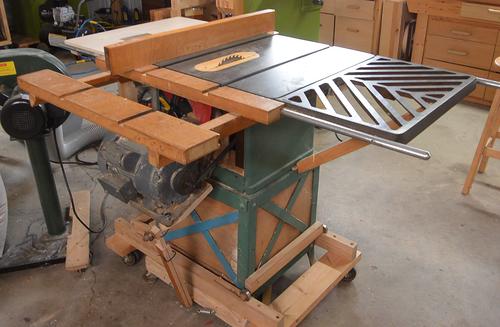
Credit: woodgears.ca
Maintenance And Care Tips For Hybrid Table Saws
Taking care of your hybrid table saw will keep it running safely and accurately for years. Here’s what you should do:
Regular Cleaning
- Vacuum out dust from the cabinet and motor area after each project.
- Clean the table surface with mineral spirits to remove resin and glue.
Lubrication
- Lubricate the trunnion gears, arbor, and elevation/tilt mechanisms as recommended by the manufacturer.
Blade Care
- Keep the blade clean and sharp. A dull blade strains the motor and causes burning.
- Check for blade alignment and parallelism with the miter slot regularly.
Fence And Miter Gauge
- Check the fence for parallelism to the blade.
- Calibrate the miter gauge as needed for accurate angles.
Electrical Safety
- Inspect the power cord for wear.
- Check the switch and safety features are working before each use.
Storage
- If not in use, cover the saw to keep dust off the table and mechanisms.
Advanced Features Found In Some Hybrid Table Saws
As manufacturers compete, some hybrid saws now include features once found only on high-end cabinet saws.
- Flesh-sensing safety systems: SawStop’s technology stops the blade instantly if it contacts skin, reducing serious injuries.
- Integrated router tables: Some hybrids have a router table built into the extension wing, saving space.
- Digital blade angle readouts: For ultra-precise bevel cuts, some saws have digital gauges.
- Quick-change riving knives and guards: Tool-free systems allow fast setup changes.
- Overarm dust collection: A dust shroud above the blade captures fine particles.
These features can increase cost, but add convenience, safety, and versatility.
Non-obvious Insights About Hybrid Table Saws
Most beginners focus on horsepower and price, but miss these important points:
- Vibration control is critical: Even with a strong motor, excessive vibration causes poor cuts, wear on parts, and operator fatigue. Look for a solid base, well-balanced drive system, and cast iron parts.
- Blade quality matters as much as the saw: Upgrading to a premium, sharp blade can improve cut quality more than a larger motor or pricier saw.
- Ease of adjustment saves time: Cabinet-mounted trunnions and external alignment points make periodic calibration much easier. This keeps your saw accurate over time, which is especially important for fine woodworking.
Hybrid Table Saw Safety Tips
Table saws are powerful tools. Here’s how to stay safe:
- Always use a riving knife or splitter to reduce kickback.
- Never remove the blade guard unless absolutely necessary.
- Stand to the side of the blade when starting a cut.
- Use push sticks or push blocks for small or narrow pieces.
- Keep your work area clean and free of offcuts and debris.
Remember: Most table saw injuries happen because of shortcuts or distractions. Take your time and follow safety protocols every single cut.

Credit: www.youtube.com
Environmental And Noise Considerations
Hybrid saws run quieter than contractor or benchtop saws, thanks to their enclosed base and induction motors. However, all table saws generate noise above safe levels for long-term hearing. Use ear protection.
Dust is another concern. Even with good dust collection, fine airborne particles can remain. Always use a dust mask or respirator, especially in small shops.
Real-world Experiences: What Users Say
Many hybrid saw owners report that their saw was one of their best workshop investments. They appreciate the improved accuracy, stability, and dust control compared to contractor saws. Common feedback includes:
- Quieter operation: The enclosed cabinet and induction motor make a noticeable difference.
- Space efficiency: Many hybrids fit in a garage or basement shop, even with side extensions.
- Better results: Upgraded fences and stable tables mean smoother, straighter cuts.
Some downsides reported are the need for assembly (they’re heavy and require careful setup) and the occasional need for electrical upgrades if you want to run on 220V.
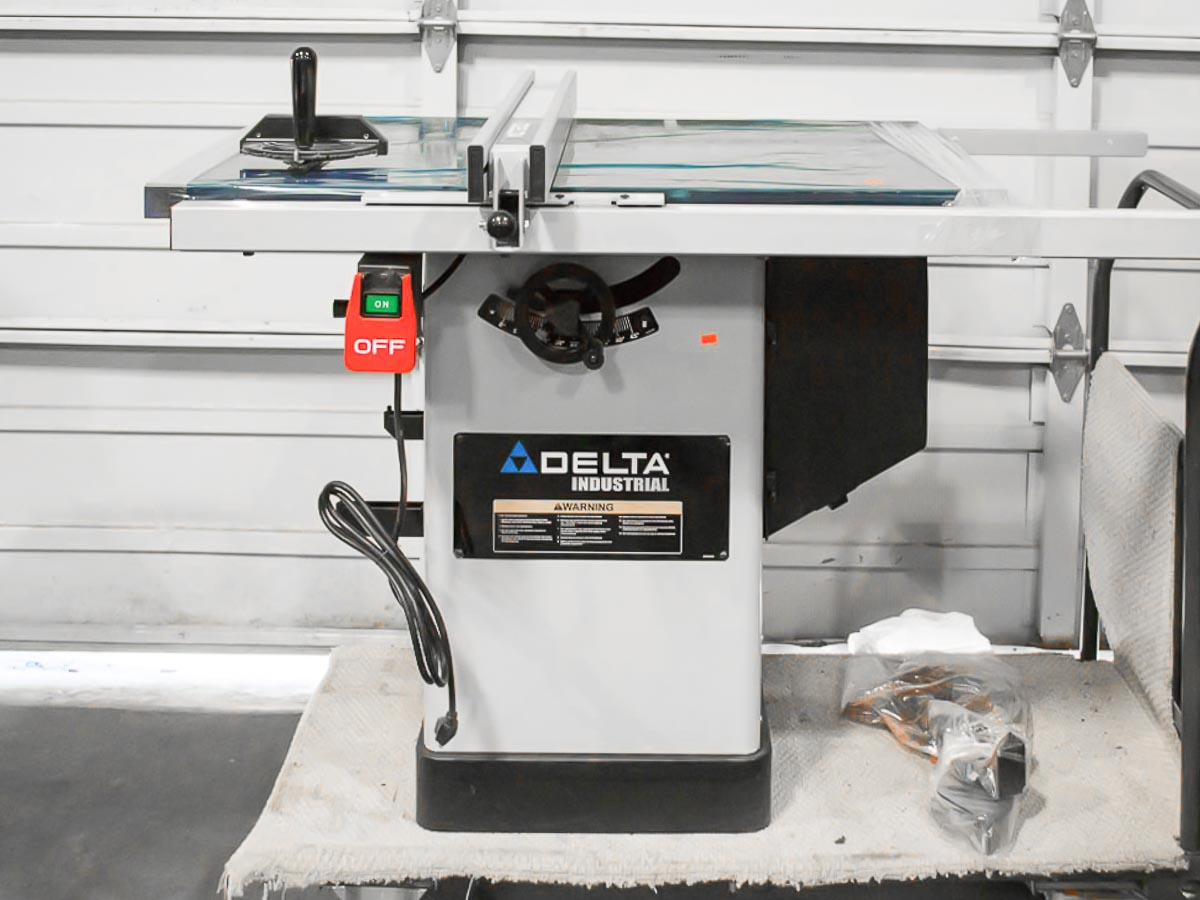
Credit: www.coastmachinery.com
Future Trends In Hybrid Table Saws
Manufacturers are adding more advanced safety, digital controls, and dust management to hybrid saws. Expect to see:
- More smart features: Digital angle settings, cut tracking, and wireless integration.
- Greener designs: More efficient motors and better dust containment.
- Enhanced safety systems: Wider availability of flesh-sensing and automatic shutoff technologies.
The hybrid table saw continues to evolve, offering more for serious woodworkers without moving into the full cabinet saw price range.
Frequently Asked Questions
What Is The Main Difference Between A Hybrid And A Cabinet Table Saw?
The biggest differences are motor size, base design, and cost. Hybrid saws use smaller (1.5–2 HP) motors that run on standard power, while cabinet saws use larger (3–5 HP) motors requiring 220V. Cabinet saws have a full, heavy base and are built for daily, industrial use. Hybrids offer much of the performance but are lighter and more affordable.
Can A Hybrid Table Saw Handle Hardwoods And Heavy-duty Work?
Yes, most hybrid saws can rip and crosscut hardwoods up to 2 inches thick without issue. For thicker stock or production work, a cabinet saw might be better, but for most furniture and cabinetry, a hybrid saw is more than capable.
Is A Hybrid Table Saw Suitable For A Small Home Workshop?
Absolutely. Hybrid saws are designed for home and small shops. They run on household power, offer good dust collection, and don’t take up as much space as a cabinet saw.
What Should I Look For In A Hybrid Table Saw Fence?
Look for a T-square style fence with solid locking, smooth sliding, and easy adjustment. The fence should stay parallel to the blade and not flex or shift during cuts. Some fences can be upgraded if the stock version isn’t satisfactory.
Where Can I Find More Information About Table Saw Safety?
For comprehensive safety guidelines, visit the OSHA Woodworking Safety page. It provides official tips and standards to keep your workshop safe.
Final Thoughts
A hybrid table saw is a powerful, versatile tool that gives you most of the benefits of a cabinet saw, but at a lower price and with fewer space and power requirements. For serious hobbyists and small shops, it’s often the perfect choice. Focus on quality, accuracy, and safety features when choosing your saw. With careful maintenance and proper setup, a hybrid table saw can serve as the heart of your workshop for decades, helping you turn ideas into reality—one precise cut at a time.