
What does it really mean when a table saw boasts a “24-inch rip capacity”? If you’re new to woodworking or just starting with power tools, terms like rip capacity can feel confusing. But understanding this feature is vital if you want to get the most out of your saw—whether you’re building furniture, cabinets, or simple home projects.
Rip capacity is more than just a technical specification. It directly affects what you can build, how safely you can work, and which projects are possible in your shop. Many beginners overlook rip capacity, only to find their saw can’t handle the materials they want to cut.
This article breaks down what rip capacity means, why it matters, and how to choose the right table saw for your needs. You’ll learn practical tips, see clear examples, and avoid the common mistakes that frustrate new woodworkers. By the end, you’ll have the confidence to pick a saw that fits your ambitions and your budget.
What Is Rip Capacity On A Table Saw?
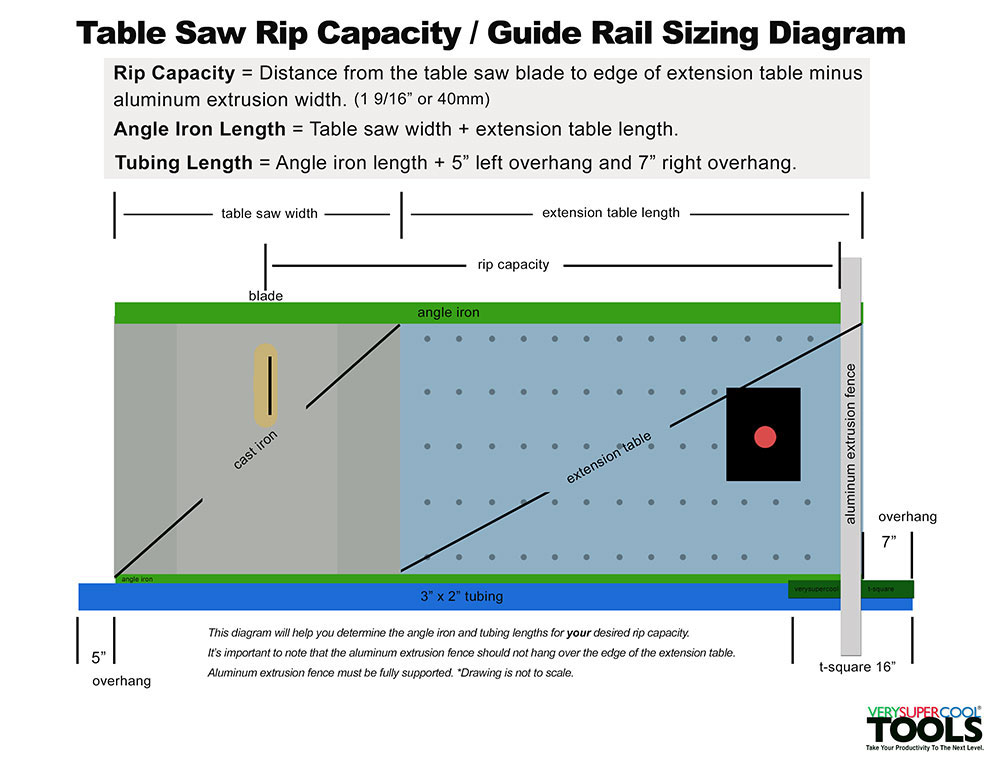
Rip capacity refers to the maximum distance between the saw blade and the fence on a table saw. This measurement shows the widest piece of wood you can cut (rip) in one pass, from the edge to the middle, using the fence as a guide. For example, if your table saw has a rip capacity of 30 inches, you can safely cut a board up to 30 inches wide.
The term “rip” comes from “ripping a board,” which means cutting along the length of the wood, usually with the grain. This is different from a crosscut, which goes across the grain. Rip capacity matters most when you need to split large panels, like plywood or MDF, into smaller pieces.
Key Points Of Rip Capacity
- Represents the usable width between blade and fence
- Directly limits the size of material you can cut
- Affects which projects you can complete
Many saws advertise their rip capacity as a key feature. Sometimes you’ll see numbers like 24”, 30”, or even 52”. Understanding these numbers helps you match your saw to your needs.
Why Is Rip Capacity Important?
Rip capacity might seem like a small detail, but it plays a huge role in your woodworking projects. If your saw doesn’t have enough rip capacity, you’ll struggle with large boards or need to use unsafe methods to make cuts.
Impact On Project Size
A table saw with a larger rip capacity can handle full sheets of plywood or wide boards. For example, cabinet makers often need a 30-inch or 36-inch rip capacity to cut panels for cabinet sides or tops. If you’re building bookshelves or storage units, you’ll appreciate the flexibility to cut bigger pieces.
Safety Benefits
Trying to cut a board that’s too wide for your saw can be dangerous. You might need to remove the fence or use awkward setups, risking kickback or bad cuts. The right rip capacity lets you keep the fence in place and maintain control over the material.
Efficiency In The Workshop
A larger rip capacity means fewer setups and less time spent moving fences or flipping boards. This efficiency is especially important if you work with sheet goods, like 4’x8’ plywood, which are common in construction and furniture making.
Common Mistake: Underestimating Needs
Many beginners buy saws with small rip capacities because they’re cheaper or more compact. Later, they find out the saw can’t handle the projects they want to try. Always plan for the largest material you might use, not just what you cut today.
Credit: landmarktools.com
How Is Rip Capacity Measured?
Rip capacity is measured in inches from the saw blade to the furthest point the fence can reach on the right side of the blade. Some saws also list left-side rip capacity, but most cuts are made to the right.
For example, a saw with a 24-inch rip capacity lets you set the fence 24 inches from the blade. You can then cut a board or panel up to 24 inches wide in one pass.
Measuring Rip Capacity Yourself
If you want to check the rip capacity on your own saw:
- Move the fence as far to the right as possible.
- Measure the distance from the blade’s teeth to the fence’s inside edge.
- That number is your rip capacity.
Some saws offer extensions or after-market rails that can increase this distance. Always use the measurement from the blade to the fence—not the table’s edge.
Types Of Table Saws And Their Typical Rip Capacities
Different table saws offer different rip capacities. The type of saw you choose will depend on your workspace, budget, and the projects you plan to build.
Here’s a comparison of common table saw types and their typical rip capacities:
| Table Saw Type | Common Rip Capacity | Best For |
|---|---|---|
| Benchtop | 18–24 inches | Hobbyists, light-duty projects |
| Jobsite | 24–32 inches | Contractors, remodelers |
| Contractor | 30–36 inches | Serious DIYers, small shops |
| Cabinet | 36–52 inches | Professional woodworkers |
Benchtop Table Saws
These are small, portable, and affordable. They usually offer 18–24 inch rip capacity. This is enough for small boards and light work but can limit you with larger sheets.
Jobsite Table Saws
A step up in power and capacity, jobsite saws often have 24–32 inch rip capacities. Many contractors use these for trim, flooring, and basic construction cuts.
Contractor Table Saws
Heavier and more stable, these saws provide 30–36 inch rip capacities. They can handle most home woodworking and small business needs.
Cabinet Table Saws
These are the largest and most powerful. With 36–52 inch rip capacities, they’re designed for professional shops and full-size sheet goods.
How Rip Capacity Affects What You Can Build
The rip capacity of your table saw doesn’t just change what you can cut—it shapes what you can build. Let’s look at a few examples.
Example 1: Building Cabinets
Cabinet sides are often cut from 24-inch or 30-inch wide panels. If your saw has only an 18-inch rip capacity, you won’t be able to make these cuts in one pass. You’d need to use a circular saw or find another solution.
Example 2: Making Bookshelves
Many bookshelves use panels 12–16 inches wide. Here, even a 24-inch rip capacity is enough. But if you decide to build larger furniture later, you’ll appreciate extra capacity.
Example 3: Working With Plywood
A full sheet of plywood measures 48 inches wide. If you want to rip it in half for cabinet backs or tabletops, a 24-inch rip capacity won’t be enough. Professional shops often use 36-inch or wider rip capacities for this reason.
Upgrading Rip Capacity: Is It Possible?
You might be wondering if you can increase the rip capacity of your current table saw. The answer is: sometimes, yes.
Fence Rail Extensions
Many saws allow you to buy longer rails for the fence system. These rails extend the fence further to the right, increasing rip capacity. This upgrade is common on contractor and cabinet saws, and can add 10 inches or more.
Aftermarket Fences
Some woodworkers replace the factory fence with a high-quality aftermarket fence. These often come with longer rails and smoother adjustments, giving you more width and better accuracy.
Diy Extensions
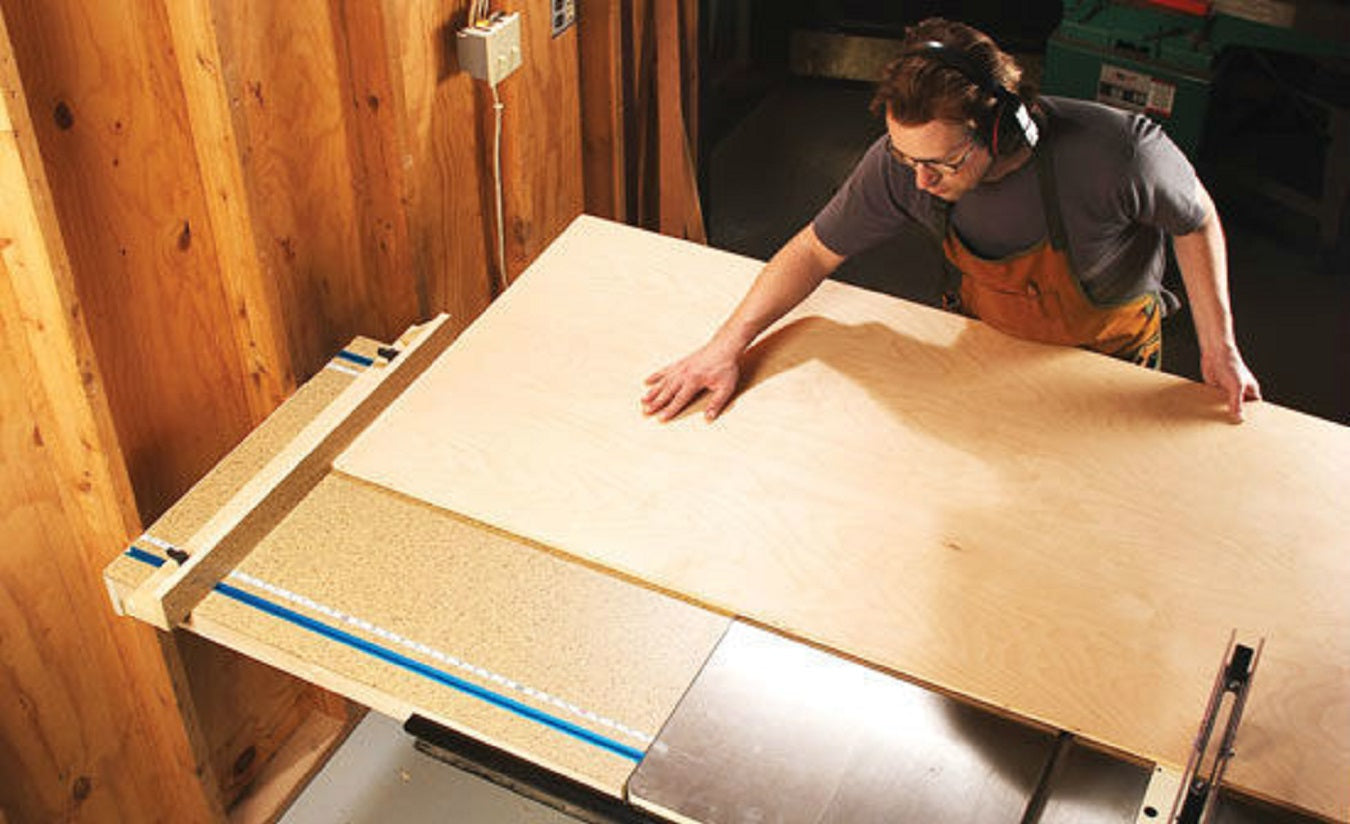
For benchtop or jobsite saws, some people build custom table extensions. These are usually plywood or MDF surfaces added to the right side of the saw. You’ll need to move the fence rails or add supports, but it’s a budget-friendly way to cut wider boards.
Limitations
Not every saw can be upgraded. Benchtop models are often too small, and adding big extensions can make them unstable. Always check your saw’s manual or manufacturer’s website before making changes.
Choosing The Right Rip Capacity For Your Needs
Picking the right rip capacity is about balancing your space, budget, and project goals. Here’s how to make a smart decision:
1. Think About Your Projects
List the largest boards or panels you want to cut. If you work mostly with small lumber (under 12 inches), a small saw is fine. If you plan to build cabinets, furniture, or work with sheet goods, look for at least 30-inch rip capacity.
2. Consider Your Workspace
A bigger saw means a bigger footprint. Make sure you have room for the saw, extensions, and enough space to handle long boards safely.
3. Plan For The Future
Don’t buy a saw that just fits your current needs. Most woodworkers grow into bigger projects over time. A little extra rip capacity now can save you from an expensive upgrade later.
4. Watch Your Budget
Rip capacity adds cost. Saws with 36-inch or 52-inch capacities are more expensive and heavier. Decide if the extra width is worth it for your work.
5. Portability Vs Power
Jobsite saws offer good balance between size and capacity, but they won’t match the accuracy or smoothness of a cabinet saw. If you need to move your saw often, consider a folding stand or portable model.
Rip Capacity Vs Other Table Saw Features
Rip capacity is important, but it’s not the only thing to look at. Here’s how rip capacity compares to other key features:
| Feature | Why It Matters | When to Prioritize |
|---|---|---|
| Rip Capacity | Determines max board width | Large panels, furniture |
| Motor Power | Handles thick, hard wood | Heavy-duty projects |
| Fence Quality | Keeps cuts straight and safe | All projects |
| Dust Collection | Keeps work area clean | Frequent use |
| Blade Size | Affects cut depth | Thick materials |
A well-built fence and a powerful motor can be more important for precise cuts than a few extra inches of rip capacity. Evaluate your projects and choose the right balance.

Credit: www.youtube.com
Common Questions And Misconceptions About Rip Capacity
Beginners often misunderstand rip capacity, leading to frustration or unsafe work. Here are some common myths and real facts:
Myth 1: Rip Capacity = Table Size
People sometimes think rip capacity means the whole tabletop width. In fact, it only measures from the blade to the fence—not the physical size of the table.
Myth 2: Bigger Is Always Better
A huge rip capacity looks impressive, but it isn’t always necessary. Extra width takes more space and adds cost. Only pay for what you’ll really use.
Myth 3: You Can Always Upgrade Later
Not all saws allow for easy upgrades. Some benchtop or jobsite models can’t support longer rails or heavy extensions.
Fact: Safety Should Come First
Never remove the fence or use unsafe methods to cut larger boards. If you need to handle very wide material, use a track saw, circular saw, or ask a friend for help.
Fact: Rip Capacity Is Not The Same As Cutting Depth
Rip capacity is about width, not thickness. The blade size and motor power determine how thick a board you can cut.
Real-world Scenarios: Rip Capacity In Action
To see how rip capacity makes a difference, let’s walk through a few situations:
Scenario 1: Cutting Cabinet Sides
You buy a 4×8 sheet of plywood to make kitchen cabinets. You need to rip 24-inch wide panels. With a 24-inch rip capacity, you can do this in one pass. With a smaller saw, you’d need to cut with a circular saw first, then finish on the table saw.
Scenario 2: Diy Home Projects
You mostly build small boxes or picture frames. Here, a 20-inch rip capacity is plenty, and you can save money and space with a compact saw.
Scenario 3: Professional Workshop
Your shop builds custom furniture. You handle big panels every day. A saw with a 52-inch rip capacity lets you rip full plywood sheets in one pass, making your work faster and more accurate.
Safety Tips When Working At Maximum Rip Capacity
Cutting large boards at the full rip capacity of your saw is challenging. Here are essential safety tips:
- Use an outfeed table to support the board as it exits the saw.
- Keep the fence locked and check alignment before each cut.
- Stand to the side of the blade to avoid kickback.
- Wear eye and ear protection every time you use the saw.
- Don’t force the wood—let the saw do the work.
- Get help when handling heavy or large sheets.
Ignoring these safety practices can result in poor cuts or serious injury.
How To Increase Rip Capacity Without Buying A New Saw
If your budget is tight or you want to get more from your current saw, here are a few creative options:
Use A Circular Saw First
Cut your sheet goods roughly to size with a circular saw. Then, make the final, precise cut on the table saw. This method combines accuracy and flexibility.
Build A Temporary Extension Table
Attach a sturdy piece of plywood to the right side of your saw, flush with the table. Clamp or screw it down, then reset your fence. This adds support for wider boards.
Move The Fence Rails
On some saws, you can unbolt and shift the fence rails further to the right for special projects. Just be careful to realign everything for accuracy.
Consider A Track Saw
If you only need to rip large boards occasionally, a track saw is a portable, accurate option that doesn’t require a big table saw.
Credit: vsctools.com
Comparing Popular Table Saw Models By Rip Capacity
Here’s a quick look at three popular table saws and their rip capacities:
| Model | Type | Rip Capacity | Price Range |
|---|---|---|---|
| DeWalt DWE7491RS | Jobsite | 32.5 inches | $600–$700 |
| SawStop PCS31230 | Cabinet | 36–52 inches | $3500+ |
| SKIL 3410-02 | Benchtop | 24.25 inches | $300–$350 |
These examples show how rip capacity and price often go hand-in-hand. Professional saws cost more, but offer much more flexibility.
Two Insights Most Beginners Miss
- Rip capacity affects shop layout. A saw with a larger rip capacity needs more open space around it—not just for the saw, but also for feeding and receiving long boards safely. Always measure your workspace before upgrading.
- A better fence is as important as more rip capacity. If your fence isn’t solid and precise, you won’t get straight, safe cuts—even if you have plenty of width. Invest in a high-quality fence system if you plan to cut large panels regularly.
Maintaining Accuracy At Maximum Rip Capacity
As you approach the maximum width of your saw, accuracy can suffer. Boards may sag, fences can flex, and cuts can wander. Here’s how to get the best results:
- Check fence alignment every time you move it to a new position.
- Support the board with rollers or outfeed tables to prevent sagging.
- Use push sticks to keep your hands away from the blade.
- Take your time—rushing big cuts leads to mistakes.
Some saws have micro-adjustment features on the fence. Use these for the best possible accuracy.
When A Track Saw Or Panel Saw Might Be Better
For very large sheet goods, even a big table saw can be awkward. In these cases, a track saw or panel saw might be a better tool. Track saws ride on a guide rail, making straight cuts through plywood without moving the heavy sheet. Panel saws mount the wood vertically, using gravity and rollers for easy control.
If you cut 4×8 sheets often, consider these tools as alternatives or companions to your table saw. They can make your workflow safer and faster.
Frequently Asked Questions
What Is The Ideal Rip Capacity For A Beginner?
A rip capacity of 24–30 inches is ideal for most beginners. This size covers most DIY and hobby projects, including small furniture and shelving. If you plan to work with full sheets of plywood, aim for 30 inches or more.
Can Rip Capacity Be Increased After Buying A Saw?
In many cases, yes. You can add longer fence rails or build custom extensions. However, not all saws support these upgrades. Check your owner’s manual or manufacturer’s website before buying parts.
Is Rip Capacity The Same On Both Sides Of The Blade?
Usually, no. Most table saws have a larger rip capacity on the right side of the blade. The left side often has a smaller capacity, since most fences and rails are designed for right-side use.
Do I Need A Large Rip Capacity For Crosscuts?
No. Rip capacity only matters when cutting along the length (with the grain) of the wood. Crosscuts go across the grain, and are limited by the miter gauge or crosscut sled, not the rip capacity.
Where Can I Learn More About Table Saw Safety And Features?
The Wikipedia Table Saw page offers an excellent overview of saw types, safety features, and best practices.
A table saw’s rip capacity is much more than a number in a spec sheet. It determines the size, safety, and quality of your woodworking projects. By understanding what rip capacity really means—and choosing the right size for your needs—you’ll avoid common mistakes and set yourself up for success in the workshop.
Always consider your future goals, your workspace, and your safety before making a purchase. With the right table saw, you’ll be ready to build almost anything your imagination can design.