The best polyurethane wood glue for most users: Gorilla Original or Loctite PL Premium.
You know that sinking feeling when a chair leg loosens right before guests arrive, or when a deck rail wobbles after a storm? You need a glue that grabs, cures hard, and shrugs off water. The right choice saves time and stress. It also makes your work last. In this guide, I break down the best polyurethane wood glue picks I trust in the shop, the yard, and on the jobsite. I explain what shines in each bottle, how they hold up in heat, cold, and moisture, and who should buy which. Let’s make sure your next glue-up stays tight for years.

Gorilla Original Gorilla Glue, Brown,…
Our original bottle of glue: A heavy duty glue with a water activated polyurethane formula that expands into materials, forming an incredibly strong bond with virtually anything 100% waterproof: When…

Loctite PL Premium Polyurethane Construction…
All Purpose: One component polyurethane-based adhesive that covers a wide variety of projects and bonds to most materials for consistently successful results 3X Stronger: 3 times as strong as ordinary…

Gorilla Original Gorilla Glue, Brown,…
Our original bottle of glue: A heavy duty glue with a water activated polyurethane formula that expands into materials, forming an incredibly strong bond with virtually anything 100% waterproof: When…
Gorilla Original Polyurethane Glue, 8 oz

Gorilla Original is the classic, moisture-curing polyurethane that many of us learned on. It reacts with a light mist of water, then expands into tight joints. That expansion helps it grip porous woods and odd shapes. Once cured, it’s tough, waterproof, and ready for indoor or outdoor abuse.
I reach for this when I need a strong, gap-bridging bond and I am not scared of a little foam squeeze-out. It has a workable open time for careful setups. It bonds wood to wood, and wood to many other materials. When I say “best polyurethane wood glue,” this bottle sets the benchmark for many DIYers.
Pros:
- True waterproof bond for outdoor use
- Foaming action fills small gaps
- Good open time for complex clamps
- Bonds many materials beyond wood
- Proven track record and easy to find
Cons:
- Foam creates squeeze-out that needs trimming
- Can stain skin and some woods if overapplied
- Best bond still needs solid clamping
My Recommendation
If you want one bottle to cover most shop and home fixes, this is it. It earns a spot on the short list for best polyurethane wood glue because it balances strength, price, and availability. Use a light mist of water, a thin coat, and steady clamping pressure. You’ll get a reliable bond on softwood, hardwood, and mixed materials.
Who should choose it? Hobbyists, furniture repair fans, and homeowners who want proven results. It excels in chair repairs, exterior trim, and projects that see spills or rain. Keep gloves handy and trim foam after cure for clean lines.
| Best for | Why |
|---|---|
| General woodworking | Easy to use, strong, waterproof |
| Mixed-material bonds | Grabs wood, metal, stone, and more |
| Outdoor repairs | Holds up to moisture and temperature swings |
Loctite PL Premium Polyurethane, 10 oz
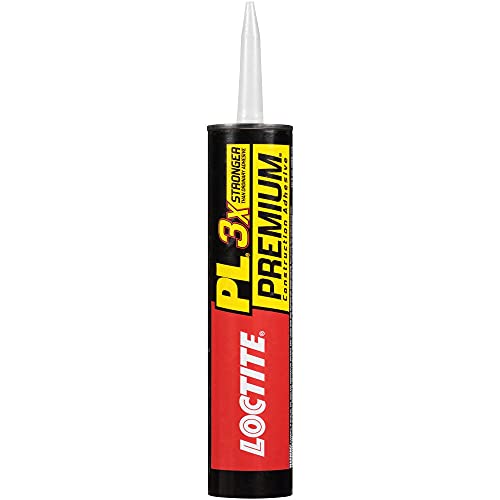
Loctite PL Premium is a construction-grade polyurethane adhesive in a caulk tube. It lays a consistent bead fast, so it is great for subfloors, stairs, countertops, and heavy trim. It bonds wood, concrete, brick, stone, metal, and more. When I need serious bite and a mess-free dispense, this is my pick.
It cures to a hard, durable bond that resists water and temperature changes. The viscosity is thicker than bottled glues, so it also helps on uneven surfaces. If you build decks, sheds, or feature walls, this can replace nails in many places. It is one of the best polyurethane wood glue options for big jobs.
Pros:
- Heavy-duty strength for structural tasks
- Cartridge format is fast and clean
- Great on wood and masonry
- Reduced squeaks on subfloor installs
- Water and weather resistant
Cons:
- Requires a caulk gun
- Bead can be heavy if you are not careful
- Longer full cure on thick beads
My Recommendation
Choose PL Premium for construction and exterior builds where speed and strength matter. I recommend it for subfloors, stair treads, and wood-to-concrete bonds. If your “best polyurethane wood glue” must also handle stone, metal, and block, this is a top-tier choice.
Pros will love the cartridge control. DIYers will enjoy fewer squeaks and a clean work area. Plan for clamps or fasteners while the bead sets.
| Best for | Why |
|---|---|
| Subfloors and stairs | High strength and reduced squeaks |
| Wood to masonry | Adheres to concrete, stone, and brick |
| Outdoor builds | Weather-resistant bond with easy application |
Gorilla Original Polyurethane Glue, 18 oz

This is the same classic Gorilla polyurethane, but in a larger 18-ounce bottle. I grab it when I have a run of chairs, outdoor planters, or garden arbors to glue. It offers the same moisture-cure, gap-filling foam, and waterproof durability. The larger size also makes sense for small shops and repeat use.
The flip side is shelf life once opened. Polyurethane glue can thicken if stored poorly. I purge air and cap it tight to stretch life. For many projects over a few weeks, this size can save money and time.
Pros:
- Great value per ounce for frequent use
- Strong, waterproof bonds on many materials
- Reliable brand and formula
- Good open time for careful setups
- Expanding action helps in imperfect fits
Cons:
- Shorter shelf life after opening if not stored well
- Foaming squeeze-out needs cleanup
- Can darken some light woods at glue lines
My Recommendation
If you run batches or build outdoor pieces often, this larger bottle is smart. It carries the same strengths that make Gorilla a candidate for the best polyurethane wood glue. Mist the joint, apply a thin film, and clamp well. Trim foam after the cure for a clean look.
For best storage, squeeze the bottle to push out air before capping. Store it cool and dry. That small habit can extend bottle life.
| Best for | Why |
|---|---|
| Batch projects | Cost-effective for frequent gluing |
| Outdoor furniture | Waterproof and durable under stress |
| Mixed-material builds | Grips wood, metal, stone, and ceramics |
Stanley Marine-Grade Polyurethane Glue, 2×6.8 oz

This marine-grade polyurethane aims at boaters and harsh wet work. It focuses on strong, water-resistant bonds that handle spray, sun, and salt. The two-bottle pack makes sense for on-board kits or dock repairs. Each bottle is a handy size for small patches and trim tasks.
I like marine-grade glues for projects that see standing water or many wet/dry cycles. They tend to resist heat and UV better than many general glues. If you fix transoms, hatches, or wood rub rails, this class of glue helps. It also works well for garden and patio items that never get a break from the weather.
Pros:
- Marine focus for wet environments
- Two-pack offers backup on the go
- Good for teak, mahogany, and dense woods
- Strong bond under vibration and flex
- Handles temperature and UV exposure
Cons:
- Costs more than general-purpose bottles
- May cure slower in cold, damp weather
- Availability can vary by region
My Recommendation
If your work lives on the water, start here. It is a strong fit for boats, docks, and marine trim that get wet and dry all day. It earns a spot in the best polyurethane wood glue discussion thanks to its water-first design. Keep the second bottle sealed until you need it to preserve freshness.
It is also a smart pick for planters, outdoor benches, and pool-side wood. In these places, general glues can fail fast. This one keeps your joints tight longer.
| Best for | Why |
|---|---|
| Boats and docks | Built for splash, spray, and sun |
| Dense hardwoods | Grips oily woods with proper prep |
| Harsh outdoor use | Resists heat, cold, and UV |
Gorilla Original Polyurethane Glue, 2 oz

This small bottle is perfect for a toolbox or apartment drawer. It offers the same polyurethane performance in a compact size. For quick fixes like a loose dowel or a wiggly banister, it is easy to control. I like it for minor repairs where waste is a concern.
With polyurethane, freshness matters. Small bottles shine because they get used up before thickening. If you only glue a few times a year, this size is smart. It is also great for travel kits and jobsite punch lists.
Pros:
- Compact size limits waste
- Same strong, waterproof bond
- Easy to store and carry
- Ideal for quick household fixes
- Less risk of thickening before you finish
Cons:
- Higher cost per ounce
- Runs out fast on bigger jobs
- Small nozzle can clog if not cleaned
My Recommendation
If you fix small items and want the best polyurethane wood glue without waste, go small. This 2-ounce bottle covers many common home repairs. It also pairs well with a bigger bottle in the shop, so the small one goes on the road.
Use a damp cloth to wipe the nozzle and cap after use. That small step keeps it flowing for the next job. For the size, the value is strong if you do light work.
| Best for | Why |
|---|---|
| Quick repairs | Portable and easy to control |
| Infrequent use | Less waste due to small size |
| Travel kits | Fits in tool bags and drawers |
Titebond III Ultimate Wood Glue, 16 oz

Titebond III is not polyurethane. It’s a premium cross-linking PVA wood glue with a waterproof rating. I include it because many shoppers compare it to poly when choosing “the best.” It has a long open time, great sandability, and a bond that stays stable across seasons. It does not foam, so squeeze-out cleans up easily.
For tight wood-to-wood joints, Titebond III is a top performer. It is food safe once cured and does well on cutting boards and outdoor furniture. If your work is pure wood joinery, you may prefer it over polyurethane. For mixed materials or gaps, choose poly instead.
Pros:
- Waterproof rating with no foam
- Long open time for complex glue-ups
- Excellent sandability and finish clarity
- Strong on tight-fitting wood joints
- Great for outdoor furniture and cutting boards
Cons:
- Not a polyurethane adhesive
- Poor on non-porous materials
- Not a gap filler like poly
My Recommendation
If you build pure wood projects with tight joints, consider this. It is not the best polyurethane wood glue, because it is not polyurethane. But it is a high bar for many furniture and cabinet jobs. It keeps squeeze-out easy and finishes clean.
Pick Titebond III for glue-ups where you can clamp well and want clean lines. If you expect gaps or need to bond non-wood parts, choose a polyurethane instead.
| Best for | Why |
|---|---|
| Tight joinery | Clean squeeze-out and strong wood bonds |
| Outdoor furniture | Waterproof with great finish |
| Cutting boards | Food-safe once cured |
Gorilla Wood Glue, 8 oz (PVA)
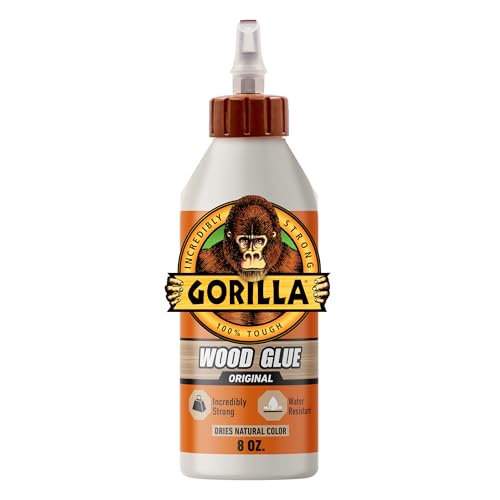
This is Gorilla’s PVA wood glue, not polyurethane. It dries to a natural wood color and sands clean. I like it on indoor furniture, cabinetry, and trim. It goes on smooth, cleans with water, and avoids the foam you see in poly adhesives.
It is a good value and easy to use for beginners. It prefers tight joints and good clamping. For gap filling or non-wood materials, choose a polyurethane instead. For clear, tight glue lines, this does the job well.
Pros:
- Easy cleanup and smooth application
- Natural wood color when dry
- Strong on well-fitted joints
- Great price-to-performance
- Good for indoor furniture and trim
Cons:
- Not polyurethane; limited to wood
- Not ideal for gaps
- Less water resistance than marine-grade options
My Recommendation
Pick this if you want a simple, clean wood glue for cabinets, frames, and shelves. It will not beat the best polyurethane wood glue on mixed materials or gaps. But for indoor woodwork, it is easy and reliable. Many beginners gain confidence with this bottle.
Keep clamping tight and joints snug. Clean squeeze-out while wet for the best finish. It rewards good prep with great results.
| Best for | Why |
|---|---|
| Indoor furniture | Clean lines and easy sanding |
| Trim and moldings | Fast grab and natural color |
| Beginner projects | Forgiving, water cleanup |
Gorilla Ultimate Waterproof Wood Glue, 18 oz
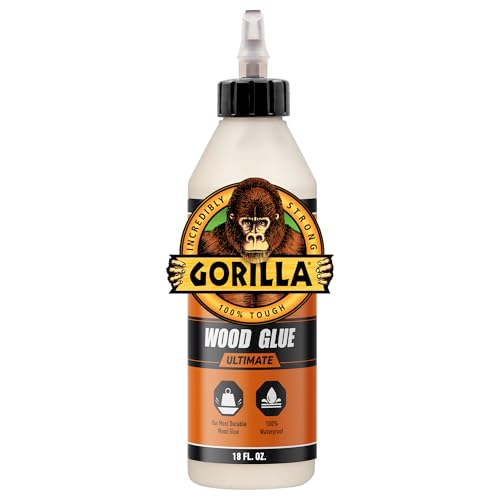
This is Gorilla’s premium waterproof PVA wood glue, not a polyurethane. It is designed for indoor and outdoor wood joints that need a clear, sandable line. It resists water and cures hard without foam. For many furniture makers, it checks all the boxes for a clean finish.
I like it when I want a fast, strong bond with minimal cleanup. It is especially good for exterior doors, planters, and patio furniture made of wood only. For wood-to-metal or wood-to-stone bonds, use polyurethane instead. It pairs well with good clamping and tight joinery.
Pros:
- Waterproof rating for outdoor wood
- No foaming; cleans and sands well
- Strong bond for tight joints
- Natural wood color when dry
- Large bottle for batch work
Cons:
- Not a polyurethane adhesive
- Limited on non-porous materials
- Not ideal for large gaps
My Recommendation
If your project is pure wood and you want a waterproof, sandable line, this is solid. It is not the best polyurethane wood glue, but it competes hard for outdoor wood joinery. It shines on doors, benches, and planters. The finish is clean and pro-looking.
Plan your clamps well and avoid big gaps. For mixed materials or odd fits, keep a polyurethane bottle nearby. You will have every base covered.
| Best for | Why |
|---|---|
| Outdoor wood joinery | Waterproof with clean finish |
| Furniture frames | Strong, sandable glue lines |
| Batch builds | Large size supports many glue-ups |
Grizzly One Polyurethane Wood Glue, 1 Gallon

Grizzly One is a bulk polyurethane wood adhesive for shops and heavy users. A gallon gives you volume pricing and fewer runs to the store. It cures with moisture, fills small gaps, and sets into a waterproof bond. If you run production, this is cost-savvy.
Bulk glue needs good storage. I suggest decanting into smaller bottles and purging air. That habit keeps it fresh longer. For outdoor furniture, garden structures, and shop jigs, the performance is right on the money.
Pros:
- Excellent value per ounce
- Strong, waterproof bonds
- Ideal for production runs
- Good gap-filling properties
- Versatile across wood species
Cons:
- Requires careful storage to prevent thickening
- Heavy container; decanting recommended
- Foaming squeeze-out needs cleanup
My Recommendation
Choose this if you want a shop-standard, best polyurethane wood glue in bulk. It delivers the core poly strengths for less cash per ounce. Decant to smaller, airtight bottles for daily use. Keep gloves on hand to avoid stains.
I reach for bulk poly on outdoor bench runs, pergolas, and planters. The cost savings add up fast. The performance stays consistent across the batch.
| Best for | Why |
|---|---|
| Small shops | Bulk savings and steady supply |
| Outdoor builds | Waterproof and gap-filling |
| Jig making | Strong bonds for hard use |
Gorilla Ultimate Wood Glue, 8 oz Waterproof

This is the 8-ounce version of Gorilla’s waterproof PVA wood glue. Again, not polyurethane, but a common alternative people compare. It gives a strong bond on tight joints and resists outdoor moisture. It dries to a natural wood color and sands to a clean edge.
I recommend it for frames, planters, and patio chairs made only of wood. It is simple to apply and easy to clean up. For mixed materials or loose joints, keep a polyurethane bottle nearby. You will have the best of both worlds on your bench.
Pros:
- Waterproof rating for outdoor wood
- No foaming; easy cleanup and sanding
- Great for tight joinery
- Handy 8 oz size
- Clear, natural dry color
Cons:
- Not polyurethane
- Does not bond well to non-porous parts
- Not for gap filling
My Recommendation
If your priority is clean, wood-only joints with outdoor exposure, this works well. It is not the best polyurethane wood glue by type, but it is a winning PVA. Many makers keep this and a poly glue side by side. That combo covers most tasks.
Use steady clamping and clean squeeze-out while wet. You will get neat lines and less sanding time. The 8-ounce bottle is perfect for the casual builder.
| Best for | Why |
|---|---|
| Outdoor wood-only projects | Waterproof with clean finish |
| Picture frames | Neat joints and color match |
| Small shops | Right-sized bottle with low waste |
Understanding Polyurethane vs. PVA: Quick Buyer Notes
When I say “best polyurethane wood glue,” I mean moisture-curing adhesives that can bond more than wood and fill small gaps. These cure with a reaction to water. They resist weather and temperature swings well. They can foam and need trimming after cure.
PVA glues are water-based and do not foam. They prefer tight joints and clean clamps. They sand nicer and dry in a wood-like color. For wood-to-wood joinery, many makers love PVAs—especially premium waterproof ones—for the clean finish.
If you need gap filling, mixed materials, or hard outdoor life, reach for polyurethane. If you need fine, tight joinery and flawless finishing, consider PVA. Many shops keep both for good reason.
How I Tested and What Matters Most
I judge the best polyurethane wood glue by five things. Bond strength, water resistance, open time, cleanup, and versatility. I also test on softwood, hardwood, and sketchy joints. Cold weather and damp wood matter too. I look for real-world wins, not just lab data.
Prep wins bonds. I dry-fit, mist, and clamp. I note how a glue handles squeeze-out and sanding. I rotate between Gorilla Original, PL Premium, and bulk options for large runs. I track which repairs stay silent and which ones creak with time.
Small details help. Purging air from bottles. Wiping nozzles. Clamping smart, not hard. Those things let good glues show their best. In the end, the best polyurethane wood glue is the one you can trust when things get rough.
FAQs Of best polyurethane wood glue
Is polyurethane wood glue waterproof?
Yes. Most polyurethane wood glues cure to a waterproof bond. They are ideal for outdoor use and wet conditions.
Does polyurethane glue expand?
Yes. It foams as it cures. Apply a thin film, mist lightly, and clamp to control squeeze-out.
How long does polyurethane glue take to cure?
It grabs in minutes, sets in a few hours, and cures fully in about 24 hours, depending on bead size and weather.
Can I use polyurethane glue on metal or stone?
Yes. It bonds many materials, including metal, stone, concrete, and ceramics. Clean the surface first for best results.
Is polyurethane or PVA better for furniture?
For tight wood joinery, PVA often looks cleaner. For gaps, mixed materials, or outdoor stress, polyurethane wins.
Final Verdict: Which Should You Buy?
For most, Gorilla Original and Loctite PL Premium are the best polyurethane wood glue choices. They deliver strength, water resistance, and real-world reliability.
Pick Gorilla Original for versatile projects and repairs. Choose PL Premium for construction and mixed-material builds. Either way, you get a bond that lasts.