
The best wood hand planes combine a sharp iron, steady control, easy adjustment, and a sole that stays flat.
A rough board can turn a calm project into a tiring chore when its edges rise, its surface shows mill marks, or a door sticks by a hair. I understand that frustration. A good hand plane removes thin shavings with control, so you can fit, smooth, and shape wood without relying only on loud power tools. In this guide, I compare useful bench planes, block planes, specialty planes, and budget choices. My goal is simple: help you find the best wood hand planes for your skill level, timber, and next project.
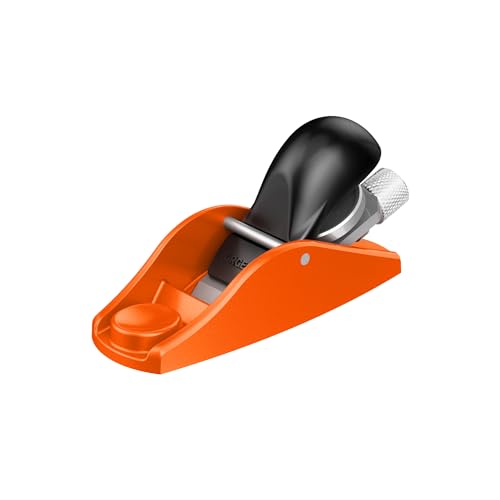
JORGENSEN No.101 Mini Wood Planer…
Professional Level Blade: The blade is made of professional level O1 tool steel, improving cutting efficiency while minimizing blade wear, finely sharpened for efficient wood planing and ideal for detail…
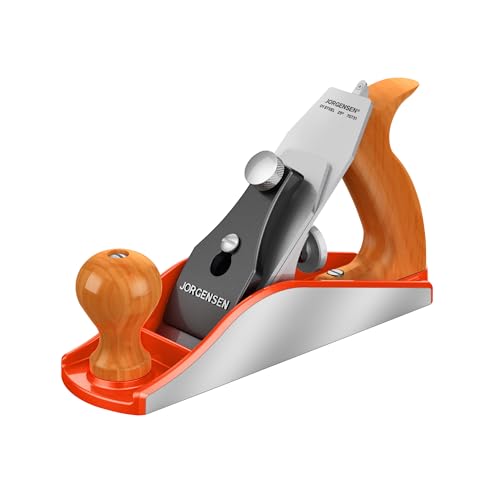
JORGENSEN No.4 10″ Wood Plane,…
Professional Level Blade: The blade is made of professional level O1 tool steel, improving cutting efficiency while minimizing blade wear, finely sharpened for efficient wood planing and ideal for woodworking….

JORGENSEN NO.60-1/2 6-1/4″ Wood Planer,…
Professional Level Blade: The blade is made of professional level O1 tool steel, improving cutting efficiency while minimizing blade wear, finely sharpened for efficient wood planing and ideal for detail…
JORGENSEN No.101 Mini Wood Planer

The JORGENSEN No.101 is a small wood plane made for light work and close control. Its compact size makes it easy to hold near the cutting area. That helps when you need to trim a narrow edge, adjust a small joint, or clean up a model part. It also takes up very little room on a crowded bench.
A mini plane will not replace a full-size No.4 or No.5 plane. Still, it can feel like a pocket chisel when a large plane seems awkward. I would use it for small boards, short end grain work, crafts, and quick fitting jobs. As with any hand plane, the blade needs a keen edge and careful setup before it gives its best cut.
Pros:
- Compact body feels easy to control
- Useful for small trim and repair tasks
- Fits well in a small tool box
- Good choice for model work and crafts
- Lets beginners learn basic plane control
- Works well where a full-size plane feels too large
Cons:
- Small sole limits long, flat smoothing work
- Not the right choice for removing much stock
- Small parts can feel less comfortable during long sessions
Best For:
| Best for | Why |
|---|---|
| Small repairs | Its short body gives close control on narrow work. |
| Craft projects | The compact shape suits small wood parts. |
| New users | It teaches blade depth and hand pressure on a small scale. |
My Recommendation
I recommend the JORGENSEN No.101 to crafters, model makers, and woodworkers who often handle small parts. It is also a nice second plane for anyone who already owns a bench plane. The compact body makes it one of the best wood hand planes for detail work, not for broad boards. Its value depends on your projects, but its small size makes it easy to keep ready and easy to store.
JORGENSEN No.4 10-Inch Wood Plane

The JORGENSEN No.4 follows the classic smoothing plane format. A No.4 plane is often the first full-size bench plane many woodworkers choose. Its roughly 10-inch length offers a useful balance between control and surface coverage. It can smooth boards, refine glue joints, and help prepare parts for finish.
This style works best after you remove major high spots with a saw, jointer, or coarser plane. Set the blade for a thin shaving, then take light passes with the grain. I like this size for furniture parts because it feels less tiring than a longer jointer plane. Check the iron, lever cap, lateral control, and sole before serious work, since setup affects results more than the name on the box.
Pros:
- Versatile size for general bench work
- Useful for final smoothing and light stock removal
- Longer sole gives more support than a mini plane
- Suitable for many furniture projects
- Comfortable starting point for new woodworkers
- Can handle both softwood and hardwood with a sharp iron
Cons:
- Needs careful setup for clean results
- May feel heavy during long sessions for some users
- Not as effective as a longer plane for jointing long edges
Best For:
| Best for | Why |
|---|---|
| General smoothing | The No.4 format balances reach and control. |
| Furniture parts | It covers common board sizes without feeling extreme. |
| New workshops | One plane can handle many basic tasks. |
My Recommendation
The JORGENSEN No.4 is my most practical pick for a first full-size plane. It suits DIY users, furniture builders, and students who want one tool for many jobs. Among the best wood hand planes, this type offers the strongest mix of size, reach, and control. Choose it if you want a traditional smoothing plane and are willing to spend time flattening, sharpening, and tuning the iron.
JORGENSEN No. 60-1/2 Low-Angle Plane
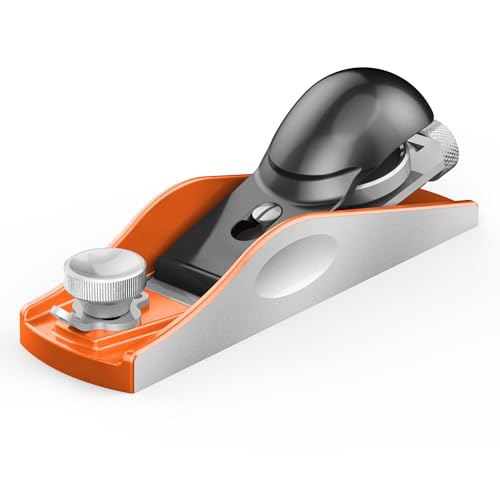
The JORGENSEN No. 60-1/2 is a low-angle block plane made for control near an edge. Its shorter body fits well in one hand, while the low cutting angle can help with end grain and tricky grain. This makes it useful for trimming doors, fitting drawers, and easing sharp board edges. It is also handy for quick work away from the main bench.
Low-angle planes reward a steady grip and a very sharp blade. They can cut end grain well, but tear-out still depends on grain direction, blade sharpness, mouth opening, and cut depth. I would take very light passes when working on figured wood. The No. 60-1/2 format is small enough for daily use yet large enough to feel stable during common fitting tasks.
Pros:
- Low angle suits end grain and edge trimming
- Compact size supports one-handed work
- Useful for fitting doors and drawers
- Easy to carry around a job site
- Good for chamfering and easing edges
- More nimble than a full bench plane
Cons:
- Short sole cannot flatten long surfaces
- Needs a sharp blade to avoid rough end grain
- Small size limits heavy stock removal
Best For:
| Best for | Why |
|---|---|
| End grain | The low cutting angle can make end-grain cuts easier. |
| Door fitting | The compact body gives control in tight areas. |
| Edge work | It quickly softens corners and removes small high spots. |
My Recommendation
I recommend the JORGENSEN No. 60-1/2 for finish carpenters, furniture makers, and DIY users who need a capable block plane. It is one of the best wood hand planes for quick trimming and end-grain work. It should not be your only plane if you need to flatten wide boards. As a second plane, though, it adds a lot of useful range for a reasonable amount of bench space.
Amazon Basics No.4 Adjustable Bench Plane

This Amazon Basics No.4 is an adjustable bench plane with a 2-inch steel blade. Its familiar shape gives beginners a low-cost way to explore hand-tool woodworking. The No.4 size works for smoothing, edge cleanup, and light leveling. A dark grey and black finish also gives it a simple, modern look.
Budget planes can perform well, but they often need more tuning than premium tools. I would inspect the sole for flatness, polish the back of the blade, and set the cutting edge before judging the plane. The adjustment system should move the iron in small steps, not large jumps. Once tuned, this style can help a new user learn how blade depth and hand pressure change a cut.
Pros:
- Accessible price for beginners
- Classic No.4 size handles many small projects
- Adjustable blade supports different cut depths
- 2-inch blade covers a useful working width
- Good option for learning plane setup
- Works for smoothing and light trimming
Cons:
- May require tuning before its best performance
- Budget finish may not match premium planes
- Not designed for heavy professional production use
Best For:
| Best for | Why |
|---|---|
| Budget workshops | It gives a full-size bench plane at a lower entry cost. |
| Beginners | The familiar format helps users learn basic skills. |
| Light smoothing | The No.4 body suits small and medium boards. |
My Recommendation
This Amazon Basics plane is best for a beginner who wants to try hand planing without making a large first purchase. It is also useful for a spare bench tool or a school workshop with a limited budget. It can earn a place among the best wood hand planes for value, but only after proper tuning. Buy it if you enjoy learning tool setup and want a broad, useful starting point.
JORGENSEN No.102 Low-Angle Block Plane

The JORGENSEN No.102 is a low-angle block plane with a compact profile. It is designed for small corrections rather than broad surface flattening. I see this type of plane as a fast problem solver for proud joints, narrow edges, and small end-grain cuts. It can stay beside your work instead of living in a storage drawer.
The main benefit of a low-angle block plane comes from its balance of size and cutting action. It can sit comfortably in one hand, but it still offers enough mass to make a smooth pass. Use shallow cuts on hard or figured stock. A block plane works best when you read the grain first and keep the blade edge free from nicks.
Pros:
- Small body is easy to guide
- Low angle helps with end-grain trimming
- Useful for proud joints and narrow edges
- Convenient for on-site adjustments
- Stores easily in a small tool kit
- Good companion to a No.4 or No.5 plane
Cons:
- Not suited to flattening large boards
- Short sole offers limited reference length
- Requires careful grain reading on figured wood
Best For:
| Best for | Why |
|---|---|
| Quick corrections | It removes small high spots without setting up a power tool. |
| Edge easing | The small body makes controlled chamfers simple. |
| Portable work | It fits a compact kit for repairs and trim work. |
My Recommendation
The JORGENSEN No.102 suits anyone who needs a small plane for daily fixes. It is a strong choice for trim carpentry, cabinet fitting, and home repair. For shoppers comparing the best wood hand planes, this model makes sense when portability matters more than surface reach. Pair it with a full bench plane for a flexible two-plane setup.
Amazon Basics Precision No.4 Plane
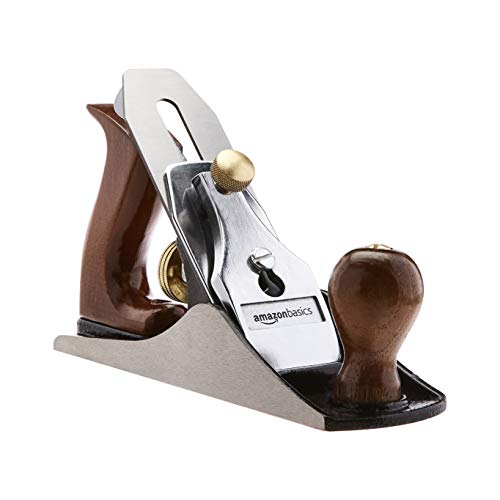
This Amazon Basics precision No.4 plane uses the familiar smoothing-plane layout and wooden handles. The No.4 format gives you a useful sole length for boards, panels, and furniture parts. Its 2-inch blade is wide enough for common shop tasks. The wooden handles may appeal to users who prefer a warmer, classic hand-tool feel.
I would treat this plane as a value tool that rewards patience. Before use, check the blade bevel, flatten the back as needed, and make sure the iron sits square in the mouth. Wooden handles can feel natural, but comfort depends on your hand size and grip. With light cuts and a sharp edge, this plane can leave a clean surface on many straight-grained boards.
Pros:
- Classic wooden-handle design feels familiar
- No.4 size works for general smoothing
- 2-inch blade suits many common boards
- Adjustable design allows fine cut control
- Useful for DIY furniture and home projects
- Usually costs less than high-end bench planes
Cons:
- May need setup work before use
- Wooden handles need care in damp storage
- Shorter sole is not ideal for long jointing jobs
Best For:
| Best for | Why |
|---|---|
| Classic tool fans | Wooden handles add a traditional feel. |
| DIY furniture | The No.4 body fits many home projects. |
| Fine smoothing | A shallow setting can leave a clean final surface. |
My Recommendation
I would choose this Amazon Basics precision plane for a DIY woodworker who values a traditional shape and a modest price. It is not a ready-to-work heirloom tool, but it can become a useful plane after careful tuning. It belongs in the conversation about the best wood hand planes for beginners who want to build skill. Keep it dry, sharpen the blade often, and use it for light controlled passes.
JORGENSEN No.5 Jack Plane
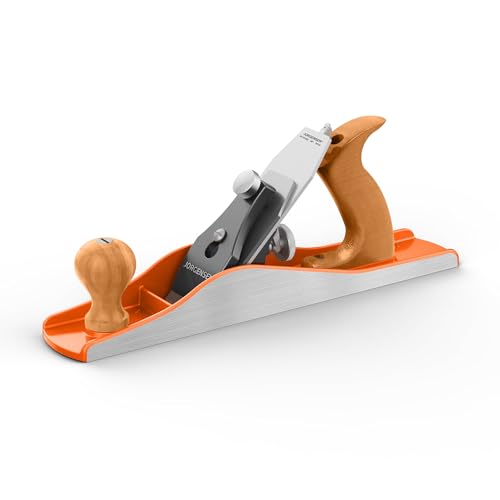
The JORGENSEN No.5 is a jack-plane style tool for work between rough preparation and final smoothing. Its longer body can bridge small dips better than a short block plane. The No.5 format also gives you more reach when working on boards and table parts. It is a useful middle ground for a workshop that wants one larger hand plane.
A jack plane can remove more material than a smoothing plane when you set the iron deeper. For a finer cut, reduce the depth and take a lighter pass. I always suggest checking the board often instead of trying to fix a large error in one sweep. This approach protects edges, reduces tear-out, and makes the plane feel far more predictable.
Pros:
- Longer sole supports broader work
- Useful for flattening and smoothing
- Versatile middle size for many workshops
- Can take a deeper cut than a smoothing setup
- Good for furniture parts and wide boards
- Helps reduce reliance on power tools
Cons:
- More tiring than a small block plane
- Needs good sharpening for deep cuts
- Not as precise as a dedicated jointer for long edges
Best For:
| Best for | Why |
|---|---|
| General stock work | The No.5 size bridges rough and fine work. |
| Furniture building | Its reach suits boards, legs, and panels. |
| One-plane shops | It can cover more tasks than a tiny block plane. |
My Recommendation
The JORGENSEN No.5 is my pick for woodworkers who want a versatile jack plane. It suits furniture makers, serious DIY users, and anyone preparing rough boards by hand. Of the best wood hand planes in this list, it offers some of the broadest use without the length of a jointer plane. Choose it when you want more reach and stock removal than a No.4 can comfortably provide.
JORGENSEN Chamfer Plane with Four Cutters

The JORGENSEN chamfer plane targets one clear job: cutting a neat bevel along a wood edge. It includes four cutter heads and built-in storage, which makes the set practical for users who want more than one edge option. A chamfer can remove a sharp corner, add a design detail, or protect an edge from small knocks. The dedicated shape helps guide the cut with less guesswork than a freehand bevel.
This is a specialty plane, so it should not replace a bench plane. Use it after marking the edge and securing the work firmly. Start with light passes and keep the plane square to the intended face. The built-in storage also helps prevent loose cutter heads from disappearing among other tools, though each cutter still needs care and a sharp edge.
Pros:
- Designed for repeatable edge chamfers
- Four cutter heads offer useful profile choices
- Built-in storage keeps parts together
- Helpful for furniture detail work
- Can soften sharp edges quickly
- Dedicated guide reduces freehand errors
Cons:
- Limited to specialty edge work
- Requires careful alignment for even bevels
- Extra cutters need sharpening and safe storage
Best For:
| Best for | Why |
|---|---|
| Edge chamfers | The body guides a consistent bevel. |
| Furniture details | It adds a clean visual line with little setup. |
| Repeat work | Stored cutters make profile changes easier. |
My Recommendation
I recommend this chamfer plane to woodworkers who often soften edges or add bevel details. It is not one of the best wood hand planes for general smoothing, but it can be one of the most useful specialty tools in the right shop. Cabinet makers, toy builders, and furniture hobbyists may get strong value from the four cutter heads. If you only need an occasional bevel, a standard block plane may be more practical.
KAKURI Japanese 42mm Hand Plane

The KAKURI Japanese hand plane brings a compact wooden block-plane style to the bench. Its 42mm blade width and short body suit small projects, edge work, and careful trimming. Japanese planes often reward a different setup approach because the user pulls the tool toward the body. That pull stroke can feel controlled once you learn the motion.
This plane is a good match for users who enjoy a direct, quiet connection with the wood. It may arrive needing blade adjustment, and the wooden body can change with moisture and temperature. Store it in a dry place and protect the sole when not in use. I would choose it for small joinery, crafts, and detail work rather than large production boards.
Pros:
- Compact size suits small work
- Japanese pull stroke offers close control
- Wooden body feels light and natural
- Useful for edge trimming and joinery
- Fits well in a hand-tool focused shop
- Good option for users who enjoy traditional methods
Cons:
- Learning the pull stroke takes practice
- Wooden body needs dry, stable storage
- Not intended for broad surface leveling
Best For:
| Best for | Why |
|---|---|
| Small joinery | The short body gives careful control near joints. |
| Traditional hand work | It offers a different and quiet planing method. |
| Crafts | The narrow blade suits small wood parts. |
My Recommendation
The KAKURI is best for a craft worker or hand-tool fan who wants a compact Japanese plane. It is also a thoughtful choice for small joinery and repair work. In a search for the best wood hand planes, this model stands apart because of its wooden body and pull-style use. Buy it when the traditional feel matters as much as fast stock removal.
Lanties Adjustable Two-Inch Hand Plane
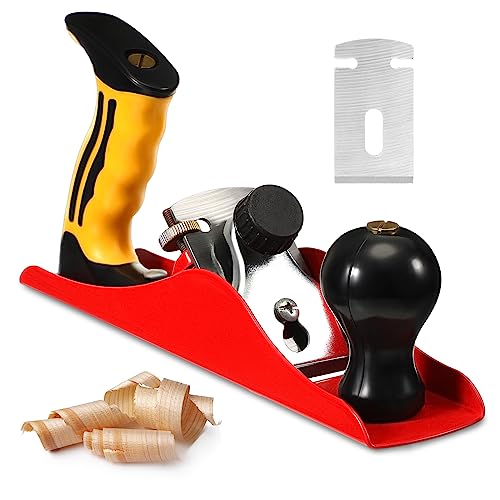
The Lanties hand planer is an adjustable smoothing plane with a 2-inch blade. It targets common DIY jobs such as trimming doors, fitting boards, and correcting proud edges. Its universal bench-plane style makes it more useful than a tool built for one narrow task. For a homeowner, that broad use can matter more than premium finish details.
I would keep the first cuts shallow and test the plane on scrap wood. Door work often includes short passes, changing grain, and awkward positions, so a balanced grip helps. A plane like this can save time when a door rubs or a board sits just above a neighboring piece. It still needs a sharp blade, a flat sole, and a firm work setup to produce clean shavings.
Pros:
- Useful for door installation and fitting
- 2-inch blade handles common trim work
- Adjustable design supports light and fine cuts
- Suitable for DIY repair projects
- More versatile than a single-purpose edge tool
- Can help users avoid over-sanding wood
Cons:
- May need tuning before demanding work
- Not ideal for very long boards
- Heavy cuts can cause tear-out in poor grain
Best For:
| Best for | Why |
|---|---|
| Door fitting | The adjustable cut helps remove small amounts with control. |
| DIY repairs | It handles common home wood fixes. |
| Edge trimming | The bench-plane shape supports steady short passes. |
My Recommendation
The Lanties plane is best for homeowners and DIY users who need a general tool for fitting and trimming. It can be a practical entry in the best wood hand planes category when the main goal is useful work at a modest cost. I would not choose it for demanding cabinet production without testing and tuning first. For occasional doors, shelves, and repairs, it offers a sensible range.
How to Choose the Best Wood Hand Planes
Choosing a hand plane becomes easier when you start with the job, not the brand. A short plane follows small areas and gives close control. A longer plane bridges dips and helps straighten edges. A specialty plane solves one clear problem, such as chamfering or end-grain trimming.
Match the Plane to the Task
A block plane is a strong choice for edge work, end grain, and quick repairs. A No.4 plane is a common smoothing tool for furniture parts and medium boards. A No.5 jack plane covers more ground and can remove more stock. A chamfer plane makes repeat bevels simple, while a mini plane fits small crafts.
Check the Sole
The sole acts like the road beneath the blade. If it is not reasonably flat, the plane may rock or cut unevenly. Place a straightedge along the sole and inspect for major gaps. A small amount of tuning may be normal for a budget plane, but deep twists can create needless work.
Inspect the Blade
Blade quality matters more than a bright finish. The back should support a clean cutting edge. The bevel should be even, and the iron should clamp firmly. I use a fine sharpening stone or a guided system to create a small, consistent edge. A sharp blade should produce a thin shaving instead of dust or a torn strip.
Consider Cutting Angle
Standard bench planes often suit general face and edge work. Low-angle planes can work well on end grain and some difficult grain. A lower angle does not remove the need to read grain direction. If the grain rises toward the cut, take a thinner shaving and test the result often.
Think About Size and Weight
Weight can help a plane carry through a cut, but it can also tire your arms. A long plane offers more reference length but needs more room and control. A small plane feels quick and nimble. I tell new users to choose the largest tool they can hold comfortably for the task.
Look at Adjustment Controls
Fine adjustment saves time. The blade should move in small, predictable steps. Lateral adjustment helps align the cutting edge across the mouth. The lever cap or blade clamp should hold the iron firmly. Loose parts can cause chatter, uneven cuts, and frustration.
Remember the Wood
Soft pine, hard maple, oak, and figured wood do not behave in the same way. Soft wood may compress under a dull edge. Hard wood needs a strong, keen blade. Figured wood may tear even when the plane is well set. Use a test board, follow the grain, and keep the cut shallow when the surface looks uncertain.
Plane Types Explained
Block Planes
Block planes are small and easy to carry. Many use a low cutting angle, which makes them useful for end grain and edge work. They are common in trim work because they can remove a tiny amount from a door or board. Their short sole makes them poor choices for flattening long surfaces.
Smoothing Planes
A No.4 smoothing plane removes fine shavings and prepares wood for finish. It is not meant to correct a badly twisted board in one step. Use a smoothing plane after the surface is close to flat. The best results come from a sharp blade, a fine setting, and overlapping passes.
Jack Planes
A No.5 jack plane is a flexible middle tool. It can take a deeper cut for rough work or a finer cut for general preparation. It is longer than a smoothing plane but shorter than a jointer plane. That balance makes it useful for many small and medium shops.
Specialty Planes
Specialty planes include chamfer planes, rabbet planes, shoulder planes, and other tools with a focused purpose. They can make a repeated cut faster and more even. They do not offer the range of a standard bench plane. Buy one when the task appears often enough to justify its space.
How I Evaluate Wood Hand Planes
I look at five areas when comparing hand planes. I check the body, sole, blade, adjustment system, and comfort. I also ask if the tool suits a real task instead of judging it only by appearance.
The sole should support the cut without rocking. The iron should sharpen to a clean edge and hold its position. The controls should feel clear rather than vague. Handles and grip areas should let you push or pull without forcing your wrist into an awkward angle.
I also consider the learning curve. A budget plane may offer good value if the user enjoys tuning tools. A nearly ready plane may suit someone who wants to start a project at once. Neither choice is wrong. The best wood hand planes are the ones that match your patience, work, and hand strength.
Setup Tips for Cleaner Shavings
Start with safety. Secure the board so it cannot slide. Keep both hands behind the cutting edge. Wear eye protection when chips may fly, and keep the blade covered when the plane is stored.
Next, inspect the iron. Flatten the back near the edge, then sharpen the bevel until it feels keen. You do not need a mirror finish across the entire blade. You do need a clean edge without a burr that breaks away during the cut.
Set the blade for a very light shaving. Place the plane on the wood before lowering the iron into the cut. This reduces the chance of a deep bite at the start. If the plane skips, check blade sharpness, sole contact, and pressure.
Use your front hand to guide the plane and your rear hand to drive it. Keep the sole flat. On a long board, begin with more pressure near the front, then move the pressure toward the rear as the plane leaves the work. This simple shift helps avoid a hollow or rounded surface.
Listen to the cut. A smooth whisper often means the blade is working well. A harsh chatter may point to a loose iron, a dull edge, or an overly deep setting. Stop and adjust rather than forcing the tool. A hand plane should feel like a controlled glide, not a wrestling match.
Common Hand Plane Mistakes
Many new users set the blade too deep. A deep cut feels fast, but it often causes tear-out and makes the plane hard to push. Start with a shaving so thin that you can barely see it. Increase depth only when the cut remains smooth.
Another common mistake is planing against the grain. Look at the fibers on the board edge. The grain often points like a series of small arrows. Plane in the direction that lets the blade lift the fibers instead of prying them up.
Some users also skip the test cut. Scrap wood gives quick feedback about blade depth and grain. It can save a finished panel from a deep gouge. I consider a test cut one of the simplest habits that separates calm work from repair work.
Do not store a plane on its blade. Rest it on its side or on a small wooden bridge. Wipe metal parts after use, especially in a damp shop. Keep the blade protected and the sole clean. These small habits help a budget tool last much longer.
Which Plane Size Should a Beginner Buy?
For many beginners, a No.4 smoothing plane is the easiest full-size starting point. It is large enough for common boards but not so long that it feels difficult to control. A No.5 jack plane makes more sense if you expect to prepare rough boards or work on larger furniture parts.
A block plane is a better first choice for trim repairs, doors, small boxes, and edge work. Some users buy a block plane and later add a No.4. Others choose a No.5 first because they want one flexible tool. Your projects should decide the order.
If your work is mostly small crafts, the JORGENSEN No.101 or KAKURI may feel more natural. If you need repeat bevels, the JORGENSEN chamfer plane offers more focused value. The best wood hand planes do not all serve the same user, so avoid choosing by size alone.
Maintenance Guide
Sharpen the blade as soon as the plane starts to tear or needs extra force. Waiting too long makes the work harder and can damage the surface. Keep a consistent bevel and remove the burr from the back. A simple sharpening routine often improves results more than buying another plane.
Clean dust and resin from the sole. A dry cloth works for normal use. A small amount of suitable rust protection can help protect bare metal in a damp area. Do not allow oily residue to touch wood that will receive stain or finish unless you remove it fully.
Check screws and adjustment parts from time to time. Vibration and repeated use can loosen hardware. Do not over-tighten small parts, since damaged threads can make future adjustment difficult. Store wooden planes away from heat and sudden moisture changes.
FAQs Of best wood hand planes
What is the best wood hand plane for a beginner?
A No.4 smoothing plane is often the most useful full-size choice. It handles light smoothing, edge work, and many furniture tasks. A block plane may be better if your projects are small or focused on doors and edges.
Is a No.4 or No.5 plane better?
A No.4 is shorter and easier for fine smoothing. A No.5 has more reach and can remove more stock. Choose the No.4 for general finishing and the No.5 for broader preparation work.
Do new hand planes need tuning?
Many budget planes benefit from tuning. Check the sole, sharpen the blade, align the iron, and test the adjustment. The amount of work varies by tool and by your quality standard.
Can a hand plane replace a power planer?
A hand plane can handle many fitting and smoothing jobs, but it does not always replace a power planer for fast stock removal. It offers quiet control and avoids dust from sanding. Use the tool that fits the amount of material and the finish you need.
How do I stop a hand plane from tearing wood?
Sharpen the blade, reduce the cut depth, and follow the grain. A tighter mouth can help on some planes. On figured wood, take very thin shavings and test each area before making a long pass.
Final Verdict: Which Should You Buy?
For most users, I would choose the JORGENSEN No.4 as the best wood hand plane for general work. Pick the No.5 for rougher boards, a low-angle plane for edges, or the chamfer plane for bevels.
The best wood hand planes reward sharp blades and steady hands. Choose the size that fits your work, tune it with care, and enjoy cleaner wood with less noise.